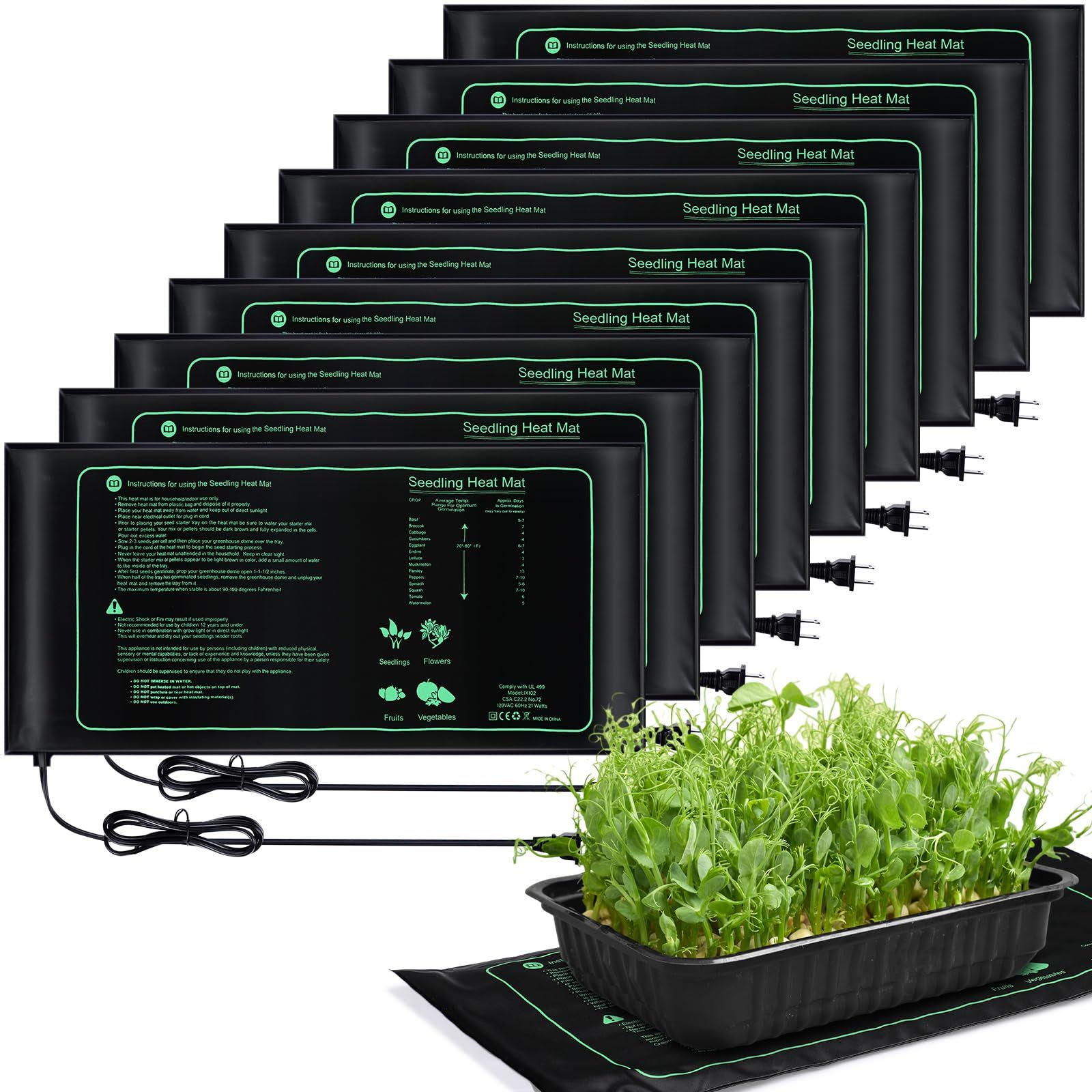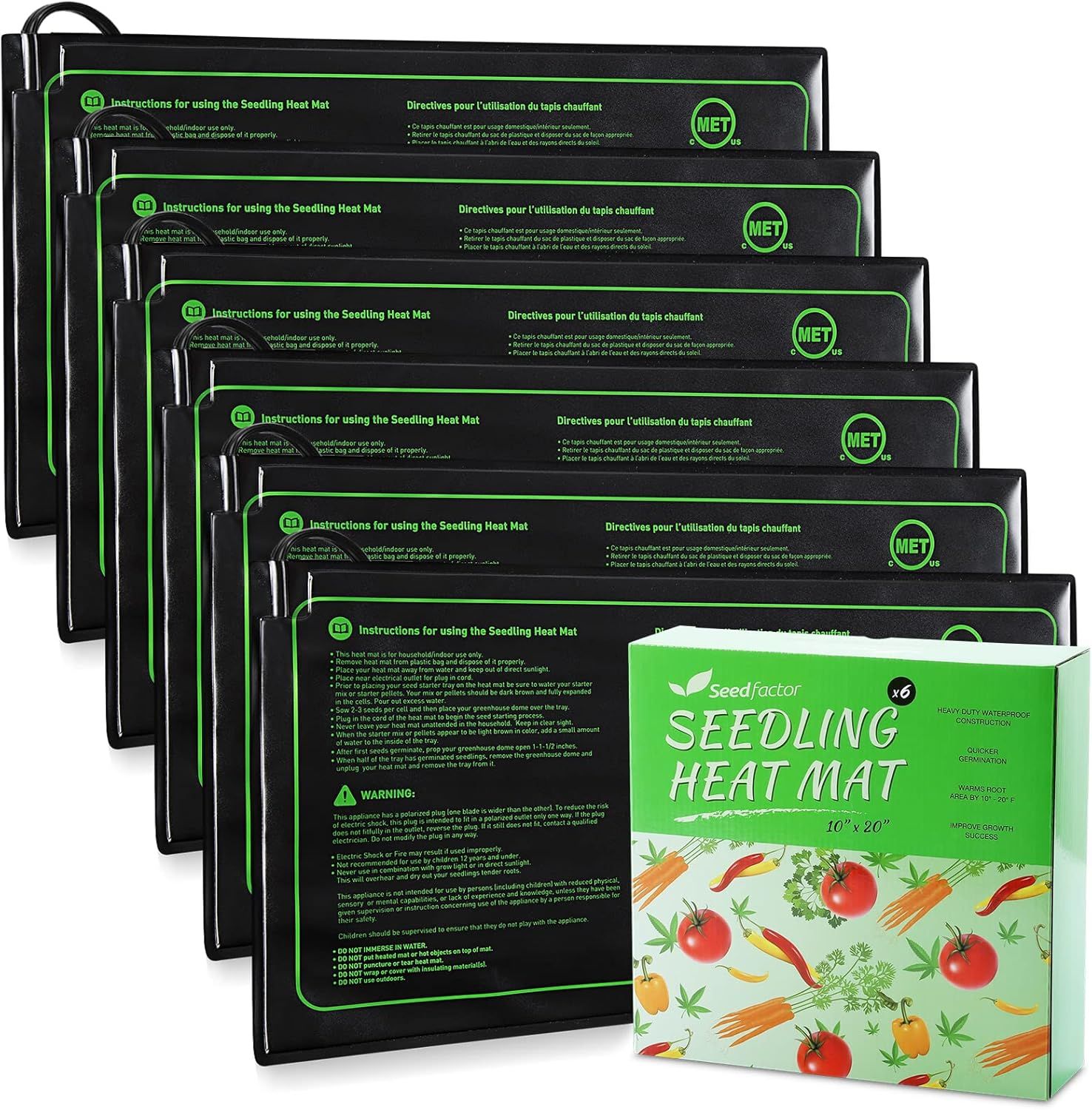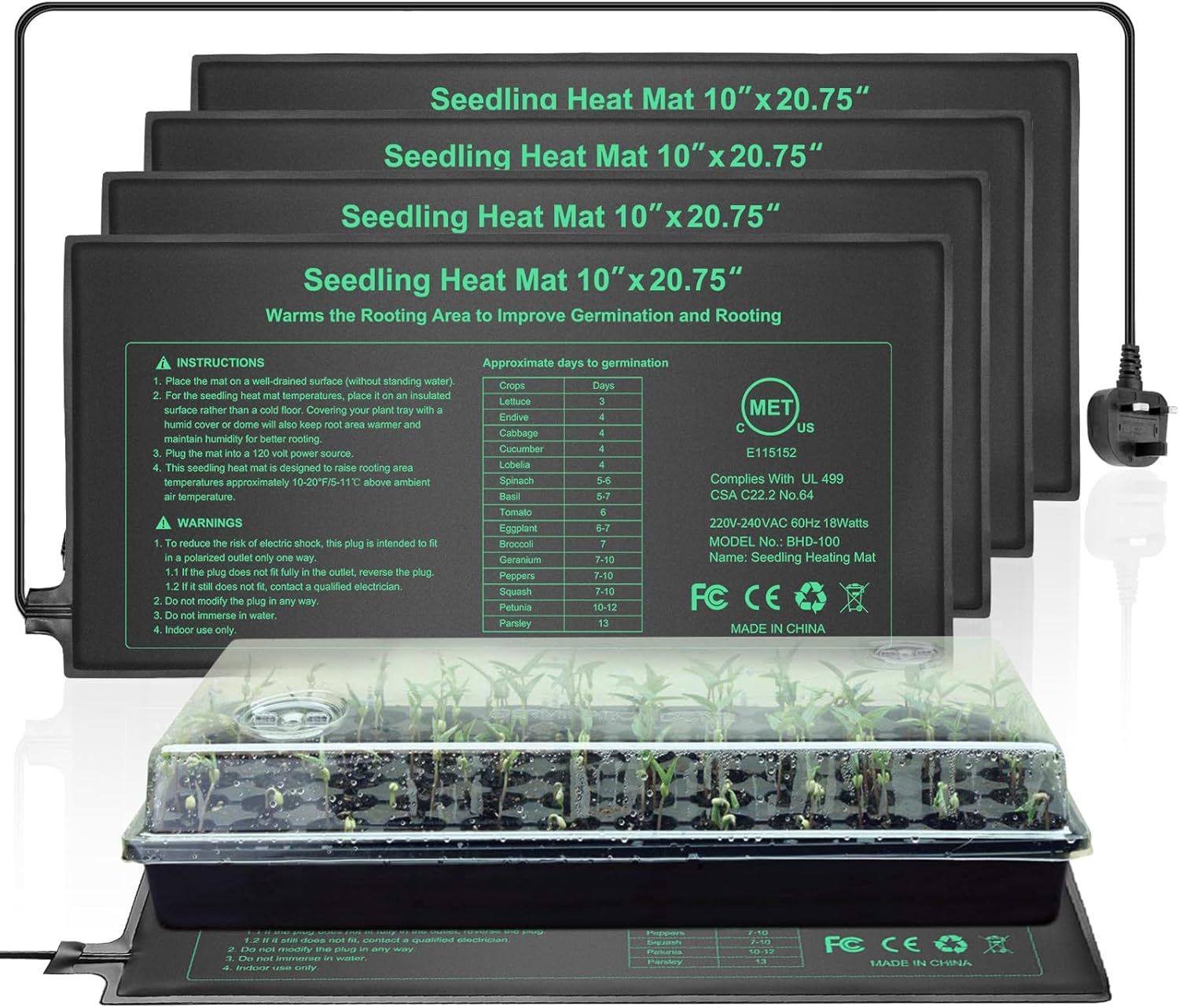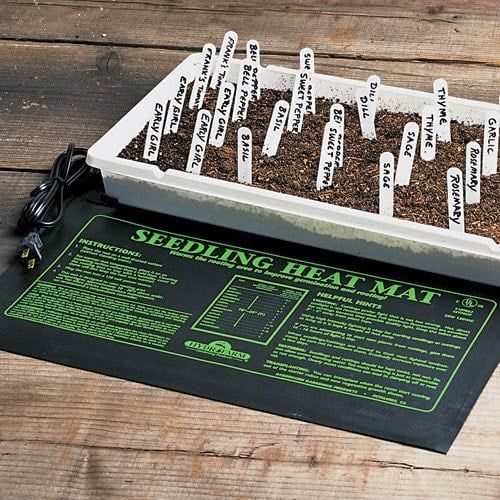
Imagine waking up to thriving seedlings that sprout faster and stronger, all thanks to a simple addition to your indoor garden setup. What if we told you there’s a way to boost plant growth while also protecting the planet? Enter the bamboo seedling heat mat eco – a sustainable solution that’s quietly transforming how indoor gardeners approach their craft.
Indoor gardening has become more popular than ever before, especially among urban dwellers and those with limited outdoor space. But growing plants indoors comes with its own set of challenges – temperature control being one of the most crucial factors for success. Many gardeners struggle with maintaining consistent warmth for their delicate seedlings, which can mean the difference between healthy plants and disappointing failures. The bamboo seedling heat mat eco offers a promising solution that combines functionality with environmental consciousness.
Understanding the Basics of Seedling Heat Mats
Heat mats might seem like simple devices, but they play a vital role in seed germination and early plant development. These mats work by providing gentle, consistent bottom heat that mimics the natural warmth of soil. For many plants, especially those from warmer climates, this bottom heat is essential for breaking dormancy and encouraging rapid root development.
Traditional heat mats often rely on plastic components and synthetic materials. However, the bamboo seedling heat mat eco takes a different approach. Instead of using conventional plastics, it incorporates bamboo fiber, a renewable resource that’s both strong and biodegradable. This shift represents more than just a material change – it reflects a growing awareness of environmental impact in gardening practices.
The Environmental Benefits of Bamboo Materials
Bamboo isn’t just trendy – it’s actually one of the most sustainable resources on Earth. Unlike traditional materials that require extensive processing, bamboo grows incredibly fast, reaching maturity in just three to five years compared to decades for hardwood trees. This rapid growth rate means bamboo can be harvested regularly without depleting resources.
Bamboo also produces oxygen and absorbs carbon dioxide more efficiently than many other plants. When used in products like heat mats, bamboo fibers create a durable alternative to petroleum-based plastics. The eco-friendly nature of bamboo extends beyond its production – when these mats eventually reach the end of their lifecycle, they can decompose naturally rather than contributing to landfill waste.
Consider the implications: every time you choose a bamboo heat mat over a plastic one, you’re making a small but meaningful choice toward reducing your environmental footprint. It’s not just about one product – it’s about changing how we think about gardening supplies and their impact on our planet.
Performance Advantages of Bamboo Heat Mats
When it comes to actual performance, bamboo heat mats hold their own against traditional options. The thermal conductivity of bamboo fibers provides even heat distribution across the mat surface. This consistency helps prevent hot spots that can damage delicate seedlings.
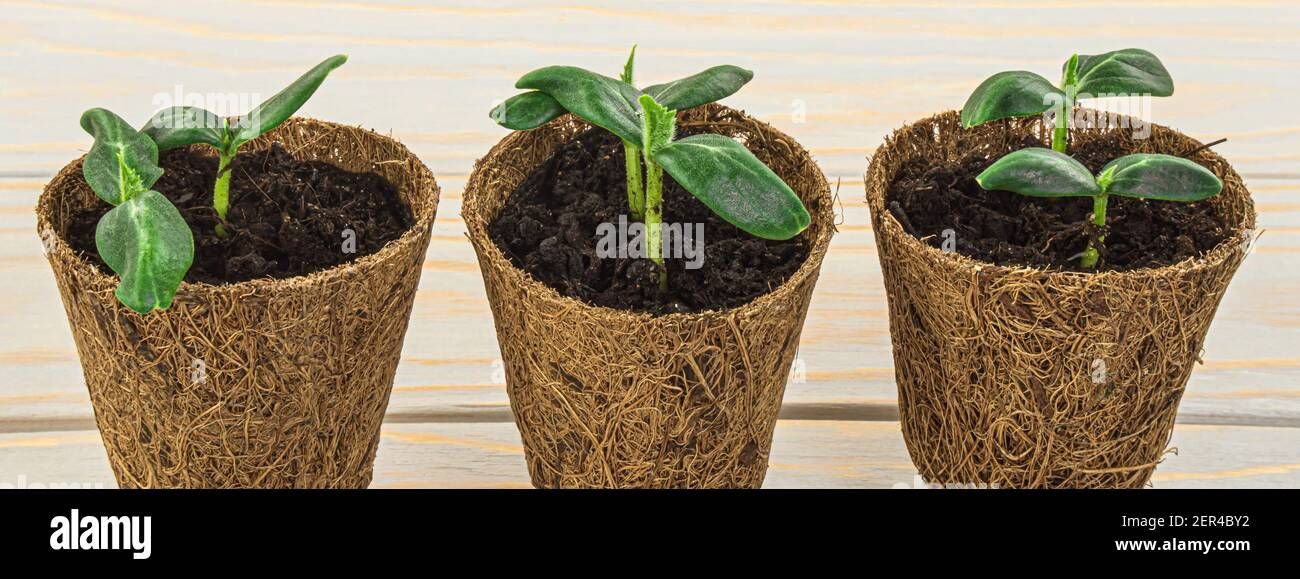
Many users report that their plants show improved vigor when grown on bamboo mats. The steady warmth encourages better root development, which translates to stronger, healthier plants overall. Some gardeners have noted that their seedlings emerge faster and with more uniform growth patterns compared to using no heat source at all.
The durability factor shouldn’t be overlooked either. Bamboo fiber tends to be more resistant to wear and tear than standard plastic materials. While some heat mats may crack or degrade after extended use, bamboo mats often maintain their integrity longer, making them a worthwhile investment for serious gardeners.
Practical Applications in Indoor Gardening
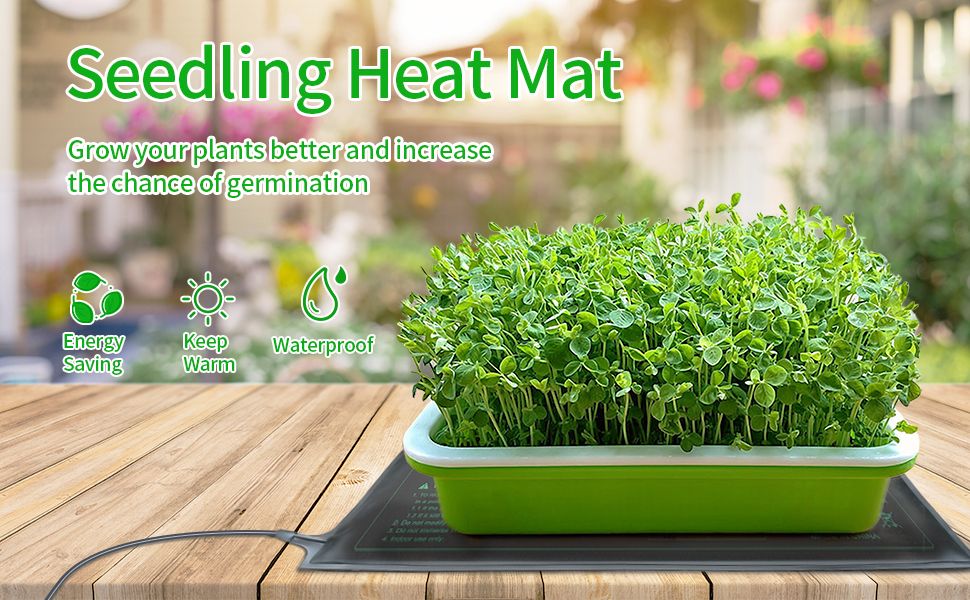
Using a bamboo seedling heat mat in your indoor garden setup is straightforward, but there are several ways to maximize its effectiveness. Start by placing the mat under your seed trays or pots, ensuring it covers the entire growing area. Most mats come with adjustable temperature controls, allowing you to customize conditions based on your specific plant needs.
Different plants have varying temperature requirements during their early stages. Tomatoes, peppers, and eggplants thrive with soil temperatures around 70-80°F (21-27°C), while herbs like basil prefer slightly cooler conditions. The bamboo mat allows you to fine-tune these settings without guesswork.
A common mistake many new gardeners make is setting the temperature too high. While warmth is important, overheating can be just as damaging as cold stress. The bamboo mat’s controlled heating system makes it easier to maintain optimal conditions consistently. You’ll notice a significant difference when your plants respond positively to the stable environment.
Cost Considerations and Long-Term Value
At first glance, bamboo heat mats may appear more expensive than standard alternatives. However, looking at the bigger picture reveals their true value proposition. The initial investment pays off through increased success rates and reduced plant loss due to temperature stress.
Additionally, the longevity of bamboo materials means these mats typically last longer than their plastic counterparts. When you factor in replacement costs over time, the bamboo option often proves more economical despite the higher upfront cost.
Consider also the potential savings from better plant health. When seedlings grow stronger from consistent warmth, they’re less likely to succumb to diseases or pest problems later in their development. This improved resilience can reduce the need for additional treatments or supplements that might otherwise be necessary.
Some gardeners find that investing in quality heat mats like bamboo versions leads to better overall garden outcomes, making it a worthwhile expenditure for serious indoor growers.
Maintenance and Care Tips
Caring for your bamboo seedling heat mat is relatively simple, but attention to detail ensures maximum lifespan and performance. Regular cleaning with mild soap and water keeps the surface free from debris that could affect heat distribution. Never immerse the electrical components in water – always follow manufacturer instructions for safe cleaning.
Check the mat periodically for signs of wear or damage. While bamboo fiber is robust, any physical damage to the heating elements requires immediate attention. Most manufacturers offer warranties on their products, so keep your purchase documentation handy.
Proper storage during off-seasons helps extend the mat’s life. Store it in a dry location away from direct sunlight, which can cause fading or degradation over time. If you’re planning to use it year-round, consider rotating the mat position occasionally to ensure even wear across the surface.
Remember that the mat works best when placed on a flat, stable surface. Uneven surfaces can create inconsistent heating patterns and potentially damage the device over time.
The bamboo seedling heat mat eco represents more than just a gardening tool – it embodies a shift toward conscious consumption and sustainable practices in the hobby. As indoor gardening continues to flourish, solutions like these prove that we don’t have to compromise between effective results and environmental responsibility. Whether you’re a seasoned gardener or just starting your indoor journey, considering a bamboo heat mat could transform your growing experience. The combination of reliable performance, eco-friendly materials, and practical benefits makes it a compelling choice for anyone serious about their indoor garden. Why settle for average when you can have exceptional results with a product that aligns with your values?