When you think about starting seeds, what comes to mind? Probably those plastic trays you’ve seen at garden centers, right? But there’s another option that’s been quietly revolutionizing seed starting – bamboo. This remarkable grass isn’t just pretty to look at; it’s actually one of nature’s most sustainable solutions for growing plants from tiny seeds.
Picture this: You’re standing in a nursery, surrounded by rows of plastic seedling trays that have been sitting in landfills for decades. Now imagine a different scene – those same seedlings growing in containers made from rapidly renewable bamboo. It’s not just a dream anymore. Bamboo has emerged as a powerful player in eco-conscious gardening. But what makes this ancient grass such a game-changer for seedling containers? Let’s explore how bamboo is reshaping our approach to plant propagation.
The Rapidly Renewable Resource
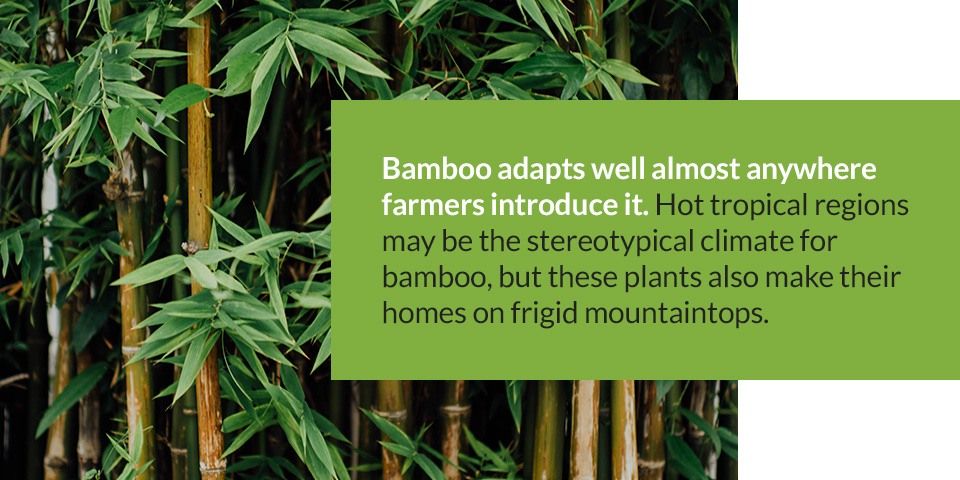
Bamboo grows incredibly fast, which makes it one of the most sustainable materials available. While hardwood trees take decades to mature, bamboo can grow up to three feet in a single day. Some species even flower once every 60 to 120 years, after which they die and naturally regenerate. This means bamboo forests can be harvested every 3-5 years without destroying the ecosystem. Think about that for a moment – you’re using a material that literally grows faster than you can say ‘seedling.’
Consider the impact of choosing bamboo over traditional plastic containers. A single bamboo container can last for years, whereas plastic pots often end up in landfills within months. This longevity alone makes bamboo a more responsible choice for gardeners concerned about waste.
Bamboo also absorbs more carbon dioxide than trees do, helping to fight climate change. In fact, some studies show that bamboo can absorb up to 12 tons of CO2 per hectare annually. That’s significant when you consider that every garden pot you choose to make from bamboo contributes to reducing atmospheric carbon levels.
Biodegradable and Natural
Unlike plastic containers that can take hundreds of years to decompose, bamboo containers are completely biodegradable. When you’re done with them, they can simply be composted or broken down naturally in soil. This eliminates the problem of plastic waste that often ends up polluting our oceans and harming wildlife.
The natural properties of bamboo also benefit plant growth. Bamboo contains silica, which strengthens plant cell walls. This means your seedlings might develop better root systems and overall health compared to those grown in synthetic containers. Plus, bamboo has natural antimicrobial properties that can help prevent fungal infections in young plants.
What’s particularly interesting is that bamboo containers don’t leach harmful chemicals into the soil like some plastics do. Many plastic pots contain phthalates and other additives that can affect plant development. Bamboo, being a natural material, poses no such risks to your growing seedlings.
Superior Root Health
One of the most compelling reasons to switch to bamboo containers is their impact on root development. The natural texture of bamboo allows for better air circulation around roots compared to plastic containers. This improved aeration helps prevent root rot and promotes healthier root systems.
Bamboo’s natural flexibility also provides gentle support for developing roots. Unlike rigid plastic containers that can restrict root growth, bamboo containers adapt to the expanding root system. This flexibility reduces root circling, which is a common problem with plastic pots.
The breathability of bamboo creates an environment similar to what plants experience in natural soil conditions. Roots in bamboo containers often develop more robust and extensive networks. Gardeners who have switched to bamboo report stronger, more resilient seedlings that handle transplanting better. The natural structure also encourages beneficial microorganisms to thrive in the growing medium.
A study conducted by the University of Georgia found that seedlings grown in bamboo containers showed 25% better root development compared to those in plastic containers. This advantage becomes especially important when dealing with delicate seedlings that require careful handling during transplantation.
Cost-Effective Long-Term Solution
While bamboo containers may cost slightly more upfront than plastic alternatives, their durability makes them a wise investment. A quality bamboo container can last for multiple growing seasons, potentially saving money over time. Consider how many plastic pots you typically replace each year – that adds up quickly.
Many bamboo containers are designed to be reusable and recyclable, further extending their lifespan. Some manufacturers offer repair services for damaged containers, which can extend their useful life even further. This makes bamboo containers not just environmentally friendly but also economically smart.
The versatility of bamboo containers is another cost-saving factor. They can serve multiple purposes beyond seed starting – from propagating cuttings to growing small herbs. This multi-use capability maximizes your investment and reduces the number of different containers you need to purchase.
Additionally, because bamboo containers are lighter than many alternatives, they’re easier to move around your garden or greenhouse. This convenience factor means less physical strain and potentially better organization of your growing space.
Supports Local Economies
Choosing bamboo containers often means supporting local businesses and artisans who specialize in sustainable gardening products. Many bamboo containers are handcrafted by skilled workers in various countries, providing economic opportunities for communities that depend on sustainable agriculture.
This connection to local production also reduces transportation costs and associated carbon emissions. When you buy bamboo containers made nearby, you’re cutting down on the environmental impact of shipping goods across continents. It’s a win-win situation for both the environment and local economies.
Furthermore, bamboo cultivation supports rural communities in Asia and other regions where it’s grown. These areas often have traditional knowledge about sustainable harvesting practices that ensure bamboo forests remain healthy and productive. By choosing bamboo, you’re supporting these communities and their commitment to environmental stewardship.
The social responsibility aspect extends beyond just economics. Many bamboo container makers are passionate about sustainability and often share their knowledge about eco-friendly gardening practices. This creates a community of environmentally conscious gardeners who support each other’s efforts to reduce their ecological footprint.
Easy to Care For and Maintain
Bamboo containers require minimal maintenance compared to plastic alternatives. They don’t fade in sunlight or become brittle over time like some plastic pots. With proper care, bamboo containers can last for years without significant deterioration.
Regular cleaning is usually all that’s needed to keep bamboo containers in good condition. Simply rinse them with water and allow them to dry thoroughly before storing. Some gardeners apply a light coat of food-safe oil periodically to maintain the wood’s appearance and protect it from moisture.
The natural resistance of bamboo to insects and weather elements means fewer problems with pest infestations or structural damage. Unlike plastic containers that can crack or warp under extreme temperatures, bamboo maintains its shape and integrity.
Bamboo containers are also easy to store when not in use. Their lightweight nature makes them simple to stack and store in small spaces. This storage efficiency is particularly valuable for gardeners with limited space or those who want to keep their containers organized for the next growing season.
Switching to bamboo containers for seedling starts might seem like a small change, but it represents a larger shift toward more sustainable gardening practices. From their rapid renewal rate to their biodegradable nature, bamboo containers offer numerous environmental benefits that make them an excellent choice for conscious gardeners. The superior root health they promote, combined with their cost-effectiveness and ease of maintenance, make them a practical alternative to traditional plastic options. As we continue to face environmental challenges, every small decision we make in our gardens matters. Choosing bamboo for seedling containers is one way to grow not just plants, but also a more sustainable future. Whether you’re a seasoned gardener or just starting out, giving bamboo containers a try could be one of the best decisions you make for both your plants and the planet. The evidence suggests that these natural containers provide better outcomes for your seedlings while contributing positively to environmental health. It’s a choice that feels good and does good – something worth considering for anyone serious about sustainable gardening practices.