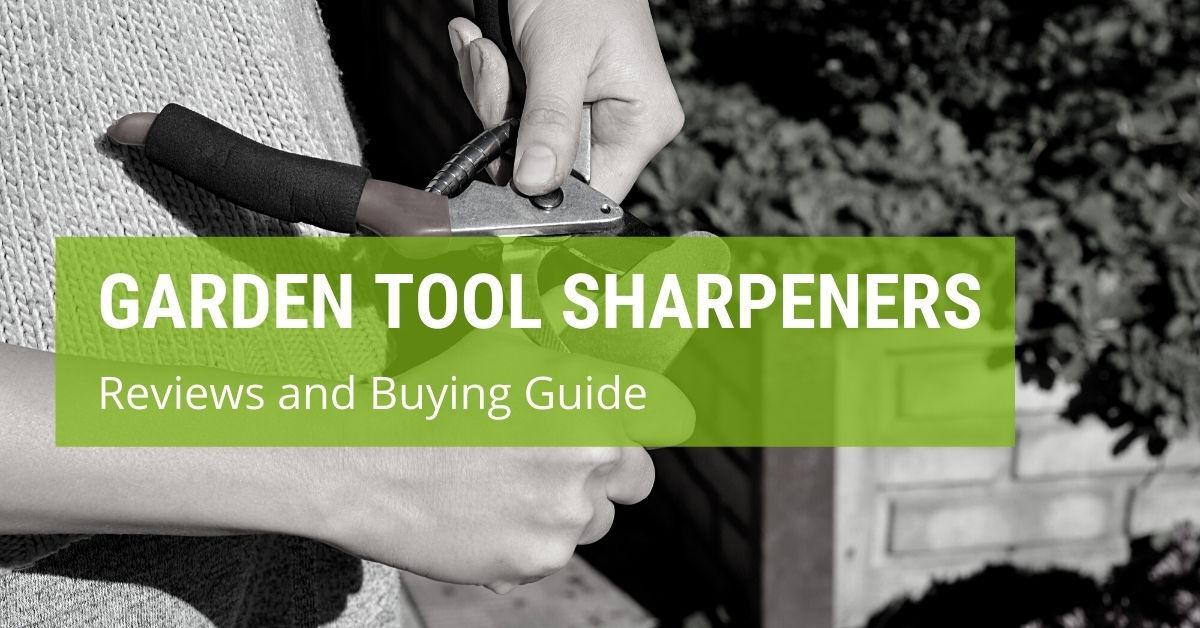
There’s something deeply satisfying about a perfectly sharpened garden tool. The way it glides through soil, cuts cleanly through stems, and makes your gardening work feel effortless. But how do you keep those edges sharp without harming the planet? This guide explores time-tested techniques that respect both your tools and the earth.
Every gardener knows that dull tools are the enemy of good gardening. They make work harder, increase the risk of injury, and often damage plants instead of cutting them cleanly. But when we think about maintaining our garden tools, we often overlook the environmental impact of our sharpening methods. Traditional approaches might involve power tools that consume electricity, or abrasives that end up in landfills. What if there was a better way? A way that honors both the tools we love and the ecosystem we’re trying to nurture? That’s exactly what sustainable sharpening techniques aim to provide.
Why Sustainable Sharpening Matters
Think about it for a moment. Your garden tools are investments that last decades, but they require regular maintenance to perform their best. When you choose sustainable sharpening methods, you’re not just saving money—you’re also reducing waste and energy consumption. Traditional sharpening often involves electric grinders that run on grid electricity, or abrasive materials that can’t be recycled. Sustainable alternatives focus on minimizing resource use while maximizing tool longevity. Consider this: every time you sharpen a tool using eco-friendly methods, you’re making a small but meaningful choice to protect the environment. It’s like choosing to walk instead of drive for short trips—small actions that add up to big impacts over time. Plus, many sustainable techniques actually produce better results than conventional methods because they allow for more precise control.
The Basics of Manual Sharpening
Manual sharpening might seem old-fashioned, but it’s one of the most environmentally friendly ways to maintain your garden tools. All you really need are some basic supplies: a whetstone, sandpaper, or even a file. These tools have been used for centuries and they require no electricity or harmful chemicals. The key is understanding that manual sharpening is a skill that takes practice. Start with a coarse stone to remove nicks and then progress to finer stones for a smooth edge. You’ll notice that your tools stay sharper longer when you take the time to do it right. Many gardeners find that they can extend the life of their tools by several years using proper manual techniques. It’s also worth noting that manual sharpening produces no dust or debris that could harm the environment.
Choosing the Right Sharpening Stones
When it comes to sustainable sharpening, the quality of your stones matters more than anything else. Natural stones like Arkansas stones or water stones are excellent choices because they’re made from durable minerals that last for decades. These stones don’t need to be replaced frequently, unlike synthetic alternatives that break down quickly. Some gardeners prefer oil stones because they work well with various metal types and can be cleaned with simple mineral oil. Others swear by water stones, which are easy to maintain and don’t require special oils. The important thing is to choose stones that will serve you for years rather than months. You’ll save money and reduce waste by investing in quality stones that can handle the job properly. Remember, the goal isn’t just to sharpen quickly—it’s to do it right so your tools last longer.
Proper Angle and Technique
Here’s where things get interesting. The angle at which you sharpen your tools determines how well they cut and how long the edge lasts. Most garden tools should be sharpened at around 20-25 degrees, though this varies depending on the tool type. Holding your tool correctly is crucial too. The blade should be held steady while you move the stone along the edge in a consistent motion. Think of it as a dance between tool and stone—too much pressure and you’ll remove too much material, too little and you won’t sharpen effectively. Practice on an old tool first to get comfortable with the rhythm. It’s amazing how much difference a few degrees makes in the final result. Many experienced gardeners recommend practicing the technique on a piece of scrap metal before working on your favorite tools.
Maintenance Beyond Just Sharpening
Sustainable gardening isn’t just about sharpening—it’s about taking care of everything that touches your plants. Regular cleaning after each use prevents rust and extends tool life significantly. Simple steps like wiping down blades with a cloth and applying a thin layer of oil can prevent corrosion. Some gardeners even use natural rust inhibitors made from beeswax and linseed oil. Proper storage is equally important. Keeping tools in a dry place and using tool racks helps prevent damage. Think of your tools as pets—they need daily care to thrive. When you invest time in maintenance, you’re actually saving resources in the long run because you won’t need to replace tools as frequently. It’s a cycle that benefits everyone involved.
Eco-Friendly Alternatives to Traditional Methods
There are several innovative approaches that make sharpening more sustainable. Some gardeners use recycled materials like ceramic tiles or even glass to create makeshift sharpening surfaces. Others have found success with homemade sharpening solutions using natural abrasives like crushed eggshells or sand. These aren’t just novelty items—they’re functional alternatives that reduce waste. Another approach is to buy second-hand sharpening equipment instead of new products. Many garden centers sell gently used stones and files that work just as well. Some even offer repair services for damaged tools, extending their useful lives. These methods might take a bit more effort, but they align with the values of people who want to garden responsibly.
Common Mistakes to Avoid
Even experienced gardeners sometimes fall into traps that shorten tool life. One common error is rushing the process, which leads to uneven edges and premature wear. Another mistake is using stones that are too coarse for the final sharpening step. This creates a rough edge that won’t last long. Some people also neglect to clean their tools regularly, leading to corrosion and rust spots that affect performance. Using the wrong angle is another frequent problem—sharp tools that are too steep or too shallow don’t cut effectively. Finally, many gardeners forget to lubricate their stones properly, which reduces their effectiveness and lifespan. Learning from these mistakes is part of becoming skilled at sustainable sharpening.
Building Long-Term Tool Care Habits
The real magic happens when you start thinking of sharpening as a routine rather than a chore. Set aside a few minutes each month to check and maintain your tools. Keep a small sharpening kit in your garage or shed so you’re always ready to maintain your equipment. This kind of proactive approach pays off quickly—tools that are kept sharp consistently last much longer than those that sit neglected for months. Many gardeners find that they enjoy the meditative quality of sharpening, especially when they take the time to do it properly. It becomes a mindful practice that connects you more deeply with your garden and your tools. The investment in time and effort pays dividends in better results and less replacement costs.
Mastering sustainable garden tool sharpening isn’t just about keeping your tools in good shape—it’s about embracing a philosophy that respects both your garden and the environment. By choosing eco-friendly methods, you’re making conscious decisions that benefit the planet while improving your gardening experience. Whether you prefer traditional stones or modern alternatives, the key is consistency and attention to detail. Remember, a well-sharpened tool is not just a tool—it’s a partner in your gardening journey. Taking care of it properly means you’ll spend more time enjoying your garden and less time worrying about equipment failures. The skills you develop today will serve you for years to come, creating a positive feedback loop of sustainable gardening practices.