Picture this: You’re standing in your garden, eyes scanning for those pesky bugs that seem to multiply overnight. Your plants look tired, leaves are spotted, and you’re wondering if there’s a better way than chemical sprays. What if I told you that some of the most powerful garden protectors are hiding right in your kitchen cabinet? We’re talking about homemade organic sprays that don’t just look good on paper—they actually deliver results.
Every gardener faces the same challenge eventually: pests and diseases threatening their hard work. While commercial pesticides might seem like the quick fix, many gardeners are discovering that nature provides better solutions. These homemade sprays aren’t just trendy—they’ve been used for generations and continue to prove their worth. The beauty lies in their simplicity, their accessibility, and their effectiveness when properly made and applied. Whether you’re dealing with aphids, spider mites, or fungal issues, there’s likely a natural spray waiting in your pantry that can save the day.
The Science Behind Natural Sprays
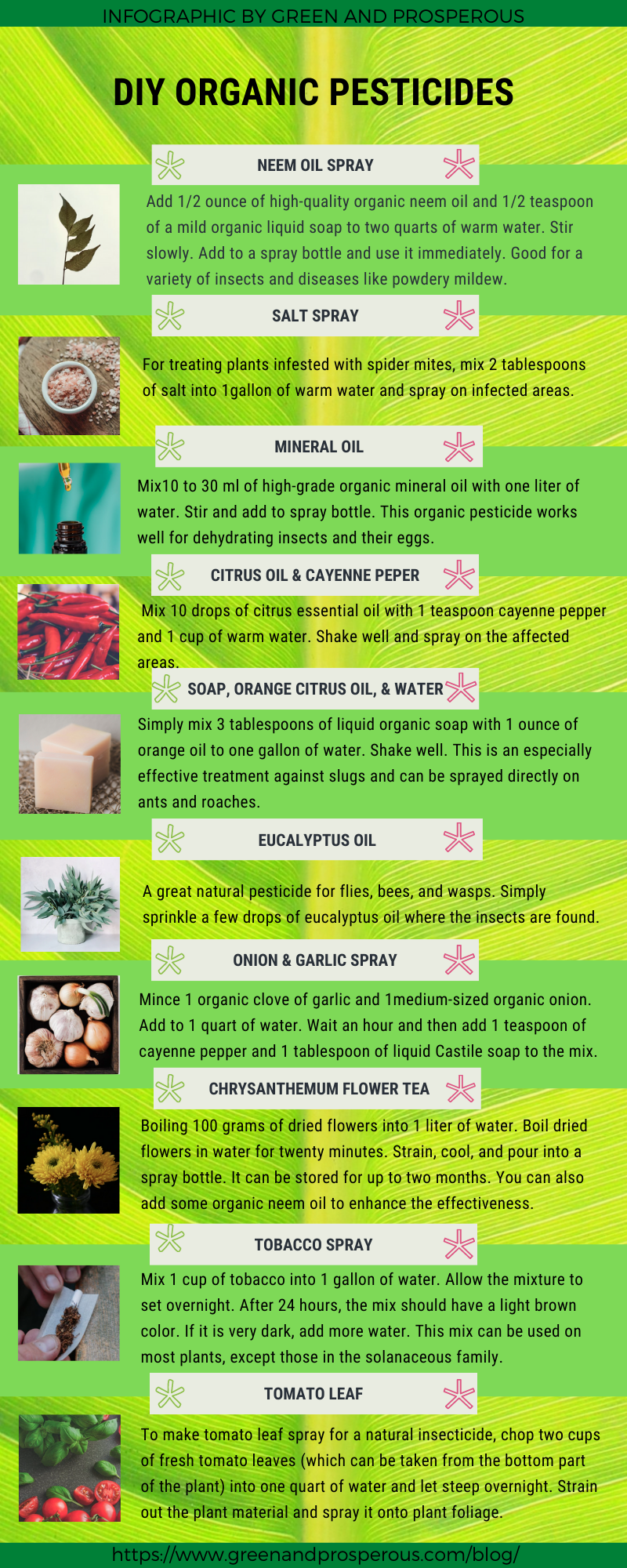
What makes these organic sprays so effective? It’s all about understanding how pests and diseases interact with plant surfaces. Many natural ingredients work by either repelling insects, disrupting their life cycles, or creating an environment where harmful fungi struggle to survive. Neem oil, for example, contains compounds that interfere with insect feeding and reproduction. Garlic and onion extracts create strong odors that pests find unbearable. The key isn’t just using the right ingredients, but timing them correctly and applying them consistently. Think of it like cooking—ingredients matter, but technique makes all the difference.
Basic Ingredients You Already Have
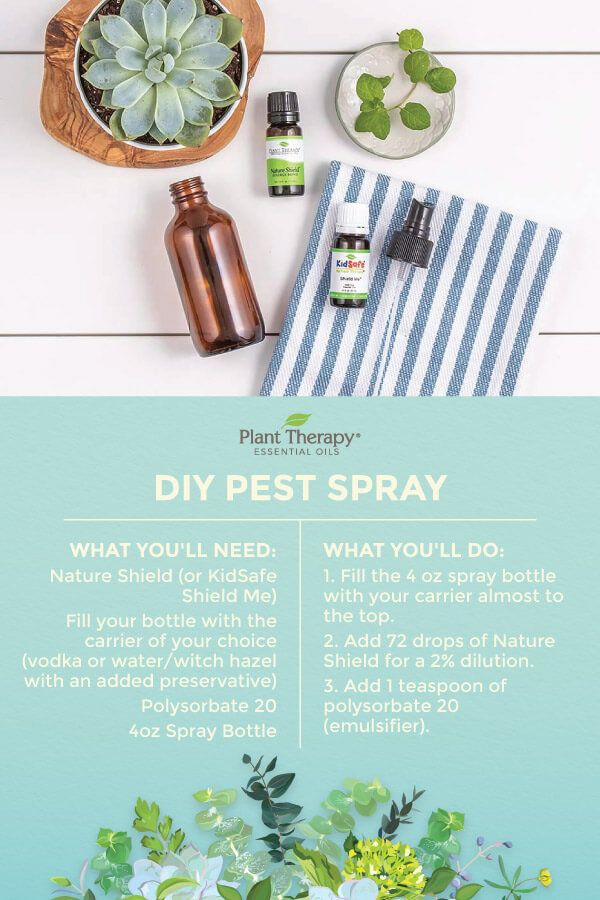
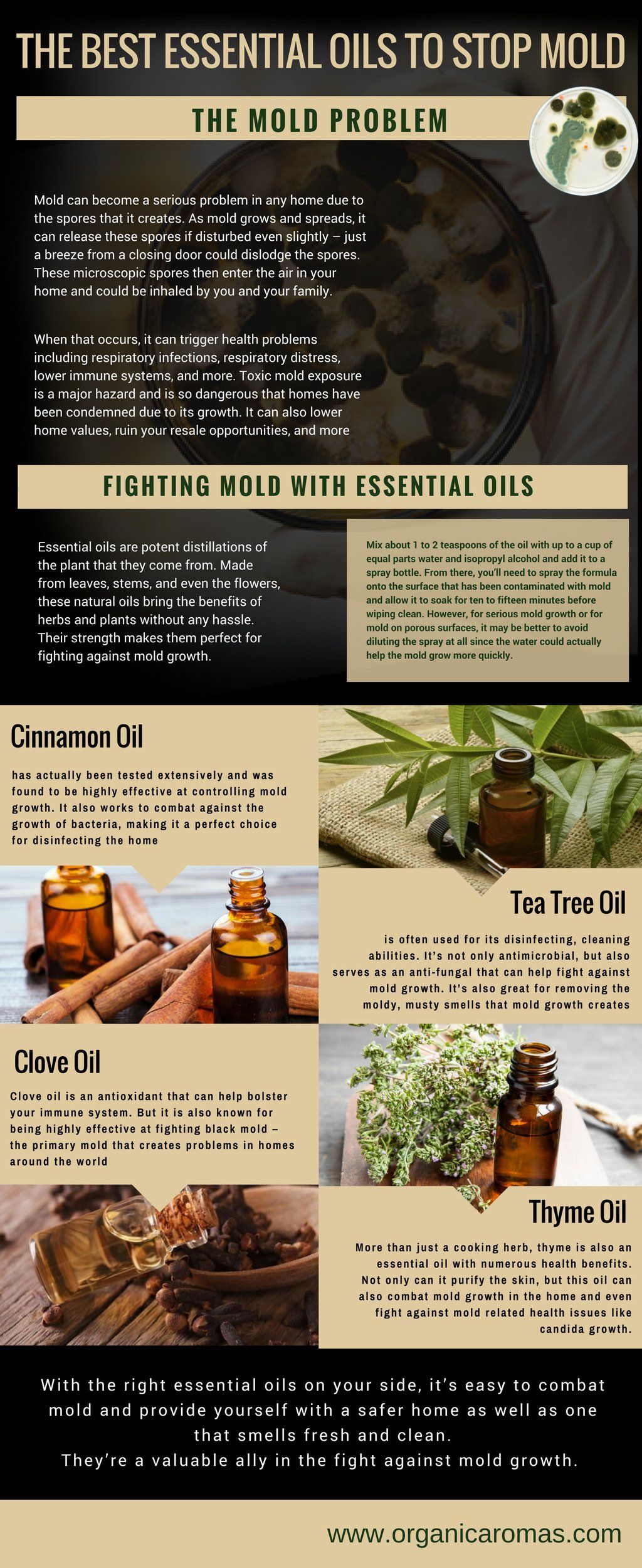
Before diving into complex recipes, let’s talk about what you probably already have at home. White vinegar, water, and dish soap form the foundation of many effective sprays. Apple cider vinegar works slightly differently and is gentler on plants. Essential oils like peppermint, rosemary, and citrus provide both pest-repelling properties and antimicrobial benefits. Garlic powder and crushed garlic cloves offer powerful insecticidal qualities. Even common items like coffee grounds and eggshells can play roles in garden protection. The beauty of these sprays is that they’re affordable, readily available, and often forgotten treasures in our kitchens.
The Most Effective Homemade Spray Recipes
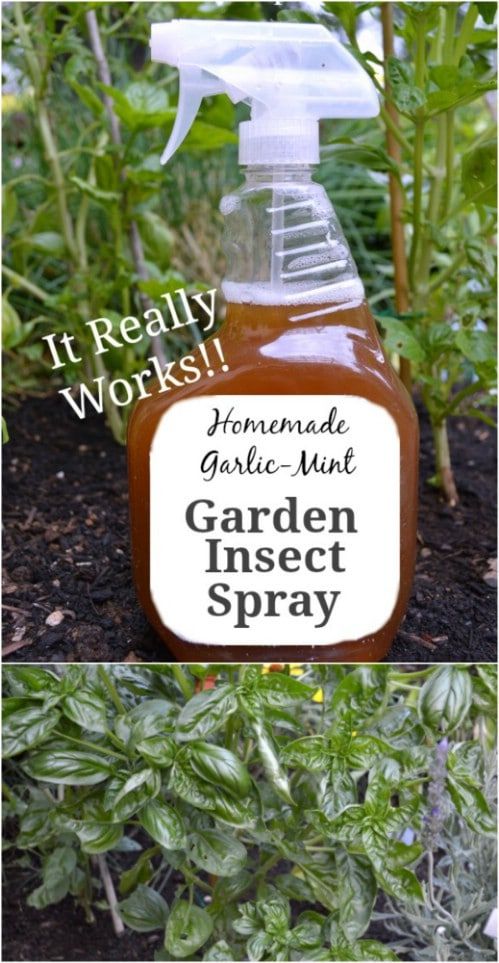
Let’s get practical with some proven formulas. Start with the classic soap spray—mix one tablespoon of liquid dish soap with one quart of water. This works wonders against soft-bodied insects like aphids and whiteflies. For a stronger deterrent, try the garlic spray: crush several cloves, add them to water, let steep for 24 hours, then strain and add a small amount of dish soap. A mixture of neem oil, water, and mild soap creates a broad-spectrum solution that fights everything from spider mites to fungal infections. Don’t forget about the compost tea spray, which introduces beneficial microbes that compete with harmful pathogens. Each recipe has its place, and knowing when to use each one is half the battle.
Timing and Application Techniques
Here’s where many gardeners miss the mark. Applying a spray at the wrong time can mean wasted effort and potential plant damage. Early morning is generally best for most applications, as it gives the spray time to dry before the heat of the day. Avoid spraying during direct sunlight or when temperatures exceed 85°F. The key is thorough coverage—every leaf needs to be sprayed, not just the obvious problem areas. Light misting works better than heavy drenching. Also, remember that these sprays work best as prevention rather than cure. Regular monitoring and early intervention typically yield better results than dramatic last-minute fixes. Some sprays may need reapplication every few days depending on weather conditions and pest pressure.
Safety Considerations and Plant Compatibility
While these sprays are natural, they’re still chemicals that can harm plants if misused. Always test a small area first, especially with new recipes or sensitive plants. Some ingredients, like essential oils, can burn leaves if concentrated too heavily. Neem oil should be avoided during flowering periods to protect pollinators. Never spray directly on flowers or buds unless the product specifically states it’s safe for blooms. Be aware that some sprays may affect beneficial insects like ladybugs and bees if applied incorrectly. Timing matters here too—apply when beneficial insects are less active, usually early morning or late evening. Also, keep in mind that even organic sprays should be stored properly and used within a reasonable timeframe to maintain effectiveness.
Troubleshooting Common Issues
Even the best homemade sprays sometimes fall short. If your spray seems ineffective, consider whether you’re targeting the right pests or applying at the right time. Sometimes, what looks like an infestation might actually be a nutrient deficiency or environmental stress. Over-application can cause leaf burn, while under-application might not provide enough protection. Weather plays a big role too—rain can wash away treatments quickly, requiring reapplication. Some plants are particularly sensitive to certain ingredients, so always check compatibility lists or do small tests first. Remember that persistence matters—pests don’t disappear overnight, and natural solutions often require multiple applications to see lasting results.
Garden sprays made from simple household ingredients aren’t just a passing trend—they’re proven tools that can transform your gardening approach. They’re cost-effective, environmentally friendly, and often more effective than their commercial counterparts because you know exactly what’s in them. The key is experimentation, patience, and learning from experience. Try different combinations, pay attention to how your plants respond, and adjust your approach accordingly. Your garden will thank you for taking this natural path to pest control. Plus, there’s something deeply satisfying about knowing that you’re protecting your plants with ingredients that are both familiar and friendly to the environment around them. Every successful spray becomes a small victory in your ongoing garden journey.