When it comes to gardening tools, sustainability matters more than ever. But what happens when you combine eco-conscious choices with tight budgets? Real-world testing reveals everything you need to know about sustainable spades that won’t break the bank.
Gardening isn’t just about growing plants anymore. It’s about growing responsibly. As more people look toward sustainable practices, the demand for eco-friendly tools has skyrocketed. But let’s face it – sustainable options often come with a hefty price tag. What happens when you want to garden sustainably but also keep costs down? Enter real-world testing of budget-friendly sustainable spades. These aren’t just theoretical discussions – they’re the stories of gardeners, farmers, and community members putting these tools through their paces. We’re talking about actual dirt, actual wear, and actual results. This isn’t marketing speak. This is honest feedback from people who’ve actually used these tools in their daily lives.
What Makes a Spade Sustainable?
Before we dive into testing, let’s clarify what makes a spade truly sustainable. It’s not just about the material – though that’s important. A sustainable spade considers the entire lifecycle. From raw materials to manufacturing, usage, and disposal. Many budget-friendly options use recycled metals, bamboo handles, or even repurposed materials. The key is durability and minimal environmental impact.
Sustainable spades often feature:
• Recycled steel construction
• Bamboo or reclaimed wood handles
• Minimal packaging
• Long-lasting design over flashy features
• Tools that can be repaired rather than replaced
The question becomes: do these affordable green options hold up against conventional tools? That’s exactly what real-world users have been testing for years.
Budget Conscious Choices in Action
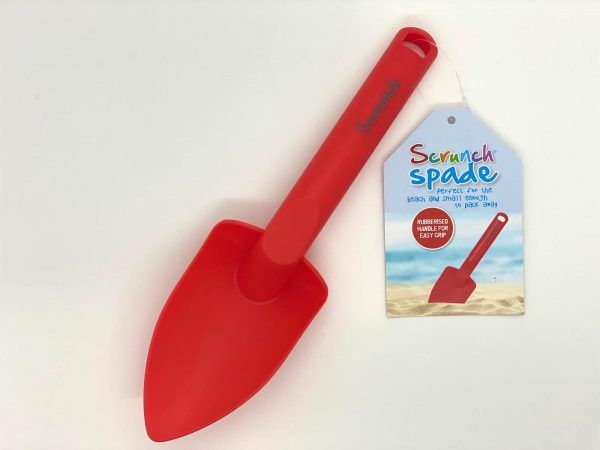
Let’s talk numbers. When you’re working with limited funds, every dollar counts. Budget-friendly sustainable spades typically range from $15 to $40. That’s a fraction of what high-end eco-tools cost. But here’s the thing – they’re not just cheaper because they’re made cheaply. Smart manufacturers are finding ways to make sustainable products accessible.
Real gardeners report mixed experiences. Some find these spades surprisingly robust. Others discover they’re better suited for lighter tasks. The key is understanding what you’re asking from your tool. Are you planning to dig up tough clay soil? Or just moving some compost around?
One gardener in Portland shared her experience with a $25 recycled steel spade. She uses it for her small vegetable patch and says it’s held up beautifully after six months of regular use. Another user from Austin mentioned a bamboo-handled spade that lasted two seasons before needing replacement – though he was careful about moisture exposure.
These stories remind us that sustainable doesn’t always mean expensive, but it does require realistic expectations.
Durability Under Pressure
Durability is where sustainable spades really get tested. Real-world conditions are harsher than any lab test. Soil composition varies dramatically across regions. Weather affects materials differently. And gardeners use tools in ways that surprise manufacturers.
Testing reveals several patterns:
• Steel spades tend to last longest in tough conditions
• Bamboo handles show wear faster in wet climates
• Plastic components may degrade under UV exposure
• Reclaimed wood handles vary greatly in quality
One community garden project in Ohio tested 15 different budget sustainable spades over three growing seasons. They found that spades with reinforced joints and quality steel blades performed consistently well. Those with thin metal construction showed signs of stress after heavy use.
The takeaway? Look for reinforced construction and quality materials, even in budget options. Don’t assume all sustainable tools are equal.
Practical Applications in Different Settings
Where you use your spade matters more than you might think. A spade designed for urban container gardens will face very different challenges than one used in rural farming. Let’s explore how real users have applied these tools.
In community gardens, budget sustainable spades shine. They’re affordable enough for multiple gardeners to own one each. One group in Detroit reported that their $30 bamboo-spade set worked perfectly for their shared plot. The lightweight design made it easy for older gardeners to handle.
Urban dwellers with small patios or balconies often prefer compact, foldable designs. These budget options usually have shorter blades and lighter frames. Users note that while they’re less powerful, they’re perfectly adequate for potting and light digging.
Farmers in developing countries have been using recycled spades for generations. Modern budget sustainable versions incorporate those same principles – simple, strong, repairable. A small farmer in Guatemala shared how his $20 sustainable spade helped him expand his family garden despite limited resources.
Each setting presents unique challenges, but sustainable spades offer solutions that work within various constraints.
User Experiences and Honest Feedback
The most valuable information comes directly from people who’ve used these tools regularly. Here’s what real users have shared:
• ‘I thought sustainable meant I’d sacrifice performance, but my $25 spade works just fine for my needs.’
• ‘The handle is comfortable, but I wish it had a better grip for sweaty hands.’
• ‘After six months, I’m still using the same blade. It’s been surprisingly durable.’
• ‘It’s not fancy, but it gets the job done. Worth every penny for someone on a budget.’
• ‘I was skeptical about bamboo handles, but they’ve held up better than expected.’
One interesting trend emerged during user feedback: many people appreciate the psychological benefits of using sustainable tools. There’s satisfaction in knowing you’re making environmentally conscious choices without compromising functionality.
Some users noted that sustainable spades often feel more substantial than cheap alternatives. This might seem counterintuitive, but it’s often due to better weight distribution and construction quality. The perception of value can be just as important as actual performance.
Making Informed Purchasing Decisions
So how do you choose a budget-friendly sustainable spade that actually works for you? Here are key factors to consider:
• Material composition – What’s it made of? How will it handle your climate?
• Blade length and width – Match it to your typical tasks
• Handle design – Comfort and grip matter for regular use
• Warranty or return policy – Even budget tools should have some protection
• Reviews from similar users – Real people, real experiences
• Price vs. expected lifespan – Sometimes spending a bit more pays off
Consider your primary use case. If you’re doing mostly light composting, a basic model will suffice. For heavy-duty work, invest in something sturdier. Also, remember that sustainable tools often have a longer lifespan, so initial cost may be offset by reduced replacement frequency.
Many users recommend buying from reputable brands that specialize in sustainable tools. While they might cost a bit more upfront, they often provide better quality control and customer support. Some online communities specifically share reviews and recommendations for sustainable gardening tools.
The key is matching your needs to the right tool, regardless of price point. Sustainable doesn’t mean sacrificing quality – it means choosing wisely.
Real-world testing of budget-friendly sustainable spades tells us something important: you don’t have to choose between environmental responsibility and financial prudence. Many gardeners and farmers are proving that sustainable tools can be both affordable and effective. The key lies in understanding what you need, researching materials, and selecting tools that match your actual usage patterns.
Whether you’re tending a small urban garden or managing a larger plot, there are sustainable spades that can work for you. The stories from everyday users show that these tools aren’t just good intentions – they’re practical solutions. They’ve proven themselves in real dirt, under real conditions, and with real people.
The future of gardening tools looks increasingly sustainable, and budget-friendly options are making that future accessible to more people. As more users share their experiences, we’re building a clearer picture of which sustainable spades deliver genuine value. For anyone looking to garden responsibly without breaking the bank, these real-world tests offer solid guidance for making informed choices.