Every gardener knows the frustration of watching their plants get eaten alive overnight. The culprit isn’t always a hungry deer or raccoon – sometimes it’s something much smaller that makes itself at home in your garden. But here’s the good news: there are ways to protect your plants without resorting to harsh chemicals. These natural methods have been tested by gardeners across the country and actually deliver results.
The battle against garden pests can feel overwhelming. Every spring, gardeners face the same challenge: how to keep their plants healthy while avoiding the toxic effects of chemical pesticides. The truth is, nature provides us with powerful tools to fight these invaders. From beneficial insects that eat harmful bugs to companion planting that deters pests naturally, there are many effective approaches. What matters most is understanding which methods work for your specific situation and knowing when to apply them. Let’s explore the tried-and-true natural solutions that really make a difference.
Beneficial Insects: Nature’s Little Soldiers
One of the most powerful allies in any gardener’s arsenal are beneficial insects. These tiny warriors don’t just look cute – they’re serious pest fighters. Ladybugs, for instance, can consume hundreds of aphids in their lifetime. Lacewings are another excellent choice, eating both aphids and caterpillars. You might wonder why these insects don’t attack your plants directly. The answer lies in their diet and behavior. They’re programmed to hunt specific pests, leaving your vegetables and flowers alone.
Creating habitat for these helpful creatures is simple. Plant flowering herbs like dill, fennel, and yarrow near your garden beds. These plants provide nectar and pollen that attract beneficial insects. Avoid spraying broad-spectrum pesticides, which kill both good and bad bugs. Instead, focus on creating a welcoming environment where these natural predators can thrive. Many gardeners find success by purchasing beneficial insects online or from local nurseries during early spring when pest populations are still low.
Companion Planting: The Smart Garden Strategy
Companion planting is one of the oldest gardening techniques, but it remains remarkably effective. This method involves growing different plants together that benefit each other. For example, marigolds release compounds that repel nematodes and other soil-dwelling pests. Basil planted next to tomatoes can deter hornworms and flies. The science behind this practice isn’t magic – it’s about creating natural barriers and confusing pests with different scents and textures.
Some combinations work better than others. Consider planting garlic among your roses to prevent aphid infestations. Plant nasturtiums around the edges of your vegetable garden to attract aphids away from your main crops. The key is matching plant characteristics with pest problems. If you’re dealing with cabbage worms, try planting herbs like thyme or rosemary nearby. These aromatic plants interfere with the pests’ ability to locate their preferred food sources.
Physical Barriers and Traps: Direct Protection
Sometimes the best defense is a good offense, and physical protection often works wonders. Row covers made from lightweight fabric can shield plants from flying insects while still allowing air and water through. These covers are particularly useful for protecting young seedlings from flea beetles and other tiny pests.
Other physical methods include copper tape around planters to stop slugs and snails, or placing collars around individual plants to prevent cutworm damage. Diatomaceous earth creates a sharp barrier that cuts soft-bodied insects like aphids and caterpillars. The powder is harmless to humans and pets but deadly to pests that crawl over it. Just remember to reapply after rain or watering.
Traps can be surprisingly effective too. Sticky traps hung at eye level catch whiteflies and fungus gnats. Beer traps work wonderfully for slugs and snails – place shallow dishes filled with beer around affected areas. These aren’t just gimmicks; they’re proven methods that many gardeners swear by.
Organic Sprays and Solutions: Quick Fixes for Common Problems
When pests strike suddenly, organic sprays can provide immediate relief. Neem oil is perhaps the most versatile option, affecting multiple pest types including aphids, spider mites, and whiteflies. It works by disrupting the feeding and reproductive cycles of these insects. Apply it in early morning or late evening to avoid burning plants in direct sunlight.
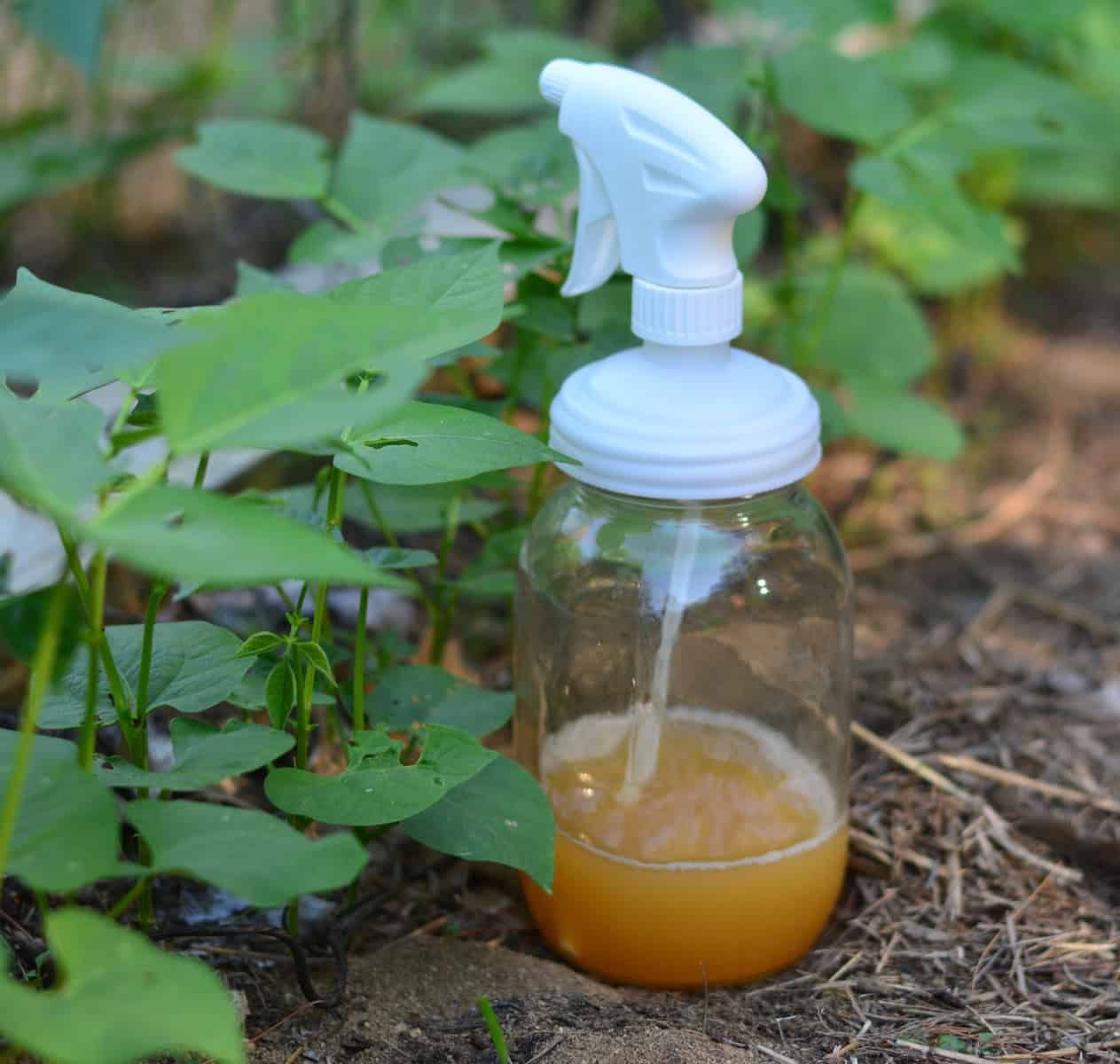
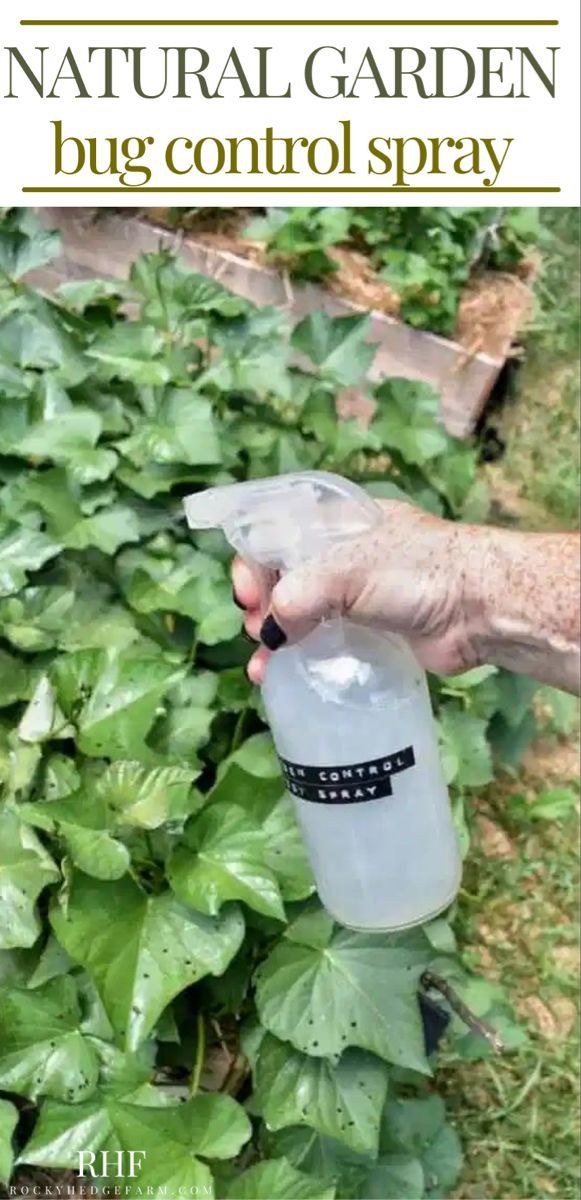
Soap sprays made from mild dish soap and water are excellent for controlling soft-bodied insects like aphids and scale. Mix one tablespoon of liquid soap per quart of water and spray thoroughly on affected leaves. The soap breaks down the protective waxy coating on these pests, causing them to dehydrate and die.
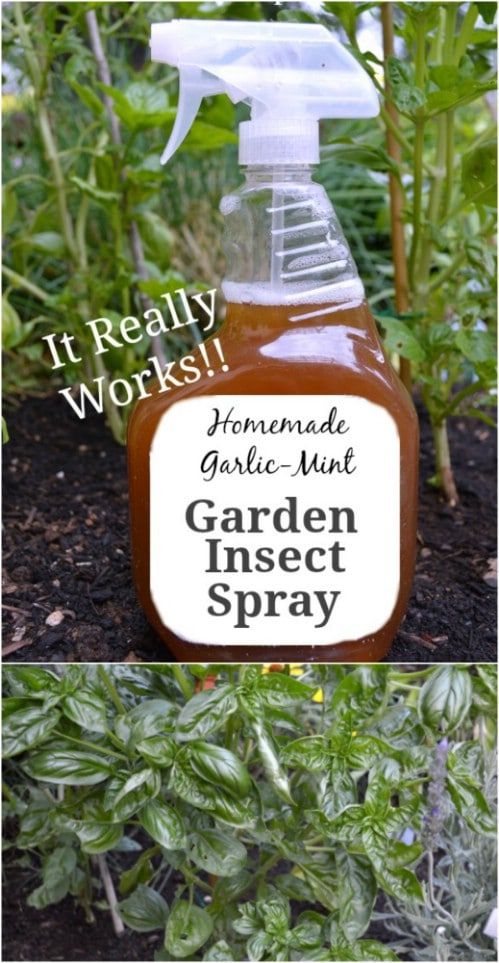
Garlic and hot pepper sprays offer additional options. These homemade concoctions use the natural compounds found in these ingredients to repel pests. While they may require more frequent application, they’re gentle on beneficial insects and safe for use around children and pets. Always test new sprays on a small area first to ensure they don’t harm your plants.
Crop Rotation and Garden Hygiene: Prevention Strategies
Prevention often beats treatment when it comes to pest management. Crop rotation means changing where you plant certain families of vegetables each year. Tomatoes, peppers, and eggplants belong to the nightshade family – rotating these crops prevents the buildup of soil-borne pests and diseases. Similarly, rotating legumes like beans and peas helps maintain soil health while reducing pest pressure.
Good garden hygiene is equally important. Remove diseased plant material immediately to prevent pest spread. Clean tools regularly to avoid transferring pests between plants. Keep garden debris to a minimum since many pests overwinter in dead plant matter. A tidy garden is a healthier garden.
Another crucial factor is timing. Planting in succession rather than all at once spreads out pest pressure. If you’re growing squash, for example, plant some seeds every week or two instead of all at once. This approach reduces the chance that pests will find enough food to establish large populations.
Understanding Your Specific Pest Problems
No two gardens are exactly alike, which means pest solutions must be tailored to your particular situation. The first step is identifying what’s actually attacking your plants. Is it aphids, caterpillars, slugs, or something else entirely? Different pests require different approaches.
Keep a garden journal to track when problems occur and which methods work best. Some gardeners find that certain times of year are more problematic than others. For instance, Japanese beetles tend to appear in late summer, while aphids often become active in spring.
Consider consulting local extension offices or experienced gardeners in your area. They know which pests are common in your region and which natural controls are most effective. What works perfectly in Florida might not work well in Minnesota. Local knowledge is invaluable when choosing pest control strategies.
Natural pest control isn’t just a trend – it’s a sustainable way to keep your garden thriving. These methods work because they work with nature rather than against it. By combining several approaches, gardeners can create a robust defense system that protects plants while supporting beneficial insects and maintaining soil health. The key is starting with prevention and being ready to adapt when problems arise. Whether you choose to attract helpful insects, use companion planting, or apply organic sprays, the most successful gardeners are those who stay observant and patient. Remember, gardening is a learning process, and what works today might need adjustment tomorrow. The important thing is staying committed to protecting your garden in ways that are safe for your family, pets, and the environment.