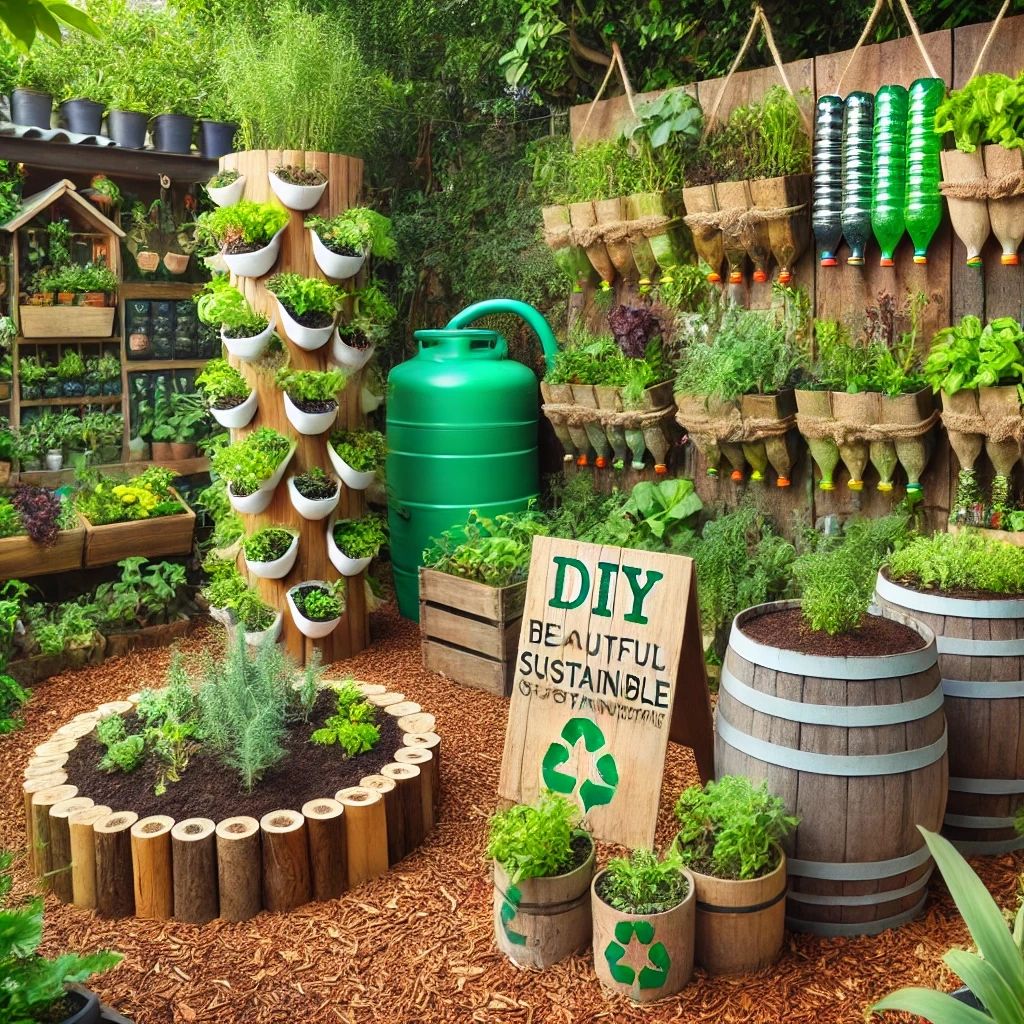
Imagine stepping into your apartment and seeing lush greenery cascading down the walls. No, this isn’t some futuristic fantasy – it’s happening right now in cities worldwide. Vertical gardens are changing how we think about growing food and plants in the smallest of spaces. What started as a clever hack for urban dwellers has become a full-blown movement that’s reshaping our relationship with nature, even when we have less than a square foot to work with.
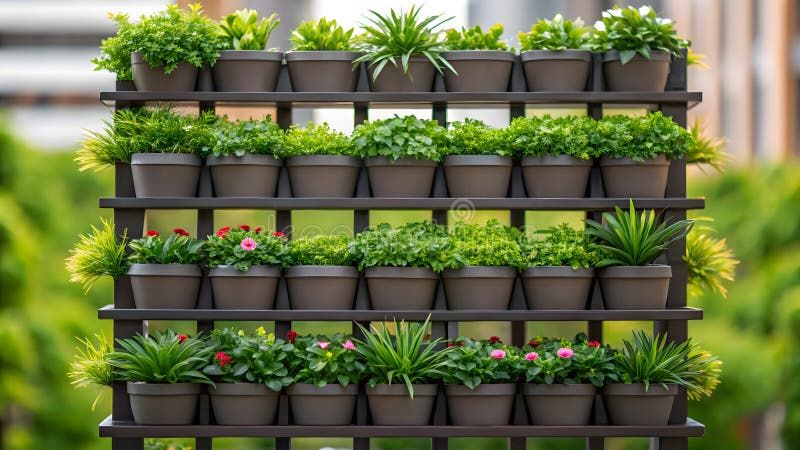
We all want to grow something – whether it’s herbs for our kitchen, vegetables for our table, or just pretty flowers to brighten our day. But what happens when you live in a studio apartment, a tiny house, or a city flat with no yard? You might think gardening is impossible, but you’d be wrong. Enter the vertical garden tool kit eco – a game-changer that turns walls, fences, and even ceilings into thriving green zones. These aren’t just pretty decorations; they’re practical solutions that make gardening possible in places where it seemed impossible before. Think about it – if you could grow your own food on a small balcony, or even inside your home, wouldn’t that change everything?
The Rise of Urban Gardening
Cities have always been challenging for gardeners. Concrete jungles with limited soil and sunlight seem like the opposite of what plants need to thrive. But here’s the thing – urban gardeners are getting creative. They’ve discovered that vertical gardening works perfectly in tight spots. The trend isn’t new, but it’s exploded recently. In New York City alone, over 100,000 people are now growing food vertically. That’s more than half the population of some small towns! This shift means that people who never thought they had space for a garden suddenly do. It’s not just about having a few pots on a windowsill anymore. It’s about maximizing every inch of available space. Vertical gardens offer more than just visual appeal; they provide fresh produce, better air quality, and a sense of connection to nature that many city dwellers crave. What used to be a luxury for those with large yards is now a practical reality for anyone with a wall or fence to work with.
How Vertical Garden Kits Work
Vertical garden tool kits are clever little systems designed to make gardening easy and efficient. Instead of digging in soil, you’re working with modular components that stack or hang vertically. Think of them like building blocks – each piece fits together to create a complete growing system. Most kits come with everything you need: growing containers, water reservoirs, drainage systems, and sometimes even plant supports. The magic happens in the design. Water flows through the system, reaching each plant evenly. Nutrients travel down to the roots, making sure nothing gets left behind. Some systems use hydroponics, while others rely on traditional soil-based methods. The beauty of it is that you don’t need a green thumb to get started. The kits guide you through every step, from setting up your first plant to harvesting your first crop. They’re designed for people who want to garden but don’t have time to learn complex techniques. What’s even better is that you can start simple and expand later. If one vertical garden works well, you can add more sections or move to a larger setup.
Benefits Beyond the Garden
The advantages of vertical gardening go far beyond having fresh vegetables on your plate. These systems create micro-environments that improve indoor air quality. Plants naturally filter toxins from the air, and with more plants packed into a small area, the effect is amplified. Many people report feeling calmer and more focused when surrounded by greenery. Studies show that having plants nearby can reduce stress levels by up to 30%. There’s also the psychological benefit of watching something grow. It creates a sense of accomplishment and connection to life cycles. People often describe their vertical gardens as their ‘green therapy.’ The practical benefits are huge too. You save money on groceries, especially when growing herbs and vegetables that are expensive at the store. You also gain control over what goes into your food. No pesticides, no chemicals – just pure, fresh produce. For those with allergies, having plants indoors can actually help reduce airborne allergens. Plus, there’s something deeply satisfying about being able to grow your own food, even in a small space. It gives people agency in a world where so much feels out of their control.
Choosing the Right System for Your Space
Not all vertical garden kits are created equal. The key is matching the system to your specific needs and space. First, consider how much light you have available. Some plants need full sun, while others thrive in shade. If you’re planning to grow vegetables, you’ll need at least 6 hours of direct sunlight daily. If you’re using artificial lights, make sure your kit can accommodate them. Next, measure your available space carefully. Will you mount it on a wall or place it freestanding? Do you have enough room for the system to grow? Consider how much maintenance you’re willing to put in. Some systems require daily watering, while others are designed for minimal upkeep. Budget matters too. While basic kits start around $50, high-end systems can cost several hundred dollars. Look for features like easy access for watering, good drainage, and durability. Don’t forget to think about what you want to grow. Herbs, leafy greens, and small fruits work best in vertical systems. Larger vegetables like tomatoes may need more space and support. It’s also worth considering how the garden will fit into your lifestyle. If you travel frequently, you’ll want something that can survive without daily attention. The right kit makes gardening feel effortless rather than overwhelming.
Real-Life Success Stories
The transformation stories from vertical garden users are inspiring. Maria, a single mother in Los Angeles, turned her small balcony into a thriving herb garden using a vertical kit. She now grows basil, parsley, and cilantro year-round, saving hundreds on grocery bills. Her kids love helping with the garden, creating a bonding experience that never would have happened otherwise. In Tokyo, a family of four uses a vertical garden system in their tiny apartment kitchen to grow lettuce, spinach, and cherry tomatoes. They’ve reduced their vegetable spending by 70% and have fresh produce available all year round. In Portland, a retired teacher transformed her front porch into a colorful vertical garden that attracts hummingbirds and butterflies. She shares her harvest with neighbors and has made new friends through gardening. These aren’t just isolated cases – they represent a growing trend of people finding creative ways to live sustainably. The common thread? These gardeners didn’t let space limitations stop them. They found solutions that worked for their lives and their goals. Each story shows how a simple tool kit can unlock possibilities that seemed impossible before.
Making It Work for Any Lifestyle
Whether you’re a busy professional, a student, or someone juggling multiple responsibilities, vertical gardens can fit into almost any routine. For those with limited time, look for low-maintenance options. Many modern kits feature self-watering systems that eliminate daily watering tasks. Others use smart sensors that tell you when plants need attention. The key is starting small and building gradually. Begin with just a few plants and a simple system. As you gain confidence, you can expand your setup. Consider seasonal changes too. Some plants grow better in certain conditions, so plan accordingly. Winter vegetables like kale and Brussels sprouts do well in cooler temperatures, while summer crops like peppers and tomatoes need warmth. Integration with existing spaces is another advantage. A vertical garden can be part of a room’s design, adding color and texture. Many people find that their vertical gardens become focal points in their homes. They’re not just functional – they’re beautiful additions to any space. Even if you don’t have a dedicated gardening spot, you can still participate in this growing movement. The flexibility of vertical systems means that anyone can join the gardening revolution, regardless of their living situation.
Vertical garden tool kits eco are more than just trendy accessories – they’re practical solutions that are democratizing gardening. These systems prove that size doesn’t matter when it comes to growing things. Whether you have a tiny balcony, a small apartment, or just a few inches of wall space, you can create a thriving garden. The impact extends beyond individual benefits. When more people grow their own food, we build stronger communities, reduce environmental impact, and create healthier living environments. These kits aren’t just changing how we garden – they’re changing how we think about our relationship with space and nature. The future of gardening looks vertical, and it’s more accessible than ever before. If you’ve ever dreamed of growing something but felt limited by space, it’s time to reconsider what’s possible. Start small, think big, and watch how your perspective on gardening – and life – transforms.