Imagine stepping into a garden where every plant thrives, where water flows efficiently, and where your growing journey leaves a positive footprint on the environment. That’s what sustainable hydroponic systems can offer. But choosing the right tools isn’t just about getting things done—it’s about making smart decisions that support both your green thumb and our shared ecosystem.
Hydroponic gardening has transformed how we think about growing plants. Instead of soil, plants grow in nutrient-rich water solutions, allowing for faster growth and better yields. But when you’re starting your hydroponic journey, the choices can feel overwhelming. What tools do you really need? Which ones offer the best balance of efficiency, cost, and environmental responsibility? The truth is, smart choices in your starter toolkit can make all the difference between a struggling garden and a thriving one. Let’s explore how to make informed decisions that benefit both your plants and the planet.
Understanding Sustainable Hydroponic Systems
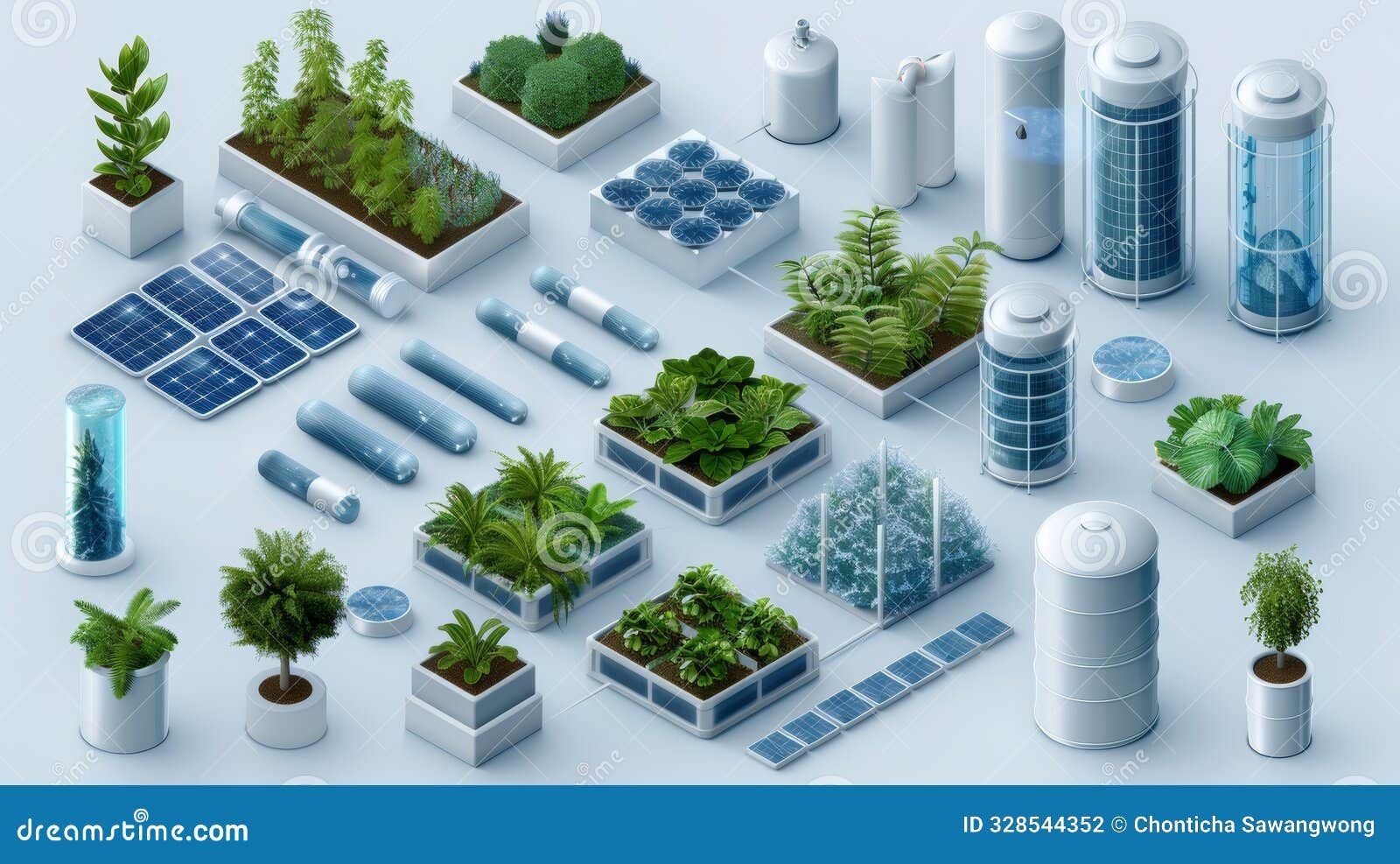
Sustainable hydroponics goes beyond just growing plants without soil. It’s about creating closed-loop systems that minimize waste, conserve resources, and reduce environmental impact. Think of it like a well-designed ecosystem where everything works together harmoniously.
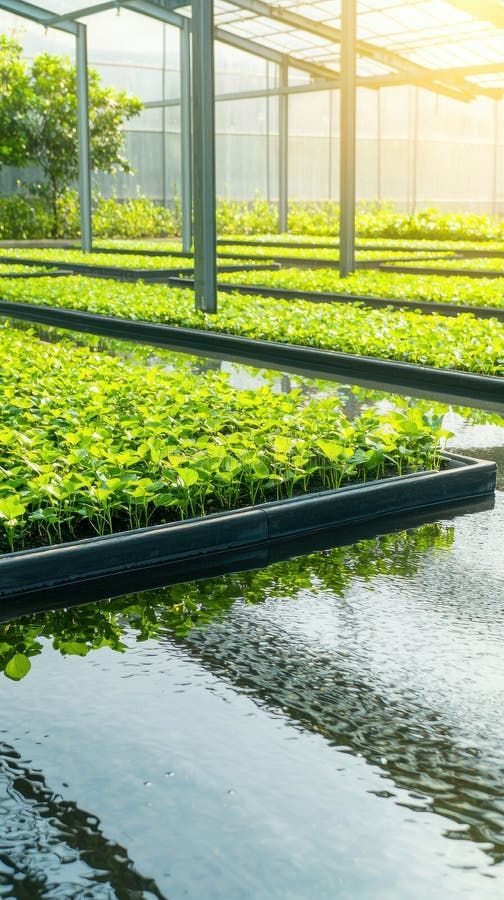
The core principle revolves around water efficiency. Traditional gardening often wastes water through evaporation and runoff. In contrast, hydroponic systems recirculate water, using up to 90% less water than conventional methods. This conservation becomes even more important as climate change affects water availability globally.
Consider the nutrient delivery system too. Sustainable practices focus on using organic nutrients rather than synthetic chemicals. These natural fertilizers break down safely, reducing pollution risks. They also tend to be gentler on plant roots, promoting healthier growth over time.
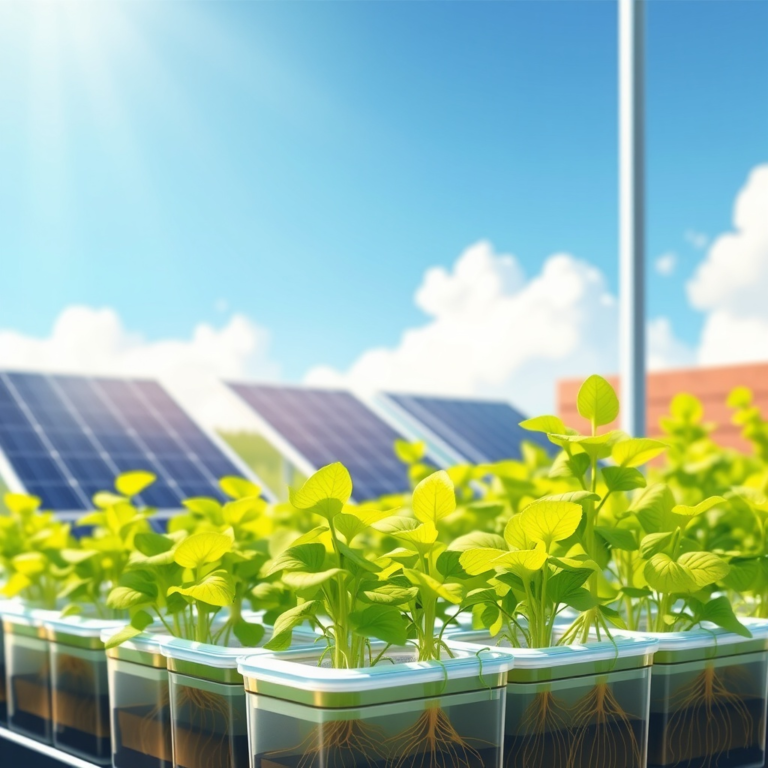
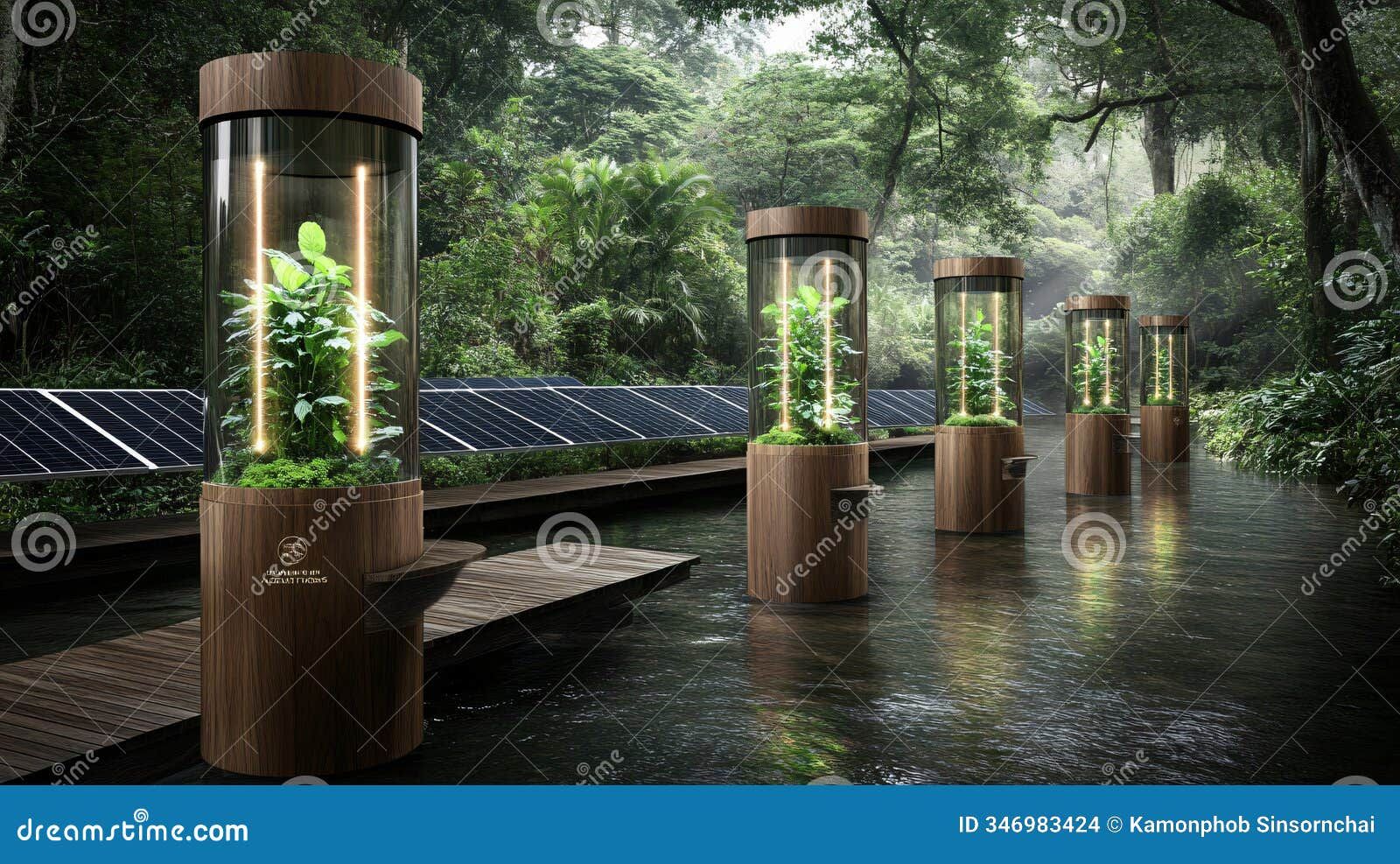
Many sustainable systems incorporate renewable energy sources like solar panels to power pumps and lights. This creates a truly self-sufficient growing environment that operates independently of traditional power grids. It’s a small step that makes a big difference in overall sustainability.
Essential Tools for Your Hydroponic Starter Kit
When building your hydroponic setup, start with the basics. These aren’t just tools—they’re the foundation of your entire system.
• Growing Medium: While many think of soil, hydroponic systems need alternatives like coconut coir, perlite, or rockwool. Choose options that are renewable or recyclable whenever possible. Coconut coir, for example, is made from coconut husks—a waste product that gets repurposed.
• Nutrient Solution: The lifeblood of your system. Look for organic liquid nutrients that come in biodegradable packaging. Some brands even offer concentrated formulas that reduce shipping weight and carbon footprint.
• pH Testing Kit: Plants are very particular about their pH levels. A good testing kit helps you monitor and adjust conditions quickly. Digital meters are more precise than strips, but both work fine for beginners.
• Air Pump and Air Stones: Oxygen is crucial for root health. Without proper aeration, roots suffocate. These simple tools ensure your plant roots stay healthy and active.
• Timer: Automated systems save time and ensure consistency. A simple timer controls lights and pumps, mimicking natural day-night cycles without constant manual intervention.
Choosing Eco-Friendly Materials and Components
Material selection matters more than most people realize. The components you choose have lasting impacts on both your garden and the environment.
Plastic is common, but not always necessary. Many manufacturers now offer components made from recycled materials or bioplastics derived from cornstarch. These alternatives perform just as well as traditional plastics while reducing reliance on petroleum-based products.
Glass containers, though heavier, are incredibly durable and non-toxic. They don’t leach chemicals into your nutrient solution, which is especially important for food crops. Plus, glass is 100% recyclable and can be reused indefinitely.
Consider the source of your materials too. Local suppliers often mean lower transportation emissions. When buying online, look for companies that package items in minimal, recyclable materials.
Even seemingly small details matter—like choosing LED grow lights that consume less energy and last longer than older technologies. These bulbs also produce less heat, reducing cooling needs and further improving efficiency.
Water Conservation Strategies in Hydroponics
Water conservation isn’t just about saving money—it’s about protecting our future. Hydroponic systems already excel at water efficiency, but there are ways to maximize this advantage.
Implementing a closed-loop system means collecting and reusing runoff water. You can set up collection trays under your growing area to capture excess nutrient solution. This water can then be filtered and reused for future plantings.
Rainwater harvesting adds another dimension to your sustainability efforts. Collecting rainwater reduces dependence on municipal supplies and provides naturally soft water that’s ideal for plants. Even small gutters and collection containers can make a meaningful difference.
Temperature control also plays a role. Cooler water holds more dissolved oxygen, which benefits root health. Using shade cloth or positioning systems away from direct sunlight can naturally regulate temperature.
Consider using a water filtration system to remove impurities before they enter your growing environment. This prevents clogging issues and ensures your plants receive clean water.
Energy Efficiency Considerations for Hydroponic Setup
Running a hydroponic system requires electricity, but there are smart ways to minimize consumption without sacrificing performance.
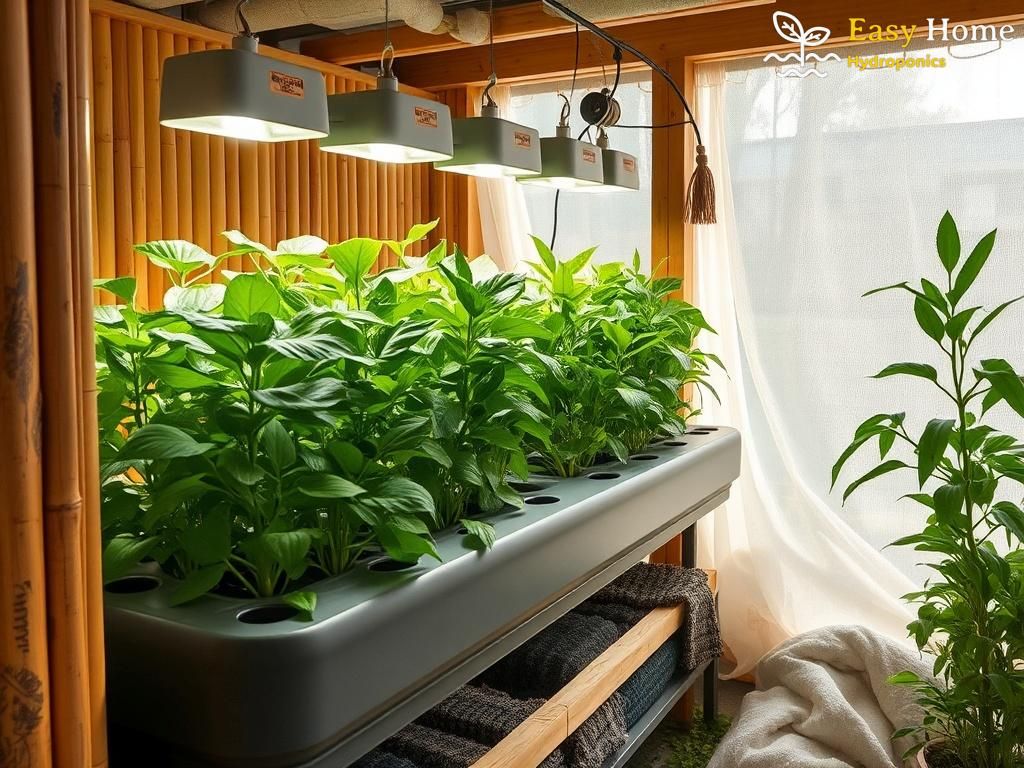
LED lighting technology has revolutionized energy efficiency. Modern LEDs consume up to 75% less energy than traditional fluorescent lights while providing the same light spectrum plants need. Many models offer adjustable intensity settings, allowing you to customize energy use based on plant requirements.
Smart controllers can automatically adjust lighting schedules and intensity based on seasonal changes. These systems use sensors to detect natural light levels and compensate accordingly.
Pump selection matters too. Variable-speed pumps allow you to adjust flow rates according to plant needs. During early growth stages, lower flow rates may suffice, saving energy while still providing adequate circulation.
Solar power integration offers the ultimate in sustainable energy. Small solar panels can power pumps and lights during daylight hours, reducing grid dependency. For larger setups, battery storage systems can provide backup power during cloudy days.
Consider timing your system operations to take advantage of off-peak electricity rates. Running pumps and lights during low-demand periods can significantly reduce costs.
Maintaining Your Sustainable Hydroponic System
A sustainable system isn’t just about initial setup—it’s about ongoing care and attention. Regular maintenance keeps everything running smoothly and extends component lifespan.
Cleanliness is paramount. Residue buildup can affect nutrient absorption and promote harmful bacteria growth. Regular cleaning with mild, organic cleaners prevents these issues. Vinegar and baking soda solutions work well for routine maintenance.
Monitor your system regularly for signs of problems. Early detection of nutrient imbalances, pH shifts, or equipment malfunctions prevents bigger issues later. Keeping a simple logbook helps track patterns and identify trends.
Replace components only when necessary. Many parts, like air stones and filters, can be cleaned and reused multiple times. When replacement is needed, choose parts made from sustainable materials.
Seasonal adjustments are important too. As weather changes, your system may need modifications. During summer months, increased ventilation might be necessary. Winter systems might require additional heating or different lighting schedules.
Community involvement can enhance sustainability. Sharing knowledge, exchanging equipment, or participating in local gardening groups helps everyone learn and improve their practices.
Making smart choices in your hydroponic journey isn’t just about getting better results—it’s about joining a growing movement of gardeners who care about environmental stewardship. Every decision you make, from selecting eco-friendly materials to implementing water conservation strategies, contributes to a more sustainable future. The tools you choose today will influence not just your harvest, but also the health of our planet. Remember, sustainable gardening isn’t about perfection—it’s about progress. Start with small changes, build on what works, and watch as your garden—and your impact—grows stronger with each passing season.