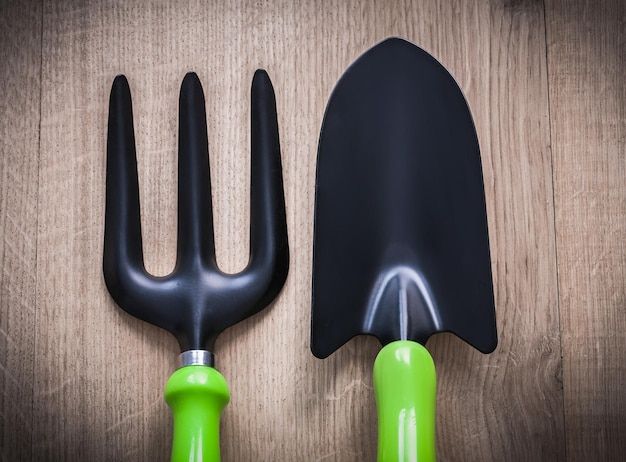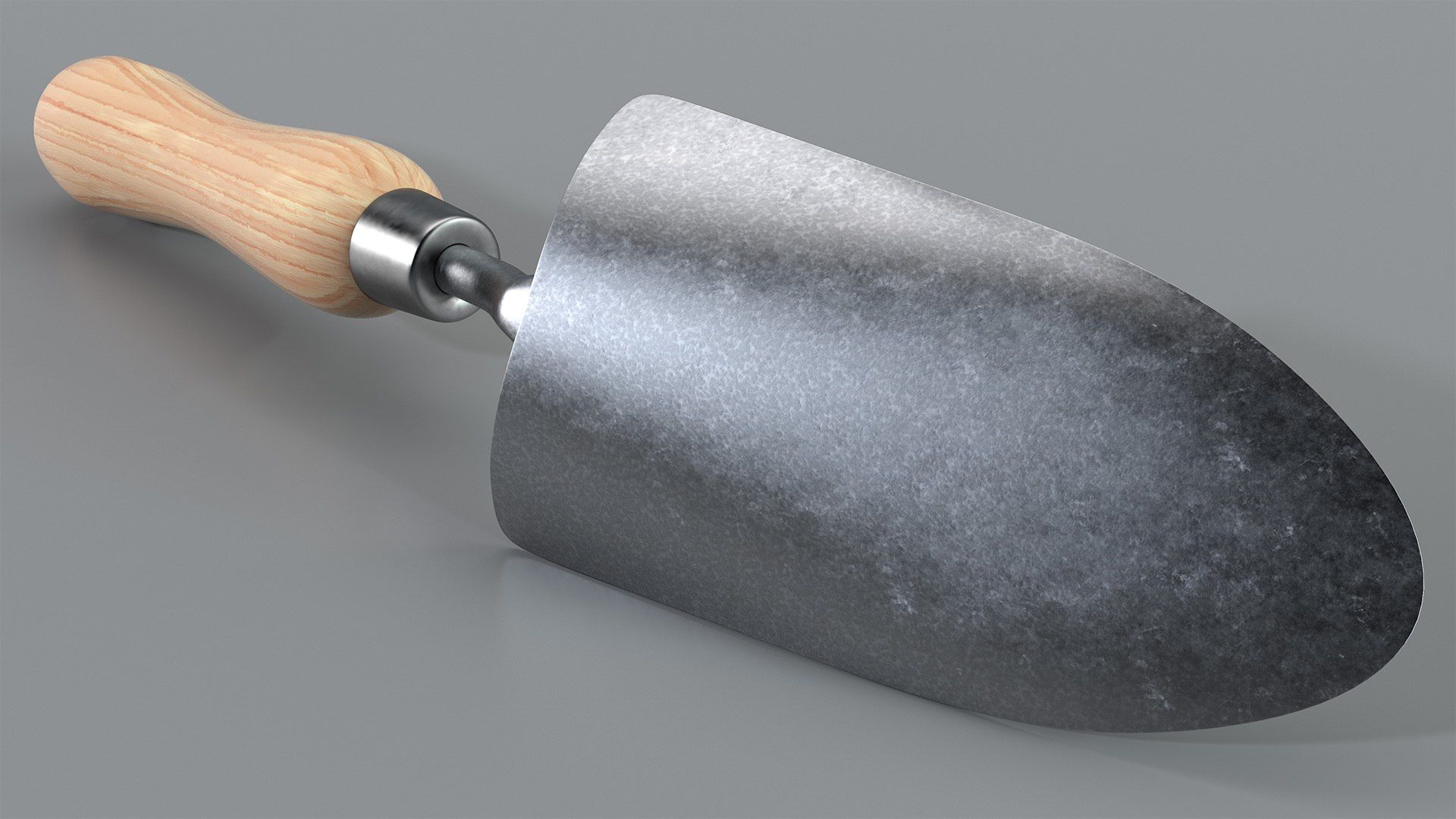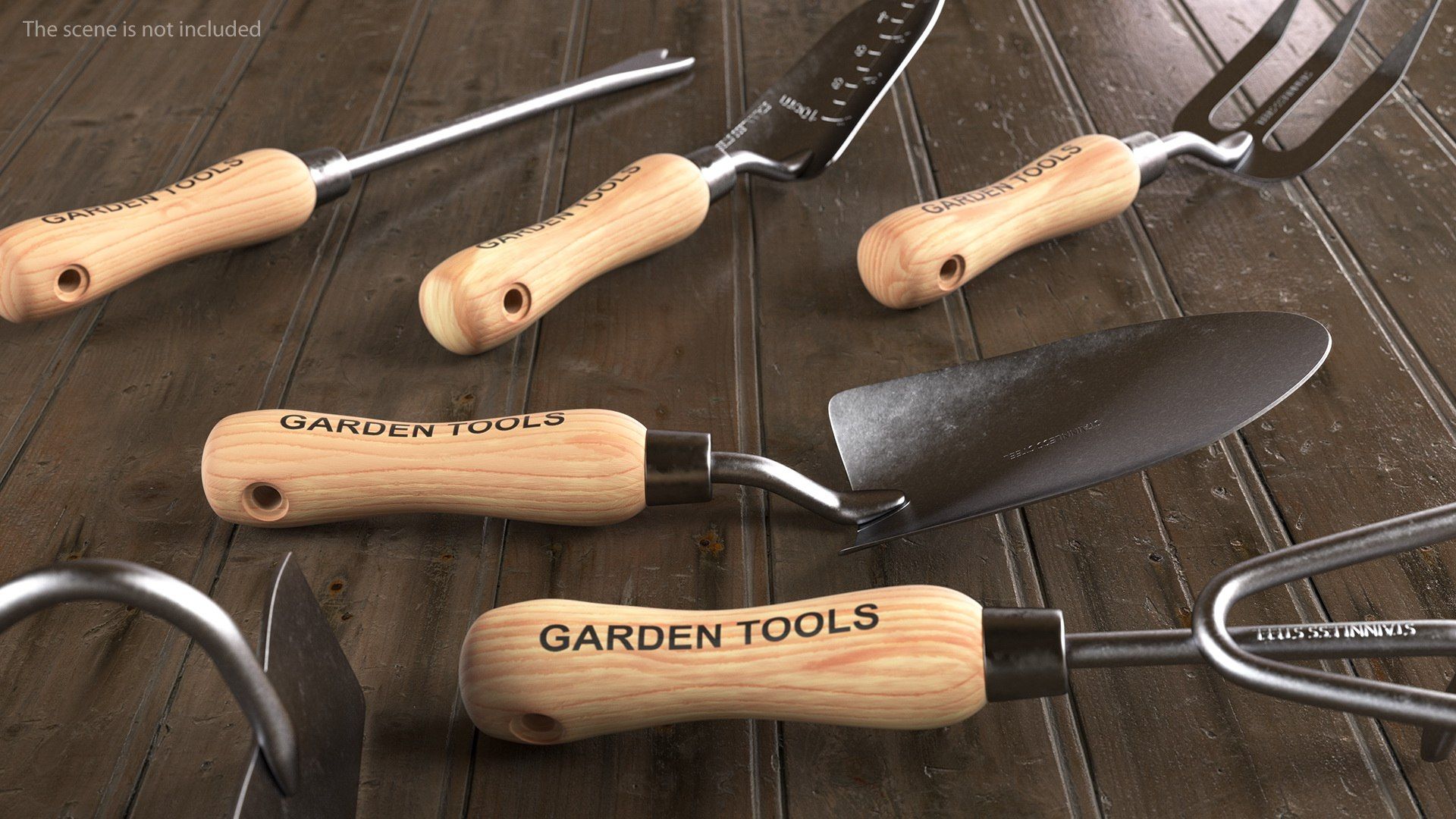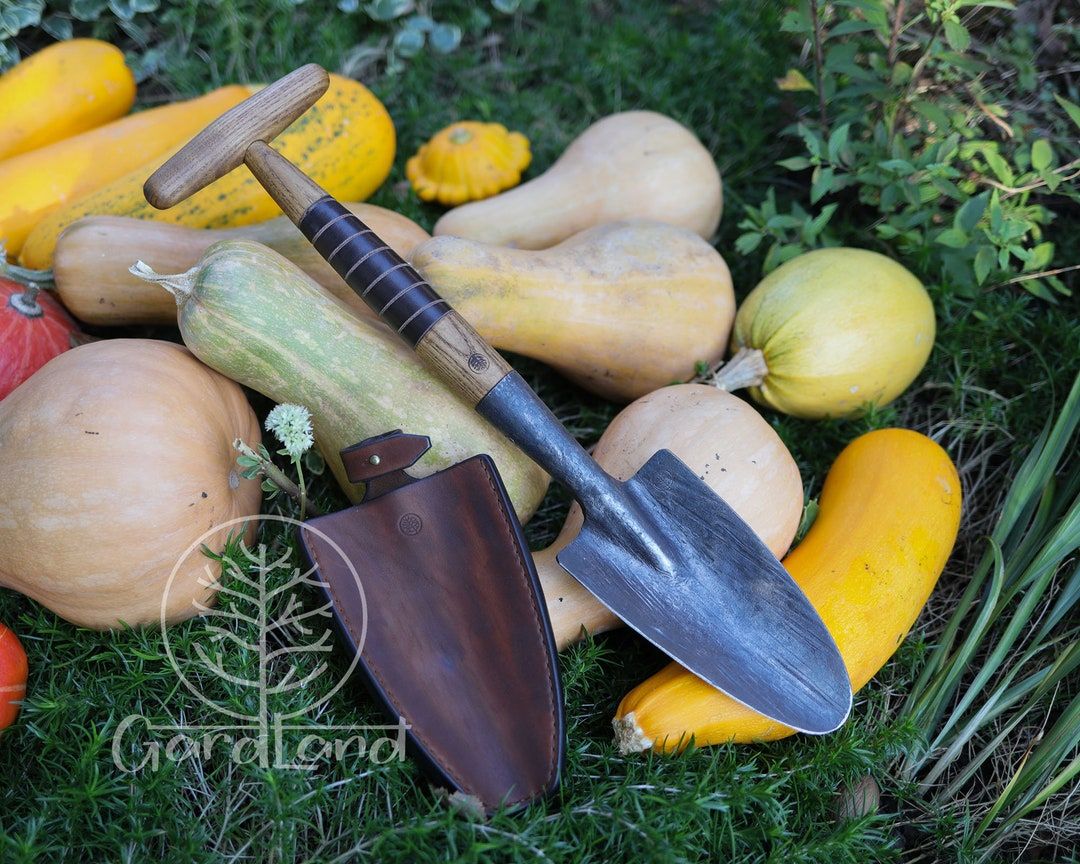
There’s something deeply satisfying about working with your hands in the soil, feeling the earth respond to your touch. But what if we could take that connection even further? What if we could garden in a way that gives back to the planet rather than taking from it? Enter sustainable gardening – a practice that’s been around for centuries but is gaining renewed attention today. It’s not just about growing vegetables or flowers; it’s about creating harmony between our needs and nature’s rhythms. When you hold a spade in your right hand, you’re not just digging holes – you’re participating in a cycle that has sustained life for millennia.
Sustainable gardening isn’t just a trend – it’s a return to fundamental principles that have supported human communities for thousands of years. It’s about working with nature instead of against it, using resources wisely, and building soil health that will support future generations. The right hand spade becomes more than just a tool; it transforms into a bridge between our modern lives and ancient wisdom. Whether you’re starting a small herb patch or planning a full vegetable garden, the foundation lies in understanding how to work with the land’s natural systems. This approach recognizes that every action in the garden creates ripples that extend far beyond what we can see. The soil beneath our feet holds secrets of the past and promises for the future. By mastering sustainable techniques with simple tools like a spade, we’re not just growing plants – we’re nurturing ecosystems.
Understanding Sustainable Gardening Principles
Sustainable gardening operates on several core principles that form the backbone of any successful eco-friendly approach. First, it emphasizes working with existing conditions rather than fighting them. This means understanding your local climate, soil type, and natural water patterns. Second, it focuses on building soil health over time rather than seeking quick fixes. Third, it values biodiversity – encouraging a variety of plants, insects, and microorganisms to coexist harmoniously. Finally, it promotes resource conservation, making the most of everything available. Think about it – when you plant a seed, you’re not just growing a plant; you’re creating a network of relationships. The roots interact with beneficial fungi, insects find shelter among the leaves, and birds discover food sources. These connections form the foundation of resilient gardens that can weather storms, droughts, and changing conditions. The spade becomes your instrument for creating these relationships by gently loosening soil, preparing beds, and making space for new life to emerge.
The Right Hand Spade: A Tool for Gentle Intervention
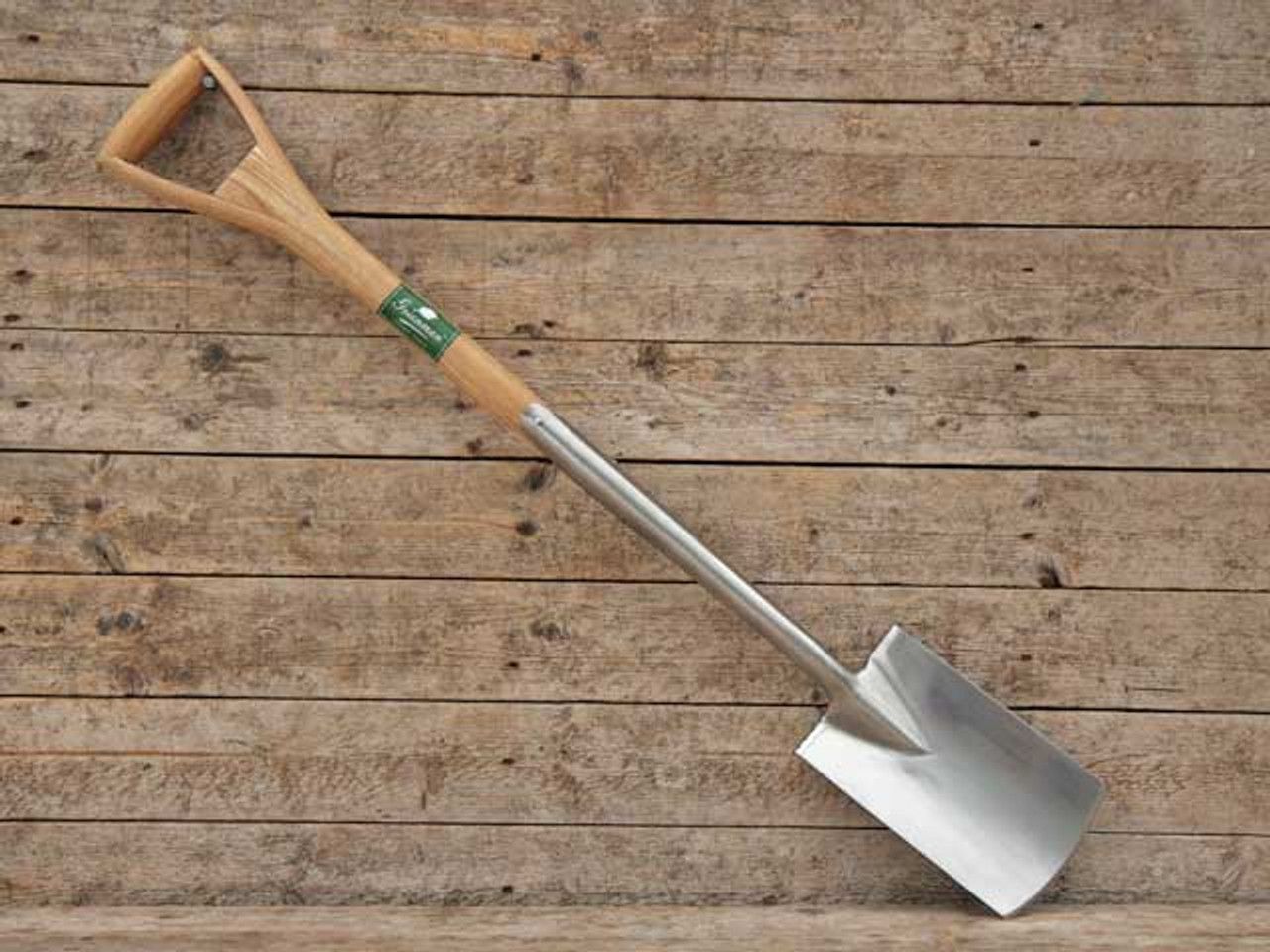
A quality spade isn’t just a tool – it’s a partner in the gardening process. The right hand spade allows for precise, controlled movements that respect the delicate balance of soil ecosystems. Unlike machines that compact soil or disrupt root systems, a spade lets you work with the grain of the earth. The blade cuts cleanly through compacted layers while preserving the structure of beneficial organisms living in the soil. When you learn to use it properly, you’ll notice how much more efficient and effective your work becomes. The weight distribution feels natural, the handle fits comfortably in your grip, and each movement has purpose. Many gardeners find that learning proper spade technique takes patience, but once mastered, it opens up possibilities they never imagined. The key is understanding that gentle pressure often works better than brute force. You’re not trying to break through barriers – you’re creating pathways for growth. The spade helps you achieve this balance perfectly.
Building Soil Health Through Proper Spading Techniques
Healthy soil is the foundation of any thriving garden, and the spade plays a crucial role in developing that foundation. Rather than simply turning over large areas, focus on working smaller sections at a time. This approach preserves beneficial soil organisms and prevents erosion. Start by identifying areas that need attention – perhaps compacted spots from foot traffic or hardpan that prevents water infiltration. With your spade, make shallow cuts to break up the surface, then work deeper in strategic locations. The goal isn’t to dig deep everywhere, but to create conditions that encourage root penetration and water movement. Mix organic matter into the soil gradually, incorporating compost and aged manure carefully. This process builds soil structure over time rather than creating temporary improvements. Notice how the soil changes texture as you work it – the difference between heavy clay and light sandy soil requires different approaches. Some soils may need more frequent spading to maintain their workability, while others might benefit from less intervention. Understanding these differences makes all the difference in long-term success.
Planning Your Garden with Sustainability in Mind
Before you even pick up that spade, thoughtful planning makes all the difference. Consider companion planting strategies that naturally deter pests and improve soil health. Plant nitrogen-fixing legumes alongside heavy feeders like tomatoes or corn. Create diverse plantings that mimic natural ecosystems rather than uniform rows. This diversity provides multiple benefits – different plants attract various beneficial insects, create varied habitats for wildlife, and reduce the risk of pest outbreaks. Think about succession planting too – ensuring continuous harvests throughout the growing season. Plan for crop rotation to prevent soil depletion and disease buildup. The spade becomes essential when preparing beds for different plant families. You’ll need to adjust your approach based on plant requirements, whether that’s deep tilling for root crops or shallow working for shallow-rooted herbs. Design your garden layout to minimize walking on valuable soil areas, protecting the very ground you’re trying to nurture. Every path you create should serve a purpose, and every bed should be designed for maximum efficiency.
Water Conservation and Efficient Irrigation Practices
Sustainable gardening means being smart about water use, especially in regions facing drought conditions. The spade helps prepare soil that retains moisture better than compacted ground. Work the soil to create good water infiltration rather than runoff. Raised beds, prepared with careful spading techniques, can significantly improve water retention. Consider installing rain gardens or swales to capture and redirect stormwater. These features work beautifully with the natural flow of water across your property. Mulching after spading helps preserve soil moisture and regulate temperature. Organic mulches like straw, wood chips, or shredded leaves provide nutrients as they decompose while protecting soil from evaporation. The spade also helps create channels for water to move through the soil profile, preventing waterlogging in some areas while ensuring adequate moisture in others. Watch how water moves through your garden during rainfall – you’ll notice differences between well-prepared and poorly prepared soil areas. Good drainage and water retention go hand-in-hand with healthy plant growth.
Natural Pest Management and Beneficial Insect Habitat
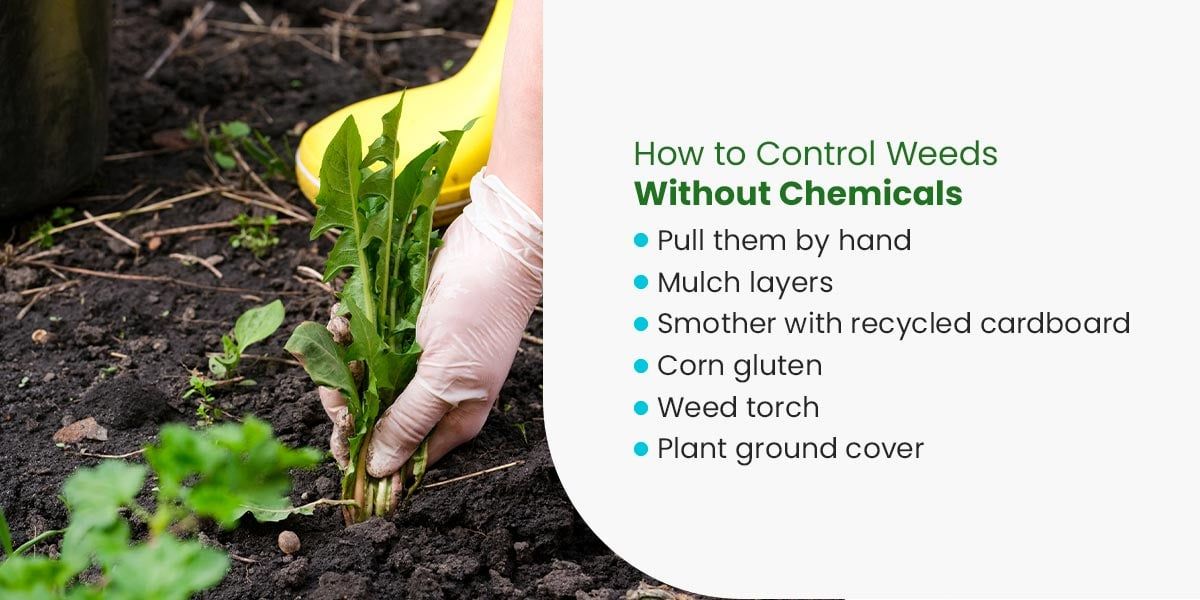
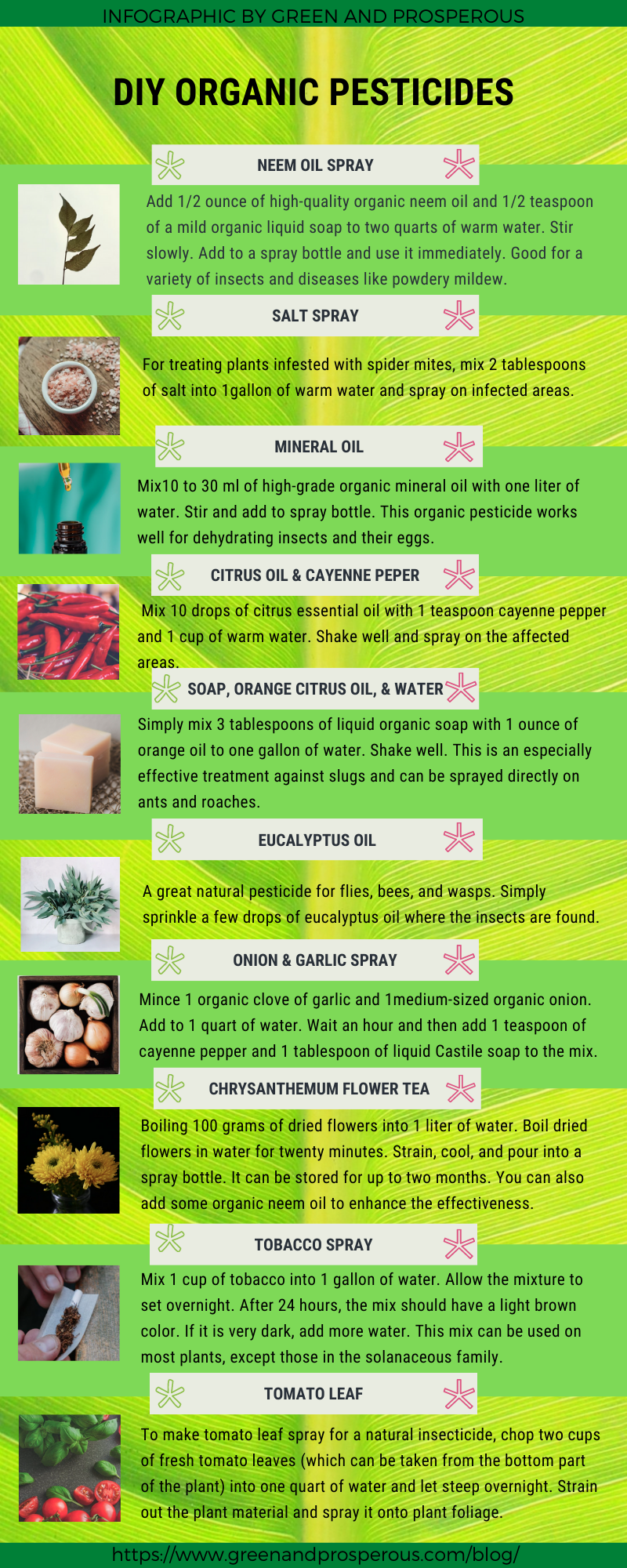
Rather than relying on chemical pesticides, sustainable gardens encourage natural pest control through habitat creation. The spade helps prepare spaces for beneficial insects by creating suitable nesting sites and food sources. Plant diverse flowering species that bloom throughout the growing season to support pollinators and predatory insects. Build small insect hotels or leave some areas of wild vegetation for natural pest predators. When you’re ready to plant, consider timing and placement to avoid attracting problematic pests. The spade allows you to create the physical space necessary for these beneficial relationships to flourish. Pay attention to signs of beneficial activity – ladybugs, lacewings, and parasitic wasps are all indicators of a healthy ecosystem. These insects help control aphids, caterpillars, and other common garden pests naturally. You might find that with proper planning and preparation, you’ll need fewer interventions overall. The spade becomes part of your strategy for creating an environment where nature can take care of itself.
Mastering sustainable gardening with the right hand spade isn’t about perfection – it’s about intentionality and connection. Every time you pick up that tool, you’re choosing to work with nature rather than against it. The techniques learned through patient practice with a spade build confidence and understanding that extends far beyond the garden gate. You begin to see the interconnectedness of all living things, recognizing that your garden is part of a larger web of life. The soil responds to your care, and in turn, it supports the growth of nutritious food, beautiful flowers, and habitat for wildlife. Sustainable gardening becomes more than just growing plants – it becomes a lifestyle choice that connects you to the earth and to future generations. As you continue your journey, remember that the most important tool isn’t the spade at all – it’s your willingness to observe, learn, and adapt. The garden will teach you, and you’ll teach it back through careful, respectful work. There’s no rush to master everything at once; the beauty of sustainable gardening lies in its gradual evolution and the deep satisfaction that comes from working in harmony with the natural world.