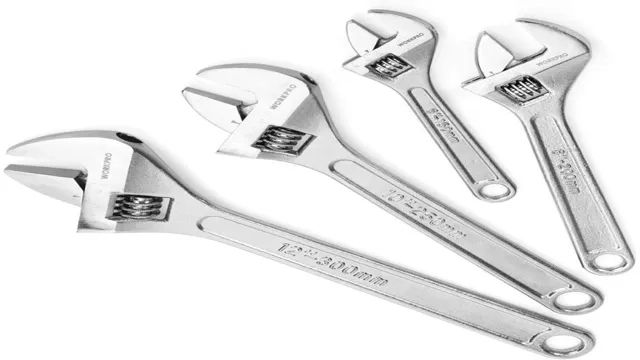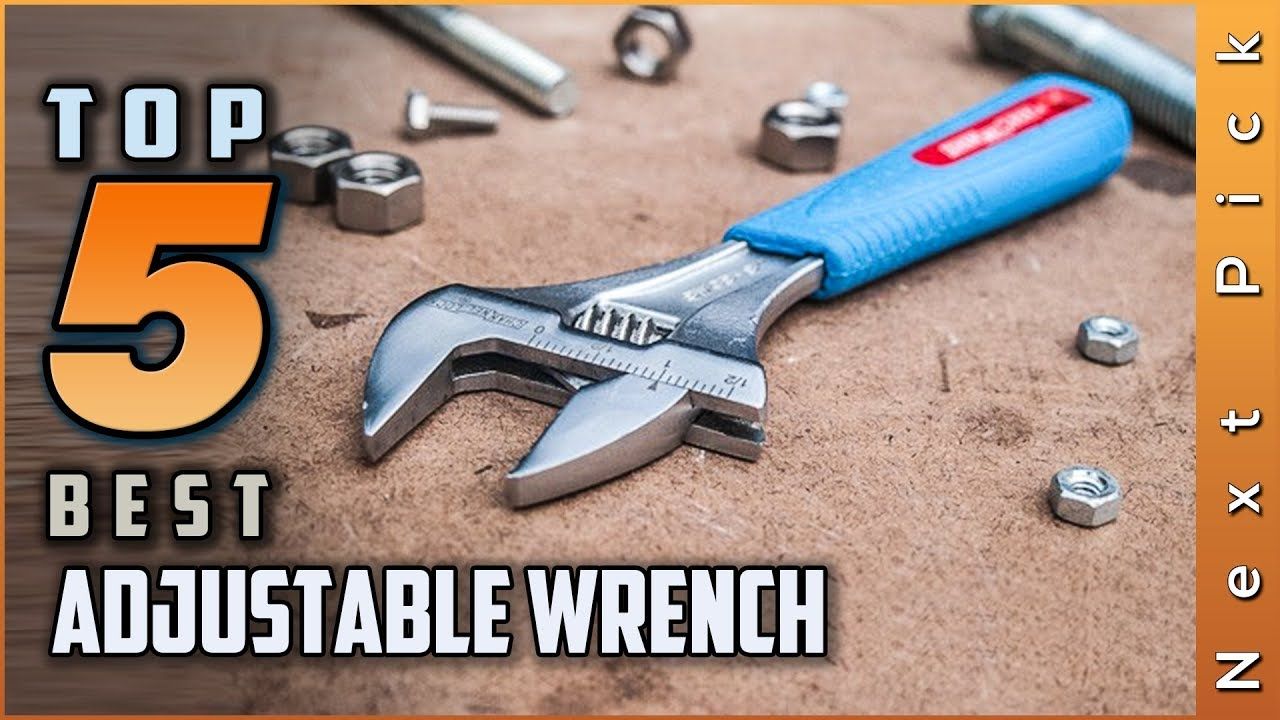
When you think about it, the humble adjustable wrench might seem like just another tool in your toolbox. But there’s actually a whole world of engineering and design behind these simple devices. They’re not just random metal pieces with jaws that move – they’re precision instruments built for reliability when you really need them. Whether you’re tightening a loose faucet or assembling furniture, your adjustable wrench needs to perform consistently. So what exactly makes one wrench better than another? Let’s dig into the features that separate the good from the great.
Have you ever reached for your adjustable wrench only to find it slipping or failing when you needed it most? That frustration is shared by countless DIYers who’ve learned the hard way that not all wrenches are created equal. It’s easy to think that any adjustable wrench will do, but the truth is, some are designed with specific features that make them far more dependable for real-world projects. The difference between a decent wrench and a truly reliable one isn’t always obvious at first glance. It’s the small details that matter most when you’re trying to get a job done right. These aren’t just tools – they’re partners in your DIY journey. Understanding what makes an adjustable wrench trustworthy can save you time, prevent frustration, and even keep you safe. Let’s explore the essential characteristics that make some adjustable wrenches stand out from the crowd.
The Grip That Matters
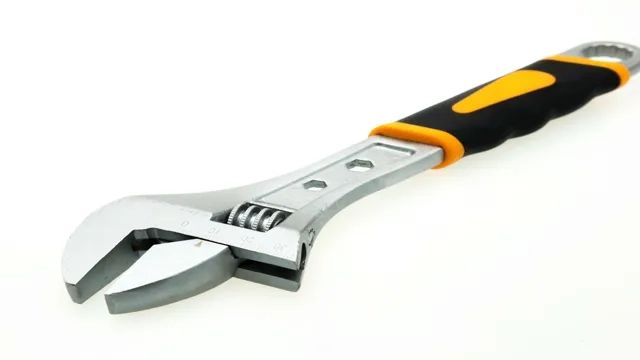
The jaw system is arguably the most critical part of any adjustable wrench. A well-designed jaw should grip nuts and bolts securely without damaging their surfaces. This means the jaws need to be made from quality steel that won’t bend or wear down easily. Look for jaws with a smooth finish and proper alignment – if the jaws don’t meet perfectly when closed, you’ll lose gripping power. Some wrenches feature serrated jaws that provide extra friction, while others have rubber or plastic coatings to protect delicate fasteners. The adjustment mechanism also plays a role here. A smooth, precise adjustment system lets you fine-tune the jaw width quickly and accurately. When you’re working under pressure or in tight spaces, having a wrench that grips solidly without slipping can make the difference between success and disaster. Think about how many times you’ve had to reposition a slipping wrench – it’s frustrating and time-consuming.
Handle Design and Ergonomics
Comfort and control are often overlooked but crucial elements. The handle should feel secure in your hand, with enough texture to prevent slipping during use. Many professionals prefer handles with rubberized grips or textured surfaces. The length and shape of the handle affect leverage and maneuverability. Longer handles typically provide more torque, which is helpful for stubborn fasteners, but they can be cumbersome in tight spots. Shorter handles offer better reach in confined areas, though they may require more effort to turn. The weight distribution matters too – a balanced wrench feels more natural and reduces fatigue during extended use. Consider how much you’ll be using it. If you’re doing heavy-duty work, you want something substantial that won’t flex or bend under pressure. For light tasks, a lighter tool might be more comfortable. The handle design should also consider how you hold the wrench. Some have curved handles that fit naturally in your grip, while others are straighter for different hand positions.
Material Quality and Durability
What a wrench is made of tells you a lot about its lifespan and performance. High-carbon steel is commonly used because it holds its shape and resists wear. Some premium models incorporate chrome vanadium steel, which offers superior strength and durability. The manufacturing process also matters – properly heat-treated steel maintains its hardness and doesn’t become brittle over time. Look for welds that are clean and strong, especially around the pivot point where the jaws connect to the handle. Rust-resistant coatings or plating can extend life, particularly in humid environments. The bolt that adjusts the jaw position should be sturdy and well-threaded. If you’re planning to use a wrench regularly, investing in quality materials pays off in the long run. A cheap wrench might break after a few months of moderate use, while a well-made one could last decades. It’s worth noting that some manufacturers use recycled materials, which can compromise both strength and longevity.
Adjustment Mechanism Reliability
The way a wrench adjusts can make or break its usefulness. A smooth, precise adjustment system allows you to quickly set the correct jaw width without over-tightening or struggling with the mechanism. Many wrenches use a ratchet-style adjustment, where you turn a wheel or screw to change the jaw size. Others rely on a lever or knob that moves the jaw along a guide rail. The adjustment should be secure once set – you don’t want the jaws to slip or move while you’re applying force. Some systems allow for quick adjustments without removing the wrench from the fastener. This is particularly useful when working on multiple sizes in a single project. Watch out for mechanisms that require excessive force to adjust or that don’t stay in place once adjusted. The adjustment process itself should be intuitive and straightforward. If you’re constantly fumbling with the adjustment, you’re wasting time and potentially losing grip on the fastener.
Precision Engineering and Manufacturing Standards
Good craftsmanship shows in the details. A quality adjustable wrench will have consistent tolerances, meaning all parts fit together properly and function smoothly. The pivot point should move freely without wobbling or binding. Proper machining ensures that the jaws remain parallel when closed, which provides maximum gripping force. Some high-end models feature precision-ground surfaces that improve both accuracy and longevity. The overall construction should feel solid and substantial. You shouldn’t be able to flex or bend major components with normal use. Quality control during manufacturing affects everything from the alignment of the jaws to the strength of the pivot pin. Some brands invest heavily in testing and quality assurance processes that catch potential problems before they reach consumers. These attention to detail translate into fewer repairs, less replacement, and greater confidence in the tool. It’s interesting to note that many professional-grade wrenches are built to military specifications, ensuring they can handle demanding conditions.
Safety Features and Practical Considerations
Reliable wrenches incorporate safety considerations that prevent accidents and damage. Properly designed wrenches shouldn’t slip or bind in ways that could cause injury. The jaws should close fully without creating sharp edges that could damage surfaces or fingers. Some models include safety features like locking mechanisms that prevent accidental adjustment during use. Others have warning indicators or designs that prevent over-tightening. Consider the range of sizes each wrench can handle effectively. A versatile wrench should cover a reasonable range without requiring frequent adjustments. The design should accommodate different types of fasteners, from standard hex nuts to specialized industrial fittings. Think about how you’ll store and transport the wrench. A well-designed tool should be easy to carry and organize. Some models include features like integrated storage for small parts or protective covers for the jaws. The overall package should reflect thoughtful consideration of real-world usage scenarios.
Choosing the right adjustable wrench isn’t just about picking something that looks good or costs less. It’s about finding a tool that will perform reliably when you need it most. Every feature we’ve discussed – from jaw design to material quality to adjustment precision – contributes to a wrench’s overall dependability. The best adjustable wrenches combine solid engineering with thoughtful design to create tools that feel familiar and trustworthy. When you’re facing a challenging project or working in difficult conditions, you want a wrench that won’t let you down. That means investing in quality rather than just the cheapest option available. Remember, a reliable wrench is more than just a tool – it’s a partner in your DIY endeavors. It should feel comfortable in your hand, grip securely on fasteners, and last for years of faithful service. Take time to consider these features when shopping for your next adjustable wrench. The investment in a quality tool will pay dividends in convenience, safety, and successful project completion. After all, you never know when that one particular wrench might be the difference between finishing a job and giving up on it entirely.