Imagine a world where your crops get exactly the water they need, when they need it, powered entirely by the sun. That’s not science fiction anymore. Farmers across the globe are discovering that solar drip irrigation controllers aren’t just fancy gadgets – they’re revolutionizing how we grow food. But what makes them different from the tried-and-true methods we’ve used for decades? Let’s dive into this fascinating shift in agricultural technology.
Farming has always been about working with nature, not against it. For generations, farmers have relied on traditional irrigation methods like flood irrigation, sprinklers, and manual watering systems. These approaches made sense when resources were abundant and technology was simple. Today, however, we face new challenges: water scarcity, rising energy costs, and the need to feed a growing population. Enter solar drip irrigation controllers – smart systems that promise efficiency, savings, and sustainability. But how do they really stack up against old-school irrigation? Let’s explore what every farmer should understand before making their next big investment.
The Basics: Understanding How Both Systems Work
Traditional irrigation systems are straightforward but often inefficient. Flood irrigation, for example, involves flooding fields with water, which can lead to significant waste through evaporation and runoff. Sprinkler systems distribute water through overhead spraying, which also loses water to the air. Manual watering requires constant human attention and is prone to overwatering or underwatering.
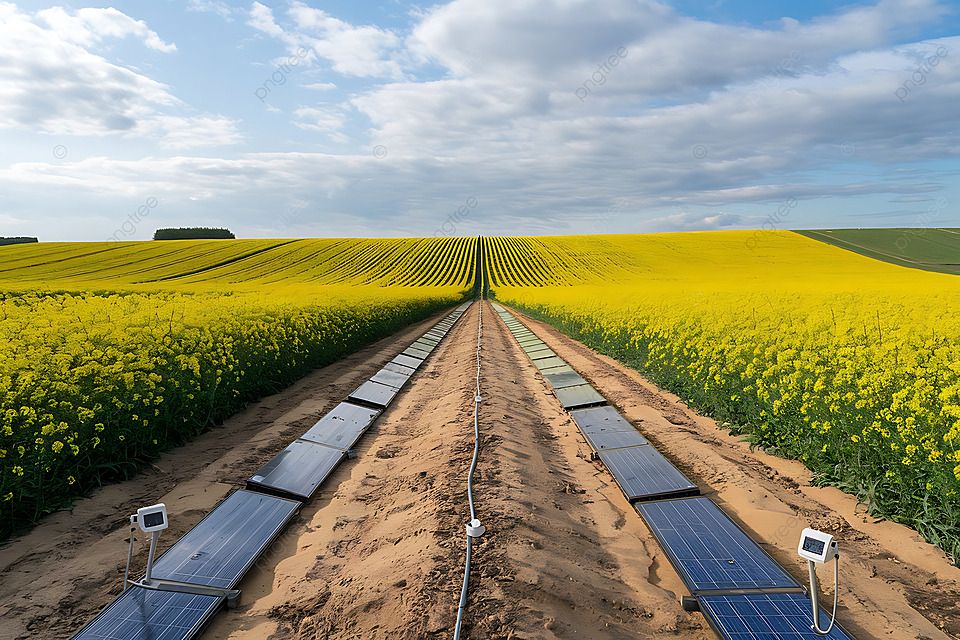
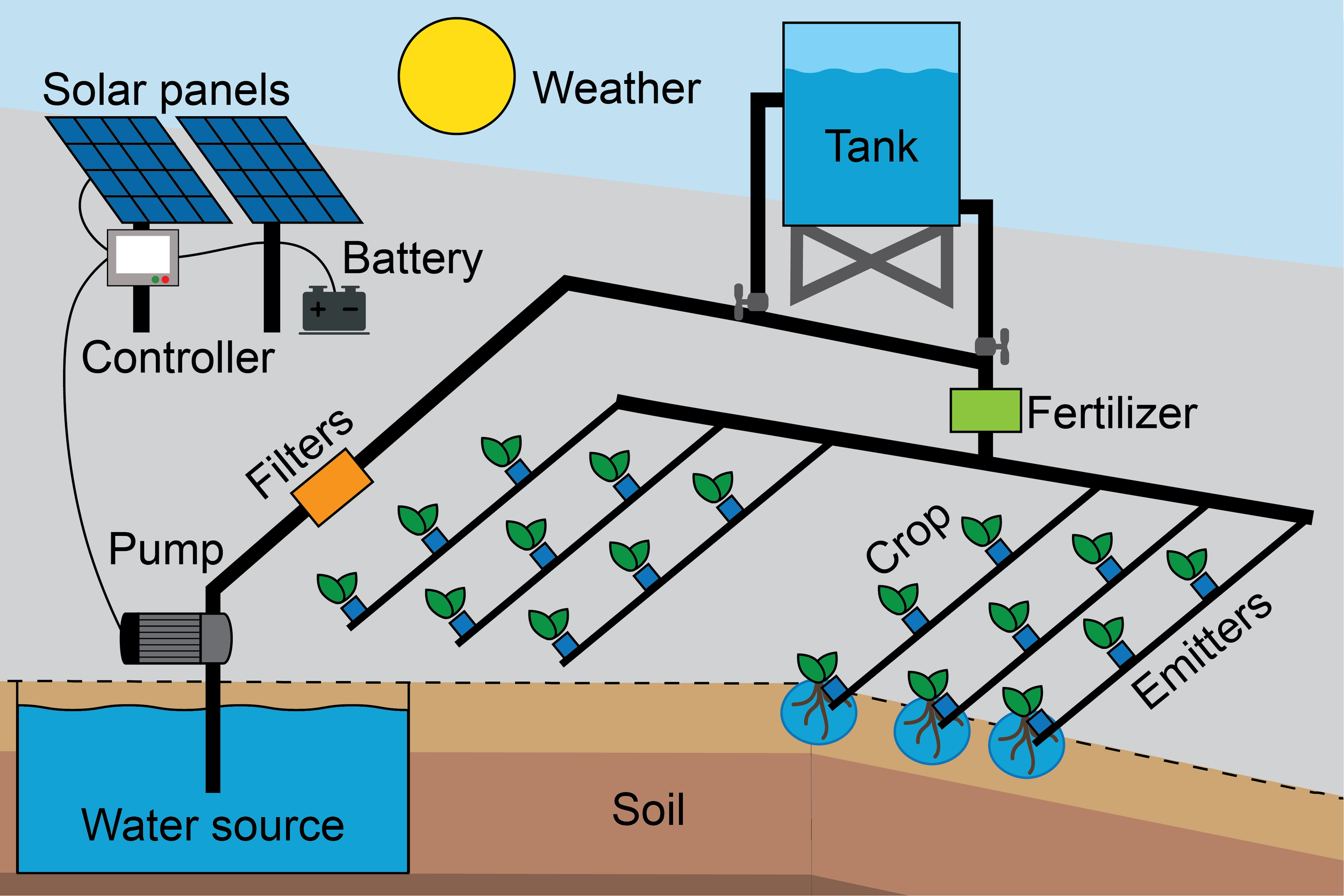
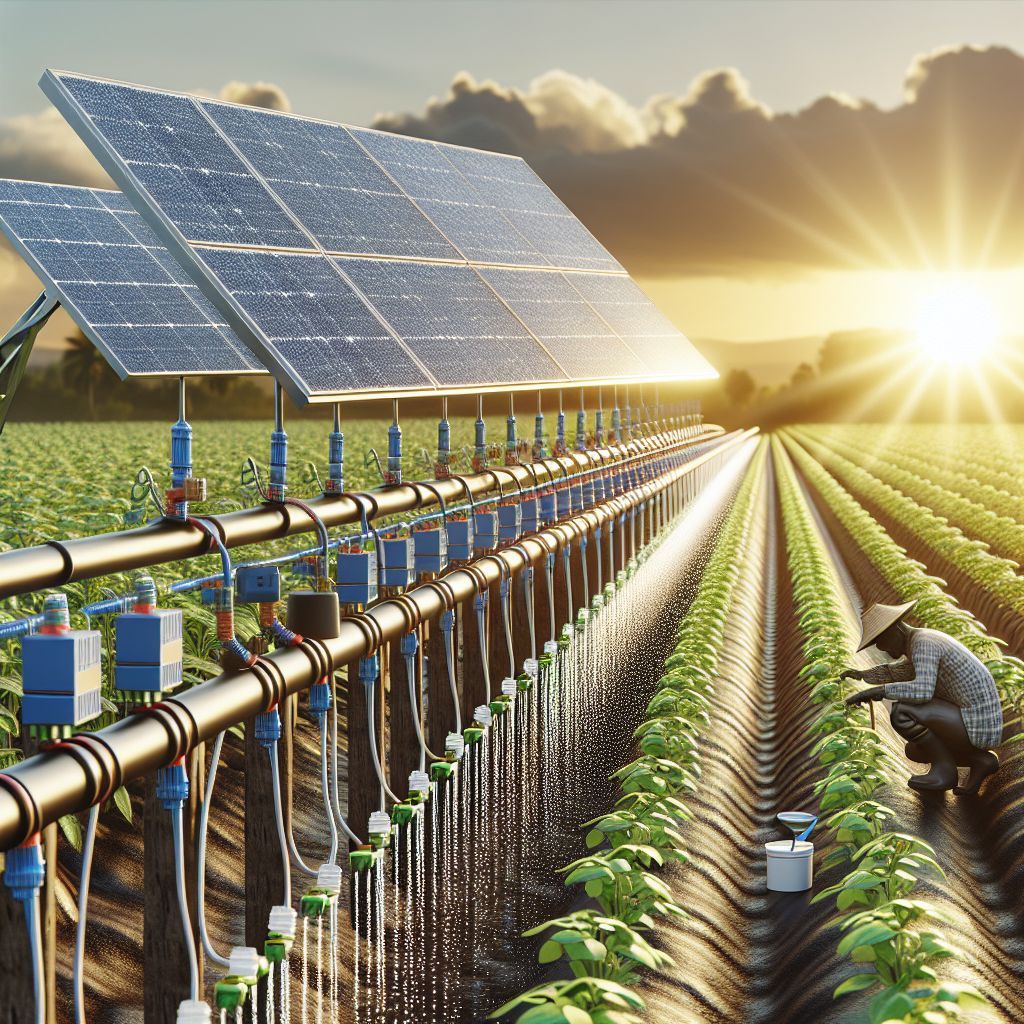
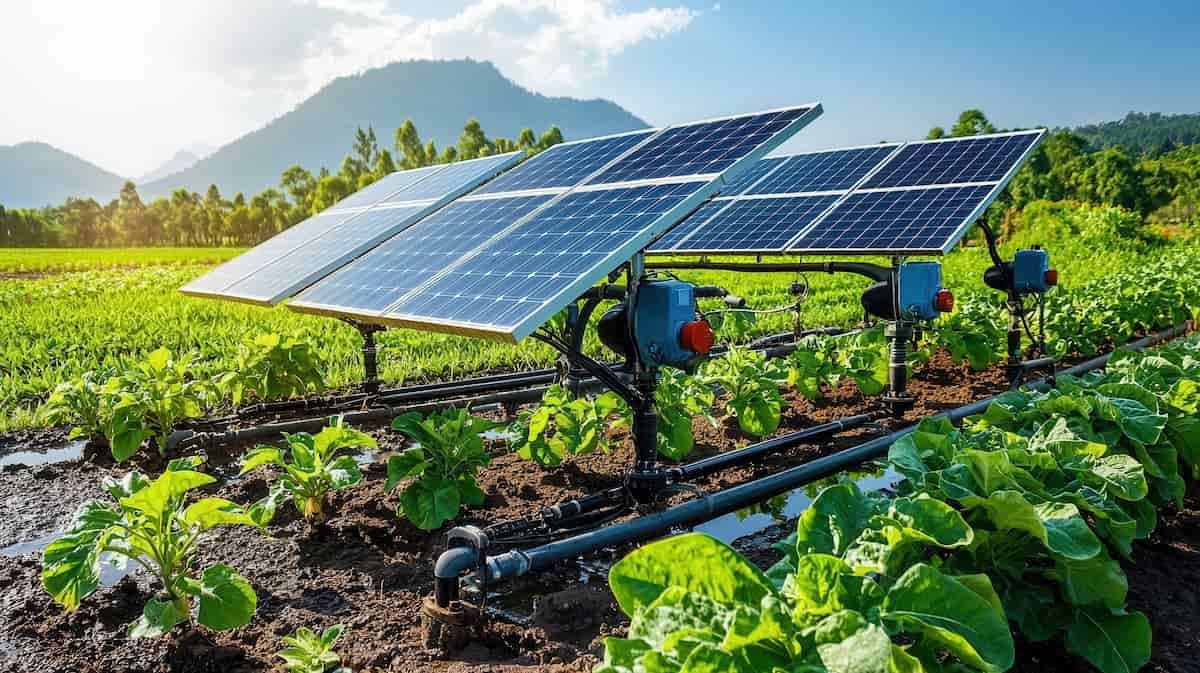
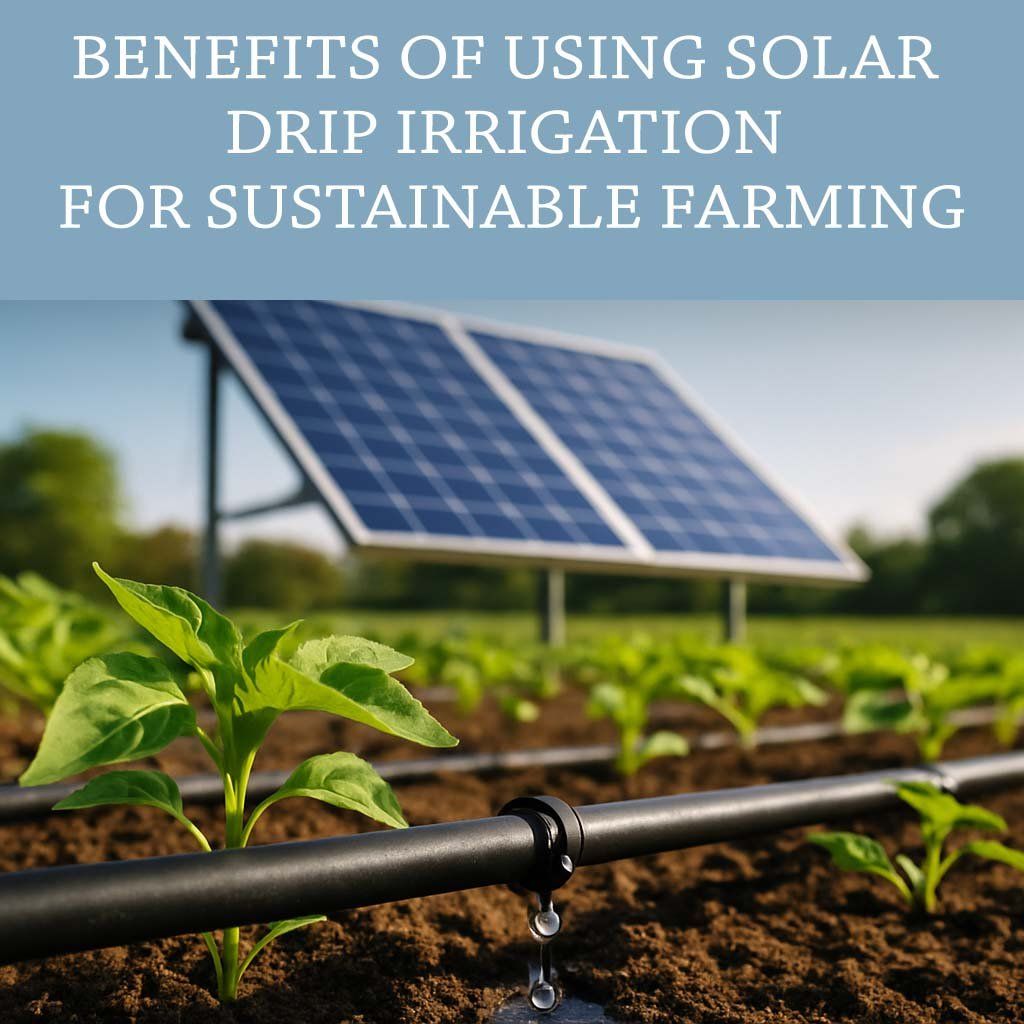
Solar drip irrigation controllers take a completely different approach. Instead of flooding or spraying, they deliver water directly to plant roots through a network of tubes and emitters. This method, called drip irrigation, uses up to 50% less water than traditional methods. The solar component means these systems can operate without electrical connections, making them ideal for remote farms.
Think of it like giving each plant a tiny, personalized drink rather than watering the entire field like a giant bathtub. It’s precise, targeted, and incredibly effective for maximizing crop yields while minimizing waste.
Cost Analysis: What You Pay Upfront vs Over Time
When comparing prices, traditional irrigation systems might seem cheaper initially. A basic sprinkler system can cost anywhere from $500 to $2,000 depending on size and complexity. These systems require ongoing expenses for electricity, maintenance, and sometimes water rights fees.
Solar drip systems start higher, typically ranging from $2,000 to $8,000 for a full installation. However, the long-term savings are substantial. Once installed, there are no electricity bills, minimal maintenance requirements, and the system can last 15-20 years with proper care.
Consider this real-world example: Maria, a tomato farmer in Arizona, invested $4,500 in a solar drip system three years ago. Her electricity bill dropped from $200 monthly to zero, and she reduced her water usage by 60%. She estimates saving over $1,200 annually on utilities alone. Plus, her crop yields increased by 25% due to consistent, optimal watering.
The upfront investment may seem steep, but the return on investment often happens within 2-3 years for most operations.
Water Efficiency: How Much Do You Actually Save?
This is where solar drip systems really shine. Traditional irrigation methods lose significant amounts of water through evaporation, wind drift, and runoff. In hot climates, up to 40% of water applied through sprinklers can be lost before reaching plants.
Drip irrigation, on the other hand, delivers water directly to root zones where it’s needed most. Studies show that drip systems use 30-50% less water than traditional methods. When combined with solar power, you eliminate the need for pumps that consume electricity, further reducing overall energy consumption.
The efficiency difference becomes even more pronounced during drought conditions. Farmers using solar drip systems report being able to maintain crop production even when neighboring farms struggle with water shortages. This isn’t just good for the environment – it’s good business.
For example, a 10-acre vegetable farm using traditional sprinklers might use 10,000 gallons per week. With solar drip irrigation, the same farm could reduce that to 5,000 gallons weekly while maintaining or improving productivity.
Maintenance and Reliability: What Happens When Things Go Wrong?
Traditional irrigation systems require regular maintenance and often depend on external power sources. Sprinkler heads can clog, pipes can burst, and motors can fail unexpectedly. These issues often happen during peak growing seasons when farmers are already stretched thin.
Solar drip systems are generally more reliable because they have fewer moving parts and no dependence on grid electricity. The solar panels can last 25+ years, and the drip tubing systems are designed to handle various weather conditions. Most problems with solar drip systems involve clogged emitters, which are easily cleaned or replaced.
However, there are some considerations. Solar systems require periodic cleaning of solar panels to maintain efficiency. During extended cloudy periods, performance may decrease slightly, though most systems include battery storage to handle these situations.
A study conducted by the University of California found that solar drip systems required 60% less maintenance time compared to traditional systems over a five-year period. This translates to more time for farmers to focus on other aspects of their operation rather than constantly troubleshooting irrigation equipment.
Crop-Specific Benefits: How Different Plants Respond
Not all crops benefit equally from drip irrigation, but many thrive under this method. Tomatoes, peppers, and leafy greens especially respond well to consistent moisture delivery directly to roots. These plants often produce better yields and quality when they receive precisely the right amount of water at the right time.
Root vegetables like carrots and radishes also benefit significantly from drip irrigation. The consistent moisture helps prevent cracking and improves shape uniformity. Fruit trees, particularly young ones, show improved growth rates when watered through drip systems.
Vine crops like cucumbers and squash benefit from the ability to control moisture levels around the base of plants, reducing disease risk. The targeted water delivery also helps prevent fruit rot that often occurs with overhead watering.
It’s worth noting that some crops, like rice, traditionally require flooded conditions and wouldn’t work well with drip irrigation. But for the majority of vegetable and fruit crops, the benefits are clear. Farmers report that their plants look healthier, grow faster, and produce more consistently when using solar drip systems.
Environmental Impact: Sustainability Considerations
Sustainability isn’t just a buzzword – it’s a necessity for modern farming. Solar drip irrigation controllers offer several environmental advantages over traditional methods.
Reduced water usage means less strain on local water supplies, especially important in drought-prone areas. Lower energy consumption reduces carbon footprints since solar power produces no emissions. Fewer chemicals are needed because drip systems reduce runoff that can carry fertilizers and pesticides into groundwater.
Additionally, the precision of drip irrigation allows for better fertilizer application. Nutrients can be delivered directly to plant roots, reducing waste and preventing contamination of nearby water sources. This precision also means less fertilizer is needed overall.
Many farmers report that their soil health has improved since switching to drip irrigation. Without the constant flooding that can compact soil or wash away nutrients, the soil structure remains better maintained. This creates a healthier foundation for future crops.
The environmental benefits compound over time. A single farm switching to solar drip irrigation can save thousands of gallons of water annually while reducing its carbon footprint significantly.
The choice between solar drip irrigation controllers and traditional methods isn’t simply about technology versus tradition. It’s about making smarter decisions for your farm’s future. While traditional irrigation systems may seem familiar and affordable initially, solar drip systems offer superior water efficiency, lower long-term costs, and better environmental outcomes.
Farmers who have made the switch often describe it as one of the best investments they’ve ever made. The initial expense pays for itself quickly through reduced water and energy costs, and the improved crop yields add additional value. Plus, the reliability of solar-powered systems means fewer interruptions and more consistent results year after year.
Whether you’re a small-scale grower or a large commercial operation, understanding these differences can help you make informed decisions about your irrigation strategy. The future of farming lies in systems that work smarter, not harder – and solar drip irrigation controllers represent that evolution perfectly. As water becomes scarcer and energy costs rise, these systems will become increasingly essential for sustainable agriculture.
The question isn’t whether to consider solar drip irrigation, but when. The sooner you start planning for this transition, the sooner you’ll see the benefits of smarter, more efficient farming practices.