Every gardener knows the moment of truth when deciding what to use for starting seeds. Is it better to stick with familiar plastic containers or try something newer and greener? This choice isn’t just about convenience—it’s about your plants’ future and your impact on the environment.
When you’re getting ready to start your garden from scratch, one of the first decisions you’ll face is choosing the right container for your seedlings. It might seem like a small detail, but the type of cup you use can actually influence how well your plants grow and whether you’re making sustainable choices for the planet. Traditional plastic cups have been the go-to option for decades, but compostable alternatives are gaining popularity among environmentally conscious gardeners. The question isn’t just about what works best for your plants, but also about what kind of future you want to help create. Let’s explore both sides of this important gardening decision together.
What Makes Traditional Seedling Cups Different
Traditional seedling cups are typically made from plastic materials that are designed to last. These cups are often lightweight, durable, and can be reused multiple times. They come in various sizes and shapes, making them versatile for different types of plants. Many gardeners appreciate their affordability and ease of use. Plastic cups offer excellent drainage and are easy to clean, allowing you to reuse them season after season.
However, there are some downsides to consider. Plastic cups don’t break down naturally, which means they contribute to landfill waste. When you’re done with them, they may sit in landfills for hundreds of years. Plus, some plastic materials can leach chemicals over time, especially when exposed to heat or sunlight. This is particularly concerning if you’re using them in areas where temperature fluctuations are common. The durability that makes them appealing also means they won’t decompose naturally, creating environmental challenges.
The Rise of Compostable Seedling Cups
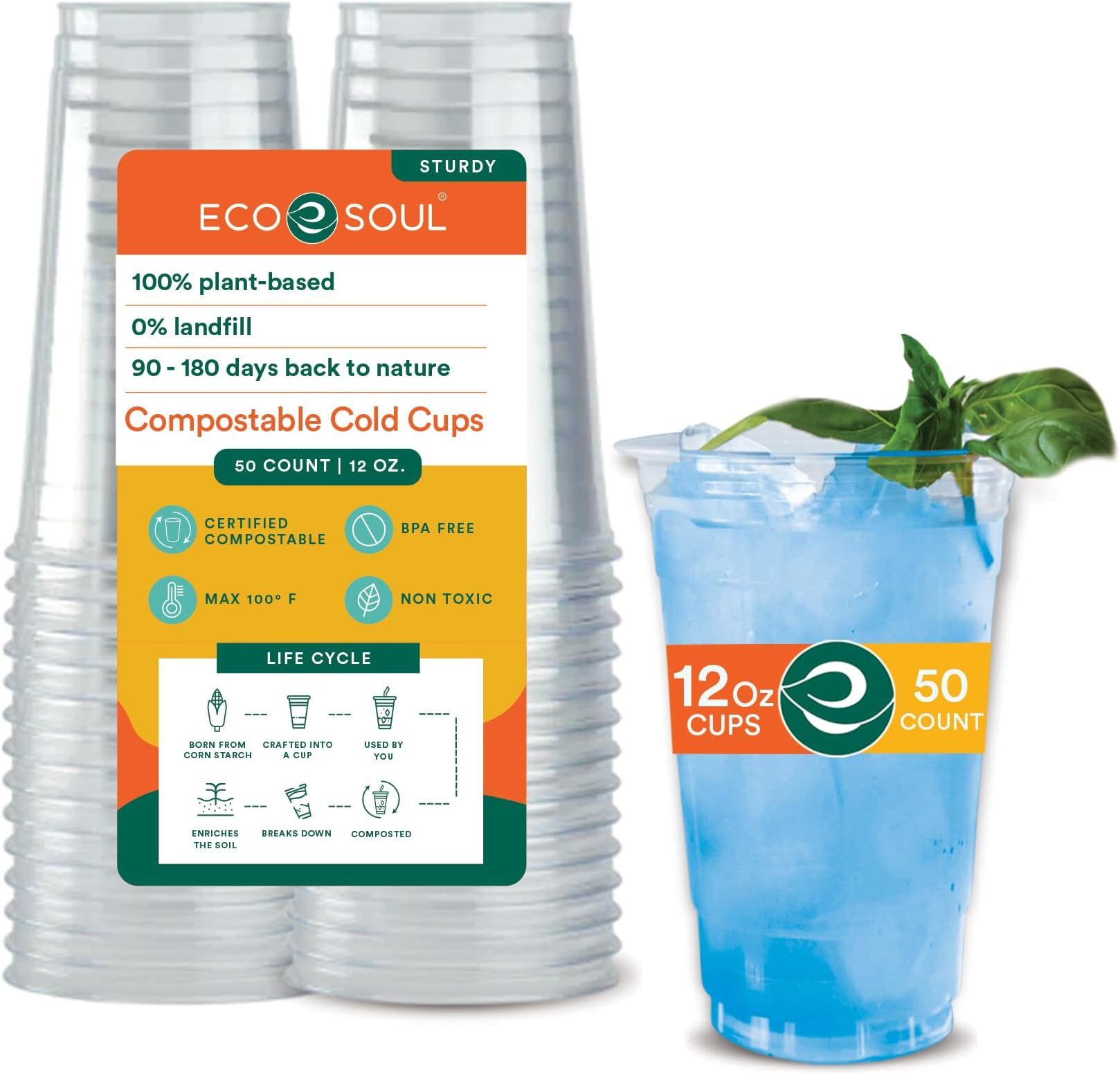
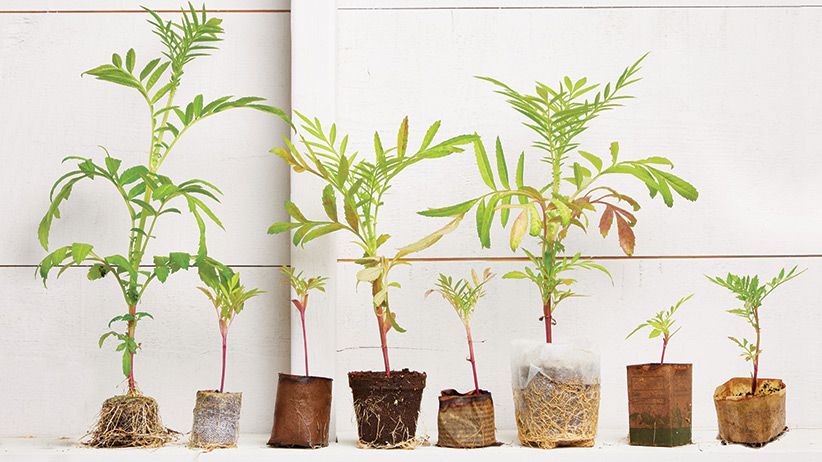
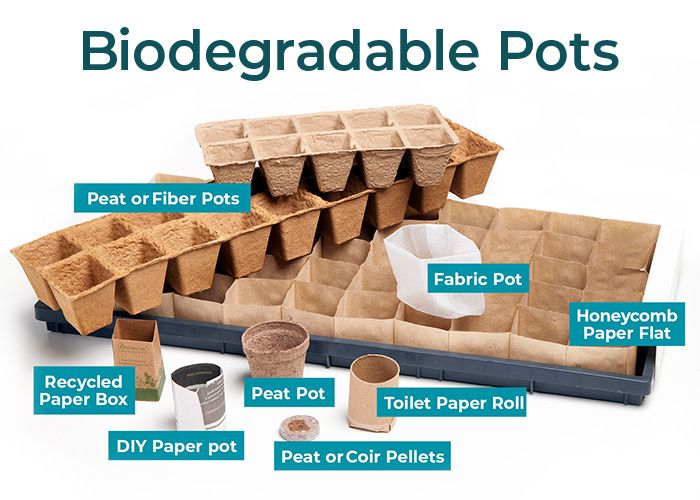
Compostable seedling cups represent a newer approach that’s catching on with eco-conscious gardeners. These cups are typically made from materials like paper, cardboard, or plant-based bioplastics that can break down naturally. The idea is simple: plant your seedling directly into the cup, and as the plant grows, the container will decompose along with the roots.
Many gardeners love the convenience of compostable cups because they eliminate the need for transplanting. You simply plant the entire cup in the ground, and nature takes care of the rest. The cups are usually made from recycled materials or renewable resources like bamboo fiber or sugarcane bagasse. Some even use natural coatings that are safe for soil and plants. This approach reduces waste significantly and supports sustainable gardening practices.
But there are trade-offs to consider. Compostable cups tend to be more expensive than traditional plastic options. They’re also less durable, which means they might not last as long during extended growing periods. Some gardeners report that these cups don’t handle moisture as well as plastic alternatives, potentially leading to faster breakdown in wet conditions.
Environmental Impact Comparison
Let’s take a closer look at how these two options affect our planet:
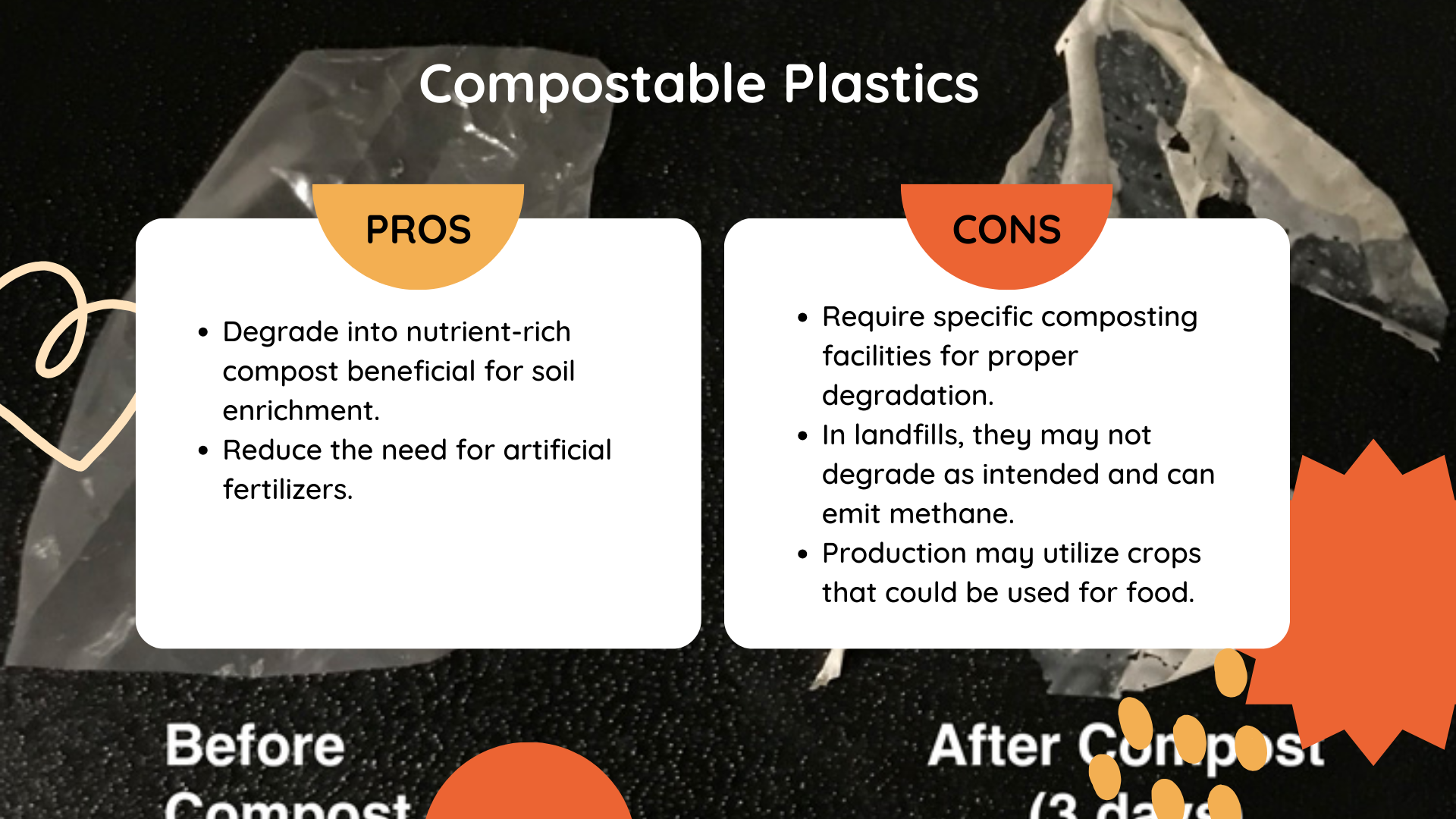
• Traditional plastic cups can persist in the environment for centuries
• Compostable cups break down within months to years under proper conditions
• Plastic production requires significant petroleum resources
• Compostable materials often come from renewable sources
• Plastic cups generate ongoing waste that must be managed
• Compostable cups reduce overall waste when properly disposed of
The environmental benefits of compostable cups become clear when you think about the lifecycle of each product. Plastic cups may seem cheaper upfront, but they create long-term environmental costs. Compostable cups might cost more initially, but they’re designed to work with nature rather than against it. However, it’s important to note that compostable cups only provide environmental benefits if they’re actually composted correctly. If they end up in regular landfills, they won’t decompose properly and lose their green advantage.
Plant Growth Performance Factors
How do these different cup types actually affect plant development? There are several key factors to consider:
• Root development – Plastic cups allow better root growth due to their stability
• Moisture retention – Compostable cups absorb water differently than plastic
• Temperature regulation – Plastic cups retain heat more consistently
• Transplant shock – Compostable cups reduce transplant stress
• Nutrient availability – Both types perform similarly when properly maintained
Gardeners often notice that plants grown in plastic cups develop stronger root systems, especially for larger plants. The stable structure allows roots to spread out without being disturbed. On the other hand, compostable cups are praised for reducing transplant shock since the entire container can be planted directly into the soil. This can lead to faster establishment and better early growth for some plant varieties.
The key is matching the cup type to your specific needs. If you’re growing delicate seedlings that need stable conditions, plastic might be better. For those wanting to minimize transplanting stress, compostable cups could be ideal.
Cost Considerations and Value
Budget plays a big role in this decision. Let’s break down the numbers:
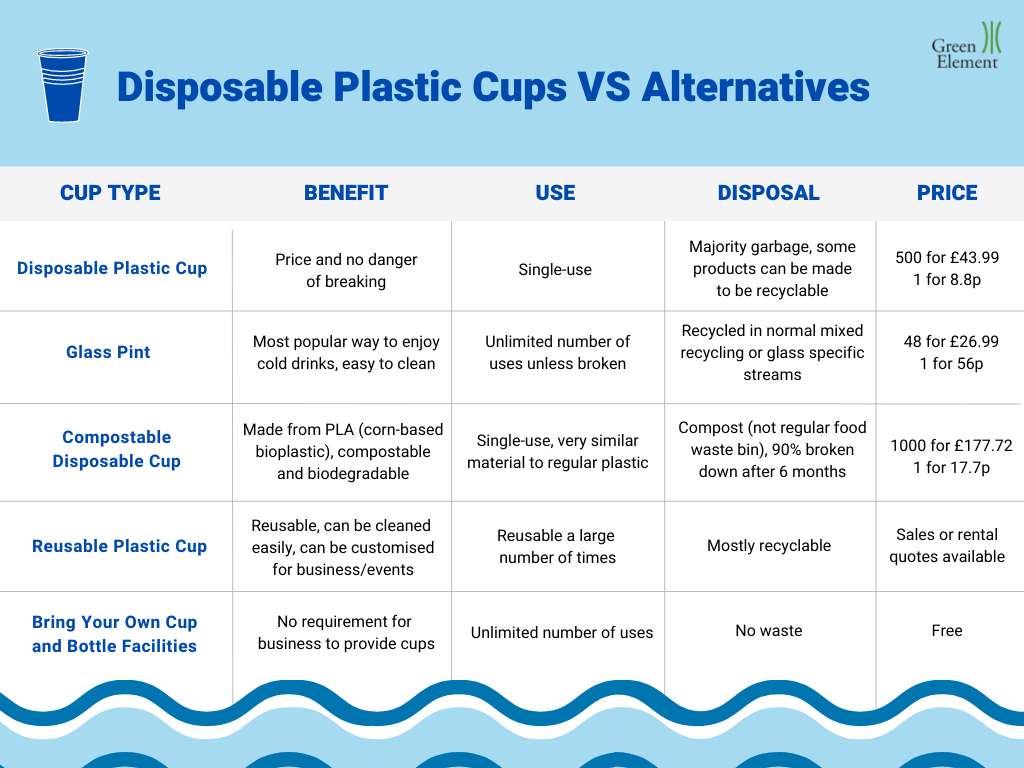
• Traditional cups cost $0.05-$0.10 each when purchased in bulk
• Compostable cups range from $0.15-$0.30 per cup
• Reusability factor – Plastic cups can be used for years
• Long-term savings – Compostable cups may save money on disposal costs
• Initial investment – Compostable cups require higher upfront spending
The math isn’t always straightforward. While plastic cups might seem like the cheaper option initially, you need to consider the total cost over time. If you’re reusing plastic cups for many seasons, the cost per use drops dramatically. However, if you’re buying new cups each year, the price difference becomes more significant.
Some gardeners find that compostable cups pay for themselves through reduced transplanting time and fewer plant losses due to transplant shock. The convenience factor alone can be worth the extra cost for busy gardeners. Additionally, some communities offer composting programs that make disposing of compostable cups easier and more economical than traditional waste management.
Practical Tips for Making Your Choice
Here are some practical considerations that can help guide your decision:
• Consider your gardening scale – Small gardens might prefer the cost-effectiveness of plastic
• Evaluate your composting capabilities – Do you have access to proper composting facilities?
• Think about your plant types – Some plants benefit more from one container type
• Plan for long-term use – Will you reuse containers regularly?
• Factor in space limitations – Compostable cups might be easier to store
• Consider local regulations – Some areas have restrictions on certain materials
For beginners, starting with traditional plastic cups can be practical. They’re reliable, affordable, and widely available. As you gain experience and become more environmentally focused, you might want to experiment with compostable options. Many gardeners find success in using a hybrid approach, mixing both types based on their specific needs.
The most important thing is to make an informed choice based on your situation. Whether you choose traditional or compostable, the key is using good growing practices and paying attention to your plants’ needs.
Choosing between traditional and compostable seedling cups isn’t just about personal preference—it’s about aligning your gardening practices with your values and goals. Both options have their place in the garden, and the best choice depends on your specific circumstances. Traditional cups offer proven reliability and lower upfront costs, while compostable alternatives provide environmental benefits and convenience for those willing to invest a bit more. The most successful gardeners often combine elements of both approaches, using what works best for each situation. What matters most is that you’re thoughtful about your choices and committed to healthy plant growth. Whether you’re a seasoned gardener or just starting out, understanding these differences helps you make decisions that support both your garden’s success and the health of our planet. The right container choice might seem small, but it’s part of a bigger picture of mindful gardening practice.