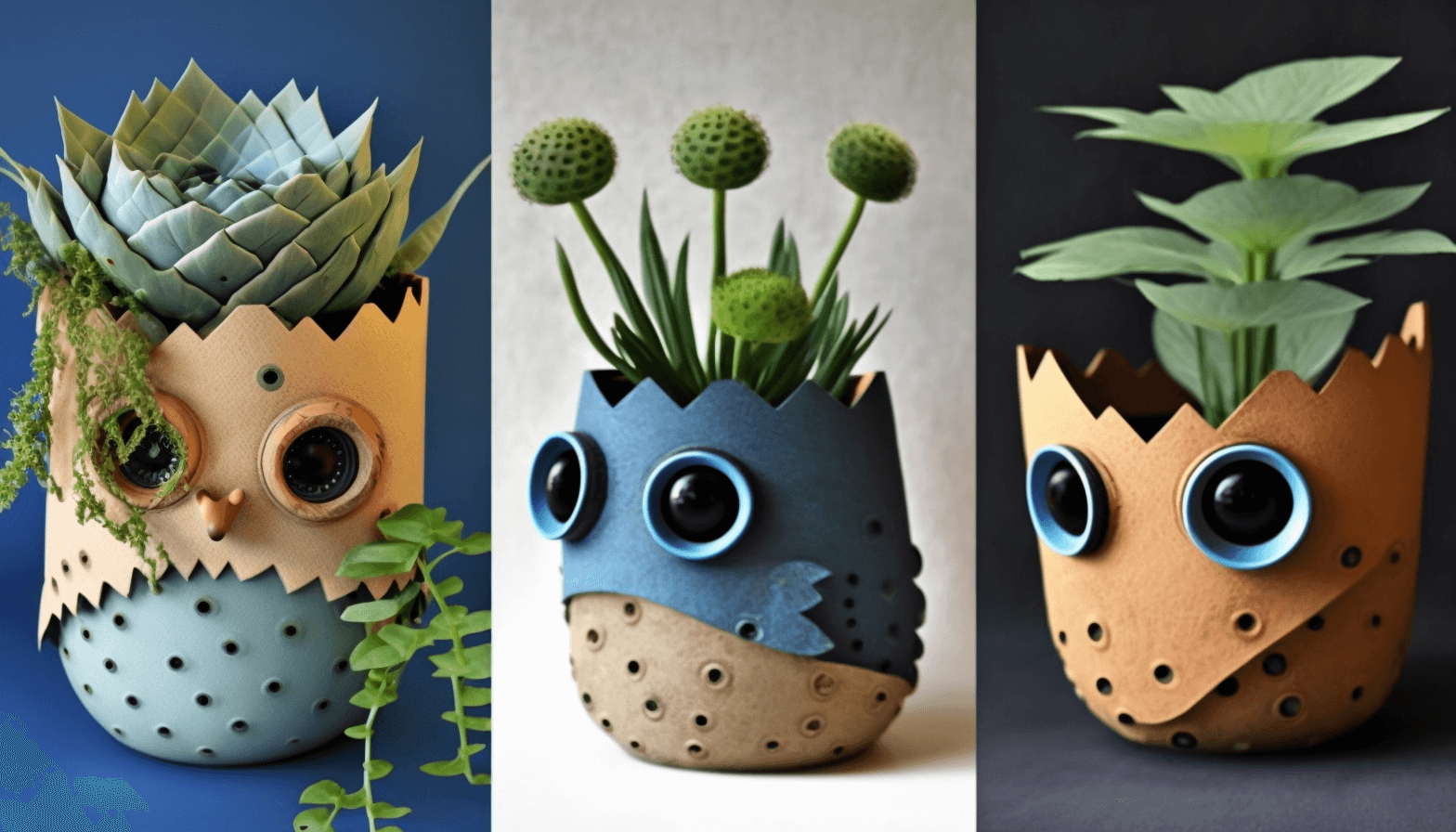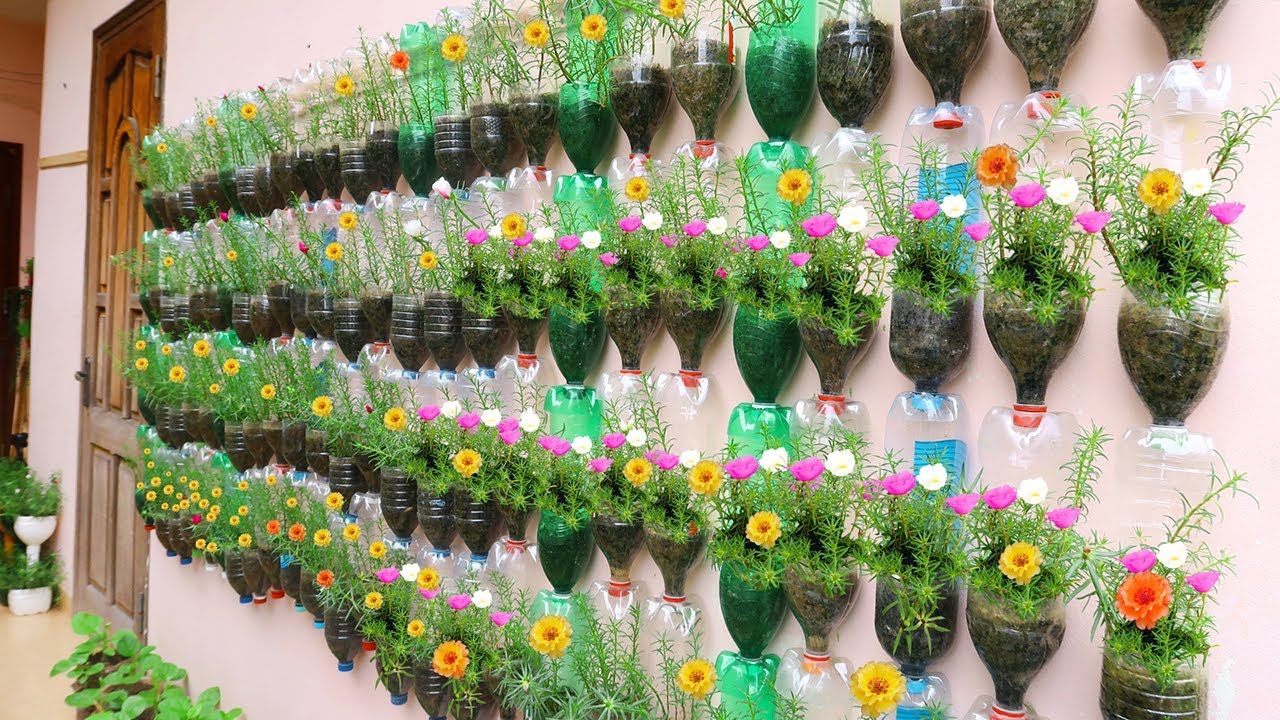
When we think about sustainable gardening, we often picture biodegradable pots or reusable containers made from natural materials. But what about those plastic caddies that promise to be eco-friendly? These recycled plastic plant caddies have become increasingly popular, but do they really live up to their green claims? Let’s take a closer look at what happens behind the scenes when these seemingly innocent garden accessories are made and used.
Have you ever stopped to consider where your plant caddy came from? Most of us simply grab one off the shelf without thinking twice about its origins or what it might be doing to our planet. These recycled plastic plant caddies are everywhere now – from big box stores to online retailers, promising both convenience and environmental responsibility. But how much truth is there to these promises? What really happens when we recycle plastic to make something as seemingly simple as a plant caddy? The answer isn’t always straightforward, and understanding the full story requires looking beyond the surface level.
What Makes a Plant Caddy ‘Recycled’?
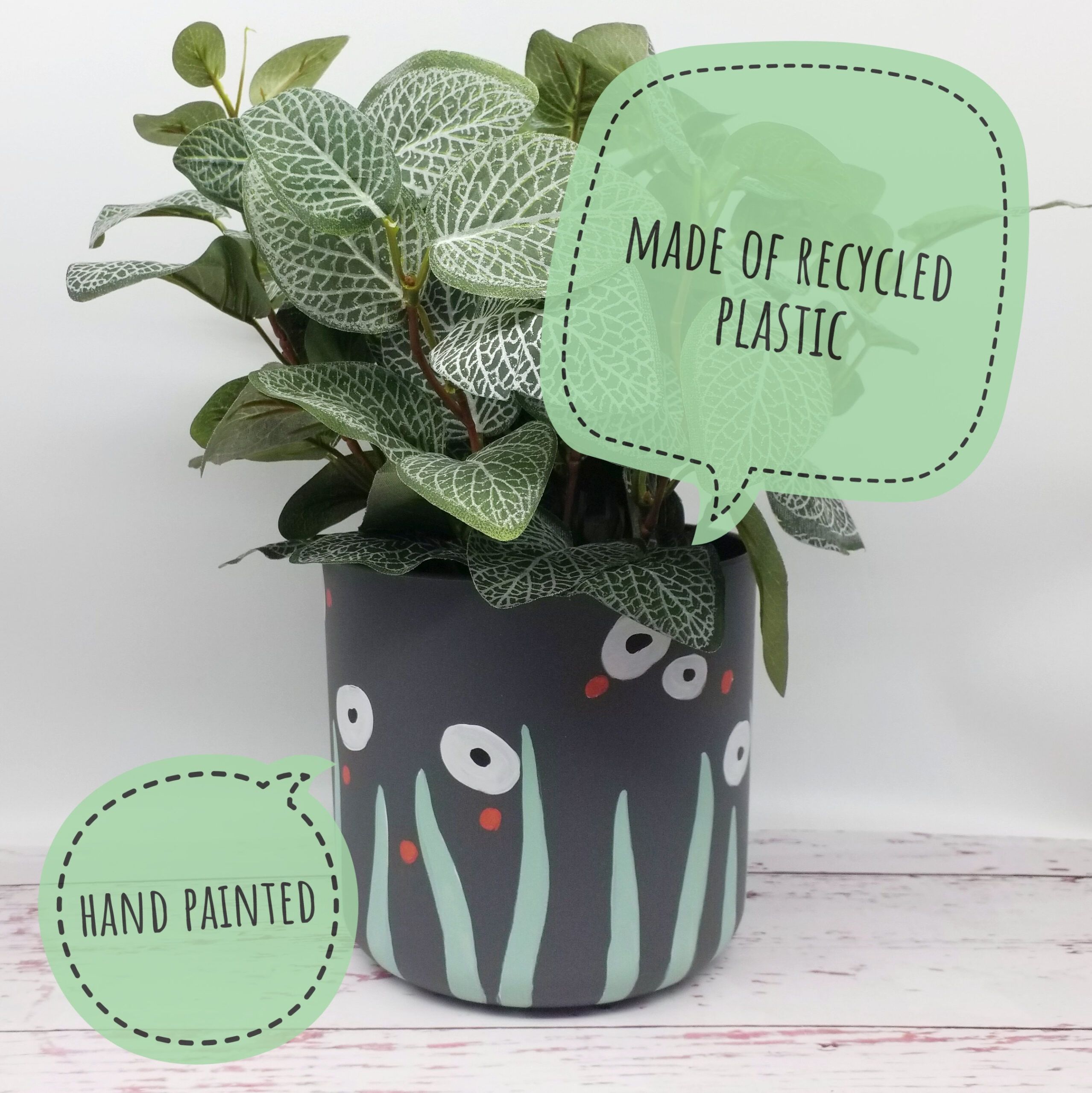
Let’s start with the basics. When manufacturers say a plant caddy is made from recycled plastic, they usually mean it’s created using post-consumer waste like old bottles, containers, and packaging materials. This process involves collecting used plastics, cleaning them thoroughly, breaking them down into smaller pieces, and then melting them to form new products. It’s a circular approach that seems like a win-win for the environment. However, the reality is more nuanced than it appears. Not all recycled plastic is created equal, and the quality of the original material affects the final product significantly. Some caddies might contain only a small percentage of actual recycled content, while others could be made entirely from reclaimed materials. The key question remains: does the recycling process actually reduce environmental harm compared to creating new plastic?
The Recycling Process and Energy Consumption
The journey from discarded plastic to a new plant caddy involves several steps, each with its own energy requirements and environmental considerations. First, the plastic must be collected, sorted, and cleaned – a process that often involves significant water usage and chemical treatments. Then comes the melting phase, which requires considerable heat and electricity. Many recycling facilities rely on fossil fuels to power their operations, which means even the recycling process itself contributes to carbon emissions. But here’s the twist – some studies show that recycling plastic uses less energy than producing virgin plastic from scratch. The catch? This benefit is most pronounced when the recycling rate is high and contamination levels are low. In practice, the energy savings aren’t always as dramatic as they might seem. Plus, the durability and lifespan of recycled plastic products often depend on the quality of the original materials and the manufacturing process.
Durability and Longevity Considerations
One of the main advantages of recycled plastic caddies is their supposed longevity. Unlike paper or cardboard alternatives that might degrade quickly, plastic caddies can last for years if properly maintained. This extended lifespan can theoretically reduce overall consumption and waste generation over time. However, the durability factor depends heavily on the type of recycled plastic used and how well it’s processed. Some recycled caddies may crack or fade under harsh weather conditions, potentially leading to premature replacement. When a caddy breaks down, it doesn’t automatically become recyclable again – many recycled plastics can only be processed a limited number of times before their molecular structure degrades too much to be useful. So while the initial production might be more environmentally friendly, the end-of-life scenario for these products still presents challenges.
Comparison With Traditional Alternatives
To truly understand the environmental impact, we need to compare recycled plastic caddies with their alternatives. Traditional clay pots offer excellent breathability for plant roots but are fragile and require significant energy to produce through firing processes. Biodegradable options like coir or peat pots are compostable but may not provide the same structural support or longevity. Paper and cardboard caddies are easy to dispose of but tend to break down quickly and may not withstand outdoor conditions. The comparison shows that no single option is perfect, but recycled plastic caddies do offer a middle ground. They’re more durable than biodegradable alternatives, don’t require the energy-intensive firing process of clay pots, and reduce demand for new plastic production. However, they’re not without their own set of environmental trade-offs that deserve careful consideration.
End-of-Life Scenarios and Waste Management
What happens when a recycled plastic caddy finally reaches the end of its useful life? This is where things get complicated. Many of these caddies can be recycled again, but only if they’re accepted by local recycling programs and aren’t contaminated with soil or plant matter. If they end up in landfills, they don’t decompose like organic materials, but they also don’t release harmful chemicals like some traditional plastics might. The key issue lies in the recycling infrastructure available in different regions. Some communities have robust recycling systems that can handle these products effectively, while others lack the capability to process them properly. This variation in waste management creates inconsistent environmental outcomes across different areas. Additionally, the concept of ‘recycled’ doesn’t guarantee sustainability if the product eventually becomes waste rather than being reused multiple times.
Making Informed Choices for Your Garden
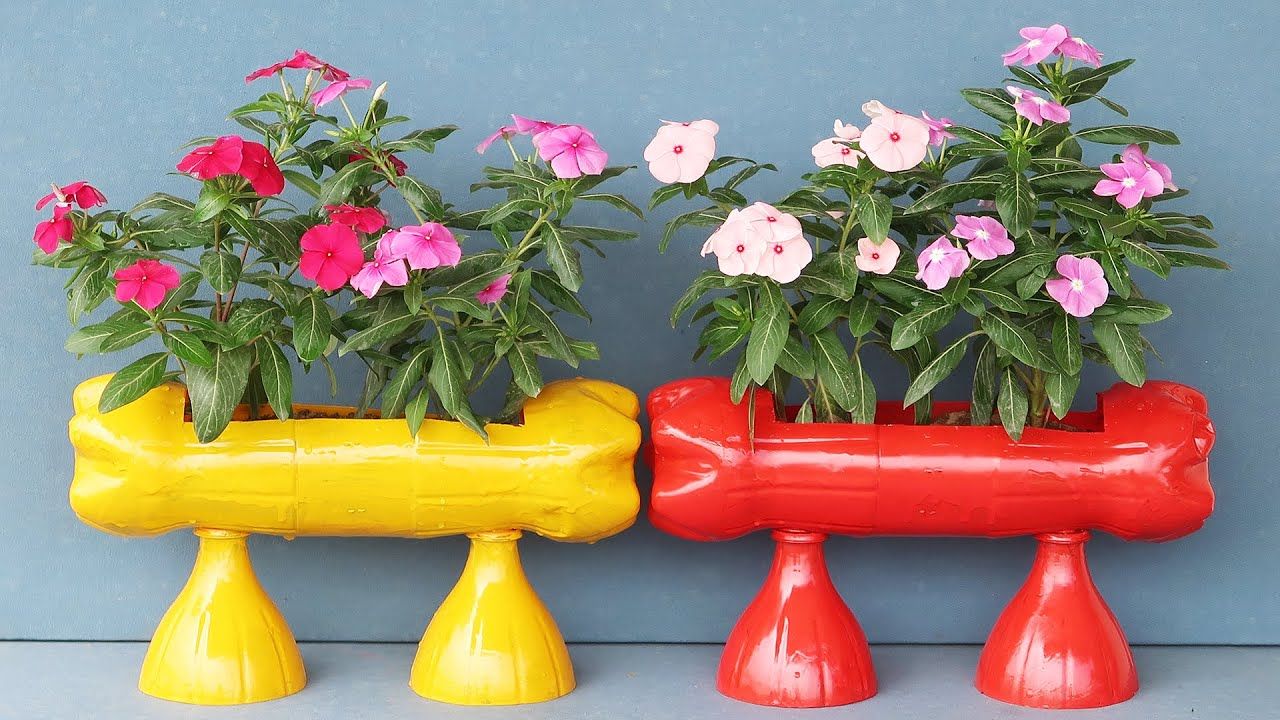
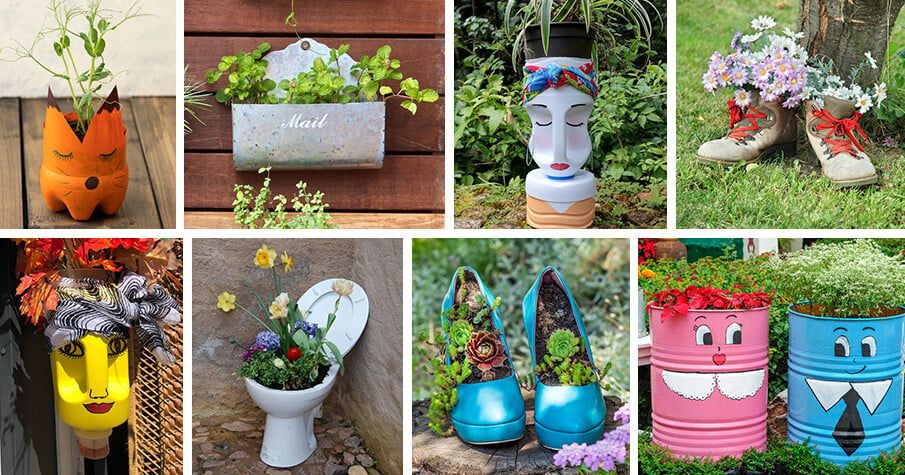
So what should gardeners do when choosing plant caddies? The best approach is to consider multiple factors beyond just whether something is labeled as ‘recycled.’ Look for caddies made from high-quality recycled materials that are designed for long-term use. Check if the manufacturer provides information about the actual percentage of recycled content in their products. Consider buying locally produced items to reduce transportation emissions. Think about how you’ll dispose of the caddy when it’s no longer usable – will it be recyclable in your area? Also, remember that reusing existing containers instead of buying new ones is often the most environmentally friendly choice. For example, repurposing old buckets, cans, or even milk jugs can eliminate the need for new products altogether. The most responsible approach combines understanding the product’s lifecycle with mindful consumption habits.
The environmental impact of recycled plastic plant caddies isn’t simply a matter of good intentions or marketing claims. It’s a complex web of manufacturing processes, energy consumption, durability, and disposal scenarios that vary significantly based on location and individual choices. While these products do represent a step forward from single-use alternatives and reduce demand for new plastic production, they’re not a silver bullet for environmental problems. The most environmentally sound approach involves making thoughtful decisions about what we buy, how we use products, and what happens to them after we’re done with them. Whether choosing recycled plastic caddies or exploring other options, the key is to stay informed and consider the full lifecycle of the products we bring into our gardens. After all, every choice we make in our gardening practices contributes to the larger conversation about how we want to interact with our environment.