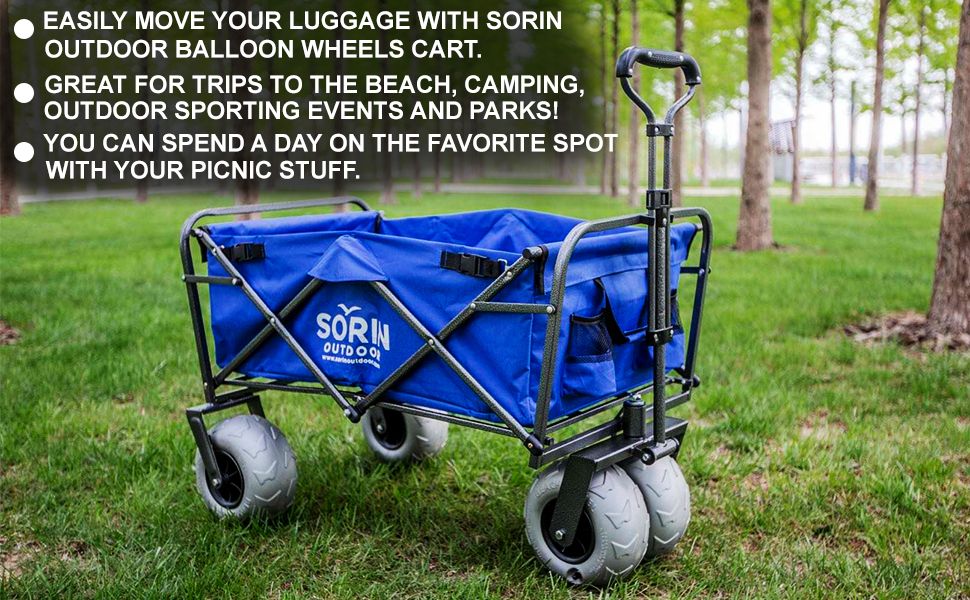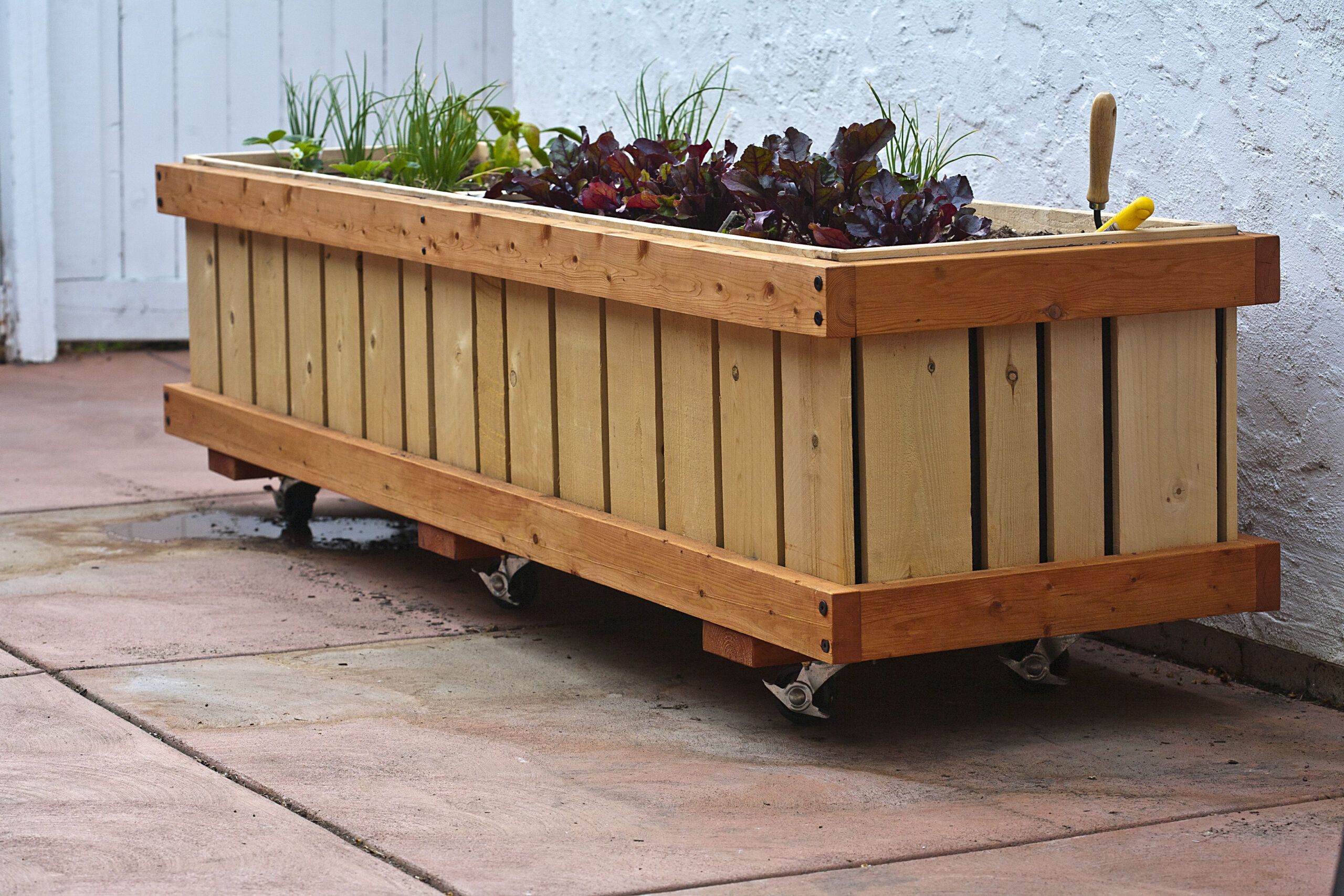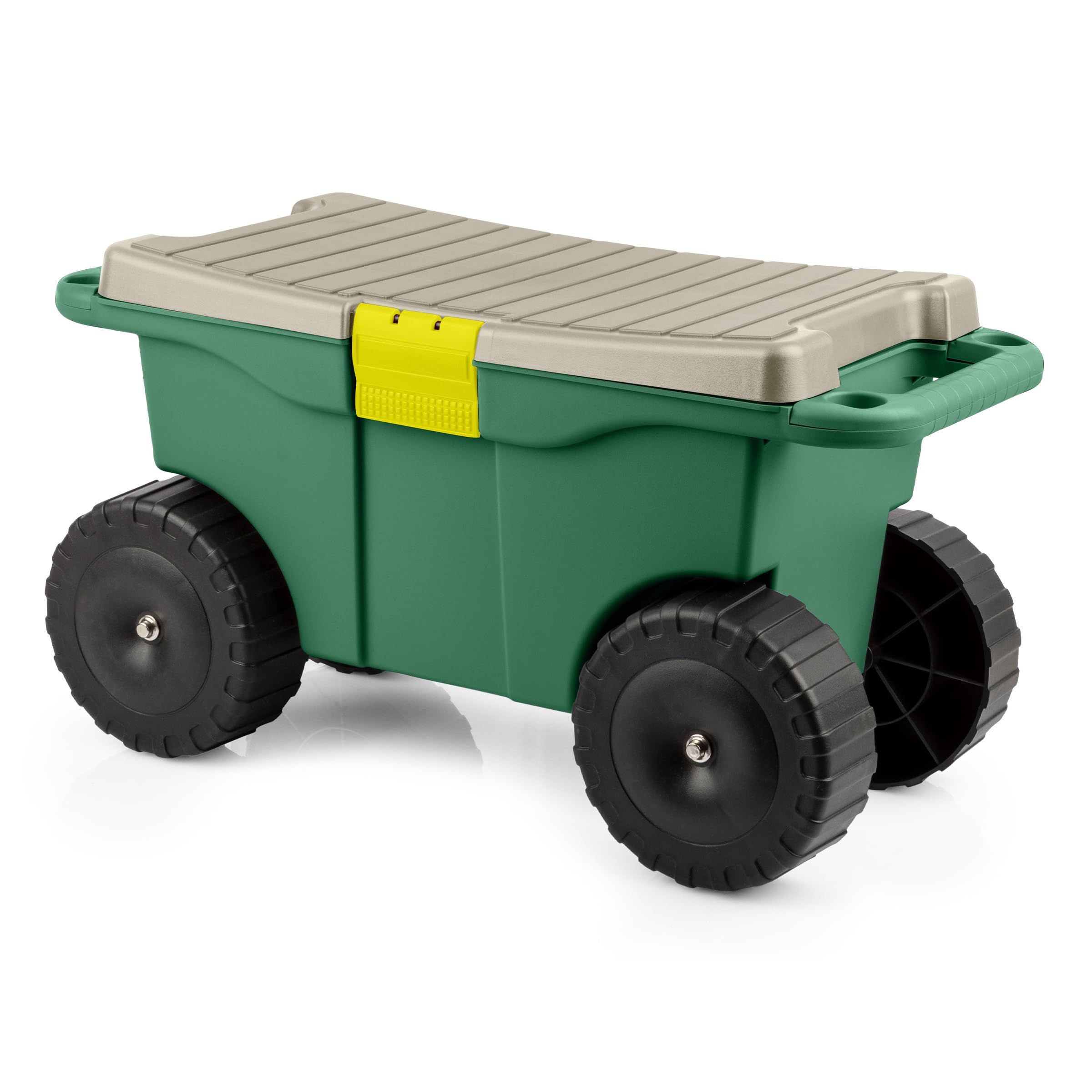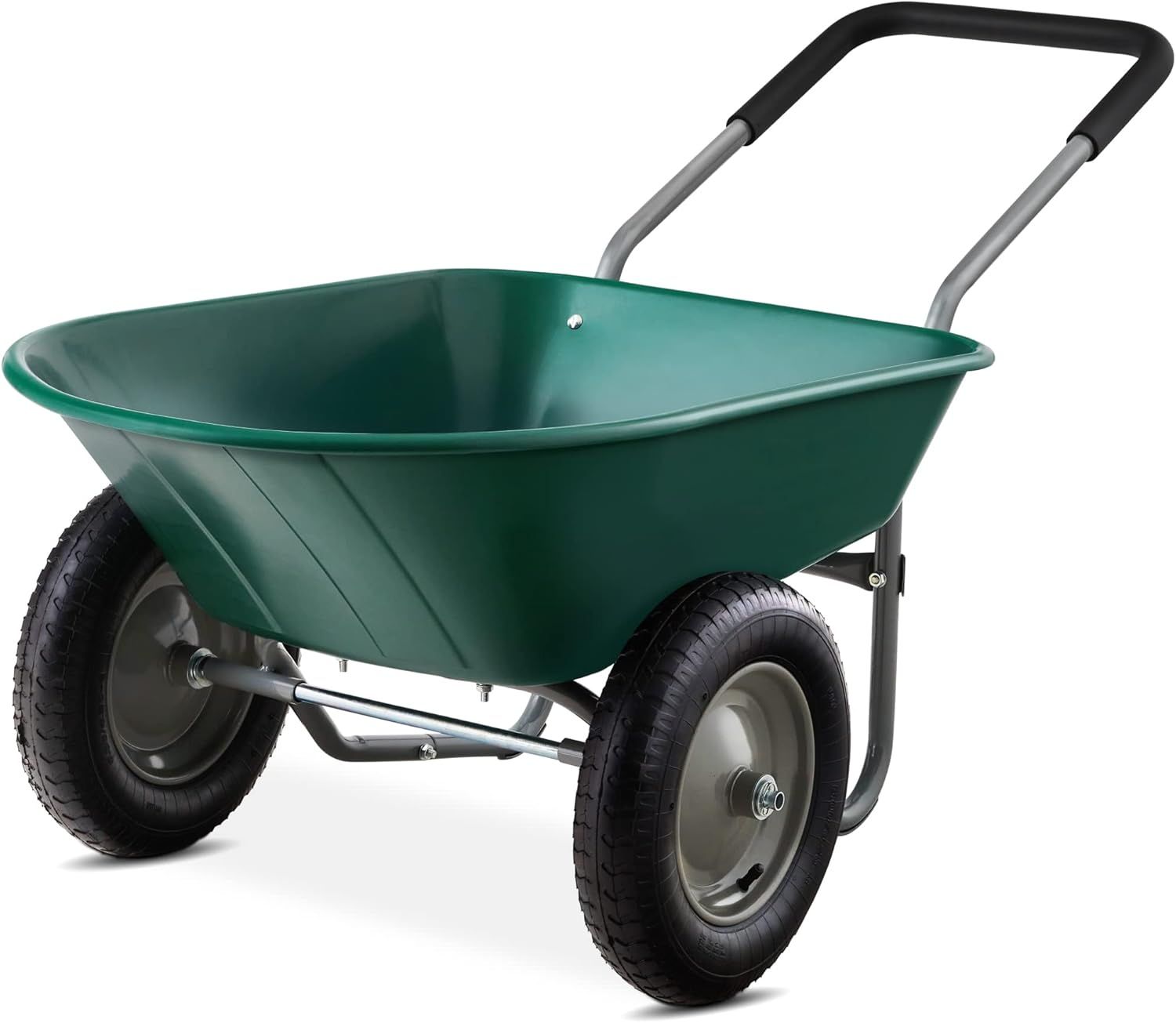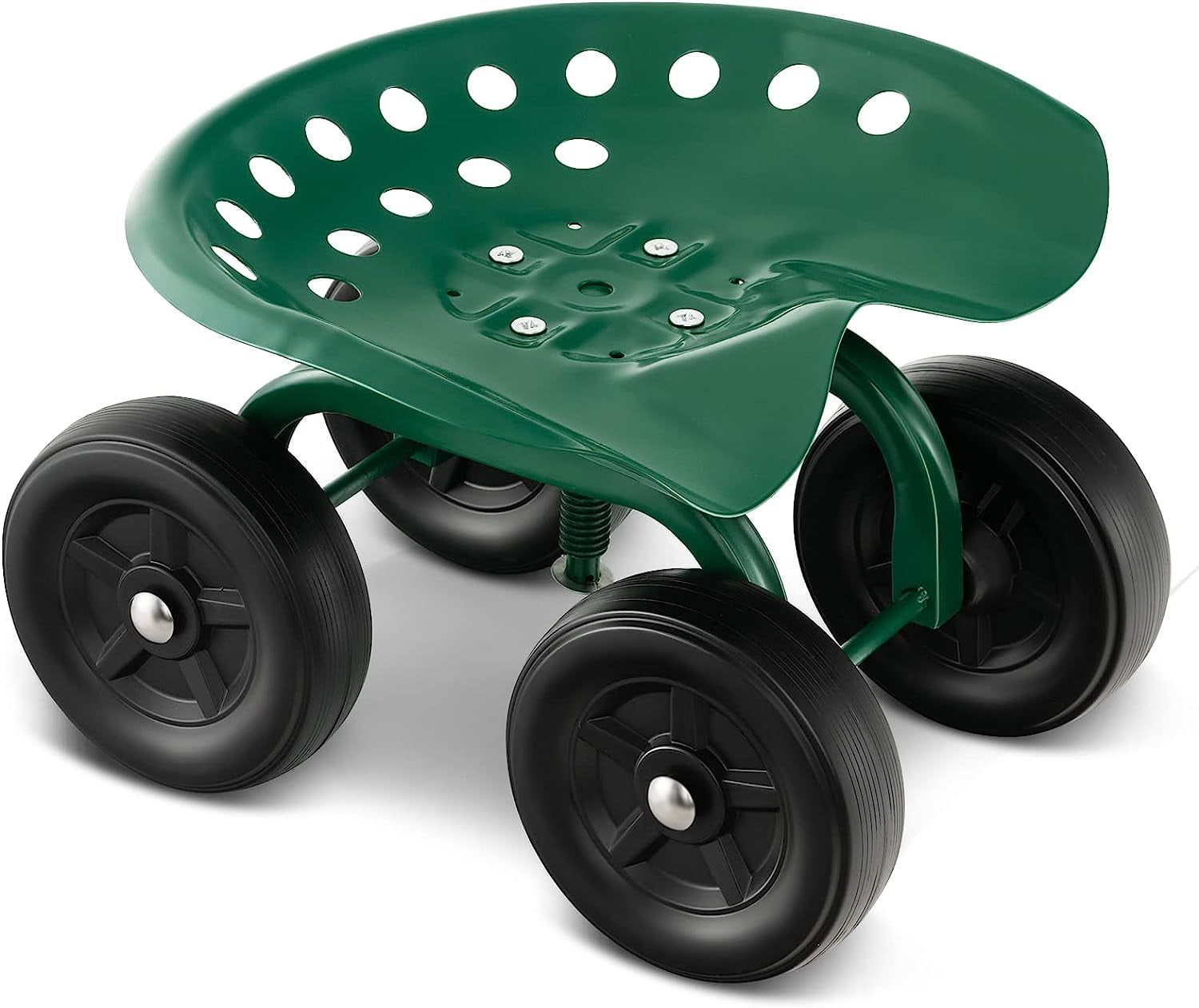
When it comes to maintaining your garden, the right wheels can make all the difference. They’re often overlooked, but these small components play a huge role in how well your garden cart performs. Whether you’re moving heavy bags of soil or pulling along your favorite gardening tools, choosing sustainable wheels isn’t just good for the planet—it’s good for your wallet and your garden too.
Garden carts are essential tools for many of us, but the wheels that move them often go unnoticed. Yet these little components take the brunt of daily wear and tear. When you’re shopping for new wheels, you’re not just buying parts—you’re investing in the longevity of your garden equipment. This guide will walk you through everything you need to know about selecting sustainable garden cart wheels that will serve you well for years to come.
Understanding Sustainable Materials
Sustainable garden cart wheels aren’t just about being eco-friendly—they’re about durability and performance too. The best sustainable materials include recycled rubber, which can be made from old tires or other rubber products. This material offers excellent traction and can handle rough terrain without wearing down quickly. Another great option is polyurethane, which is often made from renewable resources and provides smooth rolling action. Some manufacturers even use recycled plastic, though this tends to be less common. Think about what your cart will encounter regularly. If you have rocky soil or rough paths, you’ll want something sturdy. If you mostly work on smooth lawns, you might prioritize smooth rolling over extra durability. The key is finding a balance between environmental impact and functional needs.
Durability Considerations
The most sustainable choice isn’t always the cheapest one, but it’s definitely the one that lasts longest. When evaluating wheel durability, look for features like reinforced axles and thick wall construction. These elements prevent premature failure and reduce the need for replacements. Consider how much weight your cart will carry regularly. Heavier loads mean more stress on wheels, so you’ll want materials that can handle that pressure. For example, solid rubber wheels tend to outlast pneumatic ones, especially in harsh weather conditions. Many gardeners find that their wheels fail first due to UV exposure rather than normal wear. That’s why some manufacturers add UV-resistant coatings or choose materials that naturally resist fading. It’s worth noting that wheels that are too soft may compress under load, while those that are too hard might vibrate excessively and damage your cart frame.
Performance Factors to Evaluate
What makes a wheel truly effective depends on how it handles different situations. Rolling resistance matters when you’re pushing a full cart around your yard. Lower rolling resistance means less effort for you. Some wheels are designed specifically for off-road use, featuring larger diameters and aggressive tread patterns. Others focus on smooth lawn rolling, using smoother surfaces and smaller profiles. Consider the terrain you’ll navigate most often. If you have a lot of gravel or stones, you’ll want wheels that can handle that without getting stuck or damaged. On the flip side, if your garden is mostly smooth grass, you might prefer quieter, smoother rolling wheels. The size of the wheel also plays a role in performance. Larger wheels generally roll over obstacles better, but they can make your cart feel top-heavy. Smaller wheels are more maneuverable but may struggle with rough ground.
Environmental Impact Assessment
Choosing sustainable wheels means looking beyond the initial purchase price. Consider the entire lifecycle of the product. Are the materials recyclable? Can the wheels be repaired rather than replaced entirely? Some companies offer wheel repair services or sell replacement parts, extending product life significantly. The manufacturing process matters too. Wheels made with renewable energy sources or produced using minimal water usage are more environmentally friendly. Look for certifications like Cradle to Cradle or other sustainability labels. These provide assurance that the product meets certain environmental standards. Also consider the transportation impact. Wheels shipped from far away might have a higher carbon footprint than locally-made alternatives. Local suppliers often provide faster delivery times and reduce emissions from shipping. Many sustainable wheel manufacturers also focus on reducing packaging waste, using minimal or recyclable materials for shipping.
Cost-Benefit Analysis for Longevity
Investing in quality wheels pays off over time. While premium wheels might cost more upfront, they typically last longer and require fewer replacements. Calculate the total cost of ownership over several years. Factor in maintenance costs, potential replacements, and the time saved from not having to fix or replace wheels frequently. For example, a $20 set of high-quality wheels that last five years versus $10 wheels that need replacing annually means a significant savings. Consider also the productivity gains. Wheels that roll smoothly and don’t break easily save you time and frustration. You won’t spend as much time stopping to repair or replace components. The investment in sustainable wheels also reduces waste. Fewer replacements mean less material going to landfills. Some gardeners find that upgrading to better wheels eliminates the need for expensive cart repairs later on. This is particularly true when wheels are the weakest link in the overall cart system.
Maintenance and Care Tips
Even the best sustainable wheels need proper care to maximize their lifespan. Regular cleaning prevents buildup that can affect performance. Simple maintenance like checking for wear and ensuring wheels rotate freely can extend their life dramatically. Some wheels benefit from periodic lubrication, though this varies by material type. Keep an eye on signs of wear such as cracking, flattening, or unusual noises during operation. Addressing issues early prevents bigger problems down the road. Store your cart properly during off-seasons to avoid unnecessary wear. Covering it or storing it indoors protects wheels from weather damage. Some gardeners use wheel covers or protective sleeves, especially in harsh climates. Following manufacturer recommendations for maintenance helps ensure optimal performance. Many sustainable wheel brands offer detailed care instructions that are worth reading carefully.
Choosing sustainable garden cart wheels is more than just a green choice—it’s a smart investment in your garden’s future. By focusing on durable materials, appropriate performance characteristics, and environmental considerations, you can select wheels that will serve you well for years to come. Remember that the most sustainable option isn’t always the cheapest, but it’s usually the most economical over time. Take time to assess your specific needs, whether that’s handling heavy loads, navigating rough terrain, or simply wanting smooth rolling action. The right wheels will make your gardening tasks easier, reduce maintenance headaches, and contribute to a healthier environment. Don’t overlook these small but mighty components—they’re the foundation of a well-functioning garden cart system.