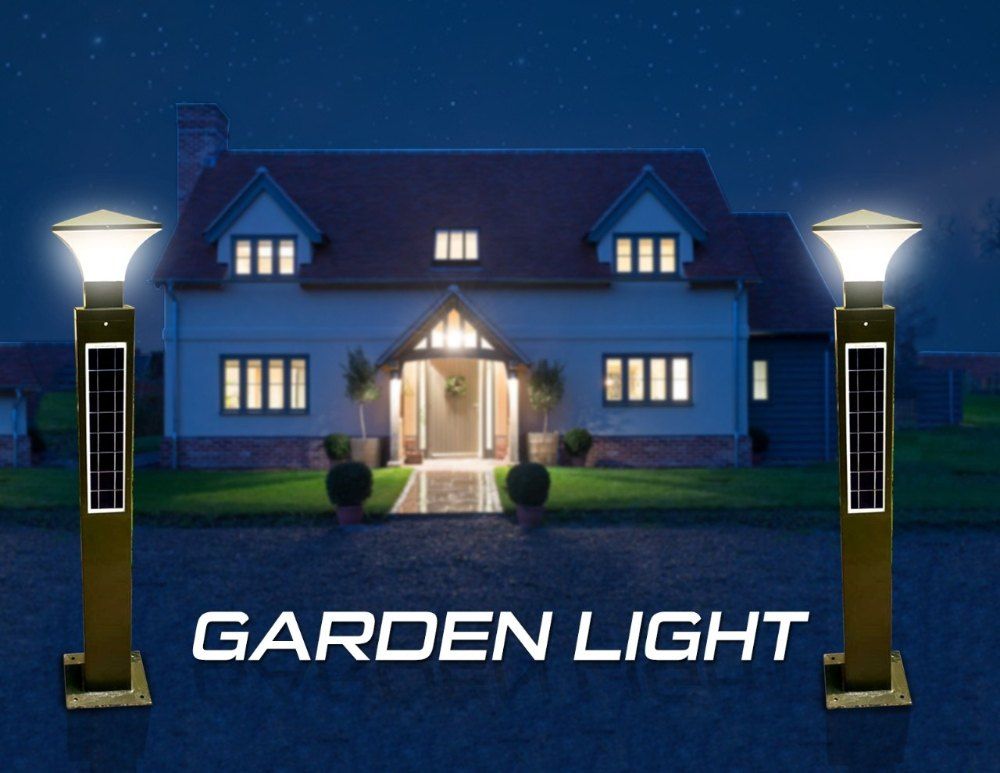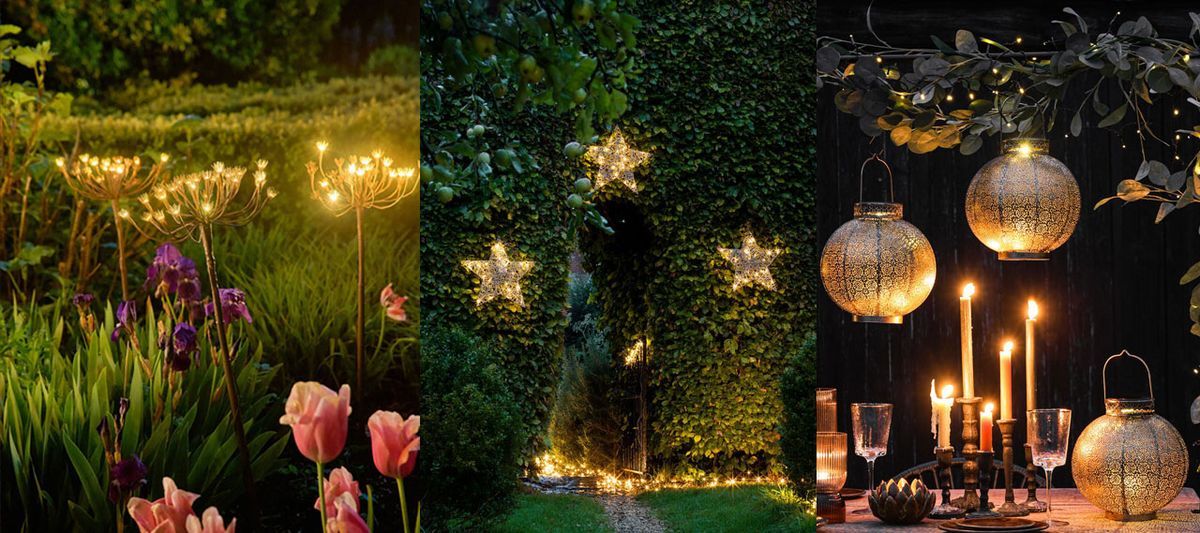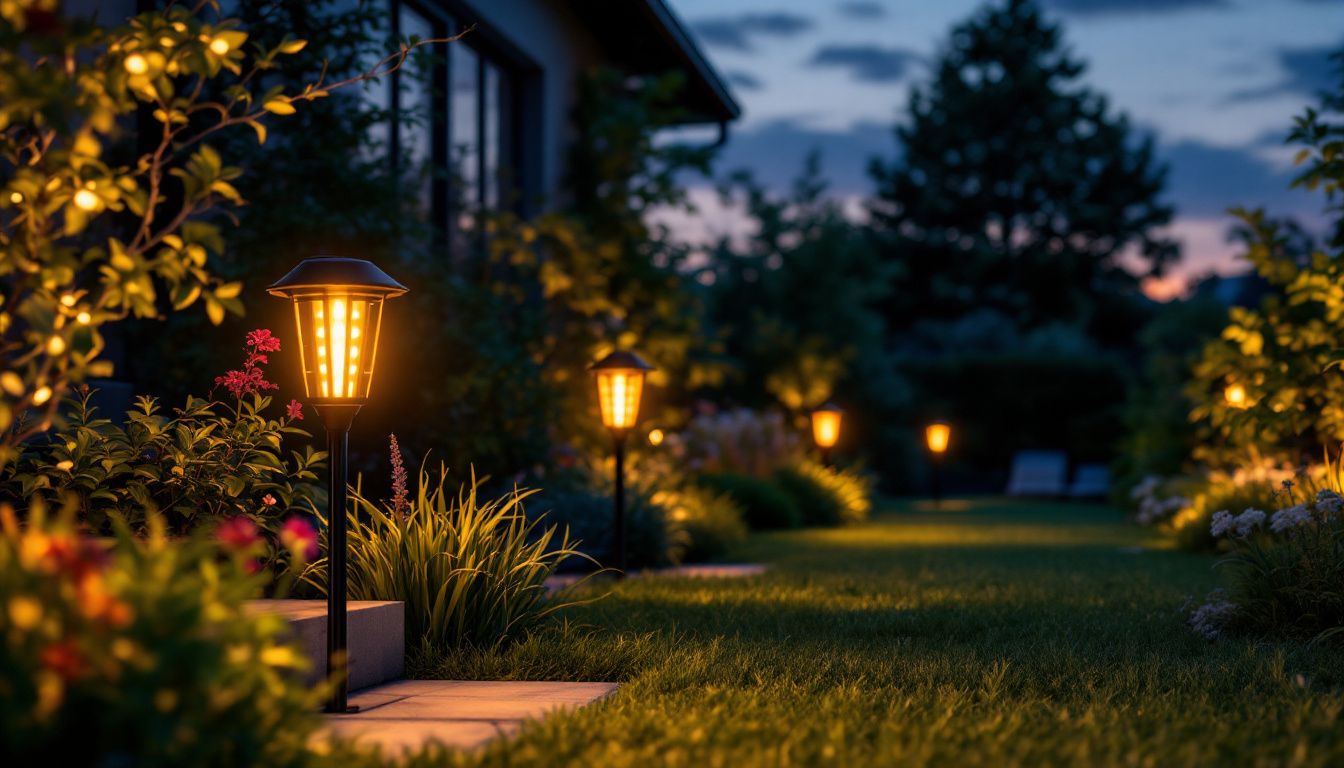
Imagine walking through your garden at night, illuminated by soft, warm light that seems to dance among the flowers and trees. That’s exactly what happens when you choose the right solar garden lights for your outdoor space. It’s not just about making things brighter – it’s about creating atmosphere, safety, and beauty after dark.
Garden lighting has become one of the most popular ways to enhance outdoor living spaces. But with so many options available, picking the perfect solar garden lights can feel overwhelming. You want something that looks great, works reliably, and fits your budget. The good news is that understanding a few key factors makes all the difference. Whether you’re looking to highlight a pathway, illuminate a seating area, or simply add some ambiance to your yard, we’ll walk you through everything you need to consider when choosing solar garden lights.
Understanding Solar Garden Light Basics
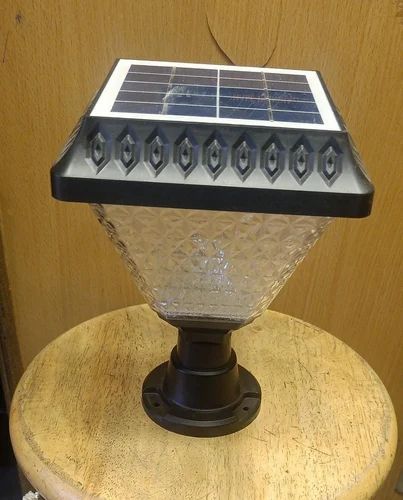
Solar garden lights work by harnessing energy from the sun during the day and converting it into electricity to power LED bulbs at night. This process involves photovoltaic panels that capture sunlight and store it in rechargeable batteries. The whole system is typically self-contained, requiring no electrical wiring or external power source. Think of them as tiny solar-powered cities that operate independently. Most lights have sensors that automatically turn them on when darkness falls and off when daylight returns. This means they’re smart enough to work without constant attention. The key components include solar panels, battery packs, LED bulbs, and light sensors. Understanding how these pieces work together helps you make better choices when shopping for garden lights.
Key Features to Look For
When evaluating solar garden lights, focus on several important characteristics:
• Brightness levels measured in lumens – higher numbers mean more light output
• Battery life duration – how long the lights stay on each night
• Weather resistance ratings – especially important for outdoor use
• Light sensor sensitivity – affects when lights turn on and off
• Installation ease – some require simple stakes while others need more effort
• Durability factors – materials that resist rust, cracking, or fading
These features directly impact how well your lights perform in real-world conditions. For instance, if you live in a cloudy climate, you’ll want lights with strong battery capacity and high lumen output. A quality light should provide consistent performance year-round, regardless of weather changes.
Types of Solar Garden Lights Available
There are various styles of solar garden lights, each serving different purposes:
• Pathway lights – designed to guide visitors along walkways
• Spotlights – perfect for highlighting specific plants or architectural features
• String lights – create a romantic atmosphere with multiple bulbs
• Lanterns – offer classic styling with good illumination
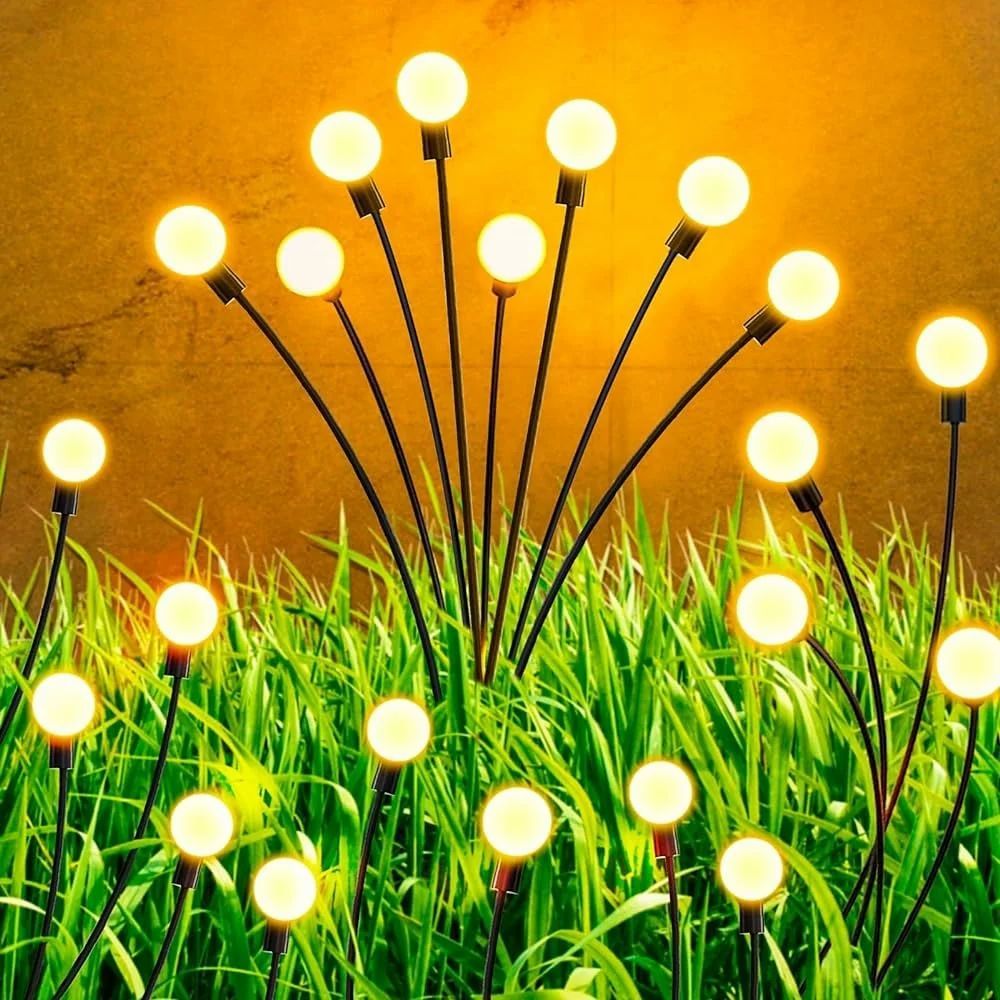
• Decorative figures – combine functionality with artistic appeal
• Flood lights – provide broad coverage for larger areas
Consider what you want to accomplish in your outdoor space. Do you need to see where you’re walking? Are you trying to showcase certain plants? Or do you simply want to create a cozy environment for evening gatherings? Different light types excel at different tasks. For example, pathway lights should be bright enough to show the way clearly, while decorative figures might prioritize visual appeal over maximum brightness.
Installation Considerations
Where you place your solar garden lights matters almost as much as what you buy. Sun exposure is critical – your lights need at least 6-8 hours of direct sunlight daily to charge properly. Avoid shady spots under trees or buildings that block the sun. The ground should be firm and level for stable placement. Some lights come with stakes that go directly into soil, while others require mounting hardware. Think about the layout of your garden first. Plan where you want to create focal points or improve visibility. If you’re installing multiple lights, consider spacing them evenly to create a cohesive look. Also remember that some lights might need to be repositioned seasonally due to changing sun angles.
Battery and Charging Performance
The heart of any solar garden light is its battery system. Modern lights typically use lithium-ion or nickel-metal hydride batteries that can handle hundreds of charge cycles. Quality batteries last longer and maintain their charging ability even in less-than-ideal conditions. Pay attention to how long the lights stay on per night – this depends on battery capacity and light usage. A typical light might run for 4-8 hours depending on its design and battery size. During winter months or cloudy days, expect reduced performance. Some lights feature backup charging capabilities that allow them to work even when sunlight is limited. These often come at a higher price point but can be worth it if you live in a region with variable weather.
Maintenance and Longevity
Solar garden lights generally require very little maintenance compared to traditional outdoor lighting. However, keeping them clean helps ensure optimal performance. Dust, dirt, and debris can reduce solar panel efficiency. Wipe panels gently with a soft cloth once a month or when they appear dirty. Check that lights are securely positioned and adjust if needed. Most manufacturers offer warranties ranging from 1-3 years, though quality lights often exceed these expectations. With proper care, good solar garden lights can last 5-7 years or more. Some people upgrade every few years to take advantage of new technology improvements. Regular checks during seasonal transitions can help identify any issues early before they become bigger problems.
Choosing the right solar garden lights for your outdoor space is both an art and a science. It combines understanding of basic technology with knowledge of your specific needs and preferences. By considering factors like brightness requirements, installation location, battery performance, and long-term maintenance, you can make confident decisions that will enhance your outdoor experience for years to come. Remember, the best solar garden lights are those that seamlessly blend functionality with aesthetics, creating a space that feels both safe and inviting after dark. Take time to think about what you want to achieve in your garden, and let that vision guide your selection process. With the right approach, your outdoor space will transform into a beautiful sanctuary that you’ll enjoy anytime the sun goes down.