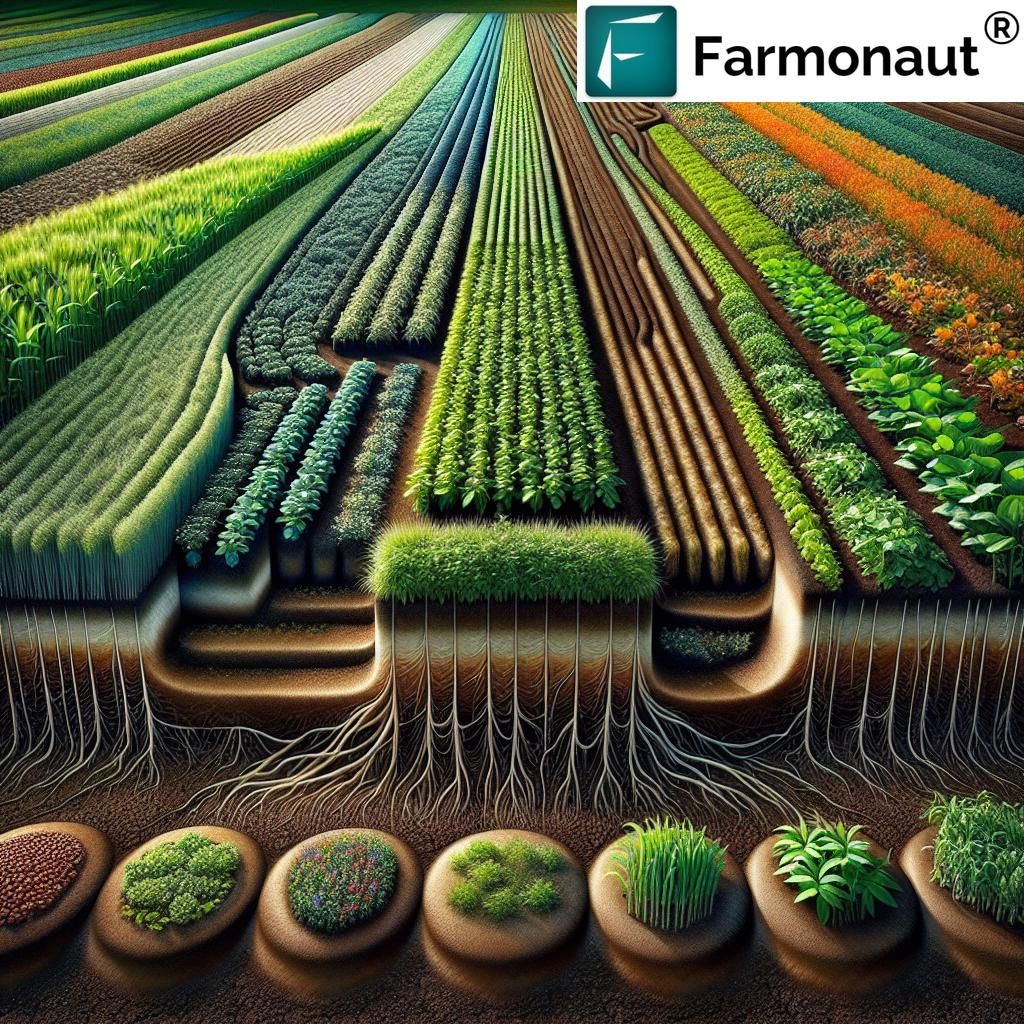
Every time you plant a seed or tend to your garden, you’re engaging in one of nature’s most complex conversations. Below the surface, an entire ecosystem thrives, invisible to the naked eye yet crucial to everything that grows above ground. Soil isn’t just dirt – it’s a living, breathing community of microorganisms, nutrients, and minerals working together in ways we’re still learning about. The health of this underground world directly impacts the health of your plants, your food, and even your local environment.
Think about it – when you dig into your garden or look at a field, you see mostly empty space. But beneath that surface lies an incredibly complex world. Soil contains more organisms than all the other creatures on Earth combined. It’s like a bustling city underground, complete with traffic patterns, communication systems, and nutrient distribution networks. Yet most people treat soil like a simple medium for growing things, not realizing they’re essentially managing a delicate ecosystem. That’s where environmentally conscious testing tools come in. These aren’t just fancy gadgets – they’re windows into understanding how to better care for the foundation of all life above ground.
What Makes Soil Healthy?
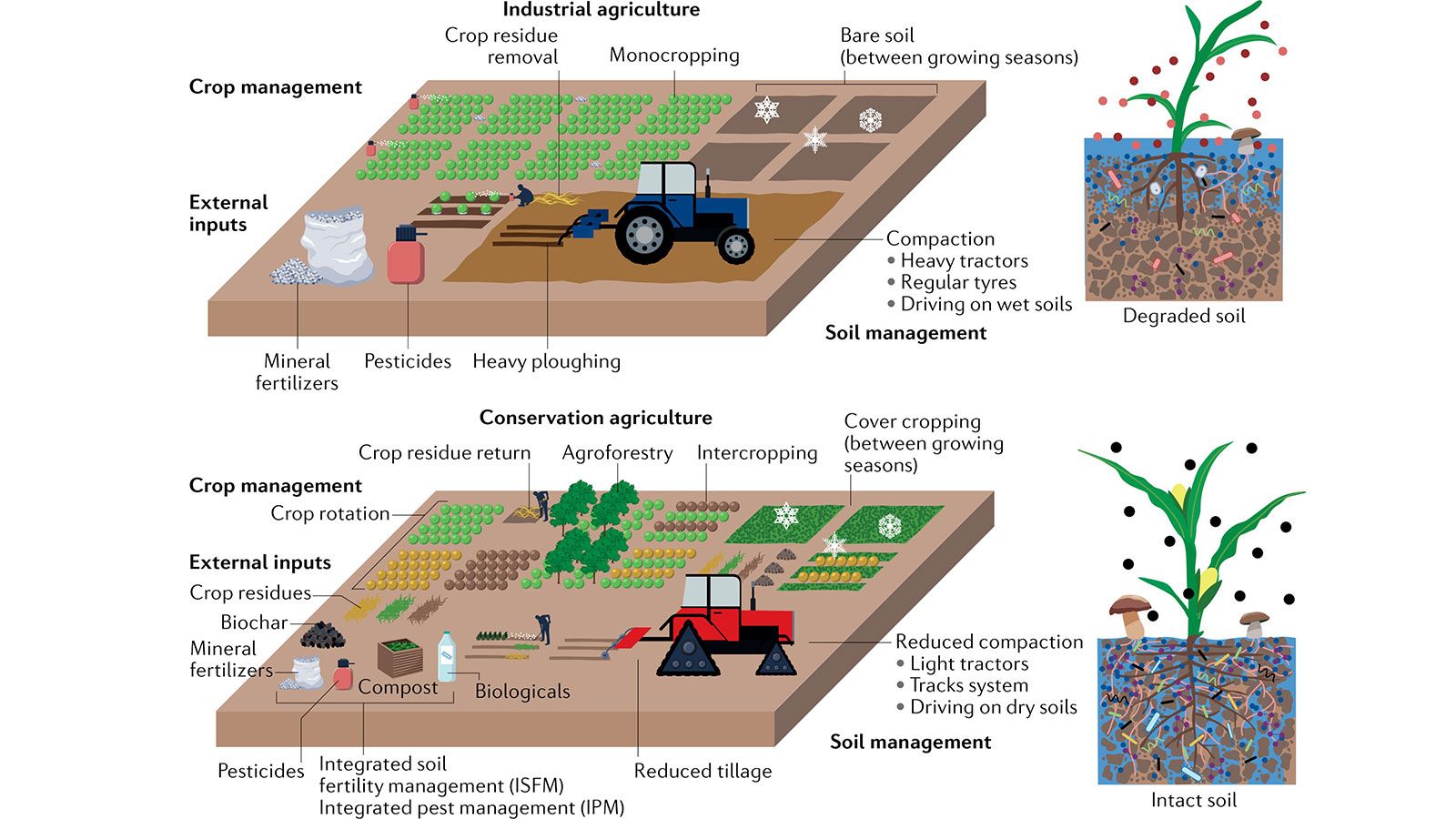
Healthy soil isn’t just about having good nutrients. It’s a balance of physical, chemical, and biological factors that work together. Think of it like a well-balanced recipe – too much of one ingredient throws off the whole dish. Good soil has the right texture, pH levels, organic matter content, and microbial activity. The texture matters because clay holds water and nutrients better than sand, while sand allows better drainage. A healthy soil mix combines both for optimal growth. The pH level determines how well plants can absorb nutrients. Most plants prefer slightly acidic to neutral soil, around 6.0 to 7.0 pH. Organic matter acts like a sponge, holding moisture and nutrients while feeding beneficial microbes. Microbial activity is where things get really interesting – billions of tiny organisms live in soil, breaking down organic material and making nutrients available to plants. When you test your soil, you’re checking if these elements are working together properly.
Traditional Soil Testing Methods
For decades, farmers and gardeners have relied on standard soil tests that provide basic information about nutrients and pH. These tests typically involve sending samples to laboratories where they analyze nitrogen, phosphorus, potassium, and sometimes micronutrients. While helpful, traditional testing has some limitations. First, it’s often expensive and time-consuming. You have to wait days or weeks for results, and then interpret them. Second, it gives you a snapshot in time rather than continuous monitoring. Third, many lab tests focus only on chemical composition and ignore the biological side of soil health. Plus, there’s the environmental cost – shipping samples, using chemicals in processing, and generating waste from packaging. Many people find themselves confused by the technical jargon and unsure how to apply the results to their specific situation. Traditional methods are like looking at a weather report that tells you temperature and humidity but doesn’t explain why it might rain today.
The Rise of Eco-Friendly Testing Solutions
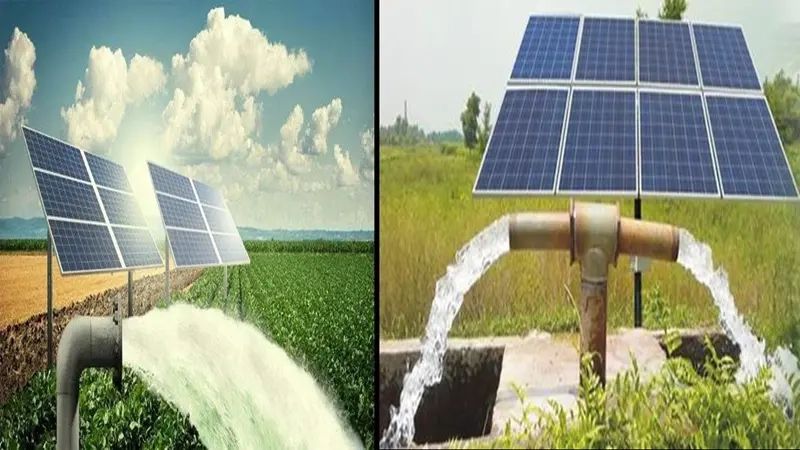
Thankfully, new technologies are emerging that offer more sustainable approaches to soil assessment. These green testing tools are designed to be less harmful to the environment while providing more detailed information. Some use digital sensors that can monitor soil conditions continuously, giving real-time data about moisture, temperature, and nutrient levels. Others utilize biotechnology that measures microbial activity directly in the soil. Portable devices now exist that can quickly test multiple soil properties on-site without requiring laboratory analysis. These tools often run on solar power or rechargeable batteries, reducing their carbon footprint. They’re also becoming more affordable, making soil health monitoring accessible to home gardeners and small farmers. The shift toward eco-conscious testing reflects a broader awareness that protecting soil health means protecting the entire ecosystem. Imagine being able to check your soil’s health daily without harming it or the environment – that’s the promise of modern green technology.
Key Features of Environmentally Conscious Soil Tests
Modern eco-friendly soil testing goes beyond basic nutrient checks. These tools consider multiple aspects of soil health:
• Biological Activity: Rather than just measuring chemical nutrients, they assess how well microbes are functioning in the soil.
• Continuous Monitoring: Many newer devices can track changes over time, showing trends instead of isolated snapshots.
• Minimal Environmental Impact: These tools often use fewer chemicals and generate less waste than traditional methods.
• Real-Time Data: Immediate feedback helps gardeners make timely decisions about watering, fertilizing, and other care.
• User-Friendly Interfaces: Modern apps and displays make interpreting soil data simple for anyone, regardless of technical background.
• Energy Efficiency: Solar-powered and battery-efficient designs reduce reliance on fossil fuels.
Some innovative tools even integrate with smartphone apps that provide personalized recommendations based on your soil readings and plant types. This kind of smart technology makes soil management more intuitive and effective than ever before.
Practical Applications for Gardeners and Farmers
For the average gardener, these tools can transform how they approach soil care. Instead of guessing what their plants need, they can make informed decisions based on actual soil conditions. A tomato plant might need different nutrients in late summer compared to early spring. Real-time soil monitoring helps determine exactly when to water, fertilize, or adjust pH levels. For farmers, the benefits scale up dramatically. Large-scale operations can optimize resource use, reduce waste, and increase yields while minimizing environmental impact. Precision agriculture uses these tools to apply exactly the right amount of fertilizer to each section of a field, avoiding runoff and pollution. Small-scale farmers benefit too – they can maintain soil health more effectively and reduce costs associated with over-fertilization or poor soil management. One farmer mentioned that switching to eco-testing helped him cut his fertilizer use by 40% while improving crop yields. The data-driven approach also helps identify problems before they become visible issues.
Making the Switch: Tips for Getting Started
If you’re interested in trying eco-friendly soil testing, start small and learn gradually. Here are some practical steps:
• Begin with basic tools: Start with simple pH meters or moisture testers rather than complex multi-sensor devices.
• Focus on one aspect at a time: Begin by monitoring just soil moisture or pH before adding other measurements.
• Look for solar-powered options: These are more sustainable and often more reliable for outdoor use.
• Choose user-friendly apps: The best tools are only as good as their interface – make sure you can easily understand the data.
• Consider your specific needs: Different plants have different soil requirements, so choose tools that match your gardening goals.
• Join online communities: Many gardeners share experiences and advice about various testing tools.
Don’t feel pressured to buy the most expensive equipment right away. Many effective tools are reasonably priced and can be upgraded over time. The key is consistency in testing and learning from the results.
Looking Forward: Future Trends in Green Soil Technology
The future of soil testing is exciting and increasingly sophisticated. Scientists are developing tools that can detect specific pathogens or pests in soil before they damage crops. Some research focuses on measuring soil carbon content more accurately, helping farmers understand their role in climate change mitigation. Artificial intelligence is being integrated into soil monitoring systems, providing predictive models for optimal growing conditions. There’s also growing interest in creating tools that measure soil biodiversity – essentially counting the variety of microorganisms present. These developments could revolutionize how we think about soil health, moving beyond simple nutrient analysis to understanding complex ecological relationships. Imagine a future where soil testing becomes as routine as checking your phone battery – quick, easy, and incredibly informative. The trend toward sustainability will likely drive innovation in this field, creating even more efficient and environmentally friendly solutions.
Soil health isn’t just a gardening concern – it’s fundamental to food security, environmental protection, and our overall well-being. As we face challenges like climate change and population growth, understanding and caring for our soil becomes more critical than ever. Environmentally conscious testing tools represent a powerful way to bridge the gap between traditional knowledge and modern science. They empower us to make better decisions about our gardens, farms, and land use. Whether you’re a seasoned gardener or someone just starting out, taking time to understand your soil’s health through eco-friendly methods can lead to remarkable improvements in plant growth and environmental stewardship. The investment in better soil testing tools isn’t just about getting better results – it’s about becoming part of a larger movement toward more sustainable and responsible land management. Your soil deserves better than guesswork. It deserves intelligent, thoughtful care that considers both its needs and our planet’s future.