Picture this: you’re out in your garden, hands deep in soil, ready to tackle the day’s tasks. But instead of fumbling through a messy toolbox or carrying tools in your pockets, you have everything you need right at your side. That’s where a well-crafted sustainable garden tool belt comes in. It’s not just about convenience – it’s about making smart choices that benefit both your garden and the planet.
Gardening isn’t just about nurturing plants – it’s about creating harmony between ourselves and nature. When we choose to build our garden tool belts sustainably, we’re making a conscious decision to reduce waste, support ethical manufacturing, and invest in gear that will last. This approach isn’t just better for the environment; it’s better for us too. A quality sustainable tool belt becomes your trusted partner in the garden, reducing strain on your back while keeping your essentials close at hand. Think about it – when you’re working in your garden, every second counts, and having the right tools within reach can make all the difference between a frustrating day and a productive one.
Why Choose Sustainable Materials?
The foundation of any great sustainable tool belt lies in its materials. Traditional garden belts often rely on synthetic fabrics that may contain harmful chemicals or come from unsustainable sources. Sustainable alternatives offer better long-term value and environmental benefits. Natural fibers like organic cotton, hemp, or recycled polyester provide durability without compromising your values. These materials breathe better, resist wear more effectively, and often come from responsible farming practices. Consider how many times you’ve reached for a tool only to find it’s been damaged by harsh chemicals or poor construction. Sustainable materials address these concerns head-on, giving you peace of mind that your investment supports ethical production and reduces environmental impact.
Essential Features Every Garden Belt Should Have
A truly functional garden tool belt goes beyond just holding tools. It should consider your comfort and workflow. Look for features like adjustable waistbands that accommodate different body types and activities. Multiple compartments allow you to organize different types of tools efficiently. Some belts feature specialized holders for items like pruners, gloves, or small containers. The positioning matters too – tools should be easily accessible without requiring you to stop and search. Think about how you move in your garden space. Do you tend to work kneeling? Standing? Moving around frequently? The right belt design accounts for these movements and keeps your tools within reach. Quality stitching and reinforced stress points ensure your belt won’t fail when you need it most.
Selecting the Right Tools for Your Belt
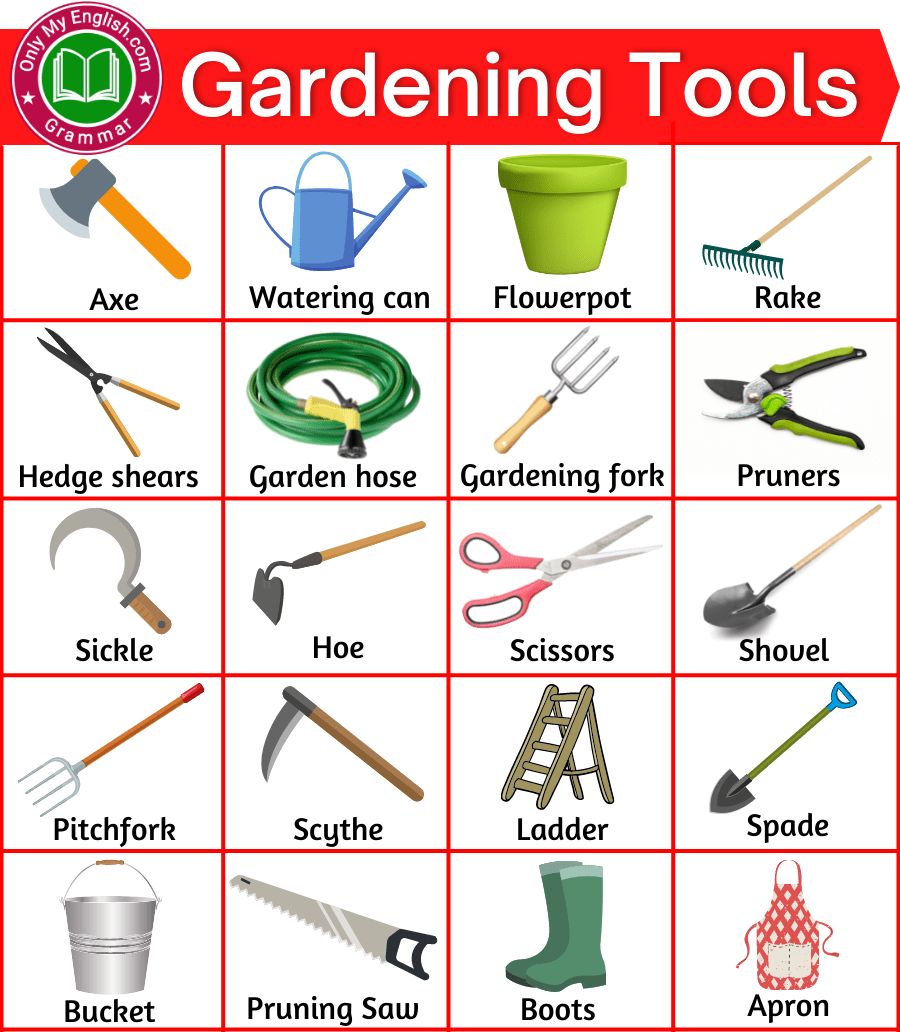
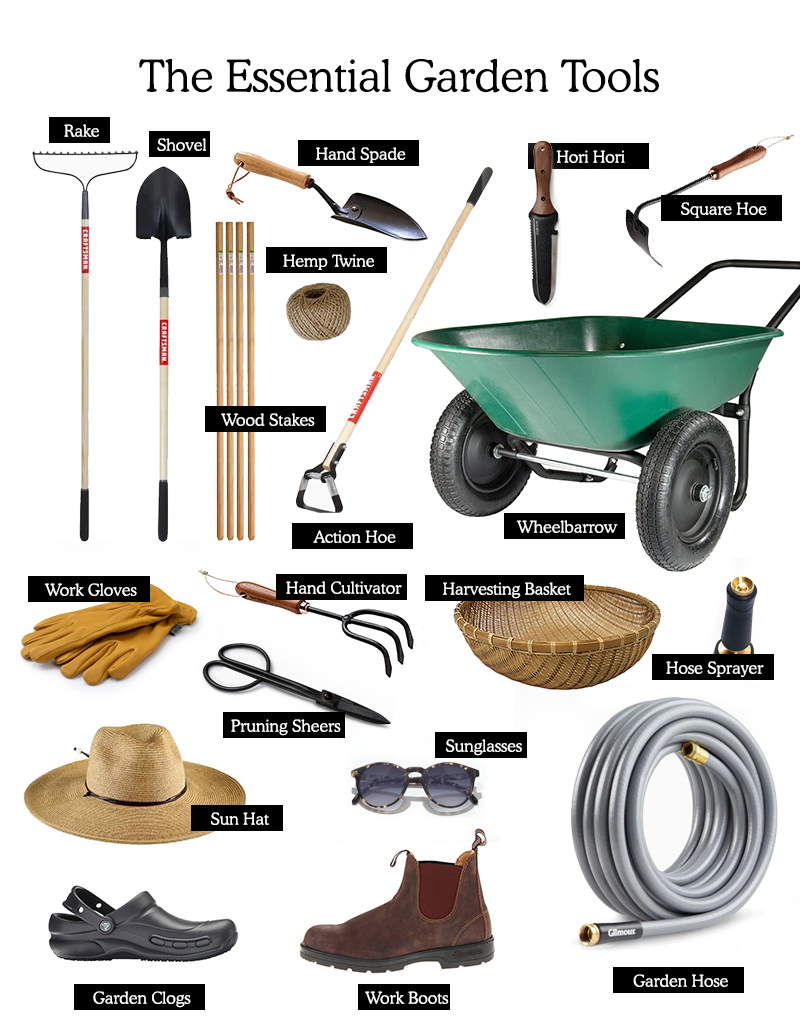
Not every tool belongs on your belt. The key is choosing items that you use regularly and need quick access to. Basic necessities include pruning shears, small trowels, gloves, and perhaps a small watering can or spray bottle. Consider your specific gardening tasks – if you do a lot of transplanting, you might want a dedicated spot for seedlings or small pots. For those who work with heavier equipment, look for belts designed to handle more substantial tools. The goal isn’t to carry everything, but rather to have the most essential items readily available. You’ll quickly learn which tools you rely on daily versus those that are used occasionally. This knowledge helps you prioritize what gets permanent placement on your belt.
Design Elements That Enhance Functionality
Good design makes all the difference in how useful your tool belt actually is. Look for strategic placement of pockets and hooks that match your workflow patterns. Some gardeners prefer multiple smaller pockets for individual items, while others prefer fewer larger spaces for bigger tools. Reflective elements can improve visibility during early morning or evening work sessions. Breathable mesh panels help keep you comfortable during hot weather. Adjustable straps ensure a proper fit whether you’re bending over or standing tall. The material choice affects everything from water resistance to longevity. Some belts incorporate eco-friendly treatments that repel stains or resist wear without using harsh chemicals. These thoughtful details transform a simple tool carrier into a true companion for your gardening adventures.
Durability and Longevity Considerations
Investing in a sustainable tool belt means thinking about how long it will serve you. Quality construction starts with strong stitching and durable hardware. Metal buckles and clips should be rust-resistant and built to handle regular use. The fabric itself needs to withstand sun exposure, moisture, and daily wear. Check for reinforced stress points and attention to detail in construction. A well-made belt can last for years, even decades, providing reliable service. Compare the cost per year of ownership against cheaper alternatives that might need replacement after a few seasons. Sustainable options often prove more economical in the long run, especially when factoring in their environmental benefits. Regular maintenance, like proper cleaning and storage, extends the life of your belt significantly.
Cost-Benefit Analysis for Sustainable Choices
Sustainable garden tool belts often cost more upfront than conventional options. However, this initial investment pays dividends over time. The higher quality materials and construction mean fewer replacements and less frequent repairs. Many sustainable brands also offer warranties or repair services, extending product life further. Consider the environmental costs of frequent replacements – each discarded belt contributes to landfill waste. Additionally, sustainable products often come with ethical labor practices and fair wages for workers. This broader impact makes the higher price point more meaningful. When you factor in the extended lifespan, reduced environmental footprint, and potential for repair or recycling, the economic case for sustainability becomes clearer. It’s not just about saving money – it’s about making smarter choices for the future.
Building the perfect sustainable garden tool belt is more than just a shopping exercise – it’s a commitment to better gardening practices and environmental stewardship. By carefully considering materials, functionality, and long-term value, you create a tool that enhances your garden experience while respecting the earth. Remember, this isn’t about perfection – it’s about making thoughtful choices that align with your values and gardening goals. Whether you’re a seasoned gardener or just starting out, investing in sustainable gear shows respect for both your craft and the planet that sustains it. The right tool belt becomes part of your gardening routine, offering convenience, comfort, and connection to the natural world around you. So take your time, think about your needs, and choose wisely. Your garden – and future generations – will thank you for the thoughtful approach.