Imagine a world where your garden gets watered automatically, powered entirely by the sun. It sounds like something out of a sci-fi movie, but it’s happening right now in farms and gardens across the globe. These solar-powered drip irrigation valves are revolutionizing how we think about watering plants, combining ancient wisdom with cutting-edge technology. What if I told you that the secret lies in understanding how light becomes power, and how that power precisely delivers water to each plant? Let’s dive into the science that makes this magic happen.
Watering plants might seem simple, but when you’re managing hundreds of acres of crops or maintaining a small backyard garden, precision matters more than ever. Enter solar-powered drip irrigation valves – devices that use sunlight to deliver water directly to plant roots with incredible efficiency. This isn’t just about convenience; it’s about scientific engineering that optimizes water usage while harnessing renewable energy. Think about it – every drop counts, especially in drought-prone areas or regions where water conservation is crucial. These valves represent a beautiful marriage between environmental consciousness and technological innovation. They’re quietly working in the background, ensuring that plants receive exactly what they need, when they need it, all powered by the most abundant energy source on Earth: the sun.
Understanding Photovoltaic Conversion
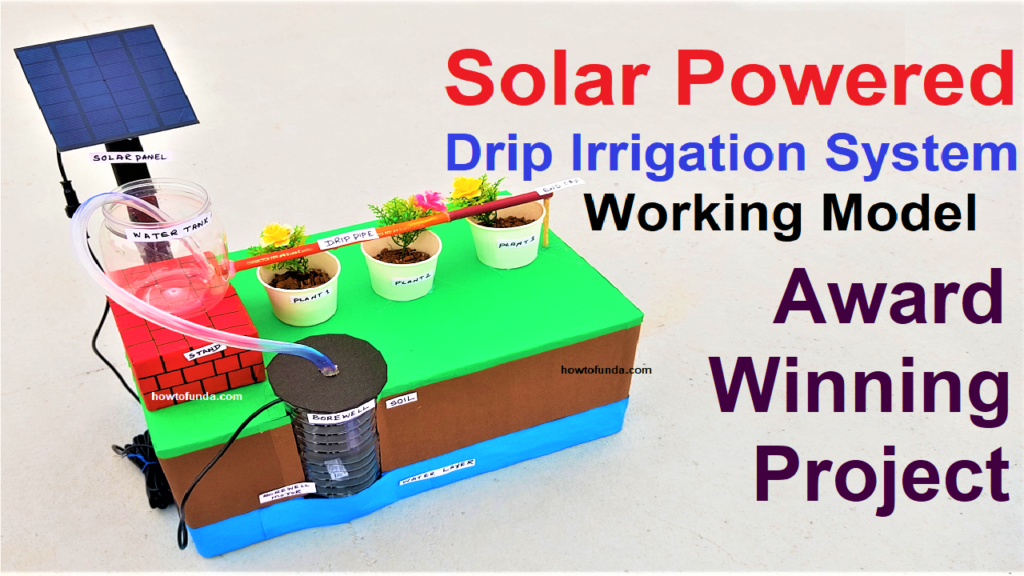
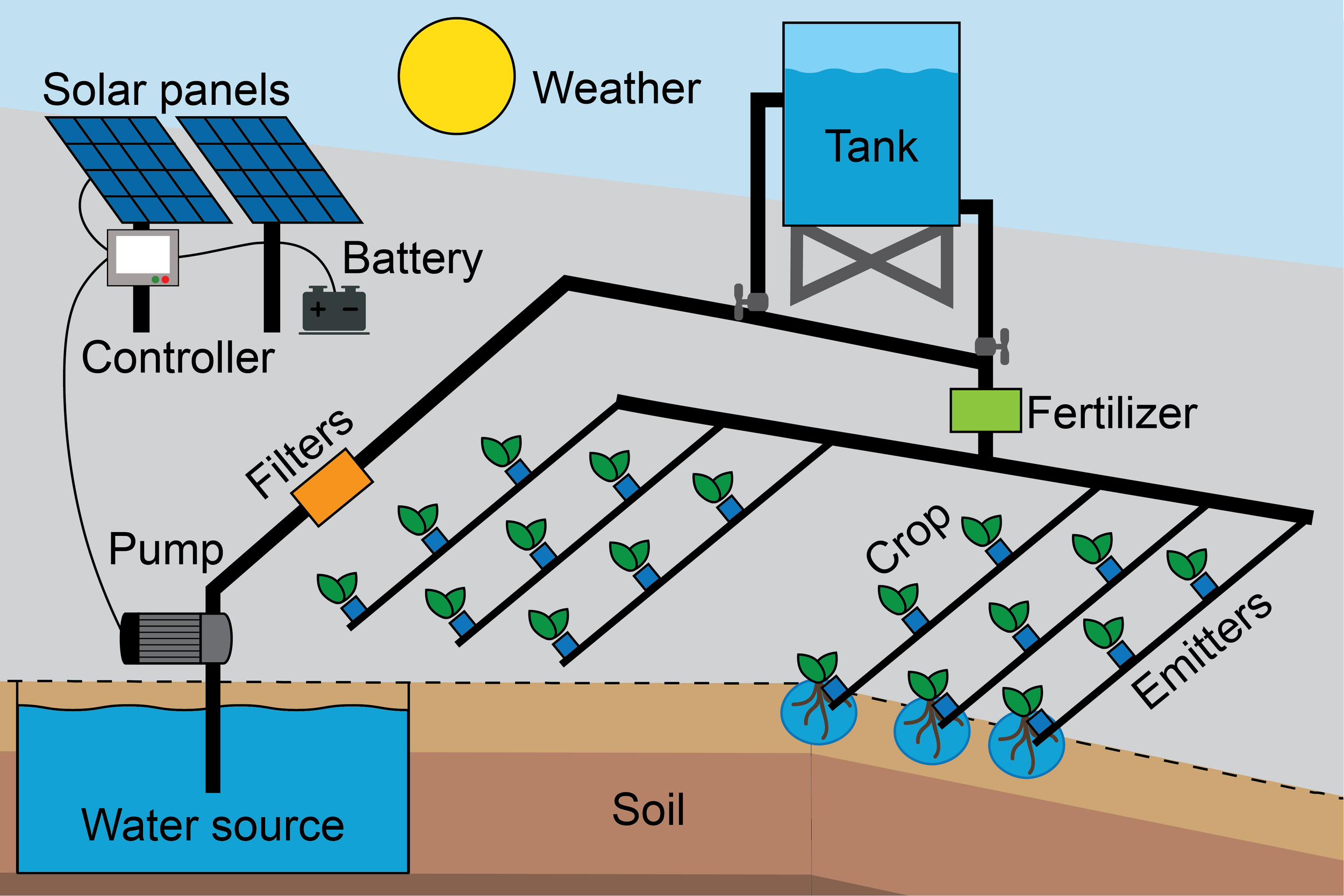
At the heart of every solar-powered drip irrigation valve is photovoltaic technology – the process of converting sunlight directly into electricity. This happens through solar cells made primarily of silicon, which are semiconductor materials that behave differently when exposed to light. When photons from sunlight hit these silicon cells, they knock electrons loose from their atoms, creating an electric current. It’s like the sun’s energy is literally knocking electrons into motion, generating direct current (DC) electricity. The efficiency of modern solar cells typically ranges from 15% to 22%, meaning they can convert that percentage of sunlight into usable electrical energy. For irrigation systems, this DC power is often stored in rechargeable batteries during daylight hours, providing energy when needed. You might wonder why DC power instead of AC – well, most electronic components in these systems work better with direct current, plus it’s easier to store and manage for smaller applications. The beauty of this system is that it works continuously as long as there’s sunshine, making it incredibly reliable for agricultural operations.
The Role of Microcontrollers in Smart Watering
Modern solar drip irrigation valves aren’t just simple switches – they’re sophisticated control systems that use microcontrollers to make smart decisions about when and how much water to deliver. These tiny computers act like the brain of the operation, constantly monitoring various factors such as soil moisture levels, weather conditions, and time of day. They use sensors embedded in the system to detect when plants need water and how much is appropriate. Imagine a system that can sense dry soil and automatically open a valve to provide water, then close it once the soil reaches optimal moisture. This level of automation prevents overwatering or underwatering, two common problems that can devastate crops. The microcontroller processes this information and sends signals to solenoid valves, which are essentially electrically operated gates that control water flow. These controllers can be programmed to follow specific watering schedules, adjust based on seasonal changes, or even connect to smartphone apps for remote monitoring. It’s remarkable how much intelligence can fit into such a small package, making irrigation management both precise and effortless.
Drip Irrigation: Targeted Water Delivery
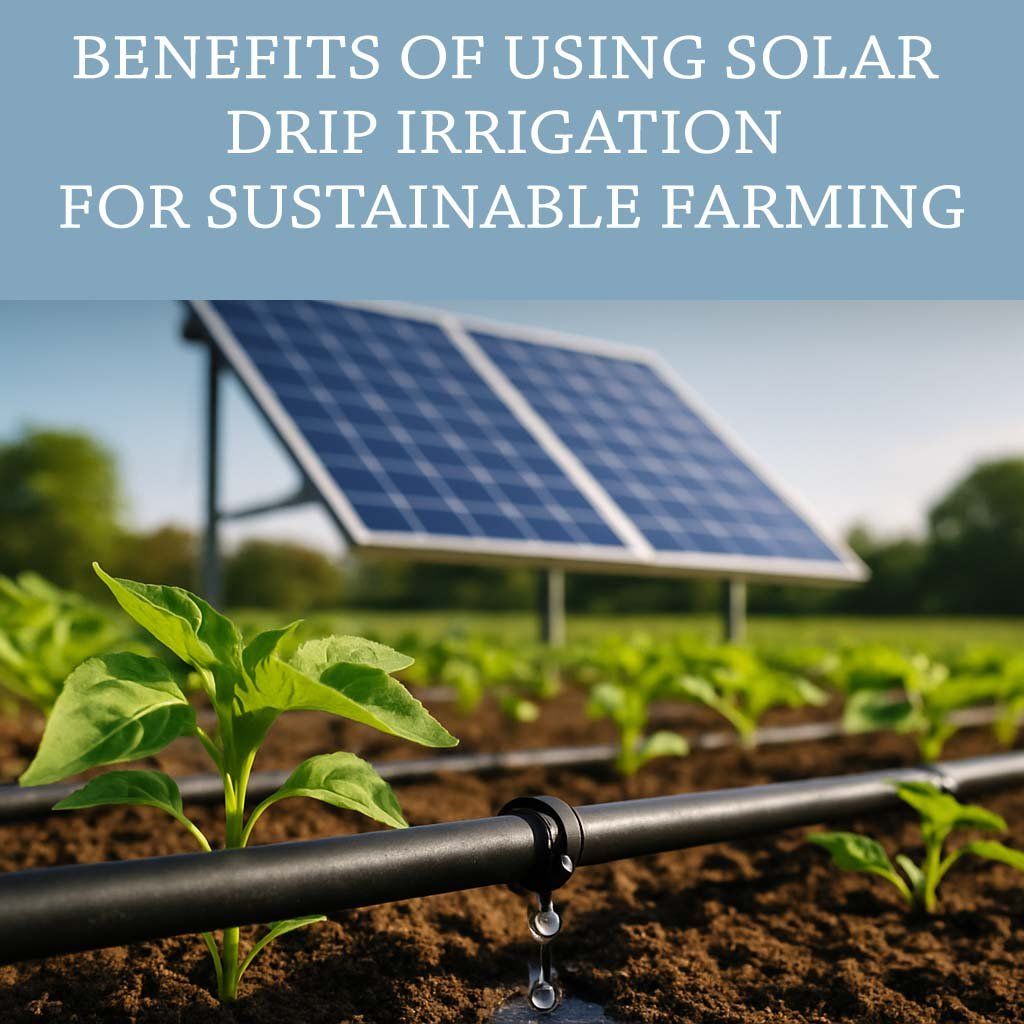
The beauty of drip irrigation lies in its precision approach to watering. Instead of flooding entire fields or gardens like traditional sprinkler systems, drip irrigation delivers water directly to plant root zones through a network of tubes and emitters. This method reduces water waste significantly because it targets the actual plant needs rather than watering surrounding areas. The science behind this effectiveness involves understanding capillary action – the natural tendency of water to move through small spaces due to surface tension. When water flows through narrow tubing and exits through tiny emitters, it creates a controlled flow that allows plants to absorb exactly what they need. Research shows that drip irrigation can reduce water usage by up to 50% compared to conventional methods. The system also minimizes evaporation losses since water goes directly to the soil rather than being exposed to air. Additionally, this targeted approach helps prevent fungal diseases that often occur when leaves stay wet for extended periods. The result is healthier plants, reduced water consumption, and more efficient agricultural practices.
Battery Storage and Energy Management
Solar energy isn’t constant – it depends on weather conditions, seasons, and time of day. That’s where battery storage comes into play, acting as the energy bank for these irrigation systems. Most solar drip irrigation setups use lithium-ion or lead-acid batteries to store excess energy generated during sunny periods. These batteries discharge slowly to power the microcontroller and solenoid valves during cloudy days or evening hours. The challenge here is balancing energy supply with demand – too little storage and the system fails when sunlight is limited; too much and you’re spending unnecessarily on expensive components. Modern systems often feature charge controllers that regulate the flow of electricity from solar panels to batteries, preventing overcharging and extending battery life. Some advanced systems even incorporate power management software that predicts energy needs based on weather forecasts and adjusts watering schedules accordingly. It’s like having a weather forecaster who helps you plan your water usage ahead of time. The key is designing systems that can handle variable conditions while maintaining consistent performance.
Solenoid Valve Technology and Flow Control
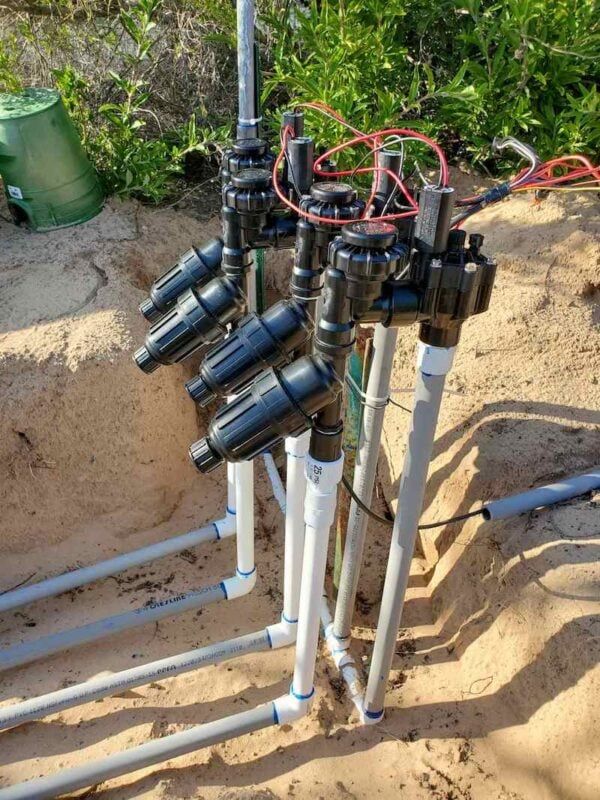
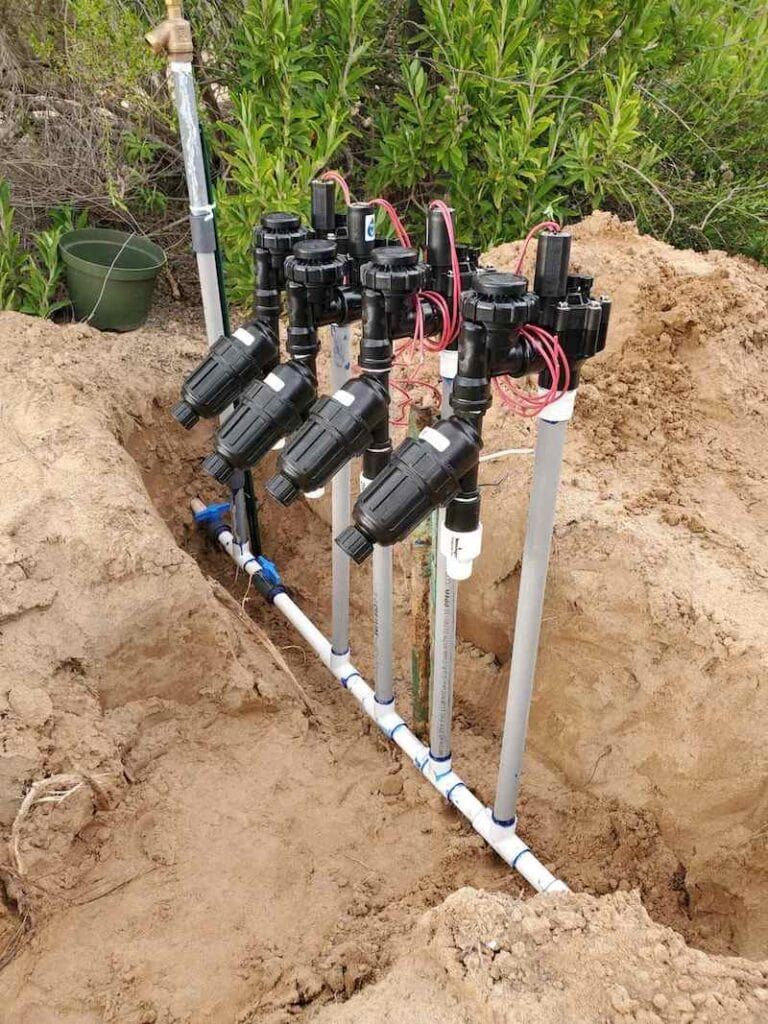
The solenoid valve is the mechanical component that actually controls water flow in these systems, acting as the gatekeeper between water supply and plant roots. These valves operate using electromagnetic principles – when electricity flows through a coil, it creates a magnetic field that moves a plunger inside the valve, opening or closing the water passage. The timing and duration of valve operation are critical for proper irrigation. Engineers have developed various types of solenoid valves specifically for agricultural use, considering factors like water pressure requirements, durability against corrosion, and resistance to temperature fluctuations. Pressure regulation is essential because different plants require different water pressures to function effectively. A typical drip irrigation system operates at 10-30 PSI, and the solenoid valve must respond quickly and accurately to maintain consistent pressure. The valve’s response time can be measured in milliseconds, which affects how precisely water is delivered. Some high-end systems even feature proportional solenoids that can control flow rates more precisely than simple on/off switching. This fine-tuning capability ensures that young seedlings get gentle water flow while mature plants receive adequate hydration.
Environmental Benefits and Sustainability
Beyond the technical marvels, solar-powered drip irrigation represents a significant step toward sustainable agriculture. These systems dramatically reduce water consumption while eliminating the need for grid electricity, making them ideal for remote locations or areas with unreliable power supplies. The environmental impact extends beyond water conservation – they also reduce carbon emissions associated with fossil fuel-powered irrigation pumps. Studies show that farms using solar drip irrigation can reduce their carbon footprint by up to 40% compared to traditional systems. The technology also supports biodiversity by reducing water waste that might otherwise contribute to soil erosion or runoff into nearby ecosystems. In drought-prone regions, these systems can make farming economically viable where it previously wasn’t possible. Farmers report improved crop yields due to more consistent watering schedules, and many find that their operational costs decrease significantly over time. It’s a perfect example of how scientific innovation can address both practical needs and environmental concerns simultaneously. The ripple effects of widespread adoption could be substantial for global food security and climate change mitigation efforts.
Solar-powered drip irrigation valves represent more than just clever gadgetry – they embody a fundamental shift in how we approach agriculture and gardening. The combination of photovoltaic technology, smart control systems, and precise water delivery creates a powerful solution that addresses some of our most pressing challenges: water scarcity, energy sustainability, and food production efficiency. From small backyard gardens to massive commercial farms, these systems prove that science and nature can work hand-in-hand. What’s particularly exciting is how this technology continues to evolve, becoming more affordable and accessible to everyone. As we face increasing environmental pressures and growing populations, solutions like solar drip irrigation offer hope for a more sustainable future. The next time you see a garden thriving under the sun, remember that somewhere in that system, a complex dance of physics, engineering, and biology is happening to keep those plants healthy and strong. It’s not just about watering plants – it’s about empowering people to grow food sustainably, efficiently, and with minimal environmental impact.