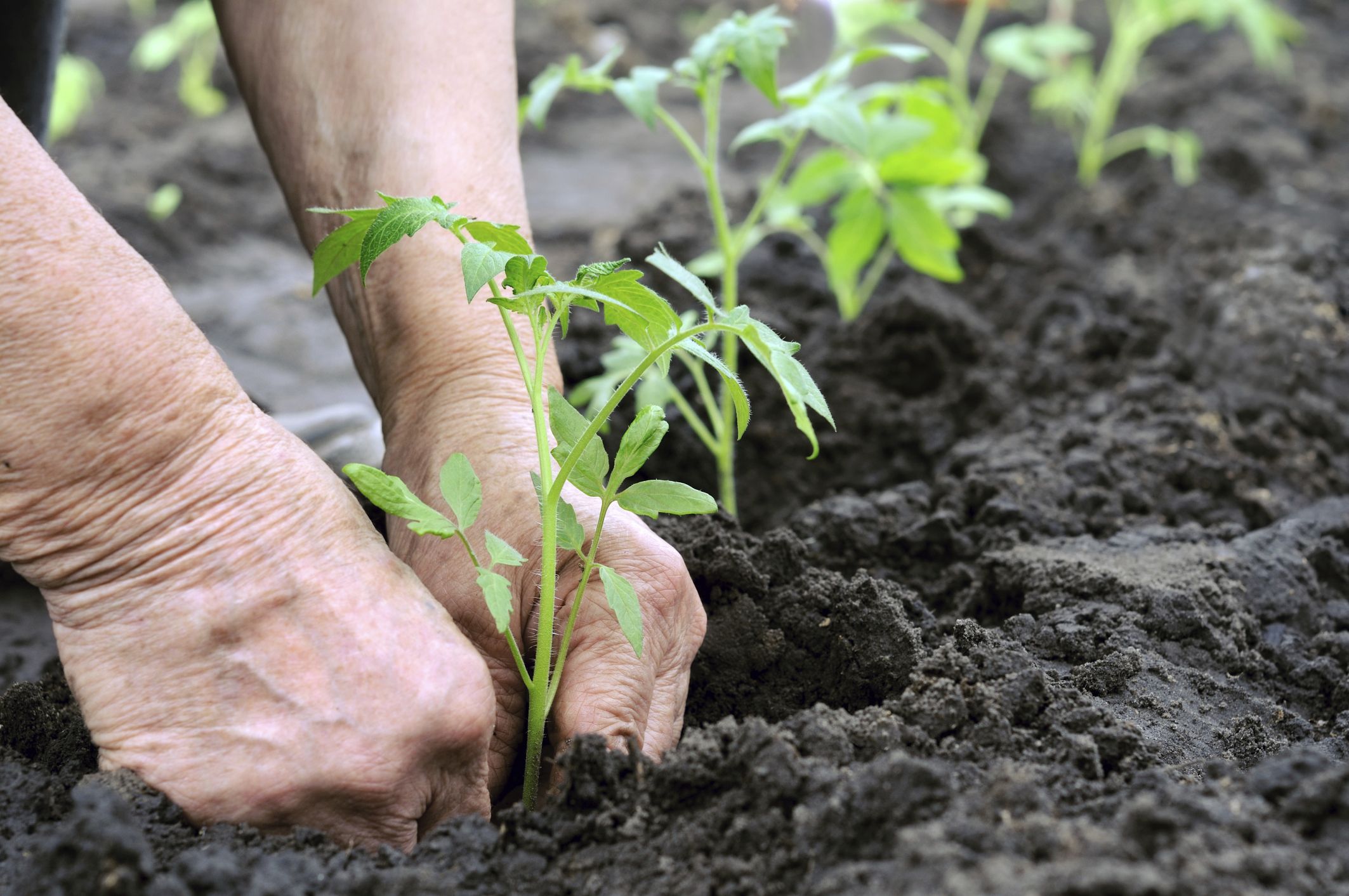
Imagine walking through a field where every seedling is carefully placed by hand, but instead of traditional methods, farmers use innovative eco-friendly tools that reduce waste and boost yields. This isn’t science fiction – it’s happening right now across farms worldwide. Small-scale farmers are discovering that their future lies not just in better seeds or smarter techniques, but in revolutionary tools that work with nature rather than against it.
In the heart of rural communities, a quiet revolution is taking place. Traditional farming methods that have sustained generations are being gently replaced by innovations that respect both the land and the farmer’s well-being. At the center of this transformation are eco-friendly hand transplanters – simple yet powerful devices that are changing everything about how small-scale farmers approach their craft. These tools represent more than just technological advancement; they embody a fundamental shift toward sustainability that could reshape agricultural practices for decades to come. Picture a farmer who once spent hours manually planting seedlings, now accomplishing the same task with greater precision and less physical strain. That’s the magic these transplanters bring to the table.
What Are Eco-Friendly Hand Transplanters?
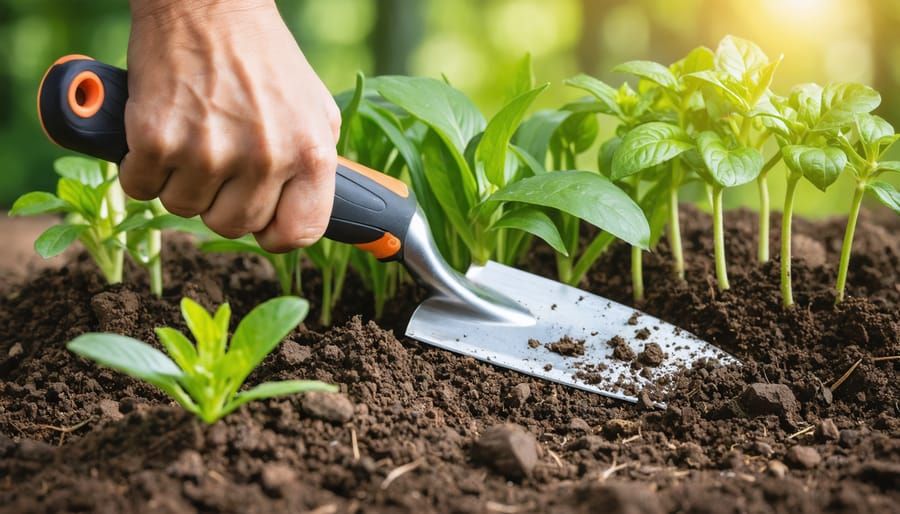
Eco-friendly hand transplanters aren’t just fancy names for old-fashioned tools – they’re purposefully designed instruments that minimize environmental impact while maximizing efficiency. Think of them as the modern equivalent of a farmer’s best friend, working alongside humans to make the growing process smoother. These devices typically feature biodegradable components, recycled materials, and designs that eliminate the need for harmful chemicals or excessive energy consumption. They’re built to last, often made from sustainable materials like bamboo or recycled plastics, and designed to reduce soil compaction that can harm plant growth. The beauty lies in their simplicity – they don’t require electricity or fuel, making them perfect for remote areas where power sources might be limited.
The Environmental Impact of Traditional Transplanting
Traditional transplanting methods have their drawbacks, especially when viewed through an environmental lens. When farmers dig holes by hand or use conventional tools, they often disturb soil structure significantly. This compaction can reduce water infiltration and air circulation, leading to poor root development. Moreover, many traditional tools are made from non-biodegradable materials that eventually end up in landfills. The energy required to manufacture these tools, along with their short lifespan, adds up to significant environmental costs. Consider a typical small farm that plants hundreds of seedlings annually – the cumulative effect of using standard tools creates measurable environmental footprints. These issues become even more pronounced in regions where resources are scarce and environmental protection is paramount.
How These Tools Work Better
The magic happens in the details. Eco-friendly transplanters are engineered with precision to create optimal conditions for seedlings. Their design allows for consistent hole depth and spacing, ensuring each plant gets exactly what it needs to thrive. Many models incorporate features that protect soil structure, preventing the compaction that plagues traditional methods. Some even include built-in measuring systems that ensure proper plant spacing, reducing competition for nutrients and water. The result? Higher survival rates, better yields, and reduced need for replanting. For instance, a farmer in rural Thailand reported that switching to eco-friendly transplanters increased their crop success rate by nearly 30%, all while reducing the time spent on transplanting tasks.
Real-World Benefits for Small Farmers
Small-scale farmers face unique challenges that make sustainable tools particularly valuable. Reduced physical strain means fewer injuries and more productive seasons. A study conducted in Kenya found that farmers using eco-friendly transplanters experienced 40% less back pain compared to those using traditional methods. The time savings alone are impressive – one farmer noted that what used to take two days now takes just one day. Economic benefits compound quickly. When farmers can plant more efficiently, they can increase their cropping cycles, leading to higher overall income. Additionally, these tools often require minimal maintenance, saving money on repairs and replacements. The ripple effects extend beyond individual farms – improved yields mean better food security for entire communities.
Case Studies from Around the World
The proof is in the pudding, literally. In Bangladesh, farmers have adopted these tools with remarkable success. A cooperative of 200 smallholders saw their rice transplanting efficiency improve by 60% after switching to eco-friendly equipment. In Mexico, indigenous communities have embraced these tools because they align with traditional farming values of working harmoniously with nature. The Peruvian Andes have seen similar results, with mountain farmers reporting better soil health and crop performance since implementing these sustainable approaches. Each story reveals a common thread: these tools don’t just make work easier, they actually improve outcomes in ways that matter most to farming families.
Future Prospects and Innovations
The evolution doesn’t stop here. Engineers and farmers are collaborating to create even more sophisticated versions of these tools. Some prototypes already incorporate smart sensors that monitor soil conditions and provide feedback on optimal planting times. Others are exploring renewable energy integration, such as solar-powered mechanisms that can assist with heavier transplanting tasks. The potential for customization is enormous – farmers can adapt tools for different crops and soil types, creating personalized solutions that maximize efficiency. What’s particularly exciting is the growing community of innovators working on these tools, including local entrepreneurs who understand the specific needs of small-scale agriculture. This grassroots approach ensures that future developments will be practical and accessible rather than theoretical.
The story of eco-friendly hand transplanters represents more than just agricultural innovation – it’s about reimagining our relationship with the land and each other. These tools remind us that progress doesn’t always mean abandoning tradition; sometimes it means refining it with wisdom and care. As we look toward the future, these sustainable approaches offer hope for farmers who want to grow their businesses while protecting the environment they depend on. The transformation isn’t dramatic or immediate, but it’s steady and meaningful. Every farmer who chooses these tools is making a statement about the kind of agricultural future they want to build. In a world where food security and environmental health are increasingly intertwined, these simple innovations may prove to be among the most important developments in modern farming. The question isn’t whether these tools will spread – it’s how quickly we can support their adoption and ensure they reach every farmer who could benefit from them.