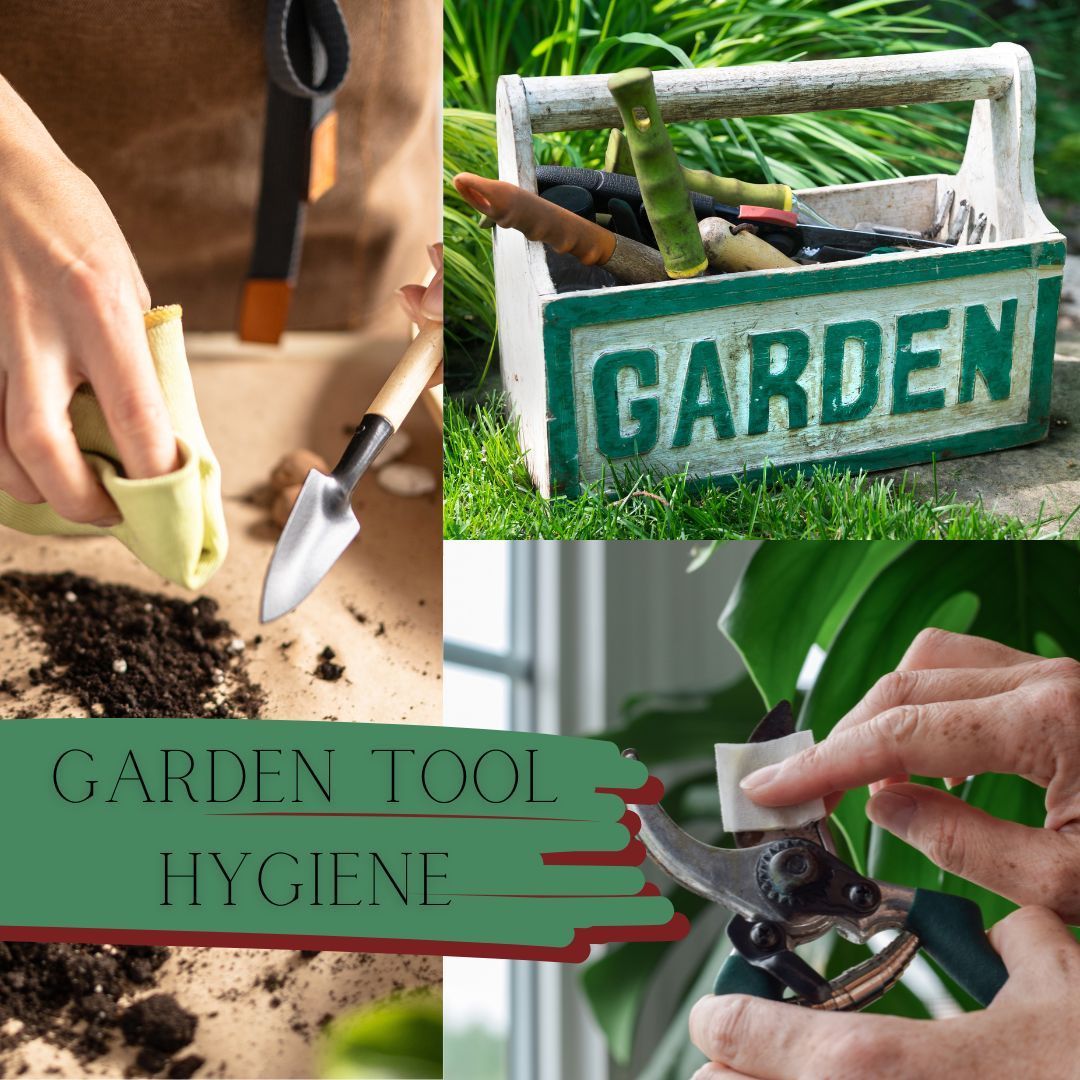
Think about how you’d feel if someone used your favorite coffee mug without cleaning it first. Now imagine that happening to your beloved garden tools. These essential companions deserve proper care, especially when they’ve been working hard in the dirt. But here’s the thing – you don’t need to reach for toxic cleaners or harsh chemicals to get them squeaky clean. In fact, many natural methods work just as well, and they’re safer for you, your family, and the environment.
Every gardener knows that tools are the backbone of any successful garden. They’re there through every season, digging, cutting, pruning, and planting. Yet most gardeners neglect the simple but crucial task of keeping their tools clean. Why? Maybe because it seems like extra work, or maybe because we’ve been taught that chemicals are the only way to get things really clean. But what if we told you that there are several effective, safe ways to clean garden tools that don’t involve dangerous substances? These methods aren’t just good for your health and the planet – they’re often more effective than chemical alternatives. Let’s explore how to give your tools the care they deserve using gentle, natural techniques.
Why Clean Your Garden Tools?
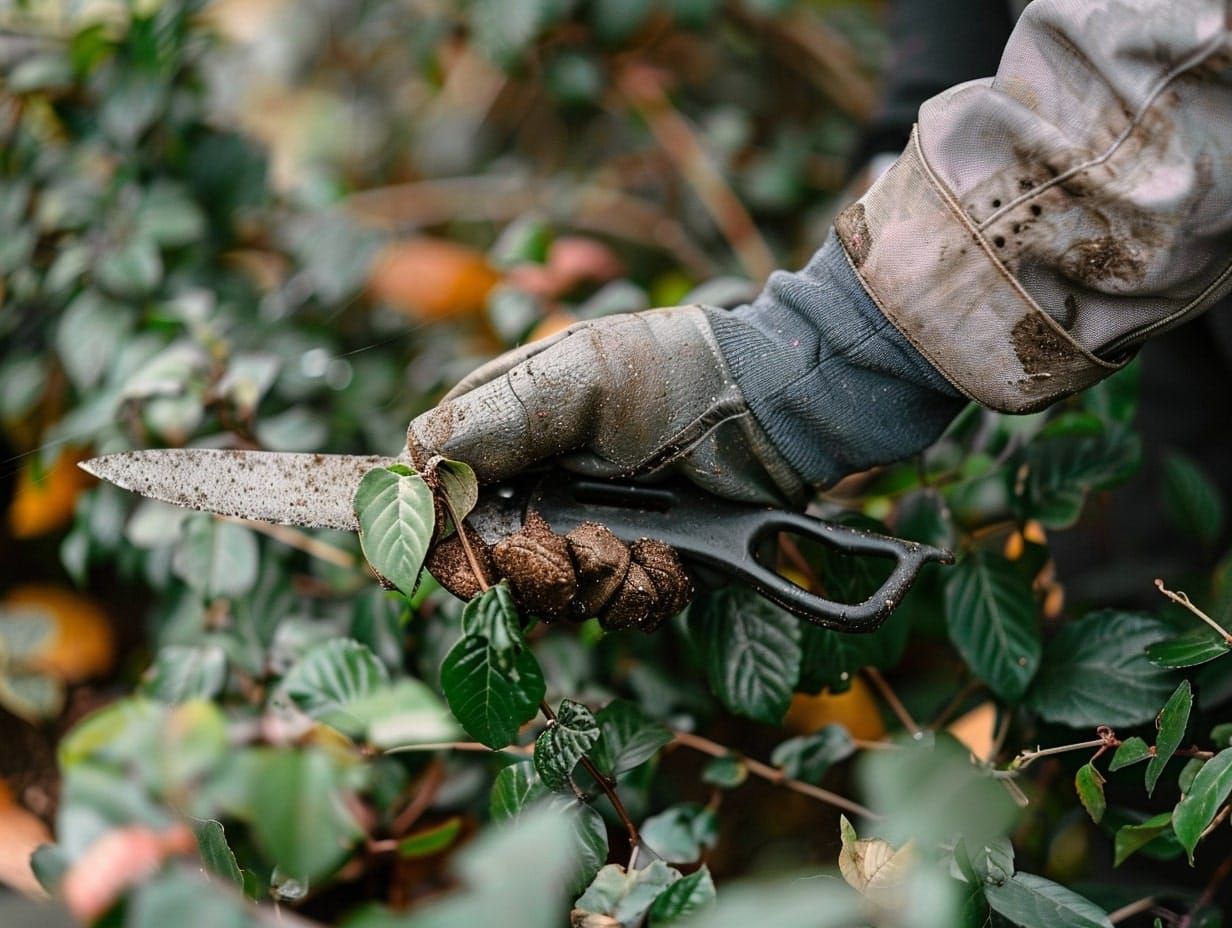
Before we dive into the cleaning methods, let’s talk about why it matters. Dirty tools can spread diseases between plants. When you cut through diseased plant material, those pathogens can stick to your blade and transfer to healthy plants. This is especially true for fungal infections like rust or blight. Clean tools prevent cross-contamination and protect your garden’s health. Additionally, when tools are dirty, they’re harder to use. Rust, dirt, and grime can make blades dull and handles slippery. A clean tool works better, lasts longer, and feels more satisfying to use. Plus, regular cleaning prevents corrosion and keeps your investment in quality tools protected. Think of it like brushing your teeth – it’s a small effort that pays off big time in the long run.
Basic Cleaning With Soap and Water
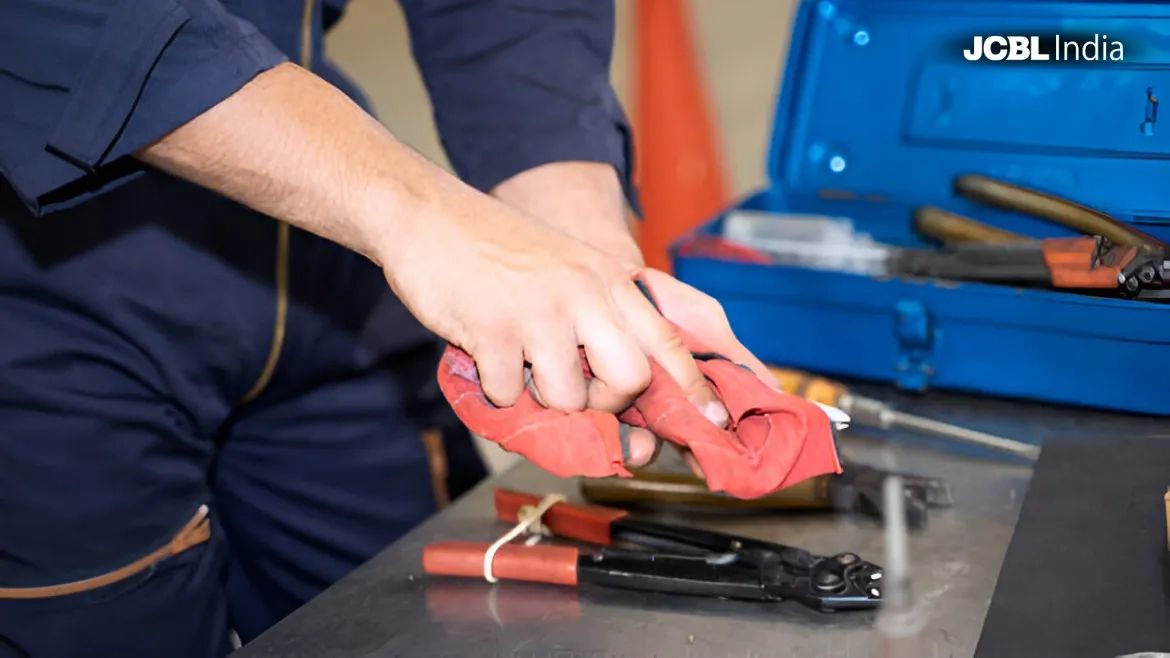
The simplest and most accessible method is using mild soap and water. This works wonderfully for removing surface dirt and debris. Start by rinsing your tools with water to remove loose dirt. Then dip a brush or cloth in soapy water – use a gentle dish soap or even just plain castile soap. Scrub all surfaces thoroughly, paying special attention to areas where dirt tends to accumulate, like around the pivot points and blade edges. For stubborn buildup, let the soap sit for a few minutes before scrubbing again. After cleaning, rinse everything thoroughly with clean water and dry immediately. This method is perfect for routine maintenance and works on most garden tools, including pruners, trowels, and shovels. It’s also gentle enough that you can do it regularly without worrying about damaging your tools.
Vinegar and Baking Soda Magic
Here’s where things get interesting. Vinegar and baking soda are two powerhouse ingredients that work together to tackle tough jobs. Mix equal parts white vinegar and water in a container. Soak your tools for about 15-20 minutes, then scrub with a brush to remove any remaining grime. The acid in vinegar helps break down rust and mineral deposits. For extra cleaning power, sprinkle baking soda directly onto stubborn spots before applying the vinegar solution. The reaction creates a fizzing action that helps lift dirt and grime. After treatment, rinse well and dry completely. This combination is particularly effective for removing rust stains and restoring the shine to metal tools. Many gardeners swear by this method for heavy-duty cleaning that’s still safe and non-toxic.
Lemon Juice for Natural Disinfection
Lemon juice isn’t just great for cooking – it’s also an excellent natural disinfectant for garden tools. The citric acid in lemons kills bacteria and fungi naturally. Simply squeeze fresh lemon juice onto your tools, focusing on the blade areas. Let it sit for about five minutes to allow the acid to work its magic. Then wipe it down with a clean cloth. You can also add a few drops of lemon essential oil to create a more potent solution. This method is especially useful for preventing the spread of plant diseases between different areas of your garden. It’s gentle on tools but effective against harmful microorganisms. Many organic gardeners use this technique after working with diseased plants or before moving to new sections of their garden.
Sandpaper and Steel Wool for Rust Removal
Sometimes tools have rust that needs more than just cleaning. Sandpaper and steel wool can help remove rust spots and restore metal surfaces. Start with coarse sandpaper to remove heavy rust, then move to finer grits for smoother results. Steel wool works well for delicate areas and fine rust spots. Always work in the direction of the metal grain to avoid creating scratches. After removing rust, wash the area with soap and water, then apply a thin layer of oil to prevent future rusting. This process requires a bit more time and effort, but it’s incredibly effective for older tools that have seen better days. The key is to be patient and thorough – rushing through rust removal can leave behind spots that will cause problems later.
Regular Maintenance Tips
Prevention is always better than cure, and that applies to garden tool maintenance too. Here are some practical tips to keep your tools in top shape:
• Oil your tools regularly – Apply a light coat of machine oil or even olive oil to metal surfaces after each use
• Store tools properly – Keep them in a dry place away from moisture and humidity
• Sharpen blades regularly – Dull tools are harder to use and can damage plants
• Check for wear – Look for cracks, loose parts, or signs of stress
• Clean immediately after use – Don’t let dirt and grime build up over time
These simple steps make the actual cleaning process much easier and help extend the life of your tools. Think of it as giving your tools a daily checkup rather than waiting until they’re broken or unusable.
Safety Considerations and Environmental Benefits
Using natural cleaning methods offers significant safety advantages. No toxic fumes mean safer working conditions for you and your family. Children and pets won’t accidentally ingest harmful chemicals from tools they might touch. Environmentally, you’re reducing pollution and protecting local water sources. Chemical cleaners can runoff into groundwater or harm beneficial insects and wildlife. Natural methods ensure your gardening activities don’t contribute to environmental problems. Plus, many of these solutions are cost-effective and readily available in most households. You’re not just cleaning tools – you’re making responsible choices that benefit everyone around you.
Cleaning garden tools doesn’t have to be a chore or something that involves harsh chemicals. With the right approach and a few simple household items, you can keep your tools in excellent condition while staying safe and environmentally conscious. From basic soap and water to vinegar and lemon juice combinations, there are plenty of options that work well. The key is consistency – regular cleaning prevents major issues and makes the job easier over time. Remember, your tools are an investment in your garden’s success, so treat them with the respect they deserve. Whether you’re a seasoned gardener or just starting out, taking care of your tools is one of the simplest ways to ensure your garden thrives. So next time you’re in the garden, take a moment to clean those tools properly. Your future self will thank you, and your plants will benefit from your careful attention.