Imagine tending to your garden while harnessing the sun’s energy to do the work for you. What if you could build a machine that helps you cultivate, water, and tend to your plants using nothing but solar power? This isn’t science fiction – it’s something you can actually create in your own backyard. These DIY solar garden cultivators aren’t just fancy gadgets. They’re practical solutions that can make gardening easier, more efficient, and environmentally friendly.
Gardening has always been about working with nature rather than against it. But what happens when you add renewable energy to the equation? The result is something magical – garden tools that work without electricity, without batteries, and without any of the hassle that comes with traditional power sources. Whether you’re a seasoned gardener or someone who just wants to grow a few vegetables, these solar-powered cultivators offer a way to make your garden life simpler and more sustainable. They’re designed to be easy to build, affordable, and effective. You’ll find yourself spending less time worrying about power cords and more time enjoying the fruits of your labor.
Why Solar Power Makes Sense for Garden Tools
Solar energy isn’t just for rooftops and big installations anymore. When it comes to gardening, solar power offers several advantages that make it ideal for outdoor tools. First, there’s no need to worry about extension cords or finding outlets in your garden. Second, solar power is completely silent, so you won’t disturb your neighbors or yourself with noisy motors. Third, it’s incredibly reliable during power outages, which means you can keep working even when the grid goes down. Finally, it’s completely free once you’ve made the initial investment. That’s right – after you build your solar cultivator, you’re essentially getting free power for your garden. Many gardeners have found that their solar tools last longer because they don’t have to deal with the wear and tear of electrical components. The sun shines whether you’re gardening or not, so your tool can work whenever you need it. It’s a simple concept, but one that makes a huge difference in garden management.
Essential Components for Your Solar Garden Cultivator
Building a solar garden cultivator doesn’t require expensive parts or special skills. Here’s what you’ll need to get started:
• Solar panel – A small 10-20 watt panel works great for most projects
• Battery pack – A 12-volt deep cycle battery keeps power stored
• Motor – A small DC motor that can handle garden tasks
• Control circuitry – Simple switches and wiring to manage power flow
• Housing materials – Wood, plastic, or metal to protect your electronics
• Tools – Basic hand tools for assembly
The beauty of these projects is that they use readily available components. You can often find used solar panels at hardware stores or online marketplaces. The battery can be repurposed from old electronics. Even the motor can be salvaged from old appliances. What matters most is understanding how these pieces work together to create a functional system. Some gardeners prefer to start with simpler designs like a basic solar watering system before moving on to more complex cultivators. Others jump straight into building a complete tool that can till soil or move around the garden. Either path leads to success, and both teach valuable lessons about renewable energy applications.
Simple Solar Watering System Design
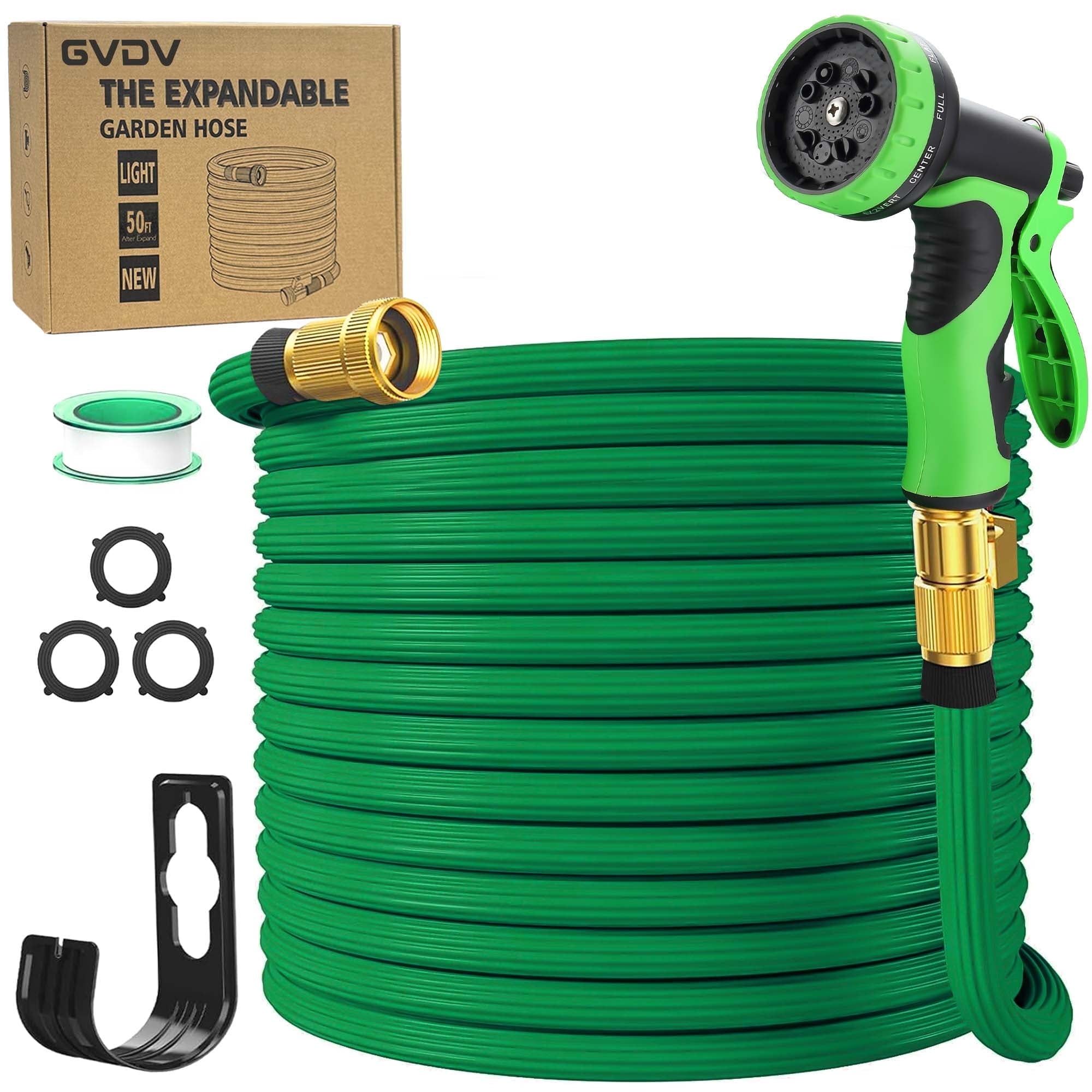
Let’s start with something straightforward – a solar-powered watering system. This project uses the sun’s energy to pump water from a reservoir to your plants. The design is simple enough that even beginners can tackle it. You’ll need a small solar panel connected to a battery that powers a water pump. The pump pushes water through hoses to your garden beds. What makes this particularly appealing is that it requires minimal maintenance. Once installed, it works automatically. During sunny days, the solar panel charges the battery. On cloudy days, the stored energy keeps the system running. Many gardeners have reported that these systems work better than expected. They’re especially useful for larger gardens where manual watering becomes tedious. The key is choosing the right pump size for your needs. Too small, and it won’t provide enough pressure. Too large, and it will drain your battery quickly. Most successful systems use pumps that can deliver 1-2 gallons per minute. You can even add a timer to control when watering occurs, making it even more efficient.
Basic Soil Cultivation with Solar Power
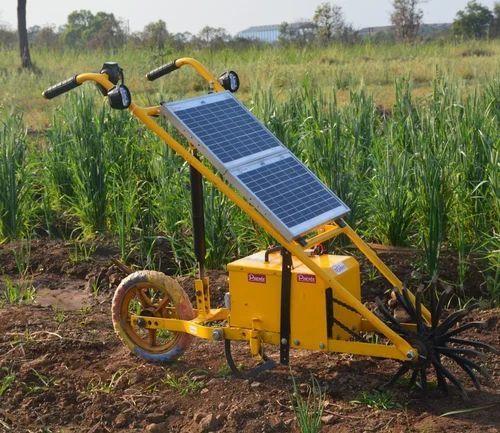
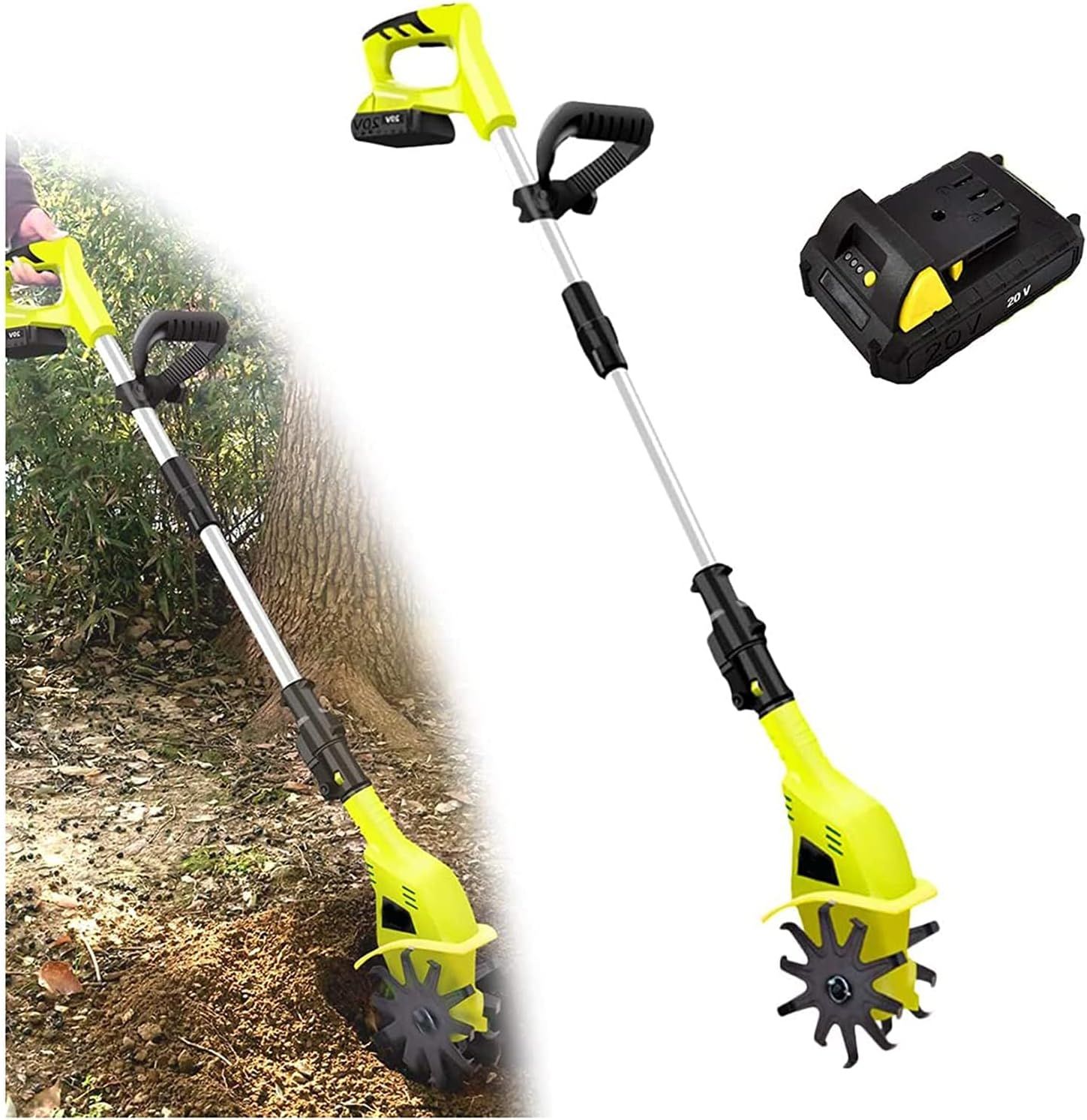
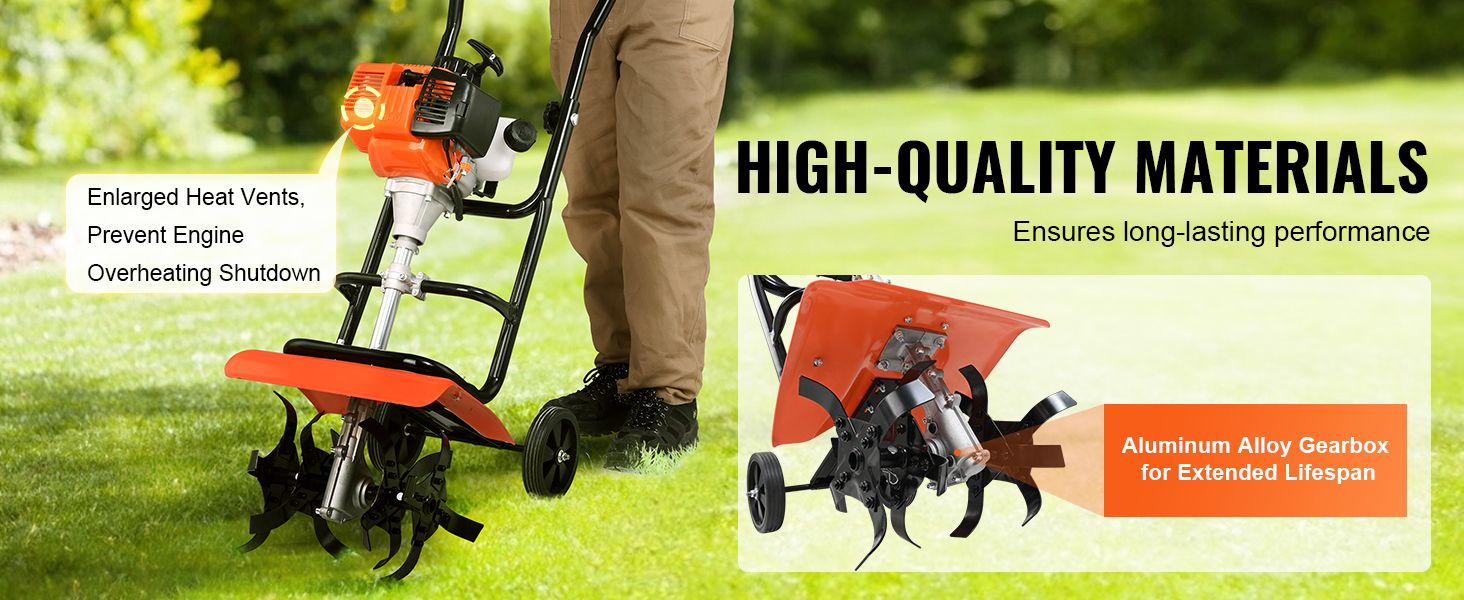
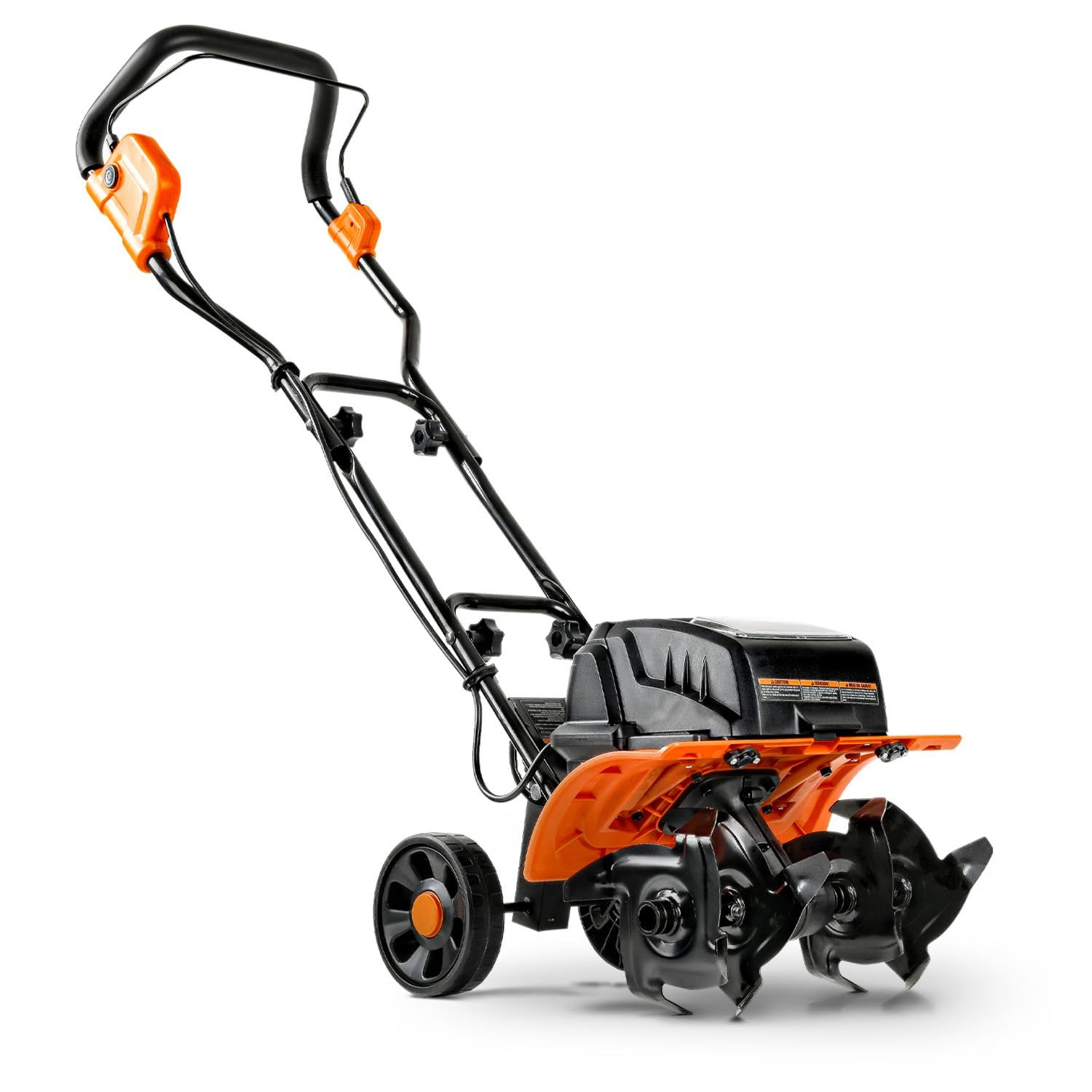
Moving beyond watering, solar-powered soil cultivation can really change how you approach garden preparation. These machines use solar energy to power small motors that turn soil or move garden debris. The simplest version might be a solar-powered wheel that you push along garden rows. More advanced versions include rotating blades or tilling mechanisms that break up compacted earth. The main challenge with soil cultivation is ensuring enough power to move heavy materials. This is where battery storage becomes crucial. A good battery system can store enough energy to handle multiple cultivation sessions. Gardeners have found that combining solar cultivation with traditional hand tools creates a powerful hybrid approach. You might use the solar cultivator for large areas and finish with hand tools for precision work. The energy efficiency of these tools is impressive. While a gas-powered cultivator might need fuel and regular maintenance, a solar version operates silently and requires no fuel. It’s also much lighter, making it easier to transport between different garden areas.
Advanced Features and Smart Integration
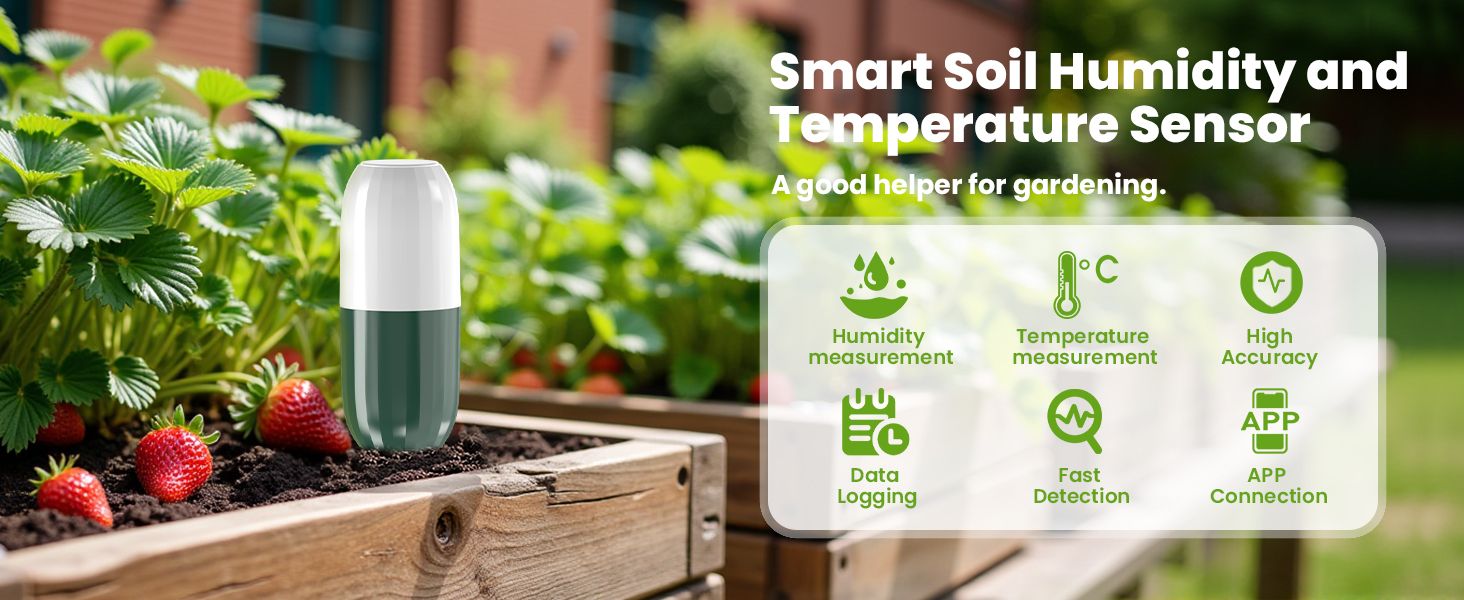
As you become more comfortable with solar gardening tools, consider adding smart features to enhance functionality. Many modern cultivators incorporate sensors that detect soil moisture levels, temperature, and even plant health. These sensors can trigger watering or cultivation activities automatically. Some systems connect to smartphone apps, allowing you to monitor your garden remotely. You can set up notifications when your plants need attention or check on progress while away from home. The integration of these smart elements doesn’t require complex programming. Instead, they use simple electronic components that many DIY enthusiasts can install themselves. For example, a moisture sensor can automatically activate a pump when soil gets too dry. Temperature sensors can alert you when conditions aren’t right for certain plants. These features make gardening more efficient and reduce the chance of plant stress due to oversight. The beauty of these additions is that they build upon the basic solar foundation, creating more sophisticated garden management systems.
Maintenance Tips and Troubleshooting
Like any mechanical system, solar garden cultivators require some care to function properly. Regular cleaning of solar panels ensures maximum energy capture. Dust, leaves, and debris can significantly reduce efficiency. Check battery connections periodically to ensure they’re tight and corrosion-free. Most problems stem from poor connections or component failure rather than complex malfunctions. A multimeter can help diagnose issues with voltage or current flow. If your system isn’t working, start by checking the solar panel output. Then verify that the battery is charging properly. If everything seems fine electrically, the issue might be mechanical – perhaps a loose connection in the motor or pump. Keep spare fuses and basic tools in your garden workshop. Having a toolkit specifically for garden electronics makes troubleshooting much faster. Most gardeners find that regular maintenance takes less than an hour each month. This small investment of time pays dividends in reliability and performance. The key is addressing small issues before they become major problems. A quick inspection every few weeks can prevent bigger headaches later.
Building your own solar garden cultivator isn’t just about creating a tool – it’s about embracing a more sustainable and self-sufficient way of gardening. These projects combine practicality with environmental responsibility, offering gardeners a chance to work smarter rather than harder. Whether you start with a simple watering system or dive into a full cultivation machine, the benefits are clear. You save money on electricity bills, reduce your carbon footprint, and gain independence from traditional power sources. The learning experience is invaluable too. You discover how renewable energy works in practice, and you develop skills that extend far beyond gardening. These machines don’t just help you grow food – they help you grow in knowledge and confidence. As more gardeners adopt these solar approaches, we’re seeing a shift toward more sustainable practices in our communities. Every solar cultivator built represents a step toward a greener future, one garden at a time. The best part? You don’t need to be an engineer to build something that works. With a little patience and creativity, anyone can create a solar-powered garden helper that truly makes a difference.
![What Is The Best Garden Cultivator [Inc. Battery, Electric, And Gas]? for Solar Powered Garden Cultivator](https://dahomengarden.com/wp-content/uploads/2025/12/what-is-the-best-garden-cultivator-inc-battery-electric-and-gas-for-solar-powered-garden-cultivator.jpg)