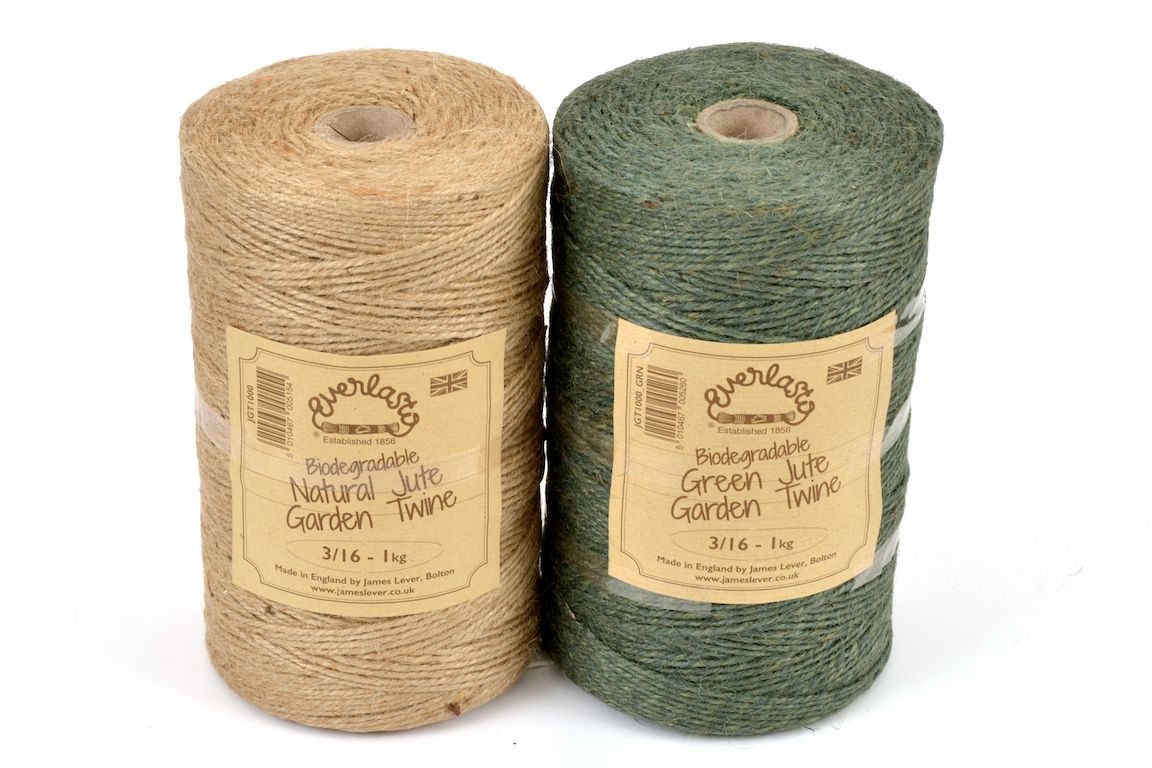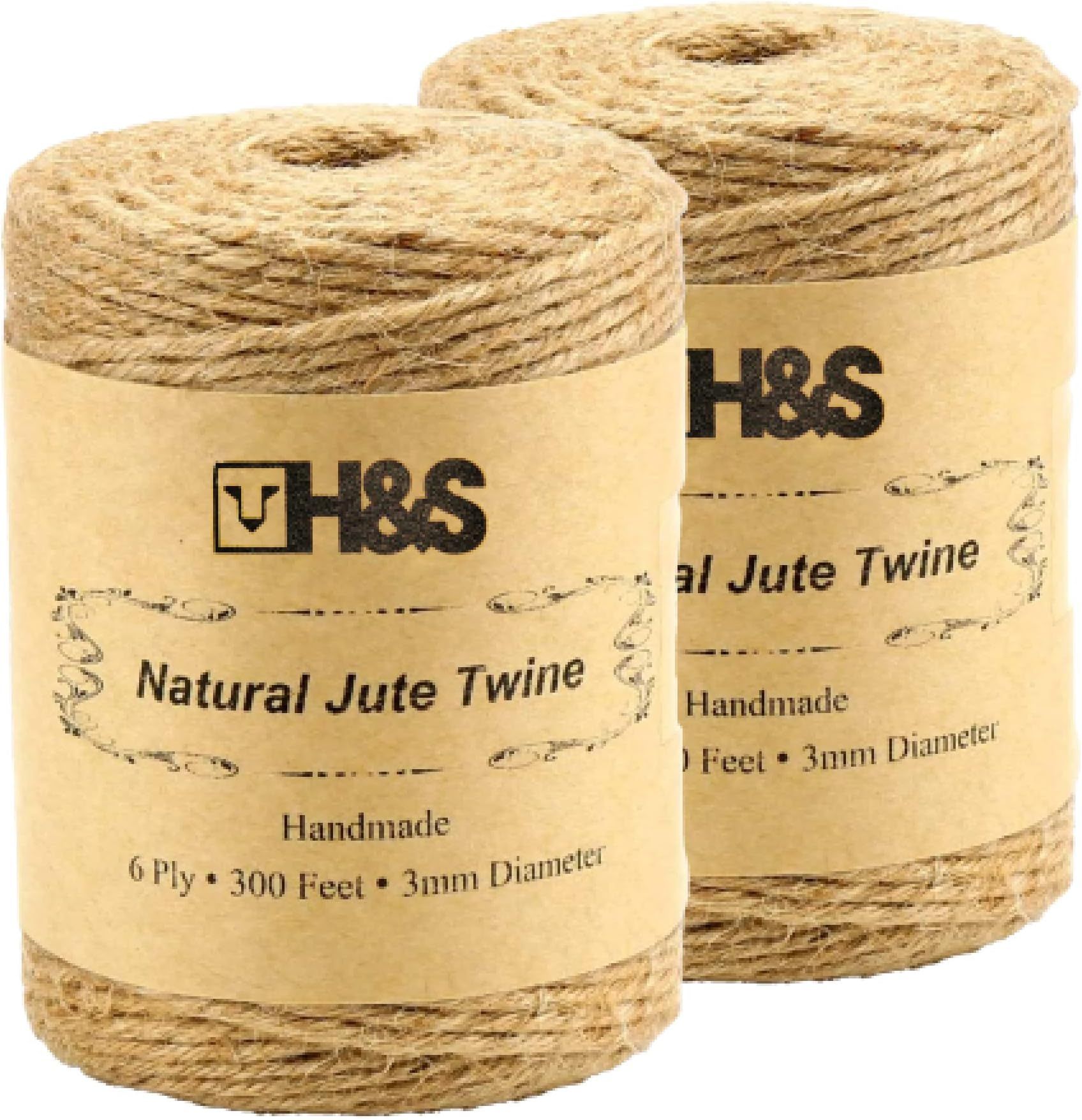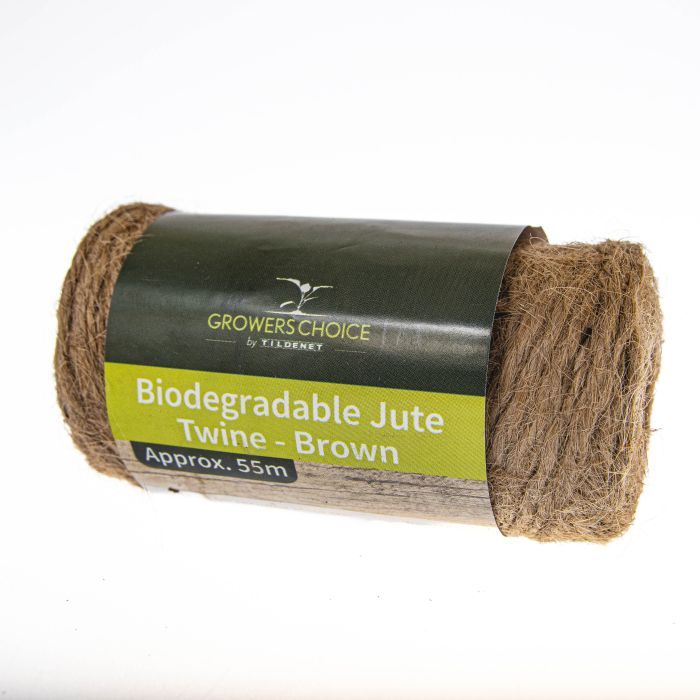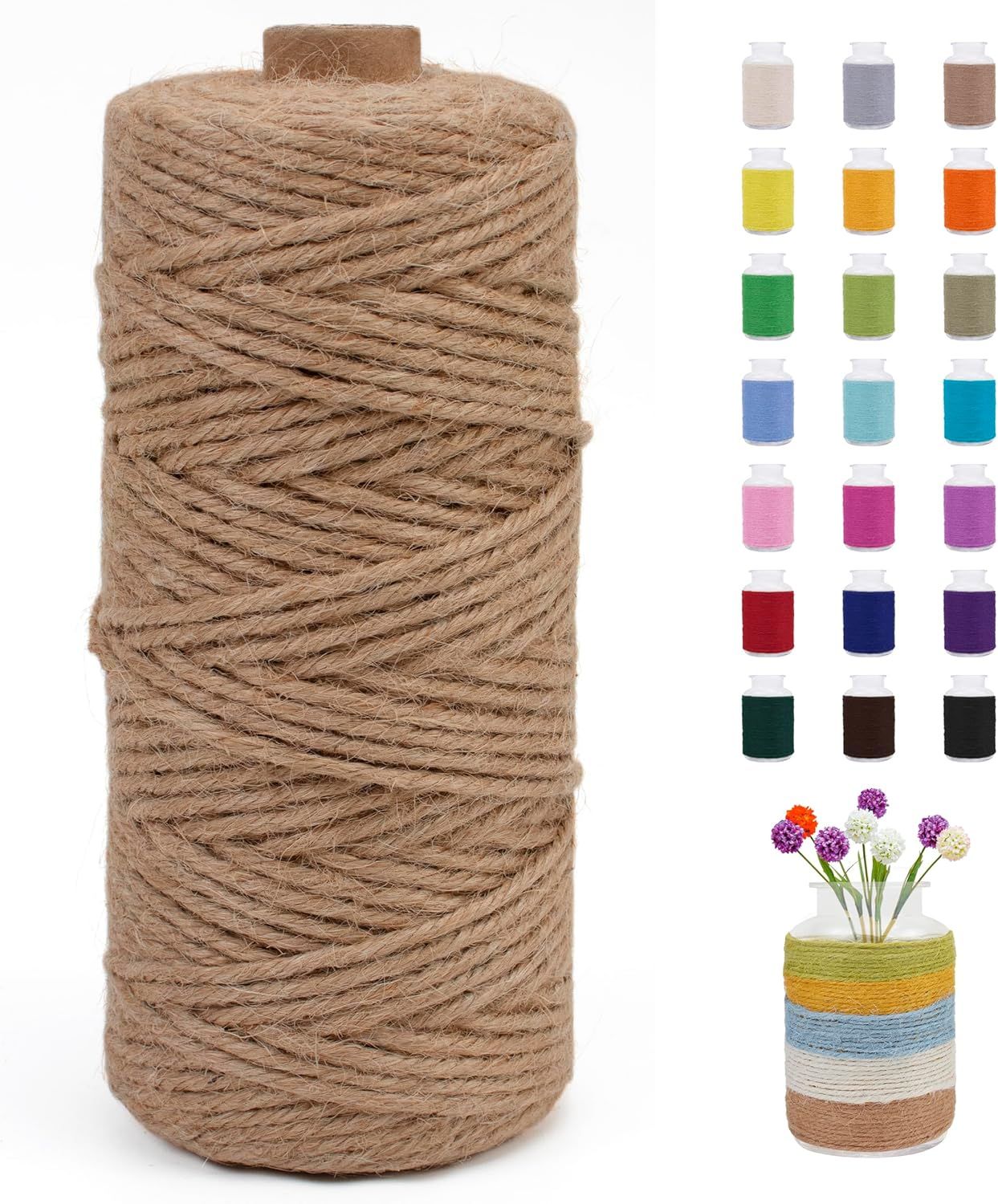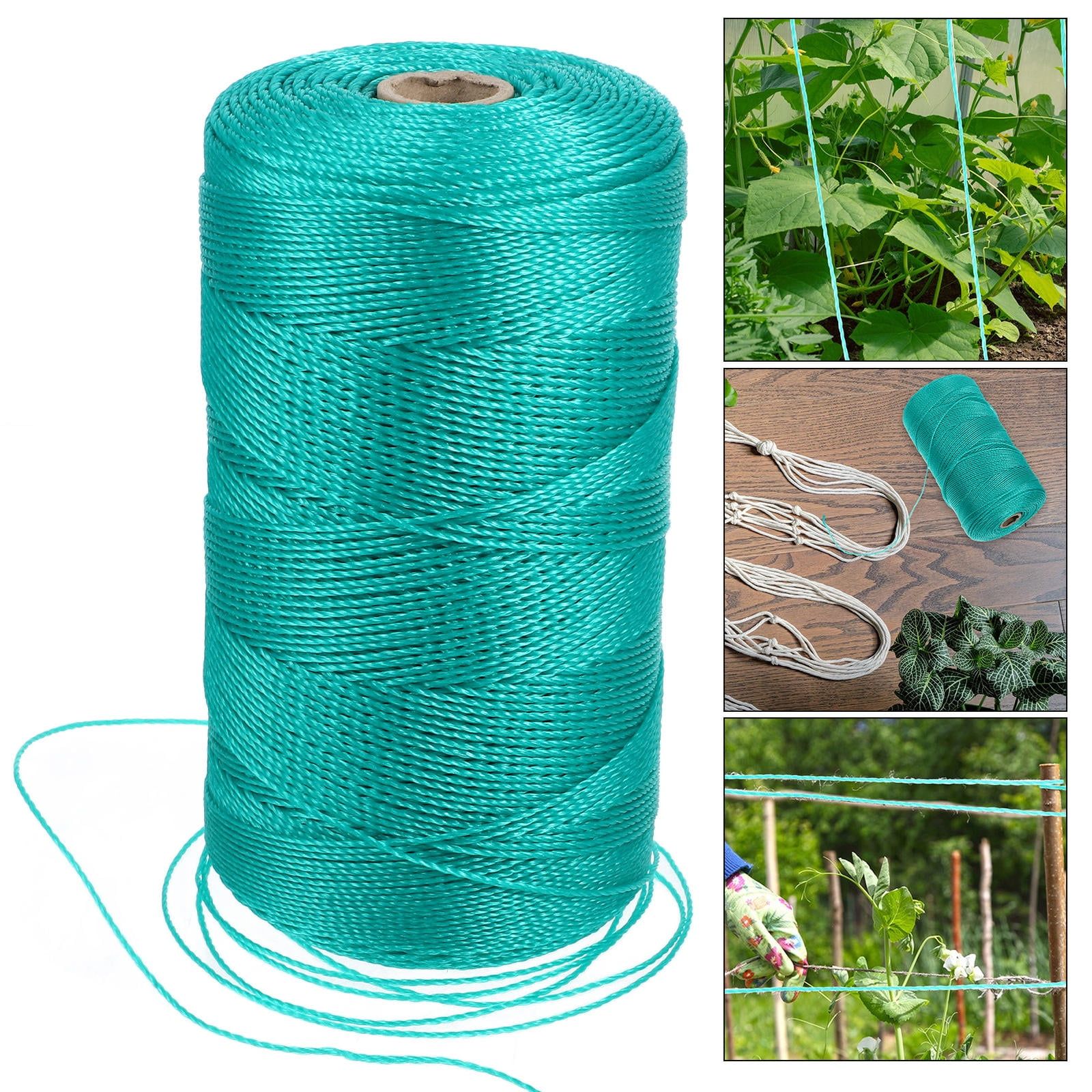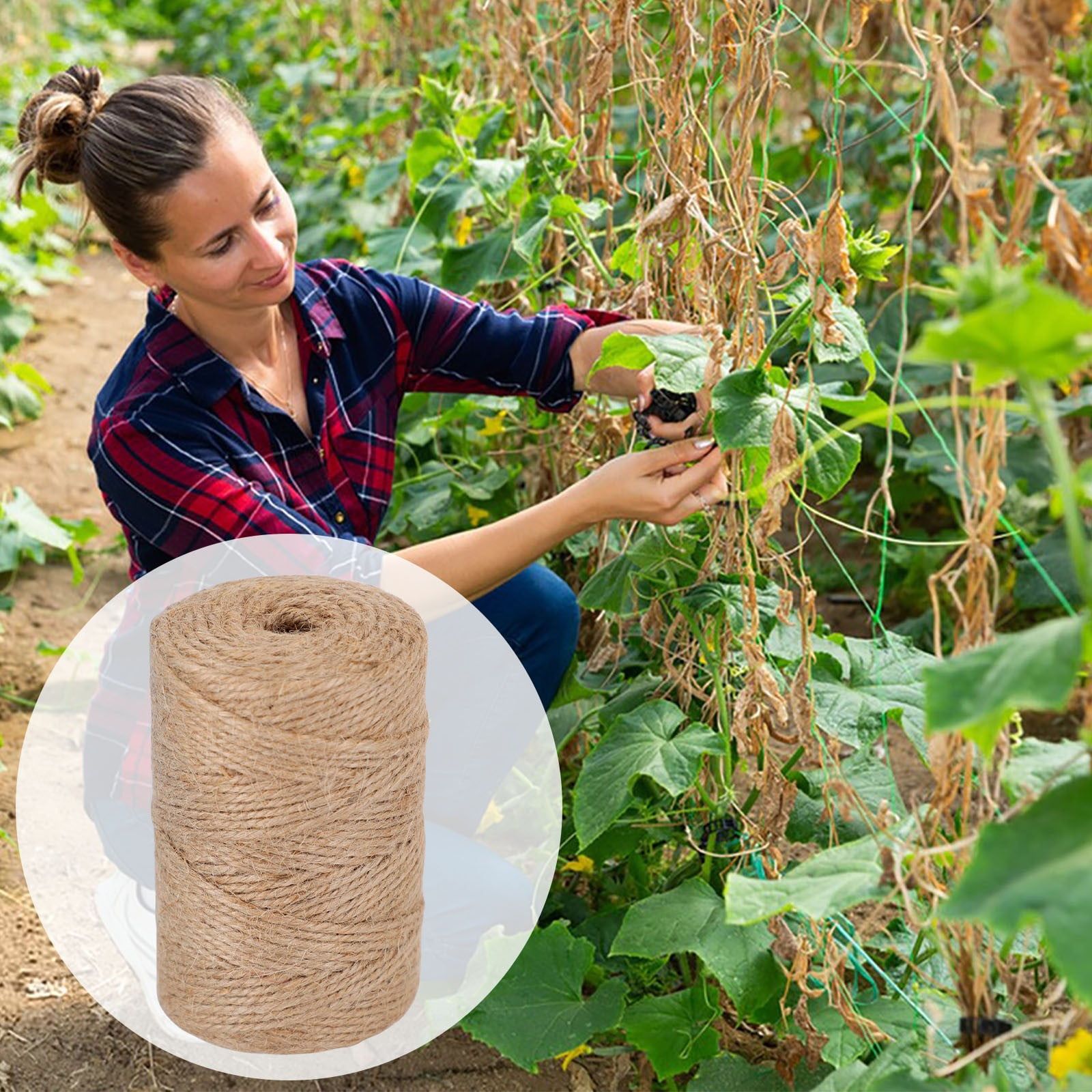
In the world of organic gardening, every small decision matters. From soil amendments to plant supports, gardeners are constantly seeking sustainable alternatives to conventional materials. One such simple yet powerful tool gaining popularity among organic enthusiasts is natural jute garden twine. This humble string made from the fibers of the jute plant offers a remarkable combination of strength, biodegradability, and environmental friendliness that makes it an ideal choice for gardeners committed to sustainable practices.
When you think about supporting plants in your garden, what comes to mind? Maybe those plastic ties you’ve been using for years, or perhaps some metal wire that’s been sitting in your tool shed. But there’s another option that’s been quietly revolutionizing how gardeners approach plant support – natural jute garden twine. This isn’t just another gardening tool that happens to be made from plants. It’s a thoughtful choice that aligns with the principles of organic gardening while delivering practical results. The journey toward understanding jute twine’s benefits starts with recognizing that even small changes in our gardening habits can have significant impacts on both our gardens and the environment around us. What if I told you that switching to natural jute could make your gardening experience better in ways you might not expect?
The Natural Origin of Jute Twine
Jute garden twine comes from the jute plant, a bast fiber crop that grows rapidly and requires minimal resources to cultivate. These plants thrive in tropical and subtropical regions, particularly in areas like Bangladesh, India, and parts of Southeast Asia. The fibers are extracted from the stem of the plant through a process called retting, where the stems are soaked in water to separate the useful fibers from the woody parts. This ancient technique has been used for centuries, making jute one of the oldest natural fiber crops in human history. Unlike synthetic alternatives that come from petroleum-based products, jute twine represents a renewable resource that can be grown annually without depleting the earth’s resources. The plant itself acts as a carbon sink, absorbing CO2 from the atmosphere during its growth cycle. When gardeners choose jute twine, they’re choosing a material that has a positive impact on the planet from production to decomposition. It’s a small step that can make a big difference in how we approach gardening sustainability.
Biodegradable Benefits for Soil Health
One of the most compelling advantages of natural jute garden twine is its complete biodegradability. As the twine breaks down naturally over time, it adds organic matter to the soil rather than polluting it. This process occurs gradually, typically within six months to two years depending on soil conditions and climate. During decomposition, the jute fibers provide nutrients to beneficial microorganisms in the soil. These microbes play a crucial role in maintaining soil health, breaking down organic matter, and creating a thriving ecosystem beneath the surface. Consider how many gardeners have struggled with plastic ties that eventually break apart and leave behind microplastics in their soil. Jute twine eliminates this concern entirely. The decomposition process actually enhances soil structure, improving water retention and nutrient availability for future plantings. Many organic gardeners report that areas where jute twine has been used show improved soil texture and increased earthworm activity over time. It’s not just about supporting plants today – it’s about building better soil for tomorrow.
Plant Safety and Gentle Support
Gardeners often overlook how much damage their support methods can cause to delicate plants. Plastic ties can cut into stems over time, especially as plants grow larger and stronger. They may also become brittle and break suddenly, leaving plants unsupported during critical growth periods. Jute twine, however, offers a gentler approach. Its natural fibers are softer and more flexible than synthetic alternatives, allowing for some give as plants stretch and grow. The material doesn’t constrict as plants mature, reducing the risk of girdling that can stunt or kill plants. For tender seedlings and delicate vegetables like tomatoes, peppers, and squash, this gentle support can mean the difference between healthy growth and damaged plants. Many experienced gardeners note that their plants seem more robust when supported with jute twine because there’s less stress on stems and leaves. The twine’s natural properties also prevent the chemical leaching that can occur with some synthetic materials, keeping the growing environment safer for edible plants.
Eco-Friendly Production Process
The manufacturing of jute garden twine involves far fewer environmental impacts than synthetic alternatives. Traditional jute processing uses minimal chemicals and energy compared to plastic production processes that require petroleum refining and extensive energy consumption. The production of synthetic garden ties involves multiple steps including polymer extraction, chemical treatments, and high-temperature molding. In contrast, jute twine production focuses on mechanical processing that preserves the natural properties of the fibers. This means less pollution in air and water systems, reduced carbon emissions, and fewer toxic byproducts. Additionally, the jute plant itself contributes positively to the environment by producing oxygen and requiring relatively little water and no pesticides to grow. Many jute farmers practice sustainable agriculture, rotating crops and maintaining biodiversity in their fields. When gardeners choose jute twine, they’re supporting agricultural practices that benefit both local communities and global environmental health. The entire lifecycle of jute twine from farm to garden represents a much cleaner environmental footprint than conventional garden supplies.
Durability and Strength Characteristics
Despite being made from natural fibers, jute garden twine offers impressive strength and longevity for garden applications. High-quality jute twine can withstand considerable tension and is suitable for supporting heavy plants like tomatoes, beans, and cucumbers. The fibers have natural tensile strength that makes them reliable for securing plant stems and providing structural support. Many gardeners find that jute twine holds up well against weather conditions, resisting mildew and UV exposure for extended periods. However, it’s important to note that jute twine isn’t designed for permanent installation – it’s meant to decompose naturally over time. This characteristic actually works in favor of gardeners because it prevents the long-term accumulation of artificial materials in garden beds. The twine’s strength is sufficient for most gardening needs while remaining environmentally responsible. Some gardeners even appreciate that jute twine provides a temporary solution that allows them to adjust plant support as needed before the material breaks down naturally.
Practical Applications and Usage Tips
Using natural jute garden twine effectively requires a few simple techniques that maximize its benefits. First, always ensure you’re using high-quality twine that hasn’t been treated with chemicals or dyes. Look for products labeled as 100% natural jute with minimal processing. When tying plants, use loose knots that allow room for growth rather than tight bindings that can restrict development. A simple overhand knot or square knot works well for most applications. For taller plants, consider creating a support system using multiple strands of twine to distribute weight evenly. Some gardeners prefer to pre-soak jute twine in water before use, which makes it more pliable and reduces the chance of breaking during installation. Regular monitoring helps ensure that twine remains effective without becoming too tight. Many experienced gardeners recommend replacing jute twine with new material once plants reach maximum height, allowing the old twine to decompose naturally. These simple practices ensure that gardeners get the full benefits of natural jute while maintaining healthy plant growth.
Cost-Effectiveness Over Time
While natural jute garden twine might initially cost slightly more than plastic alternatives, its economic advantages become apparent over time. The biodegradable nature means gardeners don’t need to repeatedly purchase replacement ties for the same plants. Additionally, the improved soil health resulting from jute decomposition can reduce the need for additional soil amendments. Many gardeners discover that investing in quality jute twine pays dividends through healthier plants and better soil conditions. The material also eliminates disposal costs associated with plastic ties that must be removed and disposed of properly. Some gardeners report that their overall gardening expenses decrease because they spend less time and effort on tie maintenance and replacement. When considering the long-term value, jute twine represents a smart investment in sustainable gardening practices that benefit both the gardener and the environment.
Natural jute garden twine embodies the spirit of organic gardening – simple, sustainable, and deeply connected to the earth. Its benefits extend far beyond basic plant support, contributing to soil health, environmental protection, and plant wellness. While it might seem like a small choice, switching to jute twine represents a commitment to gardening practices that honor both the plants we grow and the planet that sustains us. Whether you’re a seasoned organic gardener or someone just beginning your sustainable journey, jute twine offers a practical way to make your gardening more eco-conscious. The evidence suggests that this natural alternative delivers real benefits in terms of plant health, soil quality, and environmental impact. As more gardeners embrace these sustainable practices, the cumulative effect creates positive change in our communities and ecosystems. The next time you’re preparing to support a plant, consider reaching for that natural jute twine – it might just be the simplest change that makes the biggest difference.