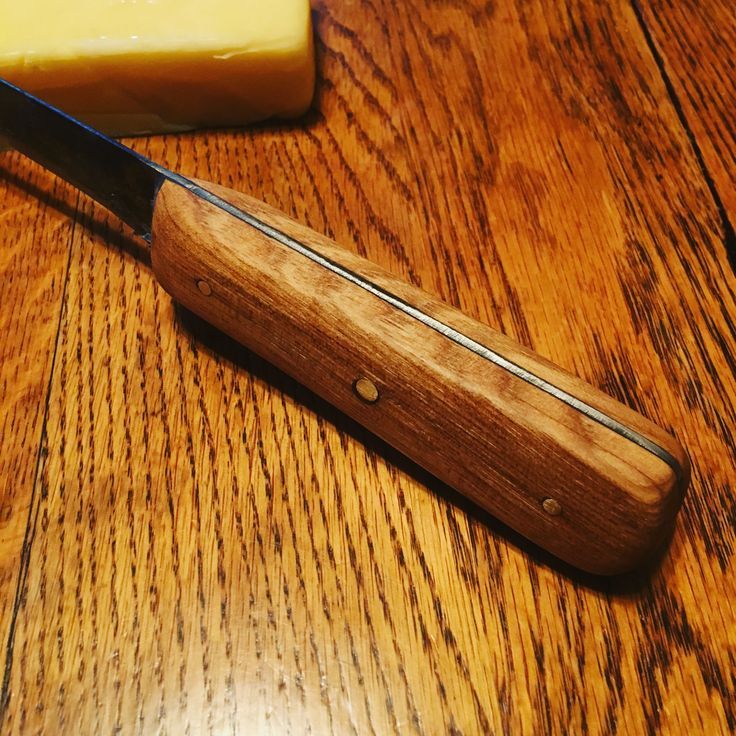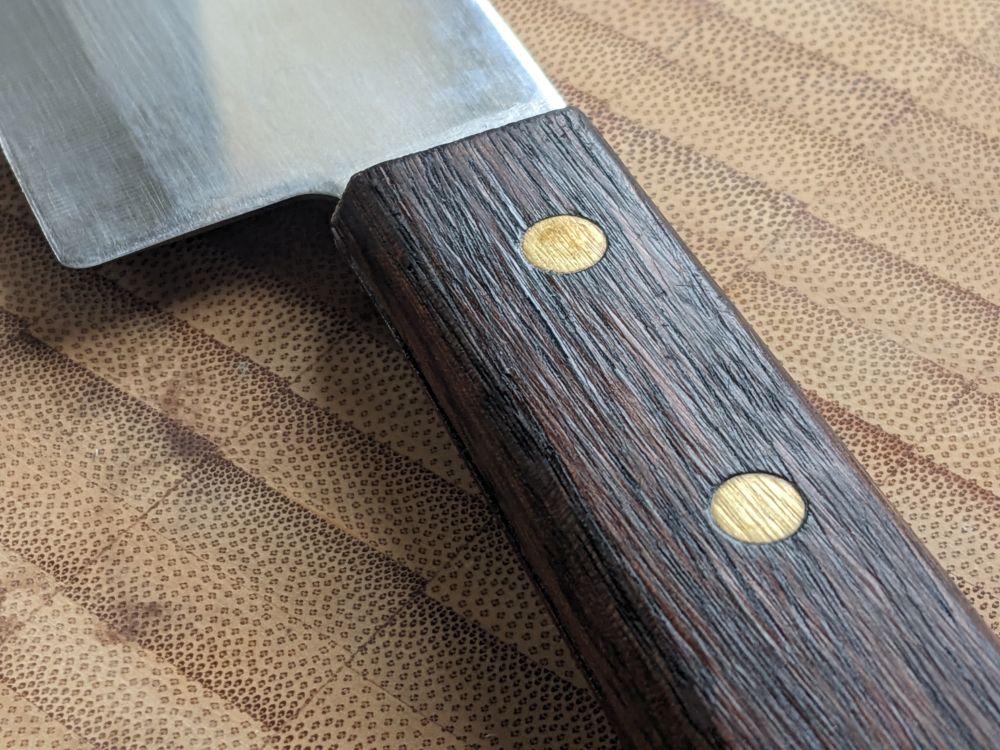
Every day, we interact with wooden handles that have been part of our lives for decades. From kitchen utensils to door knobs, these wooden elements add warmth and character to our spaces. But they need attention. Not just cleaning, but proper maintenance to keep them looking their best. Enter household oils – those simple, accessible treasures that can transform the condition of your wooden handles.
Think about how many wooden handles you encounter daily. The cutting board in your kitchen, the drawer pulls in your cabinets, the handle on your favorite mug. These aren’t just functional items – they’re part of the story of your home. They’ve absorbed moisture, handled countless touches, and maybe even seen some wear and tear. That’s why taking care of them matters. You don’t need expensive products or fancy treatments. Sometimes, the simplest solutions work best. Household oils like olive oil, mineral oil, and coconut oil can be your secret weapons for maintaining wooden handles. Let’s explore how to use them effectively.
Why Wooden Handles Need Special Care
Wood isn’t just wood – it’s a living material that responds to its environment. Humidity changes, temperature shifts, and regular use all affect wooden surfaces. Without proper care, wooden handles can become dry, cracked, or even warp over time. This deterioration doesn’t happen overnight, but it does happen. The good news? It’s preventable. Regular maintenance helps preserve both the look and strength of wooden handles. You’ll notice a difference in texture, appearance, and durability when you take care of them properly. Consider it an investment in your home’s longevity and charm.
Understanding Different Types of Household Oils
Not all oils are created equal, especially when it comes to wood care. Here are the most effective options:
• Mineral Oil: This is often considered the gold standard for wooden surfaces. It’s colorless, odorless, and penetrates deeply into wood grain. Perfect for kitchen tools.
• Olive Oil: Rich in antioxidants and readily available, olive oil works well for general upkeep. However, it can go rancid over time.
• Coconut Oil: A natural moisturizer that’s great for preventing cracks. It solidifies at cooler temperatures but melts easily.
• Beeswax: While not an oil, beeswax adds a protective layer that can help repel water. Often mixed with oils for enhanced protection.
Each oil has unique properties that make it suitable for different situations. Understanding these differences helps you choose the right one for your specific needs.
Essential Preparation Steps Before Applying Oil
Before applying any oil, preparation is crucial. Clean the surface thoroughly first. Remove dirt, grime, and old residue with a soft cloth or sponge. If there’s stubborn buildup, use a mild soap solution and rinse well. Allow the handle to dry completely before proceeding. Any moisture left behind can interfere with oil absorption. For older, very dry handles, gently sand the surface with fine-grit sandpaper to remove rough patches. This step helps the oil penetrate better. Remember, clean surfaces mean better results. Taking a few extra minutes now prevents future problems.
Step-by-Step Application Process
Applying oil correctly is key to achieving lasting results. Here’s how to do it right:
- Apply a small amount of oil directly onto the wood surface.
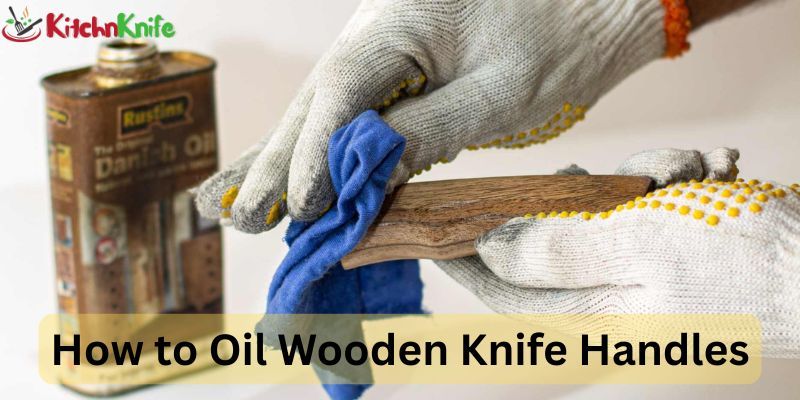
- Rub it in with your fingers or a clean cloth in the direction of the grain.
- Let it sit for 15-30 minutes to allow penetration.
- Wipe away any excess oil with a clean cloth.
- Repeat if necessary for heavily worn areas.
This process may seem simple, but consistency makes a big difference. Work slowly and pay attention to details. Don’t rush the process – oil needs time to absorb properly. Some handles might need reapplication every few months, while others could last longer depending on usage.
Frequency of Maintenance and Signs to Watch For
How often should you oil your wooden handles? It depends on several factors:
• High-traffic areas may need monthly attention
• Kitchen utensils might require quarterly checks
• Indoor handles typically need less frequent treatment
Watch for signs that indicate it’s time to reapply:
• Dry, rough texture when touched
• Visible cracks or splits forming
• Dull appearance compared to new condition
• Wood feels brittle or prone to breaking
Regular visual inspections can catch issues early. Addressing small problems quickly prevents bigger damage later. Making oiling part of your routine helps maintain consistent results.
Troubleshooting Common Issues
Even with the best intentions, things can go wrong. Here are some typical problems and how to address them:
• Oil Stains: If oil seeps through to the surface, wipe it off immediately with a clean cloth. Preventive wiping after application helps avoid this.
• Glossy Finish: Too much oil can leave a shiny residue. Always remove excess after application.
• Rancidity: Olive oil can spoil if not used regularly. Store it properly and use within six months.
• Uneven Absorption: Sometimes oil doesn’t distribute evenly. Try working in small sections and ensuring thorough rubbing.
Most issues stem from over-application or inadequate cleaning beforehand. Learning from these experiences helps improve your technique over time.
Taking care of wooden handles doesn’t have to be complicated or expensive. With basic household oils and a little attention, you can keep your wooden elements looking fresh and functioning well for years to come. The key lies in understanding what your wood needs, preparing properly, and being consistent with maintenance. Whether it’s a simple kitchen spoon or a decorative door knob, each handle tells a story. By caring for them with natural oils, you’re preserving that story for the next generation. Give your wooden handles the attention they deserve – they’ll thank you with continued beauty and strength.