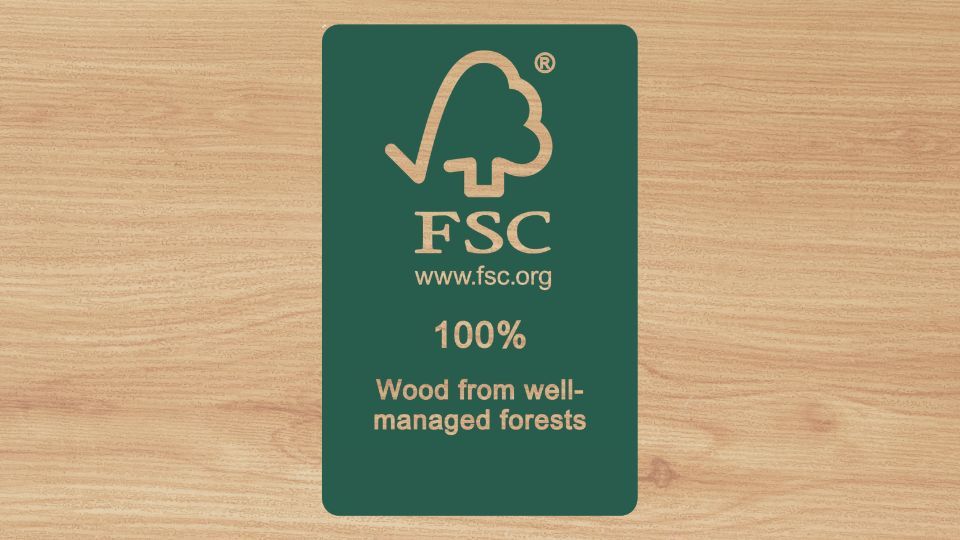
In a world where every choice matters, craftsmen and makers are discovering that their tools can be both powerful and responsible. When it comes to wood tool handles, one certification stands out as a beacon for environmental consciousness. The Forest Stewardship Council (FSC) label isn’t just a badge—it’s a promise to future generations that the wood they use today won’t leave tomorrow’s forests barren.
Picture this: You’re holding a hand plane with a handle that feels solid, beautiful, and perfectly balanced. But beyond its functionality, there’s something deeper happening. This tool was crafted with care for the environment, using wood that meets strict sustainability standards. That’s the power of FSC certified wood tool handles in modern crafts. It’s not just about making better tools anymore—it’s about making better choices. Every time a craftsman reaches for a FSC-certified handle, they’re participating in a global movement toward responsible forestry practices. The question isn’t whether we can afford to make sustainable choices, but whether we can afford not to.
What Makes FSC Certification Special
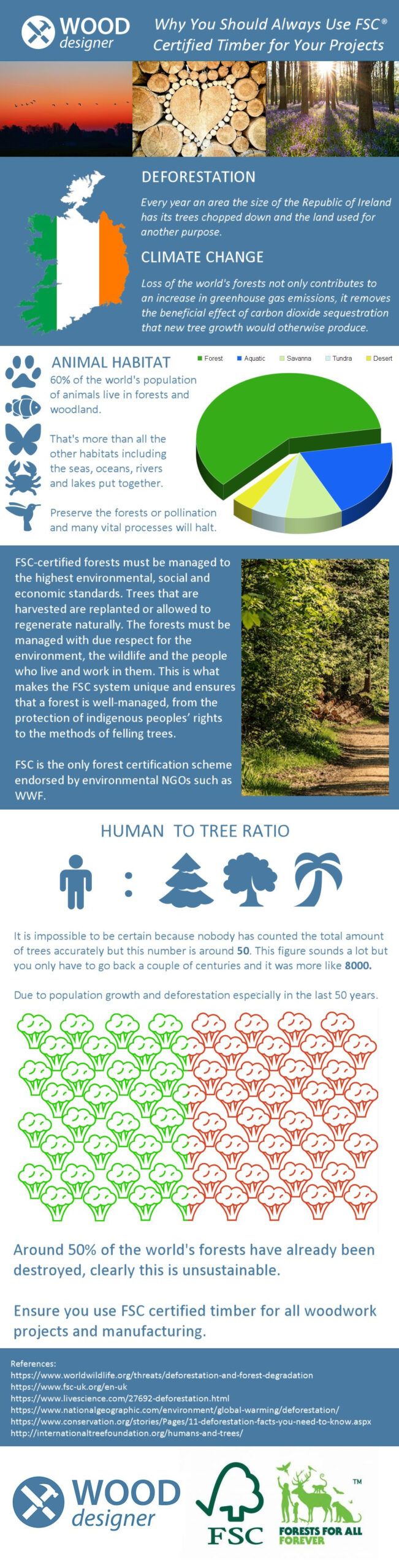
The Forest Stewardship Council operates like a watchdog for our forests. Their certification process means wood comes from responsibly managed forests where trees are replanted, ecosystems are protected, and local communities benefit. Think of it as a forest health check-up that ensures every tree cut down is replaced, and every forest management decision considers the bigger picture. What sets FSC apart is its multi-stakeholder approach, bringing together environmentalists, indigenous peoples, businesses, and local communities to shape forestry policies. This creates a robust system where decisions aren’t made in isolation but with input from everyone affected. The certification covers everything from logging methods to transportation, ensuring that the entire supply chain meets environmental and social standards. For wood tool handles specifically, this means the wood used isn’t just sustainably sourced—it’s part of a larger ecosystem of responsible stewardship.
Environmental Benefits of FSC Wood
When you choose FSC certified wood for your tool handles, you’re supporting several crucial environmental outcomes. First, you’re helping preserve biodiversity. These forests provide homes for countless species, from microscopic fungi to majestic deer. By maintaining healthy forest ecosystems, FSC certification protects wildlife corridors and prevents habitat fragmentation. Second, you’re contributing to carbon sequestration efforts. Healthy forests act as carbon sinks, absorbing CO2 from the atmosphere and storing it in wood and soil. Third, you’re supporting water conservation. Well-managed forests filter rainwater naturally, preventing erosion and maintaining clean water supplies for communities downstream. The environmental benefits stack up quickly. A single FSC-certified tool handle represents hundreds of square feet of forest protection and thousands of tons of carbon stored. Plus, when you buy FSC wood, you’re investing in reforestation programs that ensure forests will continue thriving for decades to come.
Craftsmanship Meets Sustainability
Modern craftsmen often wonder if sustainable materials compromise quality. The answer is absolutely no. FSC certified wood offers the same strength, durability, and aesthetic appeal that traditional wood provides, but with added assurance about its source. Many woodworkers find that FSC woods have exceptional grain patterns and colors that enhance their tools’ beauty. The challenge lies in finding reliable suppliers who can consistently provide certified wood. Some artisans have discovered that working with FSC wood actually enhances their craftsmanship—they’re more mindful of the material’s origins and value, leading to more thoughtful designs. The certification doesn’t limit creativity; it expands it by opening access to diverse wood species from responsibly managed sources. Crafters report that their customers appreciate knowing their tools are environmentally conscious, creating a new market segment for sustainable craftsmanship. The key is understanding that sustainability doesn’t mean sacrifice—it means smarter choices.
Economic Impact on Local Communities
FSC certification goes beyond environmental protection to support economic development in forest communities. When wood is harvested sustainably, local workers receive fair wages and safe working conditions. This creates a positive cycle where communities invest in education, healthcare, and infrastructure. In many regions, FSC-certified forests employ local people as foresters, loggers, and processors, providing stable income for families. The certification also opens doors to premium markets where consumers are willing to pay more for ethical products. Small-scale woodworkers often discover that FSC wood commands higher prices because buyers recognize the environmental and social value. This economic incentive encourages more sustainable practices across the industry. Communities that embrace FSC principles often see increased tourism as eco-conscious travelers seek authentic, responsible experiences. The ripple effect extends beyond individual businesses to regional economies that depend on forest resources.
Challenges and Considerations
Despite its benefits, FSC certification isn’t without challenges. The certification process requires significant documentation and regular audits, which can be costly for smaller producers. Some woodworkers worry about the availability of FSC certified wood in certain regions, particularly where certification programs are newer. Price can be a factor too—FSC wood often costs more than conventional alternatives due to the additional oversight and sustainable practices involved. However, many craftsmen find that the premium is justified by the superior quality and the peace of mind that comes with responsible sourcing. Another consideration is the complexity of tracking certification through the supply chain, especially when working with multiple suppliers. Some artisans struggle with the paperwork requirements, though digital tools have made this easier in recent years. The biggest challenge remains educating consumers about the value of FSC certification, as many still don’t understand why sustainable wood matters.
Making the Switch: Practical Tips
Ready to incorporate FSC certified wood into your craft? Start small and build gradually. First, research local suppliers who carry FSC certified materials. Many lumber yards now stock certified wood, especially in regions with strong environmental movements. Look for certification labels on the wood itself or ask suppliers for documentation. Consider starting with one tool type—perhaps a chisel handle or plane blade—and expanding your use of certified wood over time. Connect with other craftsmen who’ve made the transition to share experiences and resources. Join online forums or local craft groups where sustainable practices are discussed. Budget for the potential price difference, but remember that FSC wood often lasts longer and performs better than cheaper alternatives. Finally, communicate with your customers about your commitment to sustainability—many will appreciate knowing where their tools come from and how they were made. The shift to FSC wood can be seamless once you establish reliable supply chains and educate yourself on the certification process.
The story of FSC certified wood tool handles in modern crafts is ultimately about choice—choosing tools that reflect our values and contribute to a healthier planet. As craftsmen, we hold the power to influence change through every purchase we make. When we select FSC wood, we’re voting for responsible forestry practices, supporting local communities, and investing in our children’s future. The environmental impact extends far beyond individual tools to encompass entire ecosystems and global climate health. Every time a craftsman chooses FSC certified wood, they’re participating in a movement toward more sustainable production methods. The path forward isn’t always easy, but it’s necessary. The tools we use today shape the world we’ll pass on to future generations. Making sustainable choices in our craft isn’t just good for the environment—it’s good for business, good for communities, and good for our souls. The green revolution in woodworking is already happening, one carefully chosen handle at a time.
![What Is Fsc Certified Wood? A Simple Guide [October 2025] for Fsc Certified Wood Tool Handles](https://dahomengarden.com/wp-content/uploads/2025/12/what-is-fsc-certified-wood-a-simple-guide-october-2025-for-fsc-certified-wood-tool-handles.webp)