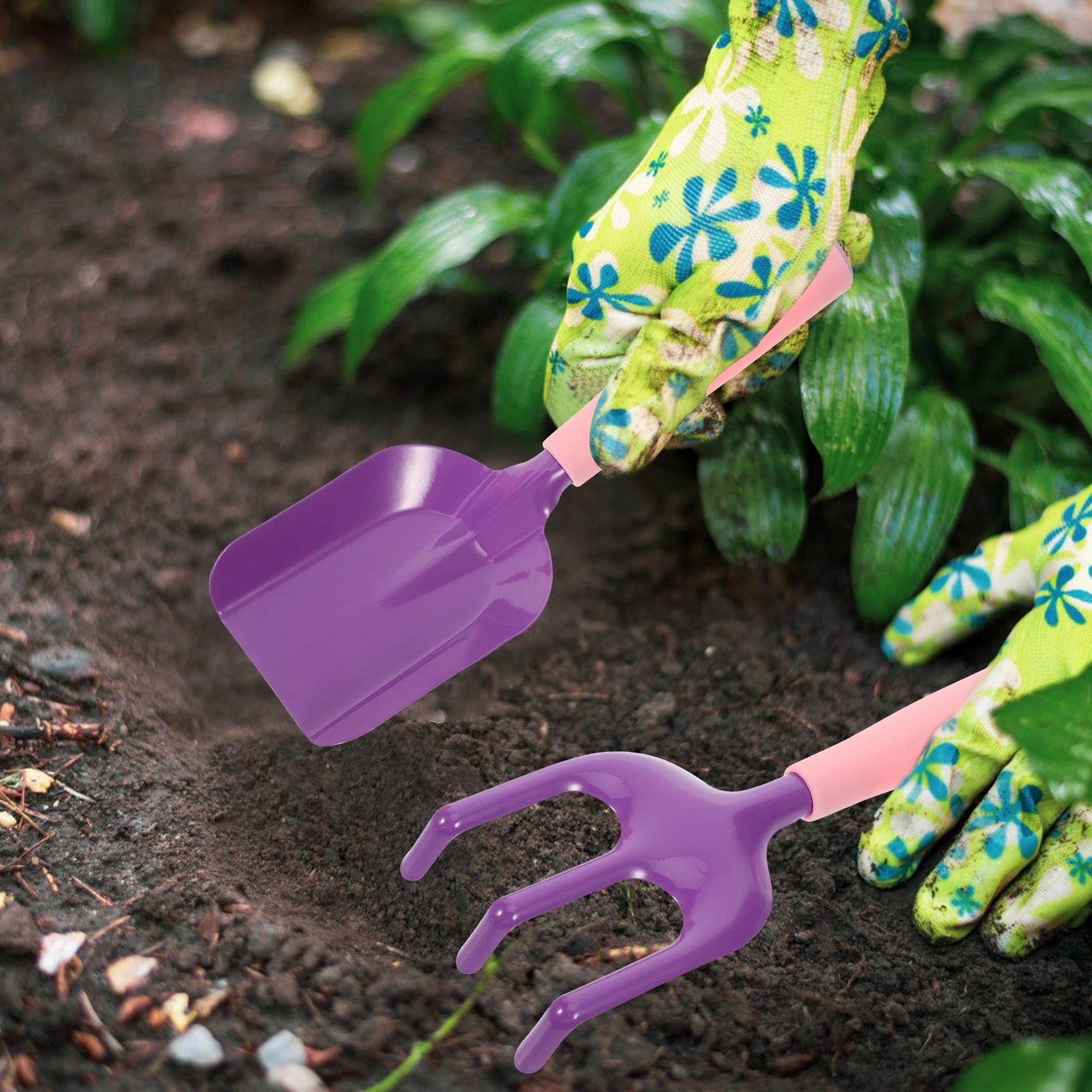
When you think about garden equipment, do you automatically picture sturdy metal tools or maybe some plastic toys? Well, things have changed dramatically in recent years. The garden industry has embraced recycled plastic as a viable material for everything from wheelbarrows to pruning shears. But there’s been a lot of confusion floating around about how well these products actually perform. Are they really as flimsy as some people claim? Or are we missing the bigger picture?
The garden equipment market has undergone quite a transformation over the past decade. What used to be dominated by traditional materials like wood and metal has now expanded to include innovative recycled plastic solutions. These products promise environmental benefits while maintaining functionality. Yet, despite their growing presence, many gardeners still harbor doubts about their performance. Is it just another marketing gimmick, or does recycled plastic truly hold its own? Let’s explore what the evidence says.
The Durability Debate
One of the most common concerns raised by gardeners is whether recycled plastic tools can withstand the rigors of regular use. Critics often argue that these products are too fragile and will break easily under stress. However, modern manufacturing techniques have significantly improved the strength and longevity of recycled plastic garden equipment. Many manufacturers now use high-density polyethylene (HDPE) which is known for its toughness and resistance to weathering.
Consider this: a typical garden hoe made from recycled plastic can handle the same amount of force as its metal counterpart. The key lies in proper design and material selection. When manufacturers invest in quality recycled plastics, they’re creating tools that can last for years. It’s not about replacing every metal tool, but rather finding the right balance between environmental impact and practicality.
Weather Resistance Myths
Another widespread misconception involves how recycled plastic equipment handles various weather conditions. Some believe these tools will warp, crack, or fade badly when exposed to sun and rain. While it’s true that lower-quality recycled plastics might have issues, the reality is much more nuanced. High-grade recycled plastics are engineered to resist UV radiation, moisture, and temperature fluctuations.
Think about it this way: if you’ve ever seen a plastic water bottle left in the sun for weeks, you know that not all plastics behave the same way. Modern recycled garden tools often incorporate UV stabilizers and colorants that prevent fading. Plus, unlike wood that can rot or metal that rusts, plastic equipment maintains its integrity regardless of the elements. The real question isn’t whether it will survive weather exposure—it’s how well it’s been designed for the job.
Cost vs Value Considerations
Many gardeners worry that recycled plastic tools are cheaper because they’re inherently worse. This assumption misses the point entirely. While initial costs may seem comparable to traditional materials, the long-term value proposition is compelling. Consider the total cost of ownership over several seasons. A single plastic wheelbarrow might cost slightly less than a metal one, but it won’t rust, won’t require maintenance, and won’t need replacement due to weather damage.
What’s more, many recycled plastic products come with extended warranties. This reflects confidence from manufacturers who understand their product’s capabilities. In fact, some gardeners report saving money over time by choosing recycled plastic options instead of constantly replacing damaged metal tools.
Environmental Impact Misconceptions
This area deserves special attention because it’s where the biggest misunderstandings occur. Some people assume that using recycled plastic means compromising on sustainability. Nothing could be further from the truth. Recycled plastic garden equipment actually reduces waste and conserves resources compared to producing new materials.
A good example is the difference between manufacturing new plastic versus using recycled content. Creating new plastic requires significant energy and raw materials, while recycling uses existing resources. When you purchase recycled plastic garden tools, you’re actively participating in a circular economy. Additionally, many manufacturers are now incorporating biodegradable additives into their formulations, making even better choices for environmentally conscious gardeners.
Performance Comparisons
Let’s get concrete about how recycled plastic tools stack up against traditional alternatives. In terms of basic functionality, most recycled plastic garden equipment performs adequately for standard tasks. The weight distribution, grip quality, and handling characteristics are often quite similar to metal or wooden tools.
Take pruning shears as an example. Many recycled plastic versions offer excellent cutting performance and can handle thick branches just as effectively as their metal counterparts. The main difference is in weight—recycled plastic tools tend to be lighter, which can reduce fatigue during extended gardening sessions. This is particularly beneficial for older gardeners or those with physical limitations.
However, it’s important to note that some specialized applications may still favor traditional materials. For heavy-duty construction work or extreme conditions, metal tools might still be preferred. But for general gardening tasks, recycled plastic holds its ground.
Maintenance and Longevity
One of the most overlooked aspects of recycled plastic garden equipment is how easy they are to maintain. Unlike metal tools that require rust prevention and wood that needs regular treatment, plastic equipment typically needs minimal upkeep. Simply rinse with water, let dry, and store properly. No special treatments, no worrying about corrosion.
Many gardeners find this aspect particularly appealing. Imagine never having to deal with rusted handles or splintered wood again. The longevity of quality recycled plastic tools can rival that of traditional materials when properly maintained. They don’t degrade over time like wood does, and they don’t corrode like metal. The key is choosing reputable brands that stand behind their products.
The myths surrounding recycled plastic garden equipment performance are largely based on outdated assumptions and limited experience. As technology advances and manufacturers refine their processes, these tools continue to improve in both quality and capability. Whether you’re a seasoned gardener or someone just starting out, understanding the real performance characteristics of recycled plastic options can help you make informed decisions.
The evidence suggests that when properly manufactured and selected, recycled plastic garden equipment offers reliable performance with added environmental benefits. Rather than dismissing these products outright, consider them as part of a broader toolkit that includes traditional materials where necessary. The future of gardening tools may very well lie in the thoughtful combination of sustainable materials and proven engineering principles. So next time you’re shopping for garden equipment, give recycled plastic a fair chance and see how it performs in your specific situation.