Picture this: your kitchen scraps and yard waste are transformed into rich, dark soil that makes your garden flourish. It sounds like magic, but it’s actually science. Compost tumblers have made this transformation possible for millions of people around the world. These clever contraptions don’t just save space – they make composting easy, fast, and almost mess-free. But what exactly makes them tick? Let’s dig into the fascinating world of sustainable composting systems.
In our modern world, where convenience often trumps sustainability, composting might seem like an old-school practice. Yet, there’s something deeply satisfying about watching organic waste disappear into a rotating barrel and emerge as nutrient-dense compost. Compost tumblers represent a smart evolution in this ancient practice. They’re not just fancy gadgets – they’re practical solutions for reducing household waste while creating something wonderful for your garden. Whether you live in a small apartment with a tiny balcony or have a sprawling backyard, a tumbler system can fit your lifestyle perfectly. But before you jump into buying one, understanding how these systems work will help you make the most of your investment.
What Makes a Compost Tumbler Different?
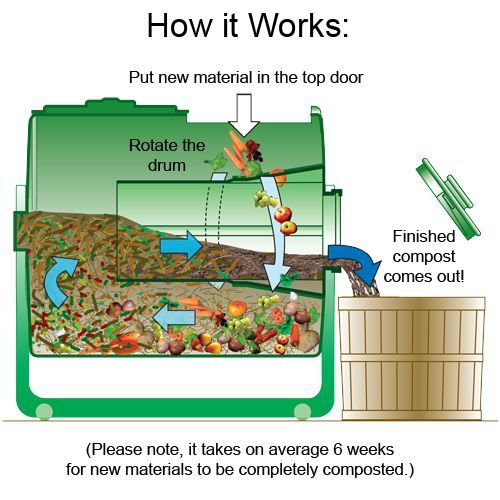
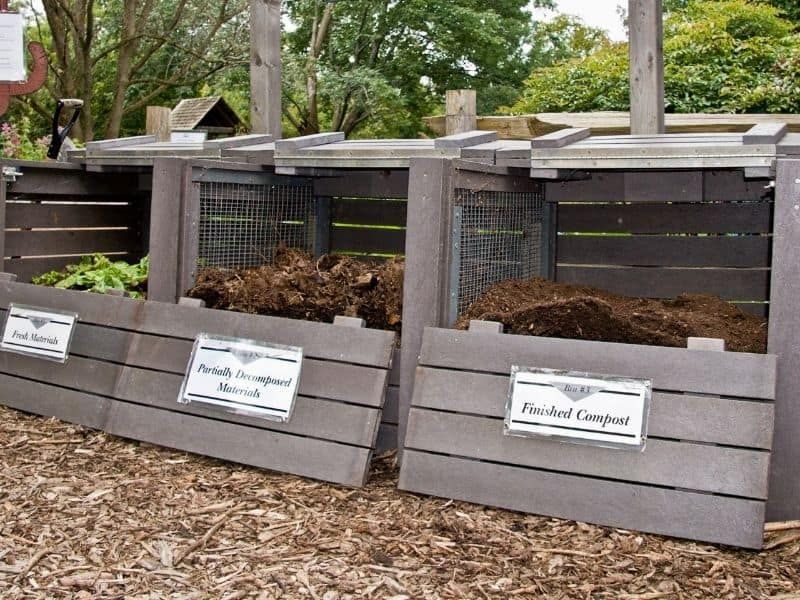
Unlike traditional compost piles that require constant turning and can attract pests, tumblers offer a completely different approach. Think of them as a sealed kitchen cabinet for organic waste, but instead of storing dishes, they store your food scraps and yard clippings. The key difference lies in their design. A typical tumbler consists of a large cylindrical container that rotates on a pivot. This rotation is crucial because it introduces air into the pile, which is essential for healthy decomposition. When you turn the tumbler, you’re essentially aerating the material inside. This simple action speeds up the composting process dramatically. Traditional piles might take months or even years to decompose fully, while tumblers can produce usable compost in just a few weeks. The sealed nature also means fewer odors and no pest problems. You won’t have to worry about raccoons digging through your pile or flies buzzing around your compost area. Plus, the enclosed design keeps everything contained, making it perfect for urban dwellers or those with limited space.
The Science of Decomposition
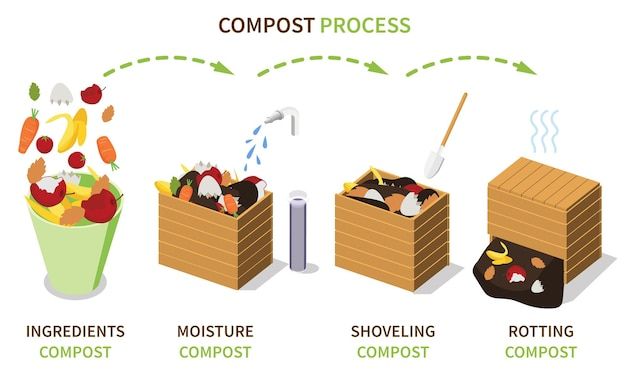
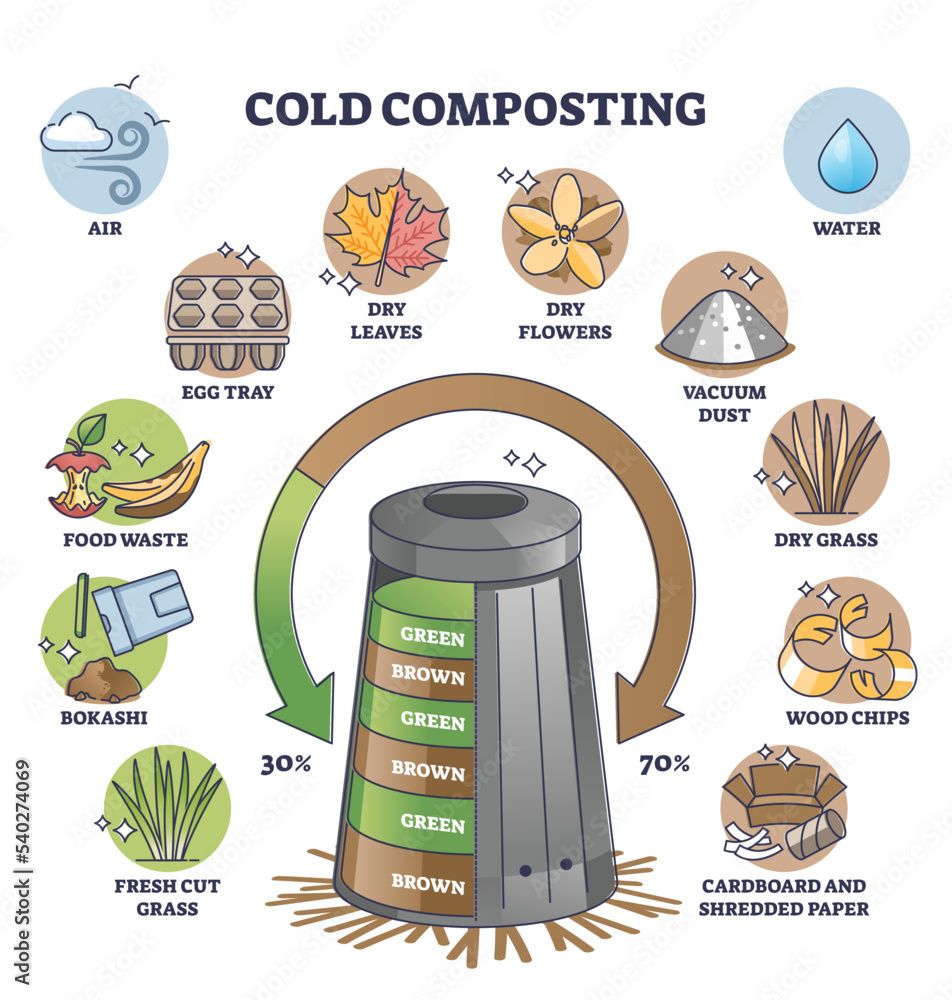
Behind every successful tumbler lies a beautiful biological process. Composting happens when microorganisms break down organic matter into simpler compounds. These tiny creatures – bacteria, fungi, and other microbes – thrive in specific conditions. Temperature, moisture, and oxygen are the three main factors that determine how well this process works. In a tumbler, you control these elements much better than in an open pile. The rotation ensures proper airflow, which provides the oxygen these microbes need to survive and multiply. When microbes get enough oxygen, they work faster and more efficiently. They consume the organic materials and convert them into humus – that rich, dark substance gardeners love. The temperature inside a properly managed tumbler can reach 140°F or higher, which helps kill harmful pathogens and weed seeds. This heat is generated naturally by the microbial activity itself. It’s amazing to think that a pile of kitchen scraps can generate enough heat to cook eggs, right? The process also requires the right balance of ‘green’ materials – nitrogen-rich items like vegetable peels and grass clippings – and ‘brown’ materials – carbon-rich items like dried leaves and paper. Getting this ratio right is crucial for optimal decomposition.
Choosing the Right Size for Your Needs
Not all tumblers are created equal, and size matters significantly. A small 30-gallon tumbler might be perfect for a couple living in a small apartment, while a large 100-gallon model could handle the waste of a family of four. Consider your daily waste output carefully. If you’re generating a lot of organic waste – perhaps you’re a big cook or have a garden that produces lots of prunings – you’ll want a larger tumbler. However, bigger isn’t always better. Smaller tumblers are easier to manage and rotate. They also tend to heat up more quickly and evenly. A general rule of thumb is to aim for a tumbler that can hold about two weeks worth of your household’s organic waste. For example, if you generate about 10 pounds of organic waste per week, look for a tumbler that holds at least 20 pounds. Remember that you don’t need to fill it completely. Partial filling allows better air circulation and easier turning. Also consider your storage space. Some tumblers can be stacked, saving valuable ground space. Others are designed to sit directly on the ground, which can be helpful for accessing the finished compost. The material construction also varies – plastic tumblers are lightweight and often more affordable, while metal versions might last longer but can rust over time.
Maintaining Proper Balance
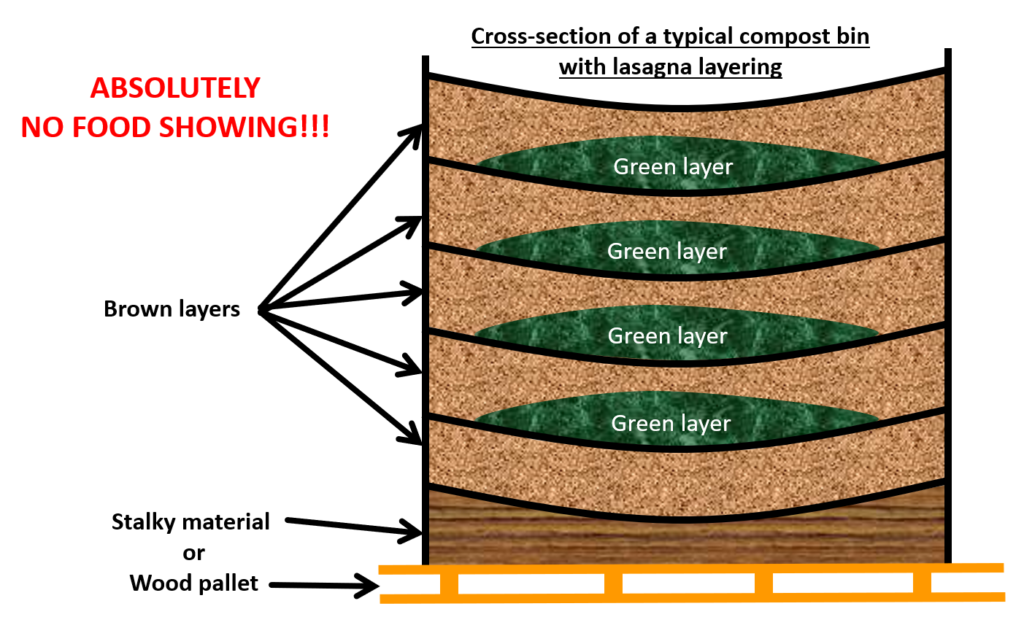
Success in composting comes down to maintaining the right balance of ingredients and conditions. The classic ratio is roughly 3 parts brown materials to 1 part green materials. Brown materials provide structure and carbon, while green materials supply nitrogen for the microbes. But don’t stress too much about exact measurements. A good rule of thumb is to add a handful of brown material for every handful of green material. If you notice your tumbler smells bad, it might be too wet or too high in nitrogen. Conversely, if it’s taking forever to decompose, it might lack nitrogen or be too dry. Moisture is another critical factor. The contents should feel like a damp sponge – not soggy or dry. Too much water and you’ll create anaerobic conditions that smell terrible. Not enough and the microbes will slow down or stop working entirely. Regular turning is essential, but it doesn’t have to be complicated. Aim for turning every 2-3 days during active decomposition, then less frequently once the process slows down. You can also add a small amount of finished compost or soil to introduce beneficial microorganisms. This is especially helpful when starting a new batch after using up the previous one. The key is consistency and attention to how your tumbler looks and smells.
Troubleshooting Common Problems
Even experienced composters encounter issues now and then. The most common problem is odor – but it’s usually fixable. If your tumbler starts smelling bad, check if it’s too wet or if you’ve added too many green materials. Add more brown materials like dried leaves or shredded newspaper to balance things out. Another frequent issue is slow decomposition. This typically happens when there’s insufficient oxygen or the materials aren’t broken down enough. Make sure you’re turning it regularly and that the materials are fairly small. Sometimes the problem is simply that it’s too cold outside – composting slows significantly in winter. But don’t despair! You can still compost year-round by keeping the tumbler in a sheltered spot or insulating it. Pests are rarely a problem with tumblers, but if you do encounter them, it might mean you’ve added meat or dairy products to the mix. These items shouldn’t go in a compost tumbler. If your compost is too dry, add some water or wetter materials. If it’s too wet, add more brown materials. The key is to observe your tumbler regularly and make adjustments as needed. Don’t wait until the end to address problems – early intervention makes everything much easier.
Maximizing Your Compost Output
Once you’ve mastered the basics, you can start optimizing your tumbler for maximum results. One effective strategy is to pre-chop or shred larger materials before adding them. This increases surface area and helps microbes work more efficiently. Layering your materials can also improve the process – put a layer of browns at the bottom, add greens, then cover with more browns. This creates better air circulation and prevents odors. Some composters find success with a ‘composting calendar,’ planning what to add based on seasonal availability. Add more kitchen scraps in spring and summer when produce is abundant, and focus on yard waste in fall and winter. Consider the timing of your composting – if you’re making a large batch, start it in late summer so you’ll have finished compost ready for spring gardening. Also, don’t forget to use your finished compost! It’s incredible how much better plants grow when fed with quality compost. Spread it around your garden beds, mix it into potting soil, or use it as mulch. The benefits extend far beyond just reducing waste – you’re creating a sustainable cycle that improves soil health and supports plant growth. Remember that composting is a continuous process. Once you’ve used up your current batch, you can immediately start a new one, ensuring a steady supply of garden fertilizer.
Compost tumblers represent more than just a convenient way to dispose of organic waste – they’re a gateway to sustainable living. By understanding the basic principles behind how these systems work, you’re already on your way to becoming a composting expert. The beauty of tumblers lies in their simplicity and effectiveness. They make composting accessible to everyone, regardless of space constraints or experience levels. From beginners just starting their composting journey to seasoned gardeners looking to optimize their systems, tumblers offer something for everyone. The key is to embrace the learning process, pay attention to your tumbler’s behavior, and make adjustments as needed. As you watch your kitchen scraps transform into rich, dark compost, you’ll realize you’re participating in one of nature’s most beautiful cycles. This isn’t just about waste reduction – it’s about nurturing the earth that feeds us all. With a little patience and attention, your tumbler will become one of your most valuable garden tools, providing you with nutrient-rich soil while reducing your environmental impact. The next time you see someone struggling with their compost pile, remember that a tumbler might be just what they need to turn their waste into garden gold.