What if we could keep our gardens thriving without harming the earth beneath our feet? Imagine having a garden that’s both beautiful and healthy, where the soil stays rich and strong, and weeds don’t take over. This isn’t just wishful thinking – it’s actually possible with smart, nature-based approaches that work in harmony with the environment.
Gardens are more than just pretty faces in our yards. They’re living ecosystems that depend on healthy soil to thrive. But let’s be honest, most gardeners face the same battle every season: weeds. These unwanted guests can quickly overrun our carefully planned spaces, competing with our favorite plants for nutrients and water. The problem? Traditional weed control methods often do more harm than good to the soil and the broader environment. What if there was a better way? A way that protects our soil’s precious health while keeping those pesky weeds at bay? That’s exactly what we’ll explore today. We’re talking about sustainable gardening practices that respect the earth and its tiny inhabitants.
Understanding Soil Health Basics
Healthy soil isn’t just dirt with some nutrients mixed in. It’s a bustling community of microorganisms, insects, and plant roots working together. Think of it like a city – the soil needs proper infrastructure to support all its residents. When we talk about protecting soil health, we’re really talking about maintaining this delicate balance.
Soil health depends on several key factors:
• Organic matter content – This acts like the soil’s food supply, feeding all the beneficial organisms
• Water retention ability – Good soil holds moisture when needed and drains well when it’s too much
• Air circulation – Roots and microbes need oxygen to survive and function properly
• pH balance – Most plants prefer slightly acidic conditions around 6.0 to 7.0
When we use chemical herbicides or over-till our soil, we’re essentially throwing a party for the bad guys while starving the good ones. The soil microbiome suffers, leading to poor nutrient cycling and reduced plant health. What happens then? We end up needing more chemicals, creating a vicious cycle that’s hard to break.
Natural Weed Prevention Methods
The secret to keeping weeds under control without harming soil health lies in prevention and natural competition. It’s like building a fortress around your garden rather than fighting battles after they’ve started.
Here are some effective strategies:
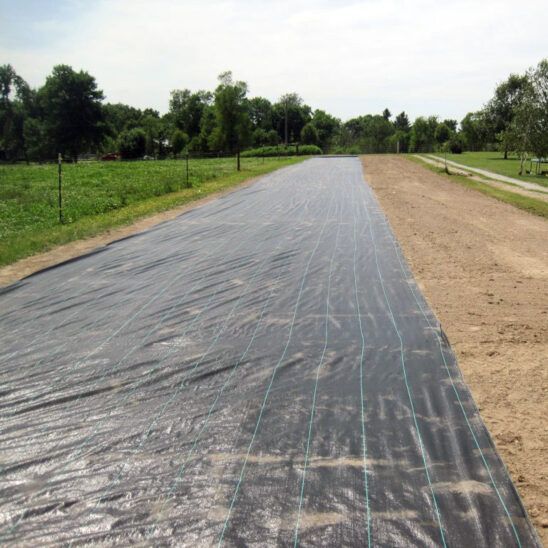
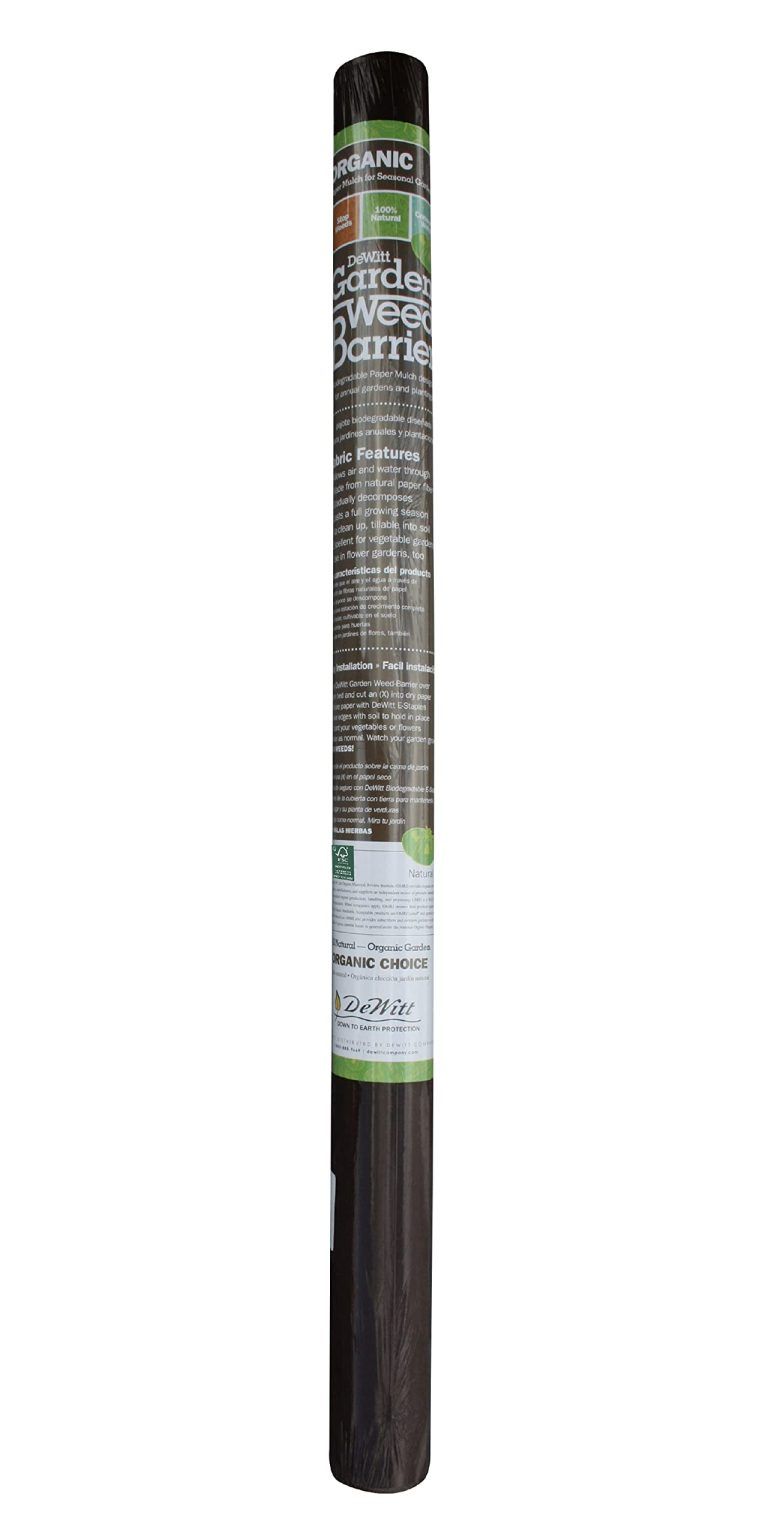
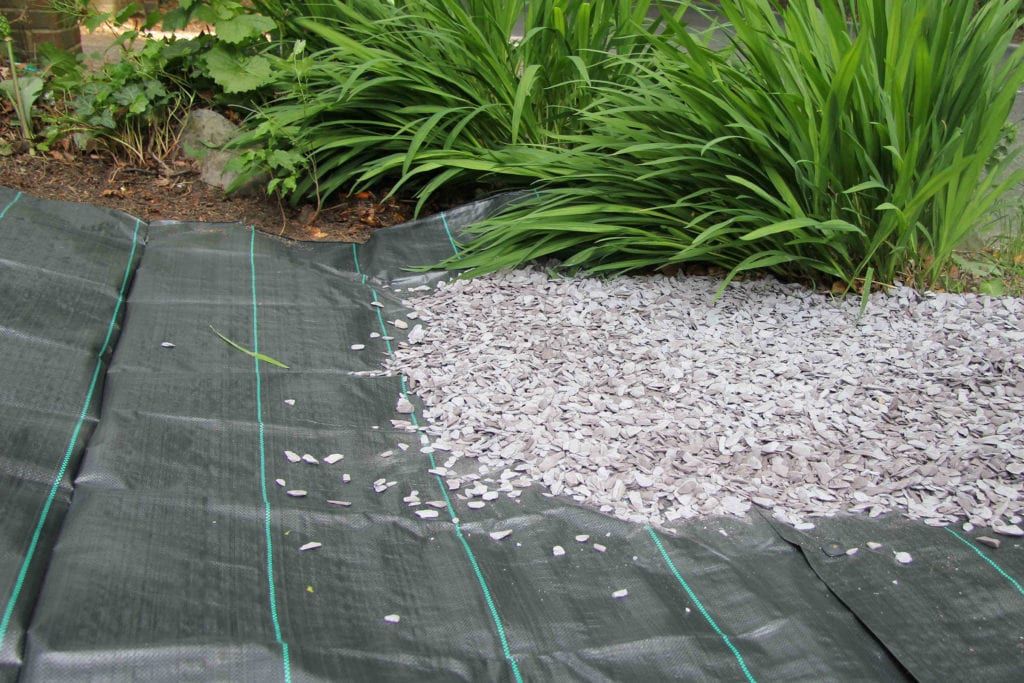
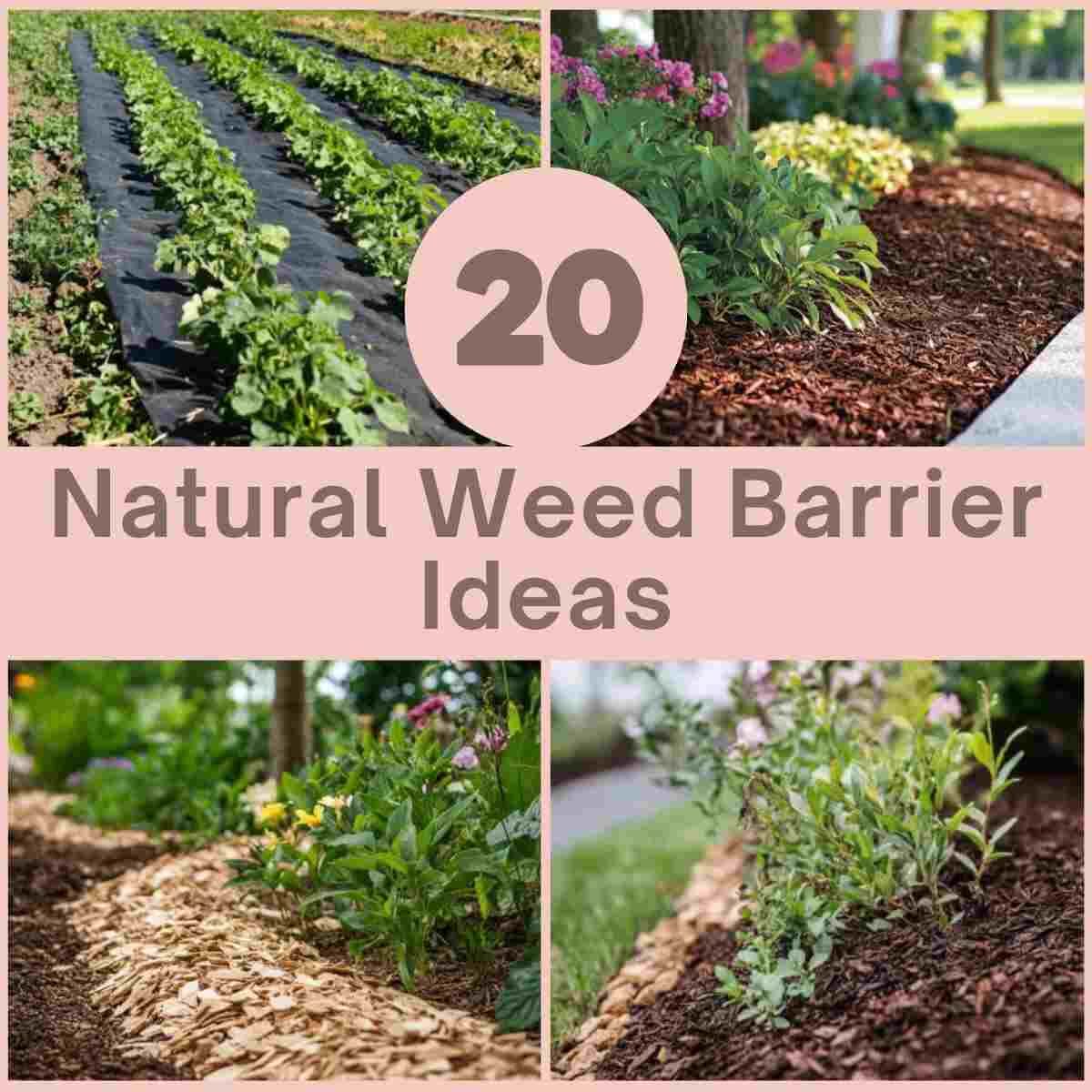
• Mulching works like a protective blanket over the soil surface. Organic mulches like straw, wood chips, or shredded leaves decompose slowly, adding nutrients to the soil while blocking sunlight from reaching weed seeds. This simple technique can reduce weed growth by up to 90%.
• Cover crops are like soil superheroes. Planting nitrogen-fixing legumes like clover or rye grass during off-seasons prevents erosion and suppresses weeds while enriching the soil. These plants literally crowd out weeds before they have a chance to establish themselves.
• Proper spacing between plants creates competition for resources. When your desired plants are planted close enough together, they form a dense canopy that shades the ground and prevents weed seedlings from getting the light they need to grow.
• Hand pulling when weeds are small and the soil is moist is surprisingly effective. It’s a gentle method that removes the entire root system without disturbing surrounding plants or soil structure. The key is consistency – catch them early before they set seed.
Companion Planting for Weed Suppression
Nature has been doing this for millions of years, and we can learn from her wisdom. Companion planting involves growing different plants together that benefit each other. Some plants naturally repel pests or inhibit weed growth, making them excellent allies in our gardening efforts.
Consider these powerful combinations:
• Basil planted alongside tomatoes helps repel aphids and thrips, while also shading the soil to prevent weed germination
• Marigolds act as natural pest deterrents and their deep taproot system competes with weeds for space and nutrients
• Garlic planted between rows of vegetables can suppress certain fungal diseases and acts as a natural deterrent to many insects
These relationships aren’t accidental. Plants communicate through chemical signals and root systems, creating complex networks that support the whole garden ecosystem. By choosing companion plants strategically, we’re essentially creating a natural defense system that protects our main crops while keeping soil health intact.
The Power of Crop Rotation
Rotating crops season after season is one of the most overlooked yet powerful tools in organic gardening. It’s not just about variety – it’s about breaking the life cycles of pests and diseases that build up in the soil.
When you grow the same crop in the same spot year after year, you’re essentially giving harmful organisms a permanent home. They multiply, become stronger, and eventually overwhelm your plants. Crop rotation disrupts this pattern.
A simple rotation plan might look like this:
• Year 1: Legumes (beans, peas) – add nitrogen to the soil
• Year 2: Heavy feeders (tomatoes, corn) – use the nitrogen added by legumes
• Year 3: Light feeders (lettuce, radishes) – continue using residual nutrients
• Year 4: Cover crops – restore soil health
This approach prevents soil depletion and reduces weed pressure because different plants have varying effects on soil chemistry and structure. Plus, it means fewer chemical inputs needed to keep everything healthy and productive.
Organic Soil Amendments and Fertilizers
Healthy soil is the foundation of any successful garden, and organic amendments provide the best path to achieving it. Unlike synthetic fertilizers that can cause salt buildup and harm beneficial soil organisms, organic materials work gradually to improve soil structure and fertility.
Some excellent options include:
• Compost – This is perhaps the most versatile soil amendment available. It provides slow-release nutrients, improves soil texture, and feeds beneficial microbes. A good compost pile can produce rich, dark material in just a few months.
• Worm castings – These are the natural fertilizer produced by earthworms. They’re packed with nutrients and beneficial bacteria that enhance soil health. Just a small amount can dramatically improve plant growth and resistance to pests and diseases.
• Kelp meal and fish emulsion – These natural fertilizers provide essential nutrients while also improving soil biology. They’re particularly helpful for gardeners looking to avoid synthetic alternatives.
The key is to apply these amendments regularly but not excessively. Over-fertilization can lead to nutrient imbalances and encourage rapid weed growth, which defeats the purpose of soil protection.
Integrated Pest Management Approach
Weeds and pests often go hand-in-hand in the garden. When soil health is compromised, plants become weaker and more susceptible to both diseases and pest attacks. This makes integrated pest management (IPM) crucial for overall garden success.
IPM combines multiple strategies to manage problems in a way that minimizes environmental impact:
• Monitoring – Regularly check your plants for signs of stress or damage. Early detection means easier solutions.
• Biological controls – Encourage beneficial insects like ladybugs, lacewings, and parasitic wasps that eat harmful pests naturally.
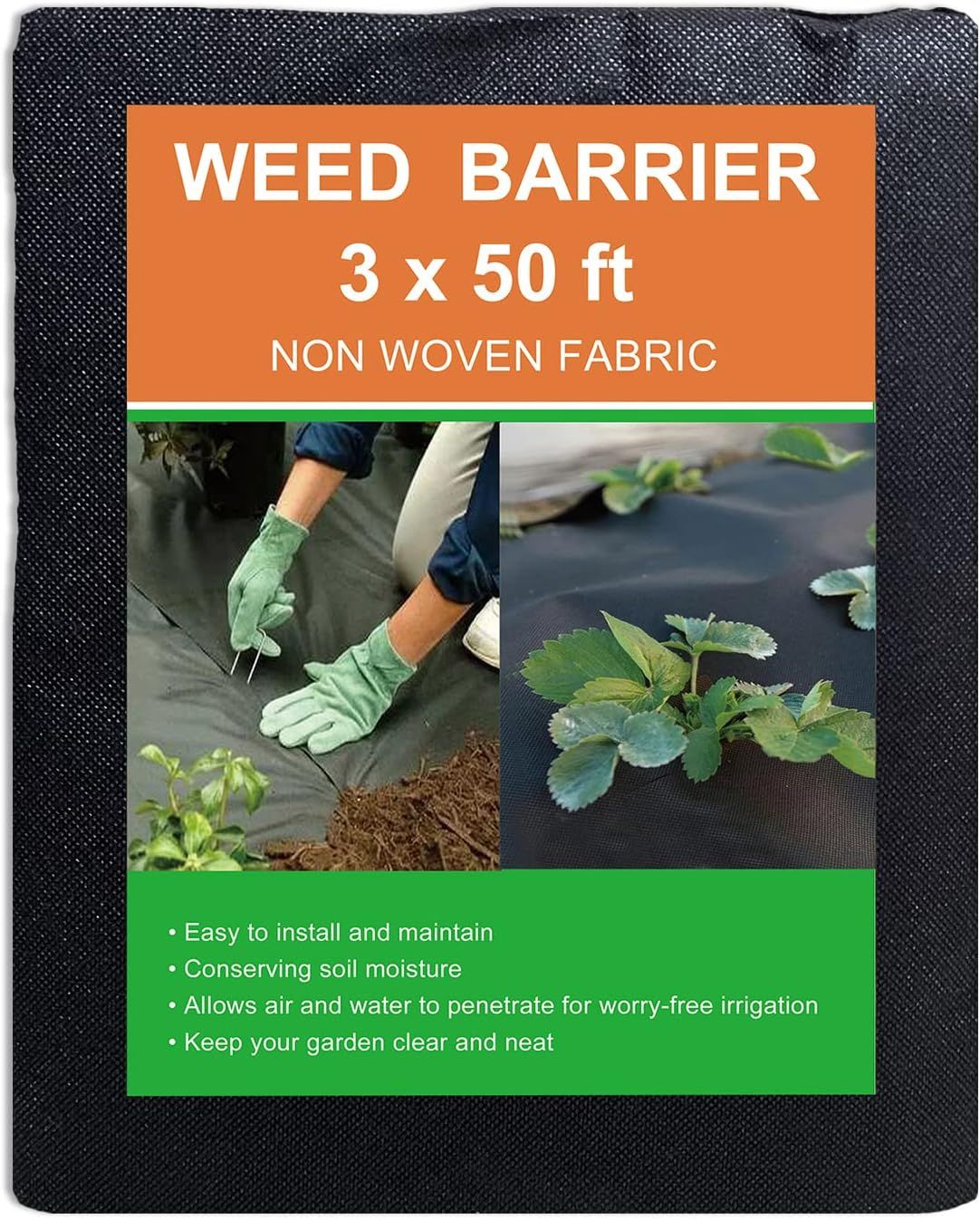
• Physical barriers – Row covers, copper tape, and sticky traps can prevent pests from reaching your plants.
• Cultural practices – Healthy soil leads to healthy plants that resist pest pressure naturally.
This approach recognizes that plants are part of a larger ecosystem and that managing problems requires understanding the whole picture. When soil health is strong, the entire garden becomes more resilient to various challenges, including weeds and pests.
Protecting soil health while managing weeds naturally isn’t just possible – it’s the future of gardening. These environmentally conscious techniques may require a shift in how we think about our gardens, but the rewards are tremendous. You’ll find that your soil becomes richer, your plants healthier, and your garden more resilient over time.
The key is starting small and building momentum. Try one new technique this season – maybe some mulching or companion planting. See how it works for you, then add another method. Before long, you’ll have a garden that thrives without relying on chemicals that harm the very foundation of your growing space.
Remember, the health of your soil directly impacts the health of your plants, and ultimately, the health of the planet. Every small step toward sustainable gardening contributes to a larger movement toward environmental stewardship. Whether you’re a seasoned gardener or just starting out, these methods offer a pathway to success that honors both your garden and the earth beneath it.