Every time you step on soil, you’re crushing the tiny lives that make gardening possible. But what if we could loosen heavy earth without destroying the microscopic ecosystem that keeps our plants thriving? It’s more achievable than you might think.
Soil compaction is like a weight pressing down on nature’s most important workers. When soil gets too dense, water can’t penetrate, roots struggle to grow, and plants suffer. Yet many gardeners and farmers face a tough choice: either compacted soil or destroyed beneficial microbes. This dilemma isn’t just theoretical—it affects everything from backyard gardens to commercial farms. The good news? There are smart ways to tackle compaction while keeping the invisible workforce healthy. These approaches work because they understand that soil health is about balance, not just getting rid of problems.
Understanding Soil Compaction and Its Effects
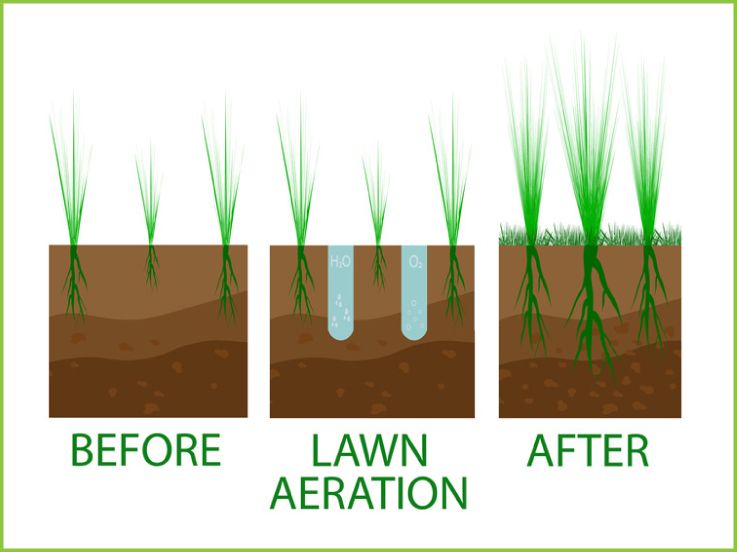
Soil compaction happens when pressure squeezes soil particles together, reducing pore space. Think of it like a sponge that’s been pressed flat—the less room there is between the fibers, the harder it is for air and water to move through. This squeeze doesn’t just affect big things like plant roots. It impacts the microscopic world that makes soil alive.
When soil becomes too tight, several problems emerge:
• Water drainage suffers, leading to puddles and root rot
• Air pockets disappear, suffocating beneficial bacteria and fungi
• Plant roots can’t expand properly
• Nutrients become trapped and unavailable
The most concerning effect is how compaction impacts microbial communities. These tiny organisms are crucial for breaking down organic matter, cycling nutrients, and protecting plants from disease. They’re the unsung heroes of gardening success.
Why Microorganisms Matter More Than You Think
Microorganisms live in soil like cities full of tiny residents. Bacteria, fungi, protozoa, and nematodes all have jobs that keep soil productive. Bacteria break down dead plant material, fungi form networks that transport nutrients, and protozoa eat bacteria to release nutrients plants can use.
These creatures don’t just survive in loose soil—they thrive in it. When compaction occurs, their habitats shrink. The tiny tunnels they create for movement get blocked. Their food sources become harder to access. Some species simply can’t survive in compressed conditions.
Consider this: one teaspoon of healthy soil contains billions of microorganisms. That’s more life than exists in the entire human body! These organisms are responsible for transforming raw materials into forms that plants can absorb. Without them, even the best fertilizer won’t help your plants grow.
What makes this particularly tricky is that different microorganisms prefer different soil conditions. Some love the oxygen-rich spaces in well-aerated soil, while others prefer the moist environments created by proper water retention. Compaction often disrupts these preferences, creating an environment that favors harmful organisms over beneficial ones.
Smart Approaches to Reduce Compaction
The key to successful soil management lies in working with natural processes rather than against them. Here are effective strategies that address compaction without destroying beneficial microorganisms:
• Add organic matter regularly—compost, aged manure, leaf mold
• Use cover crops to protect soil and add structure
• Practice no-till or reduced tillage methods
• Implement proper watering techniques
• Choose appropriate foot traffic areas
• Use mulch to protect soil surface
These methods work because they support the natural systems that keep soil healthy. Instead of relying on heavy machinery or chemical treatments, they tap into the soil’s inherent ability to rebuild itself. The key is consistency and patience—these changes take time to show results.
Cover Crops as Natural Soil Engineers
Cover crops are like having gardeners working around the clock. Plants such as clover, rye grass, and buckwheat act as living soil builders. Their roots penetrate deep into compacted layers, literally breaking up hard soil with their growth. As these plants decompose, they add organic matter that feeds beneficial microorganisms.
This approach works because:
• Root systems physically break up compacted soil
• Plant residues provide food for microbes
• Nitrogen-fixing plants add essential nutrients
• Deep-rooted species improve overall soil structure
Imagine planting winter rye in fall. By spring, those roots will have pushed through compacted layers, creating pathways for water and air. When you turn under the crop, you’re adding organic matter that supports microbial activity. This method creates a positive feedback loop where better soil structure leads to more microbial diversity, which in turn improves soil quality further.
Even small gardens can benefit from this technique. Try planting a quick-growing cover crop like radishes or spinach in empty spaces between main crops. The roots will aerate the soil while providing organic matter.
The Power of Organic Matter
Adding organic matter to soil is one of the most effective ways to combat compaction naturally. This isn’t just about throwing compost in your garden. It’s about understanding how organic materials change soil behavior.
Organic matter acts as a soil conditioner in multiple ways:
• It increases soil porosity by creating spaces between particles
• It improves water-holding capacity
• It provides food for beneficial microorganisms
• It buffers pH levels
• It helps soil particles bind together properly
Think of organic matter as building blocks for healthy soil. When you add compost, you’re not just adding nutrients—you’re adding the foundation for a living soil ecosystem. The decomposition process feeds microbes, which then create enzymes and compounds that improve soil structure.
Different types of organic matter work differently. Leaf mold creates excellent pore spaces, while compost adds immediate nutrients. Manures provide nitrogen and other elements, but must be well-aged to avoid burning plants. The key is using a variety of materials to create balanced soil conditions.
Water Management for Soil Health
Proper watering is crucial for maintaining soil structure and microbial health. Too much or too little water can cause compaction issues. The secret is understanding how water interacts with soil particles and microorganisms.
Effective watering practices include:
• Water deeply but less frequently
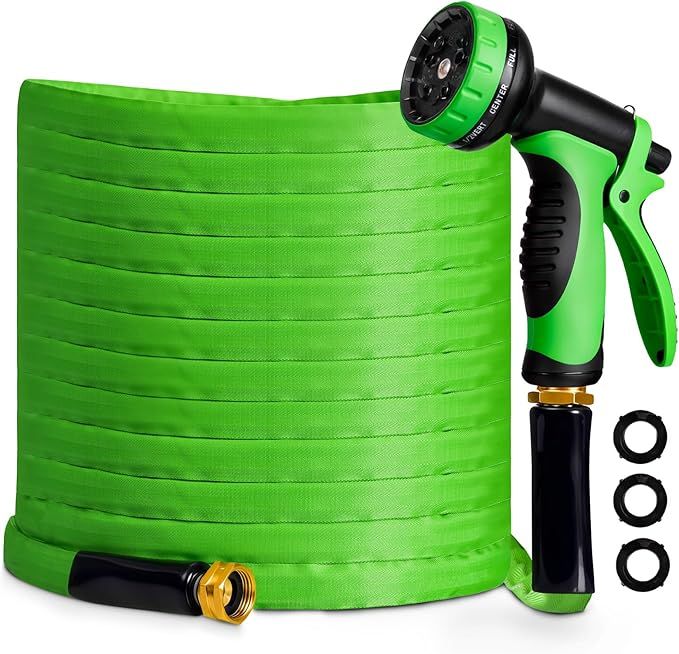
• Use drip irrigation or soaker hoses
• Avoid walking on wet soil
• Install drainage systems where needed
• Monitor soil moisture levels
Watering deeply encourages roots to grow downward, creating natural channels in the soil. This helps prevent surface compaction and supports microbial activity at various depths. When soil stays consistently moist but not waterlogged, microorganisms can function optimally.
Consider the difference between a garden that receives regular, gentle watering versus one that gets heavy sprinkling every day. The first supports healthy soil biology, while the second can lead to both compaction and microbial imbalance. Rainwater is often ideal because it’s gentle and contains trace minerals that benefit soil organisms.
Practical Implementation Strategies
Putting these principles into practice requires some planning and consistency. Here’s how to start:
Start Small: Begin with one area of your garden or farm. Apply these methods there first and observe the results before expanding.
Plan Ahead: Consider where you’ll walk and how you’ll manage traffic. Design paths that minimize soil disturbance.
Monitor Progress: Check soil texture, water penetration, and plant health regularly. Look for signs of improvement.
Be Patient: These changes take time. Healthy soil development is a slow process, but the results last.
Keep Records: Note what works and what doesn’t. Adjust your approach based on observations.
Remember that reducing compaction is part of a larger soil health strategy. It’s not enough to just fix one problem. You need to consider the whole system—how water moves, how nutrients cycle, and how organisms interact. This holistic view makes all the difference in creating sustainable growing conditions.
Monitoring and Maintaining Soil Health
Regular monitoring helps ensure your efforts are working. Here are simple tests you can do:
• Soil penetration test: Use a soil probe or screwdriver to check how easily it goes into the ground
• Water infiltration test: Pour water on soil and see how quickly it soaks in
• Plant growth observation: Notice if plants are healthier and more vigorous
• Soil texture analysis: Feel the soil with your hands to assess its condition
These tests don’t require expensive equipment. They’re simple checks that tell you whether your soil management strategies are working. If compaction remains an issue, it may be time to adjust your approach.
Maintaining soil health is ongoing work. Even after achieving good results, continue adding organic matter and practicing good water management. Soil is a living system that needs regular attention to stay healthy. The investment you make today in soil care will pay dividends for years to come.
Reducing soil compaction without harming beneficial microorganisms isn’t just possible—it’s essential for long-term gardening success. The methods discussed here work because they respect soil as a living ecosystem rather than a static medium to be manipulated. By focusing on organic matter, cover crops, proper water management, and careful traffic control, gardeners and farmers can create soil conditions that support both plant growth and microbial health.
This approach requires patience and consistency, but the rewards extend far beyond individual plants. Healthy soil creates a foundation for resilient gardens that produce better yields, resist pests and diseases, and require fewer inputs over time. The investment in soil health pays back not just in plant productivity, but in the satisfaction of working with nature rather than against it. Every gardener can make a difference by choosing methods that nurture the unseen community beneath their feet.