When you think about gardening, you probably picture sun-drenched soil, fresh herbs, and blooming flowers. But there’s another side to the story – one that involves knees that ache, backs that strain, and hands that grow weary from hours spent on hard surfaces. For many gardeners, especially those who spend significant time kneeling, the physical toll can be substantial. What if there was a way to make gardening more comfortable without compromising the work itself? Enter ergonomic kneeling platforms – those simple yet powerful tools that have transformed how millions of people approach their garden tasks.
Gardening is more than just planting seeds and watering plants. It’s a form of meditation, a connection to nature, and often, a source of great physical discomfort. Many gardeners know that spending long periods kneeling on concrete, stone, or even dirt can lead to painful knees and back problems. But what exactly makes some kneeling platforms better than others? The answer lies in understanding human biomechanics, pressure distribution, and the subtle ways our bodies respond to different surfaces. This isn’t just about comfort – it’s about preventing injuries and making gardening sustainable for everyone, regardless of age or physical condition. Whether you’re a seasoned gardener or someone who just wants to tend to a few potted plants, the right kneeling platform can make all the difference in your gardening experience.
The Biomechanical Challenge of Kneeling
Kneeling might seem like a simple action, but it’s actually quite complex from a physical standpoint. When we kneel, we’re essentially placing our entire body weight on two small contact points – the knees. This creates enormous pressure, especially when combined with the fact that most gardeners aren’t kneeling on soft surfaces. Think about it: you’re balancing on your knees while potentially reaching forward, bending sideways, or lifting heavy objects. The joints take a beating. Research shows that prolonged kneeling can increase pressure on the knee joints by up to 300% compared to standing. That’s why gardeners often complain of soreness, stiffness, and even long-term joint issues. The problem isn’t necessarily the act of kneeling itself, but rather the conditions under which we do it. Without proper support, the body’s natural alignment gets disrupted, leading to muscle tension and pain. The solution? Understanding how to distribute that pressure more evenly across the body. This is where ergonomic design comes into play. Good kneeling platforms aren’t just about cushioning – they’re about creating a stable base that supports the body’s natural mechanics.
Pressure Distribution and Surface Design
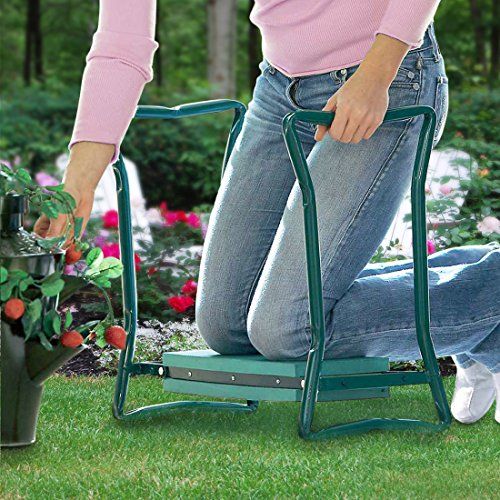
What happens when you place your weight on a hard surface versus a soft one? The answer is surprisingly complex. Pressure distribution refers to how your body weight spreads across the surface area that touches you. In a typical kneeling scenario, the pressure concentrates on just the front part of the knee cap and the lower leg bones. This can cause immediate discomfort and long-term wear on the joint. Modern ergonomic platforms use various materials and shapes to spread this pressure more evenly. Some use foam padding that compresses under weight, while others employ specialized plastics or rubber compounds designed to conform to your body shape. The key is not just thickness, but the way the material responds to your body’s movements. For instance, a platform that stays rigid under pressure might feel fine initially, but as you shift positions or move around, it could create new pressure points. Conversely, something too soft might collapse under your weight, causing instability. The best platforms balance firmness with flexibility. They offer enough support to keep your knees properly aligned while providing enough give to absorb movement and reduce pressure spikes. A good example would be a platform that feels solid when you first sit on it but gently yields when you lean forward or shift your weight. This kind of responsive design helps maintain proper posture throughout extended gardening sessions.
Material Science and Platform Construction
Not all kneeling platforms are created equal, and it’s not just about price tags or fancy marketing slogans. The materials used in construction directly impact how well a platform performs. Let’s break down some common options. Foam-based platforms are popular because they’re affordable and offer good initial cushioning. However, they can compress over time, losing their effectiveness. Rubber and plastic platforms often provide more durable solutions, though they might lack the comfort of softer materials. Some manufacturers combine multiple materials, using a firm base with a softer top layer for optimal performance. Advanced platforms might incorporate memory foam or specialized polymers that adjust to your body temperature and shape. These materials can make a huge difference in long-term comfort. Consider how a memory foam mattress works – it molds to your body contours to reduce pressure points. Similarly, a quality kneeling platform should adapt to your specific shape and movement patterns. The construction also matters. Are the edges reinforced? Does the platform have drainage holes? Can it handle outdoor conditions? These seemingly small details can determine whether your platform lasts years or needs replacement after months of use. Quality materials also mean better hygiene – some platforms are designed to resist mold, mildew, and odors, which is important for gardeners who work in damp conditions.
Ergonomic Features Beyond Basic Support
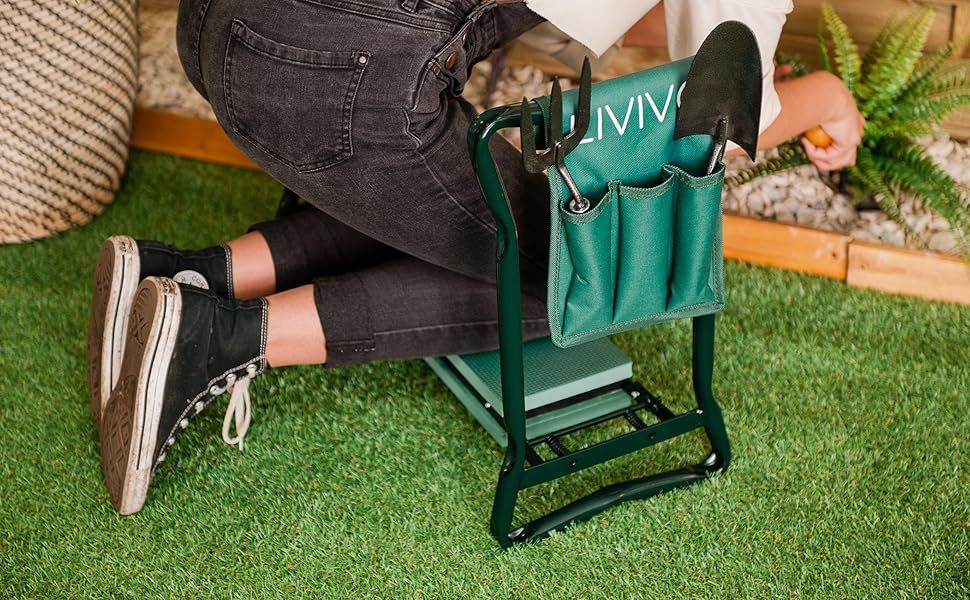
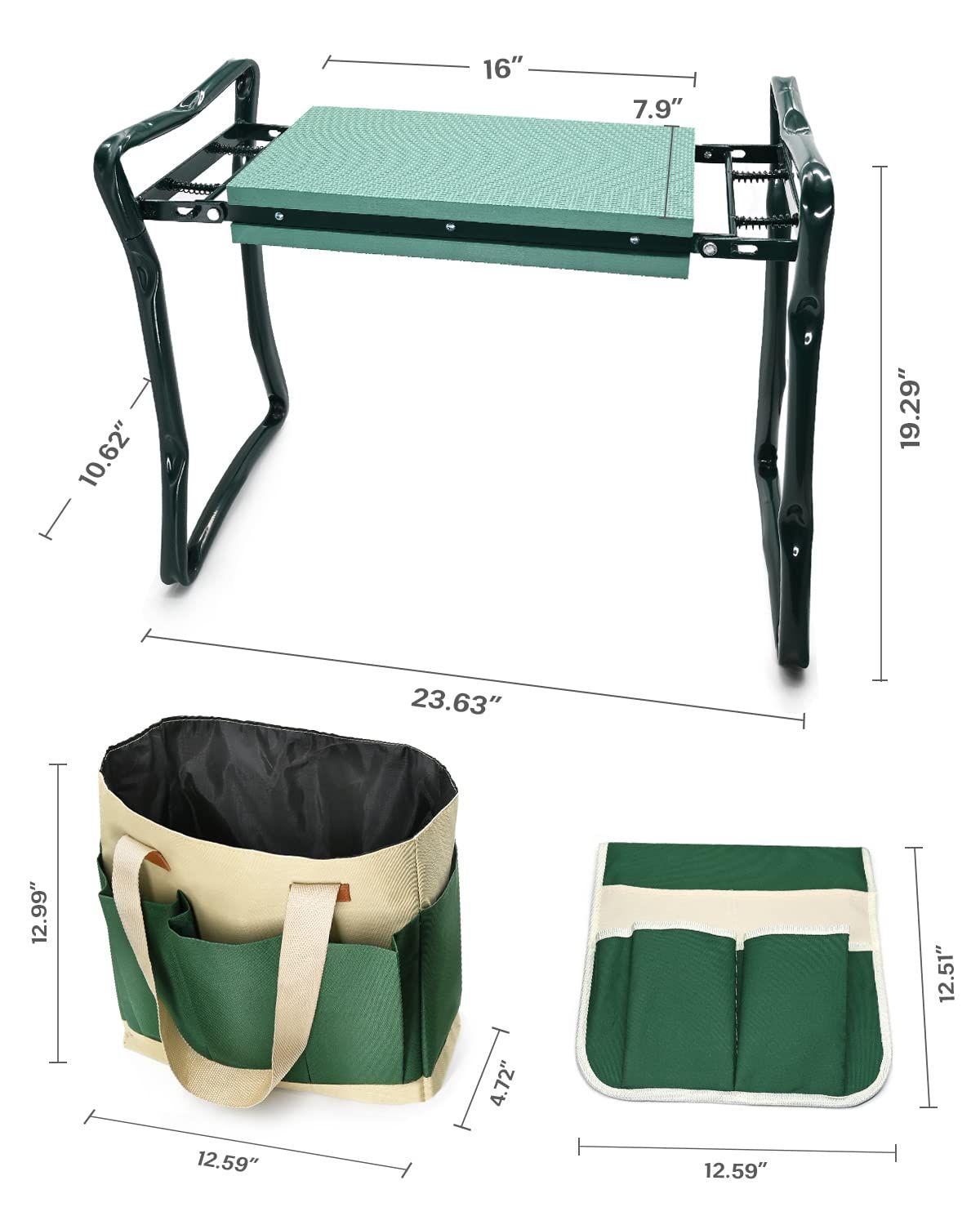
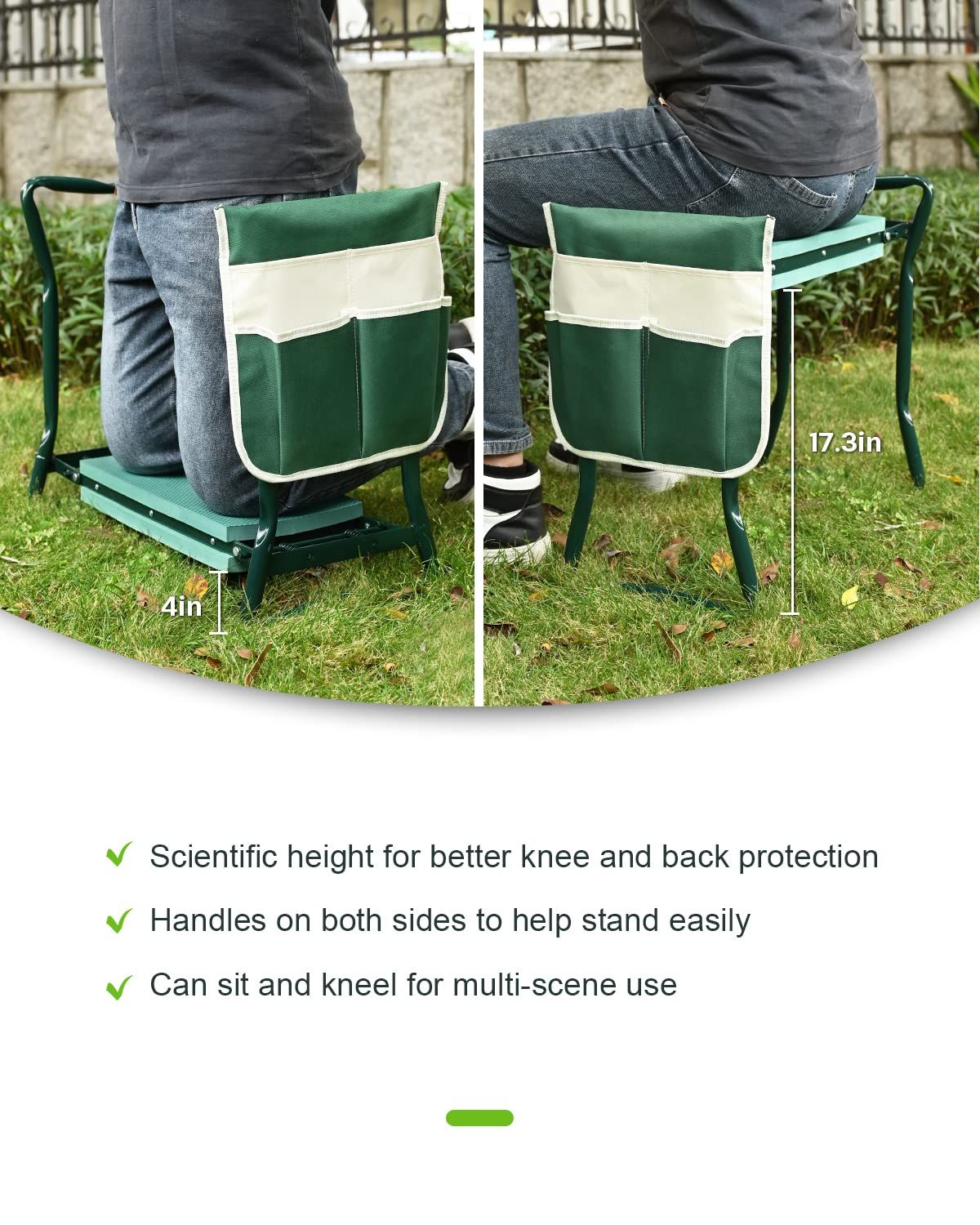
True ergonomic platforms go beyond just providing a cushioned surface. They consider how people actually move and work while kneeling. One crucial feature is the platform’s height and angle. If you’re kneeling to plant seedlings or harvest vegetables, you want to be positioned at a comfortable working height. Some platforms come with adjustable features, allowing gardeners to customize the setup based on their body size and specific gardening tasks. Others offer multiple surface options – flat for general work, sloped for certain tasks, or even textured surfaces for better grip. Stability is another factor. You don’t want to wobble or slide around while trying to plant a delicate flower bulb. Some platforms have non-slip bases or textured bottom surfaces. The edge design also matters – rounded edges prevent sharp contact points that might dig into skin or clothing. Some innovative designs include built-in storage compartments or hooks for hanging tools. These aren’t just gimmicks; they address real needs that gardeners encounter daily. For example, a platform with a small pocket can hold a hand trowel or small measuring device, eliminating the need to set tools down and risk dropping them. The best platforms integrate these features seamlessly, enhancing usability without adding unnecessary complexity.
The Impact on Long-Term Health and Gardening Habits
One of the most significant benefits of using ergonomic kneeling platforms goes beyond today’s gardening session. They can fundamentally change how people approach gardening over time. When gardeners don’t experience pain or discomfort, they’re more likely to spend longer periods working in their gardens. This means more time for planning, more opportunities for learning, and ultimately, better results. Consider the elderly gardener who might have been avoiding kneeling due to past knee problems. With proper support, they can return to their beloved garden activities without fear of re-injury. Younger gardeners who start with good habits are less likely to develop chronic pain later in life. There’s also the psychological benefit. When gardening feels comfortable, it becomes more enjoyable, which encourages consistent practice. This consistency leads to better garden maintenance, more successful growing seasons, and a deeper connection to the process. From a broader perspective, these platforms can help democratize gardening. People with physical limitations, varying body types, or those who simply prefer not to kneel can still participate fully in gardening activities. The technology is becoming more accessible, making it possible for gardeners of all abilities to enjoy the benefits of their green spaces. The ripple effect extends beyond individual gardens – communities with better access to comfortable gardening tools often see increased participation in community gardening projects and environmental initiatives.
Choosing the Right Platform for Your Needs
With so many options available, choosing the right platform can feel overwhelming. Start by considering your specific gardening tasks and how much time you’ll spend kneeling. If you’re doing mostly light work like deadheading flowers, a basic platform might suffice. However, if you’re doing extensive digging or transplanting, you’ll want something more robust. Think about your body type and any existing health concerns. If you have knee issues, look for platforms with extra cushioning and stability features. Price is another consideration, but remember that investing in a quality platform can save money in the long run by preventing injuries and extending your gardening season. Read reviews from actual gardeners, not just marketing copy. Look for platforms that offer good warranty coverage and customer support. Consider portability if you plan to move the platform between locations or store it during winter. Some platforms are designed for indoor use only, while others are built to withstand weather exposure. Finally, don’t overlook the importance of testing before buying. If possible, try out different platforms at a local garden center or ask friends for recommendations. The best platform is one that fits your lifestyle and gardening goals perfectly. Remember, the most expensive option isn’t always the best choice – sometimes the middle-ground options offer the best combination of features, durability, and value.
The journey from painful knees to comfortable gardening sessions is more than just about finding a soft surface to kneel on. It’s about respecting the human body’s natural mechanics and designing solutions that work with our physical limitations rather than against them. Ergonomic kneeling platforms represent a thoughtful intersection of science, comfort, and practicality that can transform the gardening experience for countless people. They’re not just accessories – they’re investments in health, enjoyment, and sustainability. Whether you’re a casual gardener or someone who spends hours each week tending to plants, the right platform can make your garden time more enjoyable and less physically demanding. As gardening continues to evolve as both a hobby and a necessity for food security, tools that promote accessibility and comfort will become increasingly important. The future of gardening looks bright, thanks to innovations that recognize and support the people who make it all possible. So next time you reach for your favorite gardening tool, consider what support system you’re giving your body – because healthy gardeners make healthier gardens.