What if your everyday grip could be more than just functional? What if it could be kinder to your hands and the environment? The world of hand grips is undergoing a quiet revolution, one that’s bringing together comfort, durability, and sustainability like never before.
Let’s face it – we grip things all day long. From coffee cups to computer mice, from gym equipment to gardening tools, our hands are constantly in contact with objects that shape how we interact with the world. But traditional hand grips, often made from synthetic materials and designed for short-term use, aren’t always the best for our hands or the planet. What happens when we rethink this fundamental part of our daily lives? When we consider that the simple act of gripping something might be an opportunity for positive change?
The Problem With Traditional Hand Grips
Traditional hand grips have been around for decades, but they come with a hidden cost. Most are made from rubber, plastic, or synthetic materials that don’t biodegrade easily. These materials often contain chemicals that can be harmful to both our health and the environment. Think about it – every time you grip a tool or device, you’re potentially exposing yourself to substances that may not be ideal. And when these items break or wear out, they end up in landfills, where they can persist for hundreds of years.
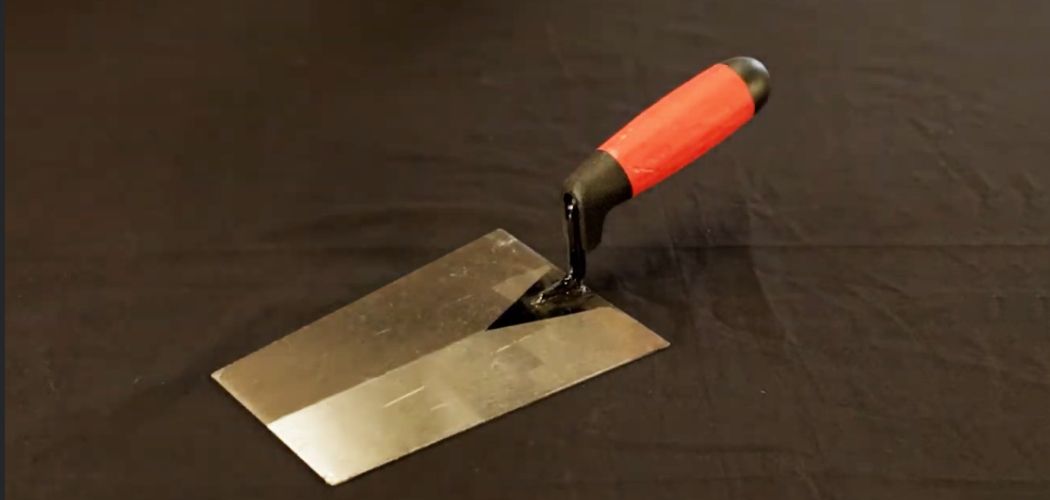
Consider the impact of a typical desk chair grip, a garden trowel handle, or even a kitchen utensil. These items might last a few years, but then they’re discarded, replaced, and the cycle continues. It’s not just about waste – it’s about the entire lifecycle of these products. What if there was a way to reduce this environmental footprint while still providing the comfort and functionality we need?
The Rise of Natural Materials
The solution lies in turning back to nature for inspiration. Sustainable alternatives to traditional hand grips are increasingly incorporating natural materials that are renewable, biodegradable, and often more comfortable to use. Cork, for example, has become a popular choice because it’s naturally antimicrobial, provides excellent grip, and comes from a renewable source.
Bamboo, another sustainable material, offers strength and durability while being incredibly fast-growing. Unlike traditional plastics that take centuries to decompose, bamboo can be harvested and processed in a matter of months. Other natural options include cork, leather alternatives made from plant-based materials, and even recycled natural fibers.
These materials often offer unique benefits beyond their environmental credentials. Cork, for instance, is naturally shock-absorbing, making it perfect for gym equipment. Bamboo handles are naturally resistant to moisture and insects, making them ideal for outdoor tools.
Innovative Plant-Based Solutions
Plant-based materials are leading the charge in creating sustainable hand grips. Companies are now developing alternatives using materials like mushroom mycelium, which grows rapidly and requires minimal resources. This material can be molded into various shapes and provides excellent grip characteristics.
Another exciting development is the use of agricultural waste products. For instance, some manufacturers are using rice husks, coconut fibers, or even hemp waste to create durable, eco-friendly grips. These materials would otherwise be discarded, so repurposing them creates a win-win situation.
The beauty of these innovations is that they’re not just environmentally friendly – they often perform better than traditional options. The natural texture of plant-based materials can provide superior grip, especially in wet conditions, and they tend to be more comfortable against the skin over extended periods of use.
Recycled and Upcycled Options
Sometimes the best solution isn’t to create something new, but to give existing materials a second life. Recycled rubber and plastic can be transformed into high-quality hand grips that retain their functionality while reducing waste. Many companies are now specializing in upcycling old tires, packaging materials, and other discarded items into useful products.
This approach has several advantages. First, it reduces the demand for virgin materials. Second, it keeps waste out of landfills. Third, the resulting products often have unique textures and properties that make them particularly effective. Some recycled grips even feature interesting visual patterns that make them aesthetically pleasing.
Consider the potential of recycled ocean plastics being turned into fishing rod handles, or reclaimed wood from old barns becoming the basis for durable garden tools. These aren’t just clever recycling schemes – they’re practical solutions that address real needs while solving environmental problems.
Longevity and Durability Considerations
One of the most important aspects of sustainable alternatives is their longevity. Traditional hand grips often fail quickly, requiring frequent replacement. Sustainable options, however, are typically built to last longer. This means fewer replacements, less waste, and ultimately more value for consumers.
When evaluating sustainable hand grips, consider factors like material quality, construction methods, and warranty periods. A well-made cork grip will likely outlast multiple plastic alternatives. Similarly, a bamboo handle designed with proper grain orientation will resist splitting and wear better than conventional materials.
Durability also relates to performance over time. Some sustainable materials actually improve with use – like natural rubber that develops better grip as it ages, or wood that becomes smoother and more comfortable with regular handling. These subtle improvements can make a significant difference in user satisfaction.
Practical Applications and Real-World Examples
The shift toward sustainable hand grips isn’t limited to niche markets. Major manufacturers are beginning to incorporate these alternatives into their product lines. Gym equipment makers are using cork and recycled materials for handles and grips. Outdoor gear companies are switching to sustainable alternatives for hiking poles and camping equipment.
Even everyday items are seeing improvements. Kitchen utensils made with sustainable grips are becoming more common, offering better comfort during cooking. Office supplies like pens and mouse pads are incorporating natural materials for enhanced user experience.
Real-world examples show impressive results. A fitness company that switched from plastic to cork grips reported a 70% reduction in customer complaints about slipping, along with significantly fewer returns due to grip failure. Garden tool manufacturers have found that their customers appreciate the improved comfort and durability of plant-based handles.
These success stories demonstrate that sustainable alternatives aren’t just good for the environment – they’re often better for users too. The investment in better materials pays off in terms of user satisfaction, reduced replacement costs, and improved performance.
The journey toward sustainable alternatives to traditional hand grips represents more than just a trend – it’s a thoughtful response to how we interact with everyday objects. As we continue to face environmental challenges, considering the materials we touch and hold becomes increasingly important. These sustainable options offer a path forward that balances function with responsibility.
Whether you’re a professional looking for better grip performance, a consumer seeking more durable products, or simply someone who wants to make more conscious choices, sustainable hand grips provide a compelling alternative. They remind us that small changes in our daily interactions can lead to significant positive impacts. The next time you pick up a tool, hold a utensil, or grip a handle, remember that there’s a growing movement toward options that care for both your hands and the world around you. The future of hand grips isn’t just about holding things – it’s about holding things right.