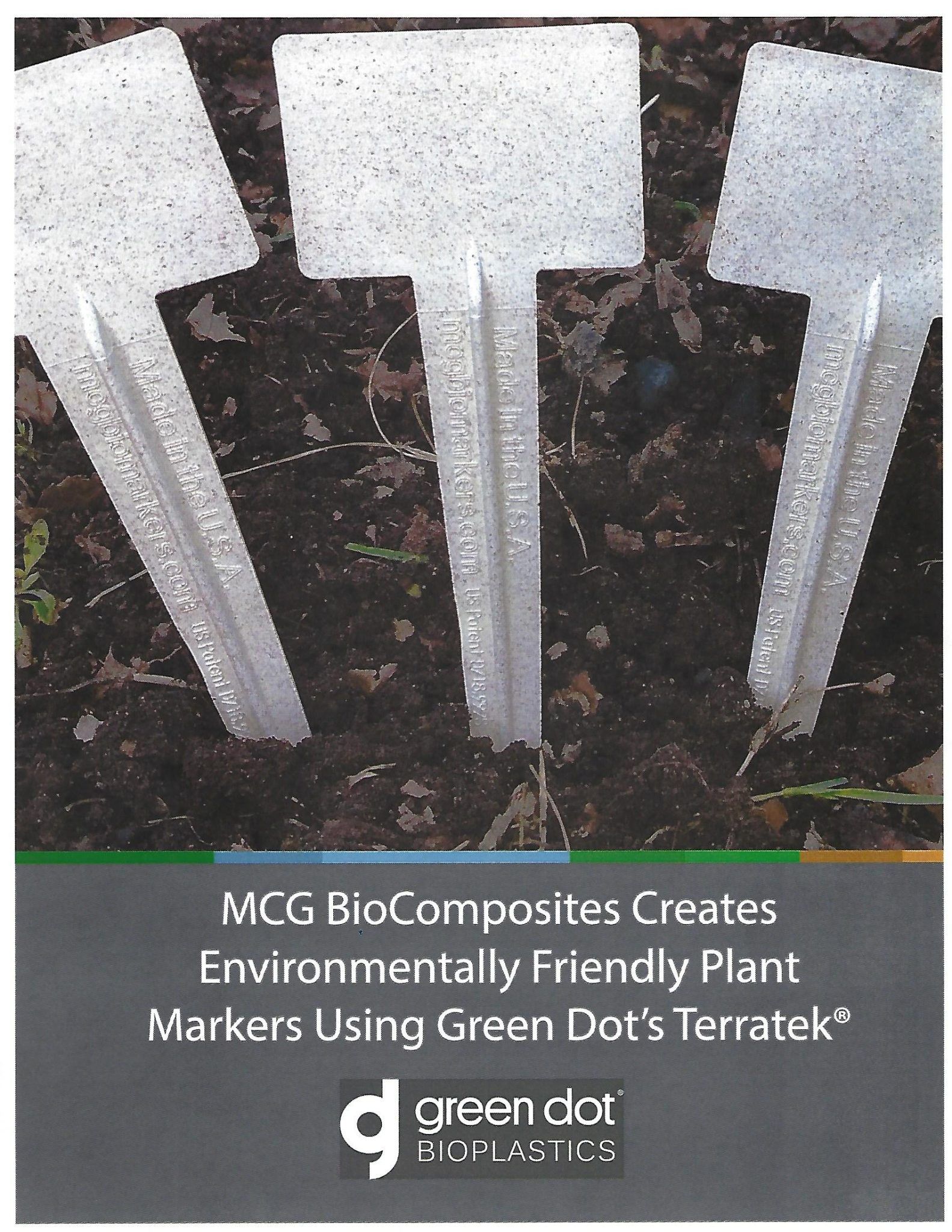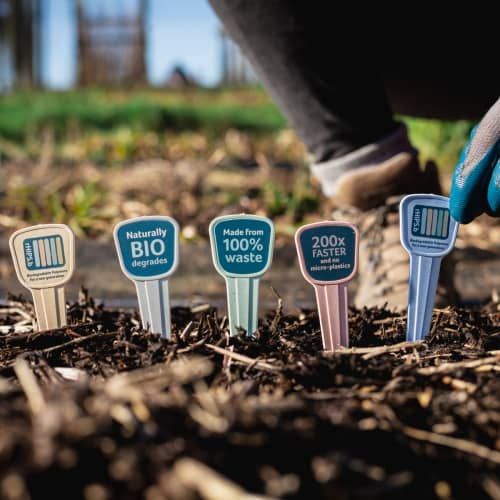
Last spring, I was so excited about using compostable markers for my garden labels that I didn’t realize I was about to make the biggest gardening mistake of my career. I’d read about how these markers were supposed to be eco-friendly, but I hadn’t considered what happens when you mix them with soil. It took me months to figure out what went wrong, and I’m here to help you avoid the same disaster.
Compostable markers sound perfect on paper – they’re supposed to break down naturally without harming plants or soil. But in practice, there’s more nuance than most guides acknowledge. I’ve been gardening for over eight years now, and I’ve seen plenty of people get burned by assuming that just because something is labeled ‘compostable,’ it’s safe for everything. The truth is, even compostable items can cause problems if you don’t understand their composition and how they interact with soil chemistry.
Why Compostable Markers Matter in Your Garden
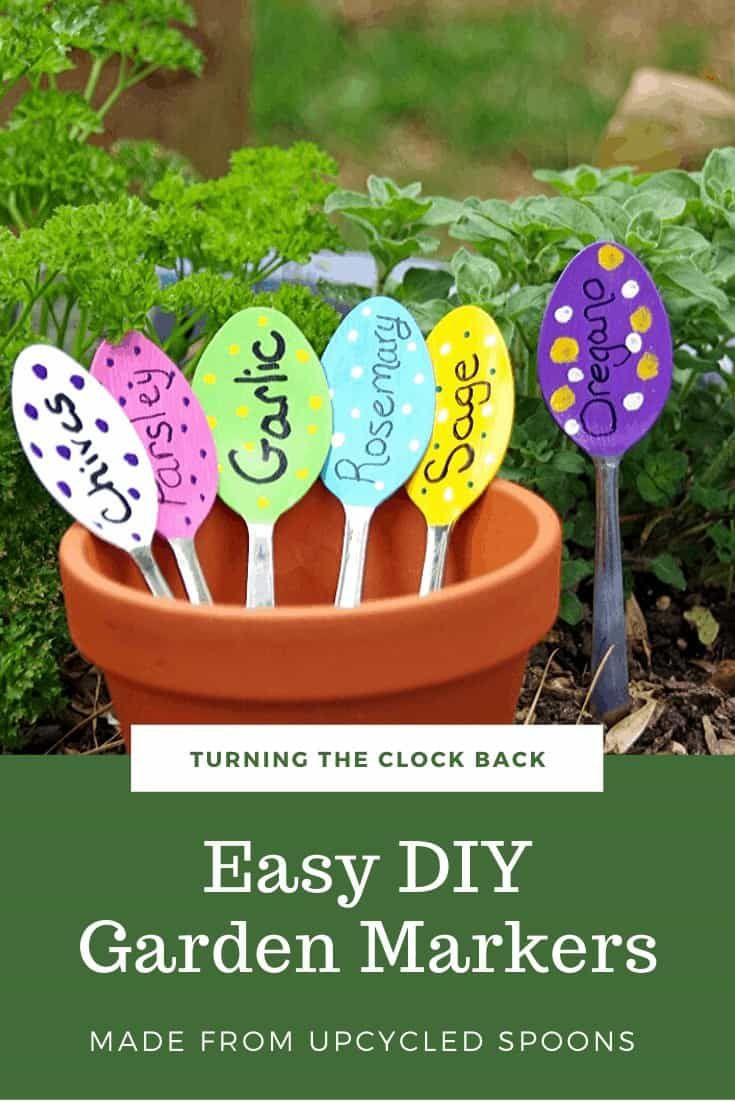
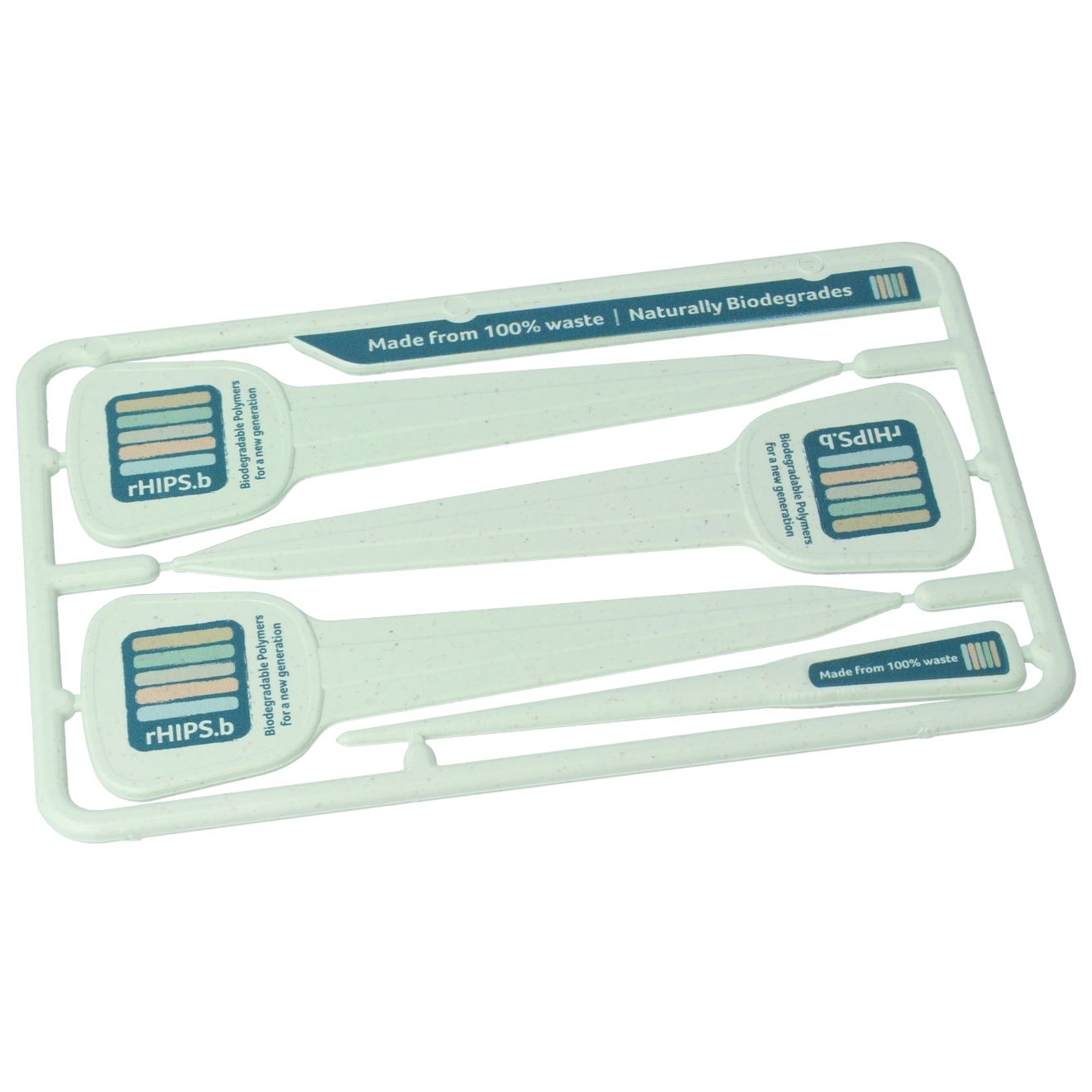
You might think garden markers are just about aesthetics, but they’re actually crucial for proper plant care. I’ve learned that the right labeling system can save you hours of confusion during planting season. When you’re working with perennials, annuals, and vegetables all mixed together, clear, lasting identification is key. Compostable markers offer the advantage of being environmentally friendly, which aligns with sustainable gardening practices. However, they also come with specific requirements for successful decomposition and safety.
I’ve had good luck with compostable markers for temporary labeling, especially when I’m testing new varieties or creating seasonal layouts. They’re particularly useful for small gardens where you want to avoid plastic waste. The problem arises when you don’t account for their chemical composition and decomposition timeline.
How I Approach Compostable Marker Use
My approach has evolved significantly since that disastrous season. First, I always check the manufacturer’s specifications before buying anything. I’ve learned that not all compostable markers are created equal – some contain heavy metals or synthetic dyes that can actually harm soil microorganisms. I also pay attention to the breakdown time and make sure I’m using markers appropriate for my composting setup.
I’ve started creating a simple chart of my garden zones and marking them with compostable pens that are specifically designed for outdoor use. I usually write directly on the soil surface rather than burying them, and I try to use markers with organic pigments. It’s become second nature to double-check ingredients before purchasing anything, even though it takes a few extra minutes.
The Mistakes I Made with Compostable Markers
I made three critical errors that turned my garden into a science experiment gone wrong:
Using non-certified compostable markers – I bought the cheapest ones I could find online, thinking they’d work fine. What I didn’t know was that these contained petroleum-based inks that weren’t actually compostable. They sat in the soil for months, slowly releasing chemicals that affected plant growth.
Burying markers too deep – I thought burying them would make them last longer, but I actually trapped them in soil conditions that prevented proper breakdown. Instead of decomposing, they became compacted and toxic.
Not considering soil pH compatibility – The ink in those markers was alkaline, and my soil was already acidic. The combination created a chemical reaction that killed nearby seedlings and affected nutrient absorption.
These mistakes cost me about two months of growing time and required me to replant several areas completely.
What Most People Get Wrong About Compostable Markers
Most gardeners assume that because something says ‘compostable’ on the package, it’s automatically safe for soil use. Here’s what they’re missing: compostable doesn’t mean biodegradable in soil conditions. The decomposition process in garden soil is much more complex than what happens in industrial composting facilities.
I’ve observed that many people don’t realize that even "natural" materials can cause problems when introduced to specific soil conditions. For instance, I’ve seen gardeners use compostable markers in clay soils and wonder why they’re still visible after a year. The issue isn’t with the markers themselves – it’s that clay soils slow decomposition rates significantly.
Also, there’s a common misconception that compostable markers are completely safe for all plants. I’ve found that some sensitive plants, particularly young seedlings, react badly to certain marker components. It’s not just about toxicity – it’s about timing and concentration.
Choosing the Right Compostable Markers for Your Garden
Based on my experience, here’s what to look for when selecting compostable markers for garden use:
• Certified compostable products – Look for certifications like ASTM D6400 or EN 13432. These aren’t just marketing claims; they indicate actual compliance with international standards.
• Organic pigment content – Avoid markers with petroleum-based inks or heavy metal compounds. Organic pigments are safer for both soil and plants.
• Outdoor-grade durability – Make sure the markers are rated for outdoor exposure. Indoor markers often contain sealants that prevent outdoor weathering.
• Biodegradable ink – Check that the ink itself breaks down naturally without leaving harmful residues. I’ve used a few brands from specialty garden supply companies, and they’ve been much more reliable.
• Manufacturer transparency – Good companies will list their ingredient breakdowns clearly. If you can’t find that information, it’s probably best to skip the product.
I’ve found that spending a bit more money on quality compostable markers pays off in the long run. It’s better to invest in proper products than risk damaging your garden or wasting time dealing with failed experiments.
Frequently Asked Questions About Compostable Markers
Q: Are compostable markers safe for vegetable gardens?
A: Generally yes, but only if they’re certified compostable and made with organic pigments. I’ve had success with specific brands, but I always recommend checking ingredient lists carefully.
Q: How long do compostable markers take to break down?
A: This varies widely depending on soil type and climate. In ideal conditions, it might take 3-6 months, but in clay soils or extreme temperatures, it can take much longer.
Q: Can I plant directly where I used compostable markers?
A: It’s safest to wait at least 6-8 weeks after application, especially if you’re using markers with any chemical components.
Q: What’s the best way to dispose of old compostable markers?
A: If they’re properly compostable, they should go in your compost bin along with other organic matter. Just make sure they’re fully broken down before adding to soil.
Q: Do compostable markers work well in all climates?
A: Not necessarily. In very dry climates, they may not break down as expected. In extremely wet conditions, they might leach chemicals faster than normal.
I’ve learned that compostable markers are a tool, not a magic solution. They can be incredibly useful when used correctly, but they require the same kind of careful consideration you’d give any garden input. My advice? Don’t just buy the cheapest compostable markers you see – invest in quality products from reputable manufacturers. And always test with a small area first before committing to larger applications.
If you’re planning to use compostable markers in your garden this season, I’d suggest starting with just one small section to see how your particular soil and climate respond. You’ll thank yourself later when you avoid the expensive mistakes I made. I’m still recovering from that season’s lessons, but I’ve got a much better understanding of how to use these tools responsibly now.
The key takeaway? Even eco-friendly products need thoughtful application. My garden is back on track, but it took a lot of trial and error to get there.