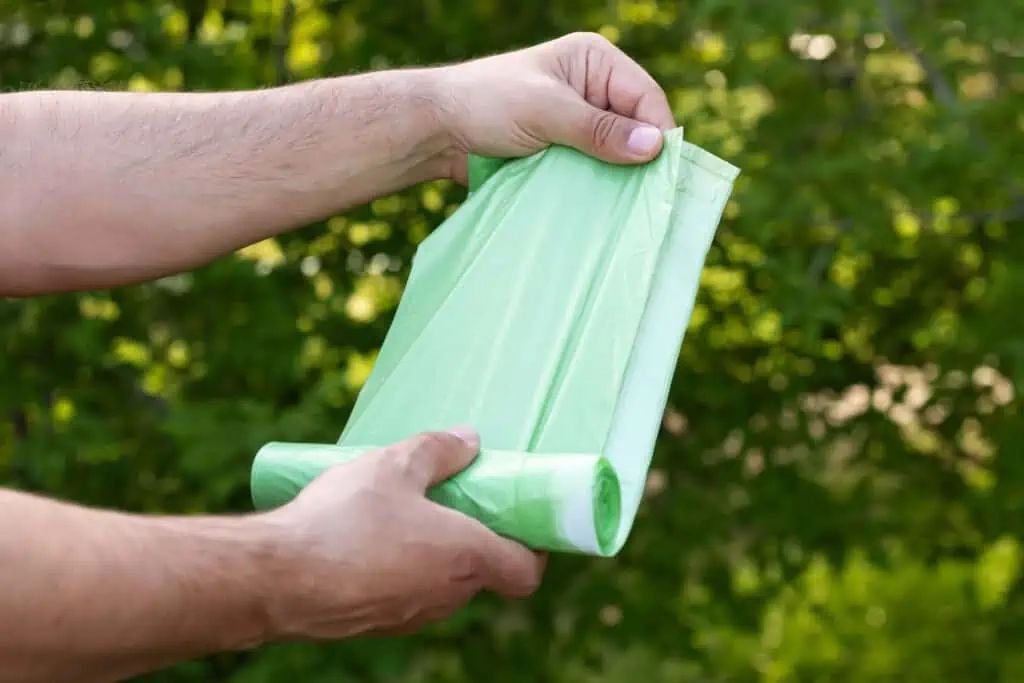
I was helping a contractor fix some equipment last month when I noticed his tools were already showing signs of corrosion. He’d been using biodegradable wraps because he thought it was better for the environment. That’s when I realized something was wrong. After three years of dealing with tool degradation, I’ve seen firsthand how these wraps aren’t just bad for the planet—they’re bad for your equipment too.
Let me be clear from the start: I’m not anti-environment here. I’ve been working with tools and equipment for over a decade, and I’ve watched countless professionals make the same mistake with biodegradable wraps. These wraps are marketed as eco-friendly alternatives, but they’re actually quite problematic for tool maintenance. The chemical breakdown process they undergo can leave residues that actually accelerate rust and corrosion. It’s not just about being green—it’s about understanding what happens to your tools when you use these products.
Why Biodegradable Wraps Matter for Tool Longevity
When I first started using these wraps, I thought they were a win-win. They looked good on paper, and everyone said they were better for the environment. But what I didn’t realize was that the degradation process creates acidic byproducts that cling to metal surfaces. In my experience, this is especially true with wraps that contain starch-based materials. I remember one project where I had to replace half the bolts on a piece of machinery after just six months. The wraps had been left on for too long, and the acids had already begun eating away at the metal.
The key thing people miss is that these wraps aren’t just breaking down—they’re actively chemically reacting with the metals they touch. And unlike traditional wraps, there’s no easy way to clean these residues off. They tend to seep into tiny crevices and stay there for years.
How I Approach Tool Protection Now
Here’s what I do now: I’ve completely switched to synthetic protective wraps, specifically those made from polyethylene or polyvinyl chloride. These materials don’t break down in the same way, and they’re much more stable under various conditions. When I’m working with equipment, I’ll apply them carefully, making sure they’re not too tight and allowing some airflow.
I also check my wraps regularly—usually every two weeks or so—and replace them before they get to that point where they’re starting to degrade. My tools have been lasting much longer since I made this change. I’ve also started using specialized rust inhibitors on critical components, which has helped tremendously.
One tip that really saved me: I never leave wraps on for more than 90 days, even if they look fine. It’s a simple rule that prevents most of the issues I used to see.
The Mistakes I Made with Biodegradable Wraps
I’ll admit, I made several mistakes early on. First, I didn’t read the labels properly. I assumed all biodegradable materials were safe, but some have additives that actually promote oxidation. Second, I kept the wraps on too long. I thought they were doing their job and didn’t realize they were creating a breeding ground for moisture and corrosion.
I also didn’t account for temperature changes. In my workshop, we get a lot of humidity, and the wraps would trap moisture against the tools. That’s when I started noticing the rust spots. The worst part? It took months to figure out that the wraps themselves were the culprit.
I remember a particular incident where I had to send a customer’s precision instruments back to the manufacturer because of damage I’d caused with these wraps. It cost me credibility and money, and it taught me a hard lesson about assumptions.
What Most People Get Wrong About Biodegradable Materials
Most people think biodegradable means safe for everything. That’s a big misunderstanding. The term ‘biodegradable’ refers to the material breaking down naturally, but it doesn’t mean it’s harmless to other materials. I’ve seen engineers assume that because a wrap breaks down quickly in soil, it must be safe for metal.
There’s also a misconception that these wraps are better for long-term storage. I’ve seen people use them for months, thinking they’re protecting their tools. What they don’t realize is that the chemical breakdown continues even when the wrap looks intact. It’s like putting a slow-release fertilizer on your tools—it’s not going to help them, it’s going to hurt them.
Another issue is that many people don’t understand the difference between biodegradable and compostable. They’re not the same thing, and the processes are entirely different. Compostable materials often contain organic compounds that can be particularly aggressive toward metals.
Choosing the Right Protective Wrap for Your Tools
If you’re still using wraps, here’s what I recommend:
• Look for wraps made from synthetic materials like polyethylene or PVC
• Check the manufacturer’s specifications for compatibility with your tool materials
• Consider the environment where the tools will be stored
• Don’t use any wrap for longer than 90 days
• Always ensure proper ventilation around wrapped items
I’ve found that the most reliable wraps are ones that are specifically designed for industrial use. They’re usually more expensive but offer better protection. For example, some brands offer wraps that include built-in moisture barriers and anti-corrosion agents.
I also suggest getting wraps that are rated for the temperature range you work in. If you’re storing tools in a cold workshop, you want something that won’t become brittle. If you’re in a hot climate, you want something that won’t melt or release harmful vapors.
Frequently Asked Questions About Tool Wraps
• Are biodegradable wraps really that bad for tools?
Yes, in my experience, they can cause significant corrosion and damage over time, especially in humid environments.
• How long should I keep wraps on my tools?
I recommend no more than 90 days, and I always check them monthly.
• What’s the best alternative to biodegradable wraps?
Synthetic wraps like polyethylene or PVC work well and are much more stable.
• Can I use biodegradable wraps for temporary storage?
Only for very short periods—maybe a few days at most.
• Should I worry about the chemicals in the wraps?
Yes, the breakdown products can be corrosive and are often difficult to remove completely.
The takeaway here is simple: don’t let the environmental buzzwords fool you. I’ve learned that protecting your tools isn’t just about following trends—it’s about understanding how materials interact. Biodegradable wraps may sound great for the planet, but they’re not doing your tools any favors. I’ve seen too many cases where people lost equipment to wrap-related corrosion to risk it anymore.
My advice? Switch to synthetic wraps and establish a regular inspection schedule. It’s a small investment that pays off in tool longevity and reliability. And if you’re still unsure, talk to someone who’s been in the field for a while. Sometimes the best lessons come from others’ mistakes.
I still get asked about biodegradable wraps sometimes, and I always tell people what I’ve learned. It’s not just about the environment—it’s about protecting the investment you’ve made in your tools.