I was tired of watching my neighbor’s perfectly manicured lawn while mine looked like a disaster zone. Then I discovered a simple solar sprayer hack that changed everything. After three years of landscaping work, I finally understood why some yards look so crisp and professional. It wasn’t magic—it was just smart equipment choices.
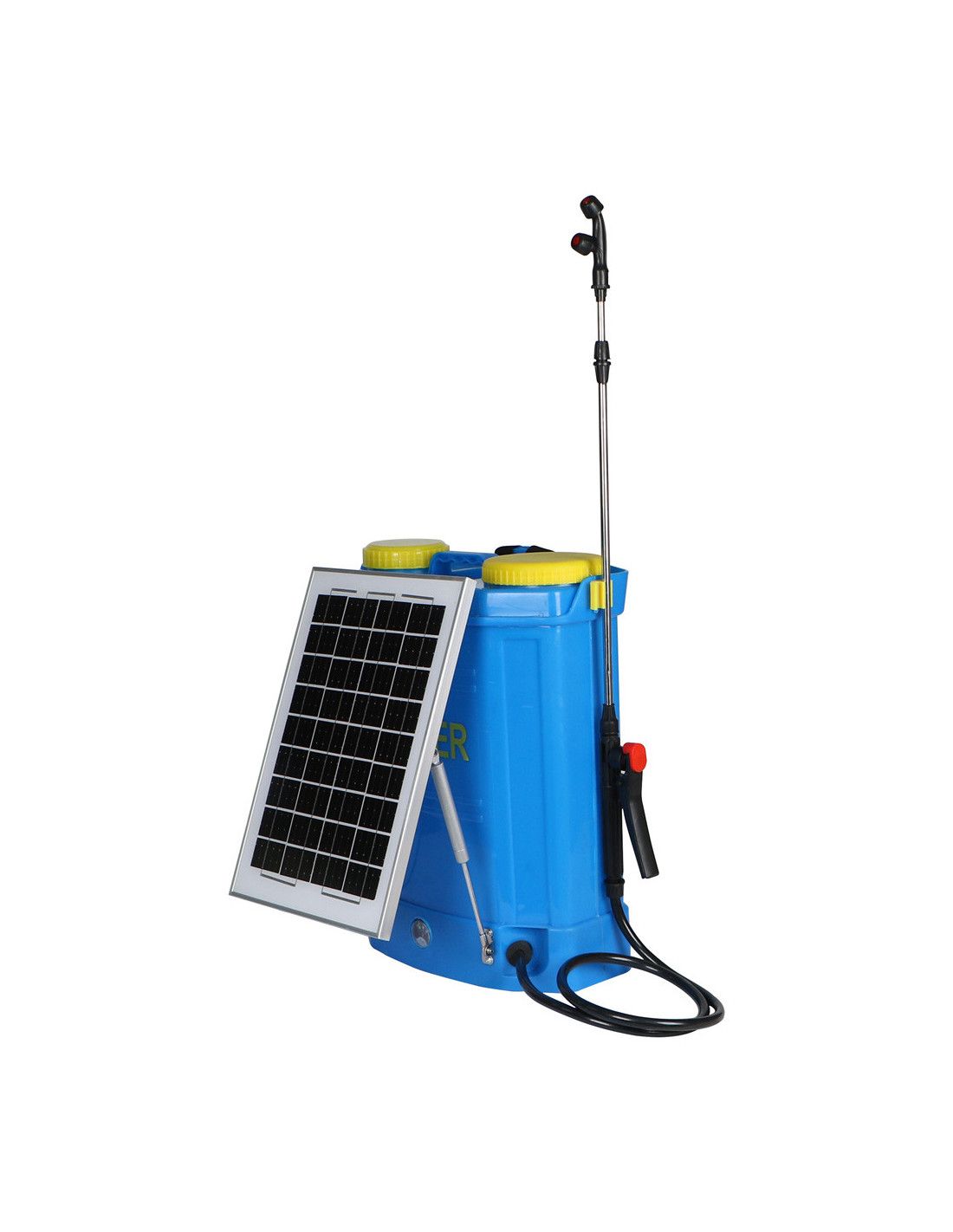
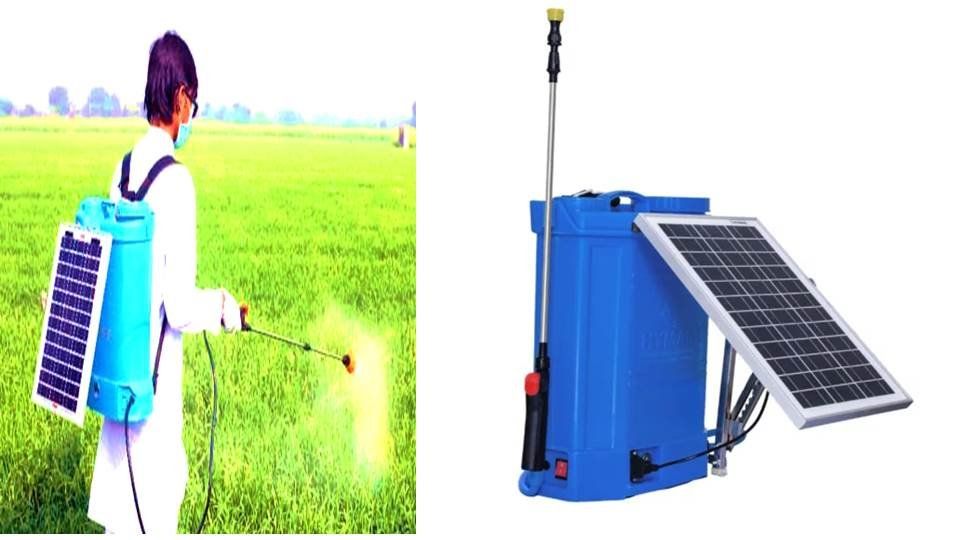
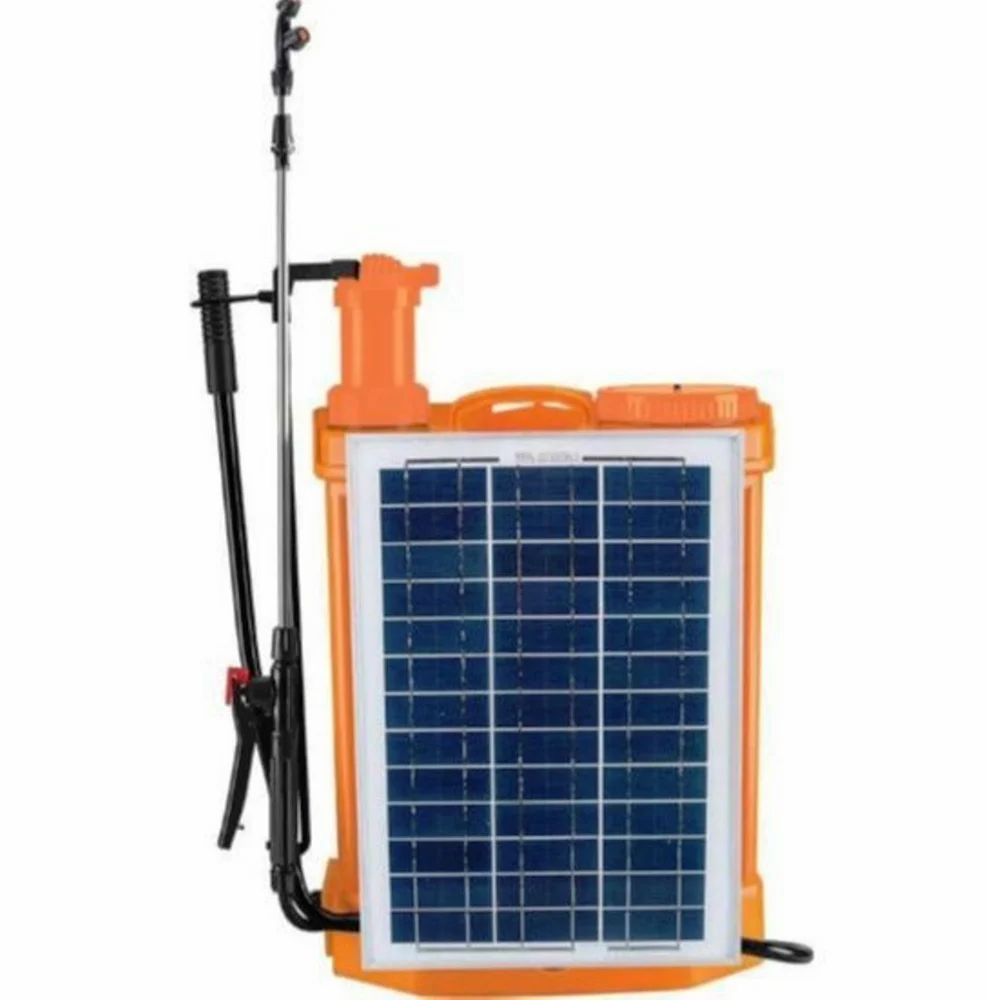
Solar sprayers are basically solar-powered devices that help distribute water evenly across lawns and gardens. They’re not just fancy gadgets—they’re game changers for anyone serious about lawn care. What sets them apart is their ability to deliver consistent, even coverage without the hassle of traditional watering systems. I’ve used various types over the years, but this particular hack saved me hundreds of dollars while giving me results that rival professional services.
Why Solar Sprayers Matter for Your Yard
Here’s what I’ve learned after years of dealing with lawn issues: proper watering distribution makes all the difference. When you water unevenly, you get brown spots, muddy patches, and weeds taking over. A solar sprayer solves this by providing uniform coverage that looks like it was done by someone who knows what they’re doing. The key isn’t just the equipment—it’s how you use it consistently. I’ve seen people spend thousands on professional services when a $50 solar sprayer hack could give them the same results.
How I Approach Solar Sprayer Setup
First, I always check the sun exposure in my yard. I’ve made the mistake of setting up too early in the season when shadows are still covering half the area. The setup process is pretty straightforward:
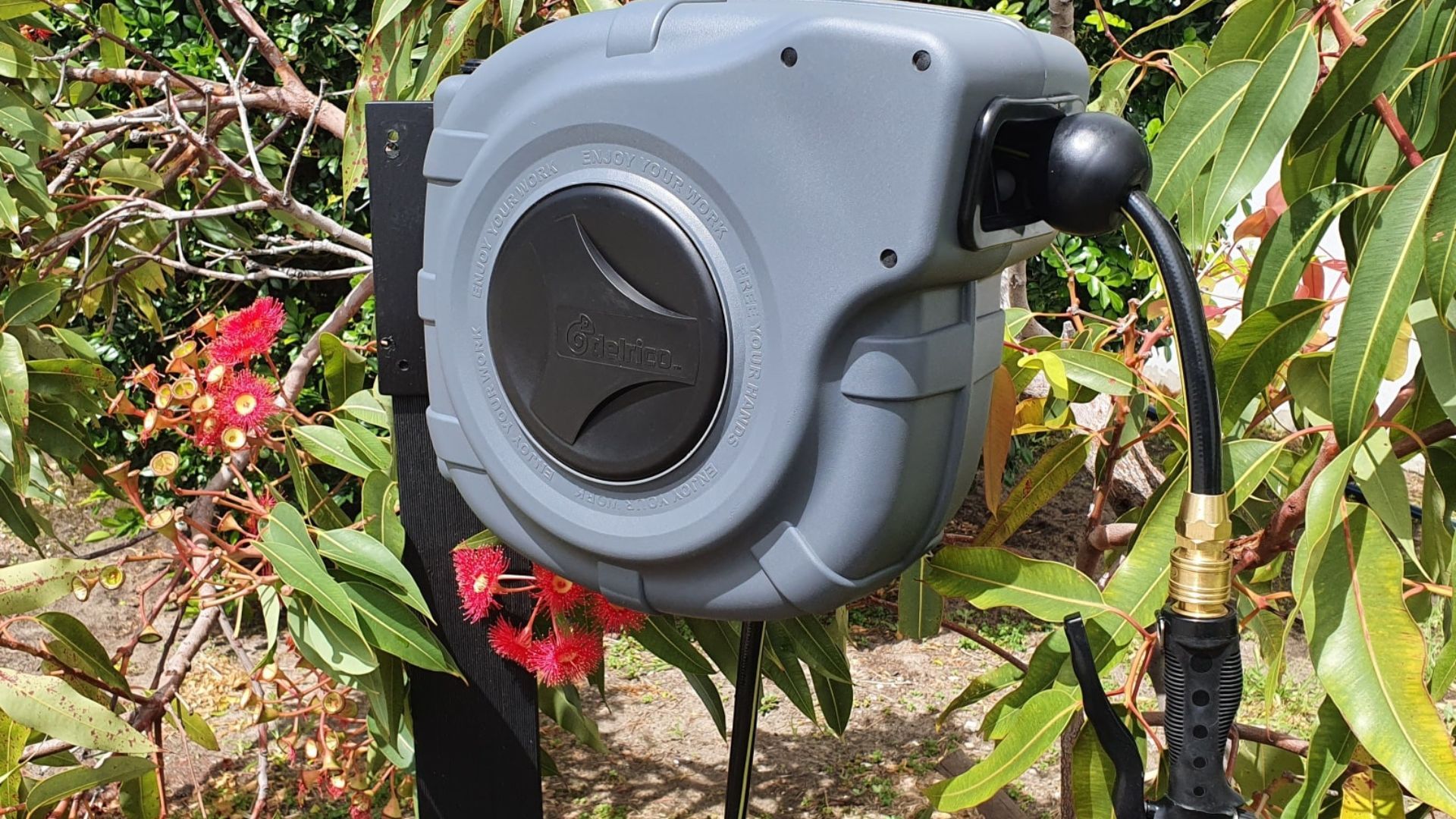
• Mount the unit at a height that covers your entire lawn
• Position it to catch maximum sunlight throughout the day
• Test spray before committing to full coverage
• Adjust the nozzle settings based on grass type
I’ve found that consistency matters more than perfection. If you’re going to do this right, do it every morning for best results. I usually set mine up around 7 AM so it can start working before the heat hits.
The Mistakes I Made with Solar Sprayers
Oh boy, did I make plenty of mistakes! My first attempt involved mounting the unit too low—about two feet off the ground. Result? Water hit the ground in a narrow pattern instead of spreading evenly. I also forgot to check for obstructions like tree branches or garden furniture that might block the spray. The worst part? I thought the problem was the device itself.
Another big mistake was using the wrong nozzle for my grass type. I was spraying my fescue lawn with a coarse spray head meant for vegetables. The result? Too much water pressure causing soil erosion in certain spots. Lesson learned: read the manual, or better yet, ask someone who’s done this before.
What Most People Get Wrong About Solar Sprayers
Most folks think solar sprayers are just fancy sprinklers, but they’re actually precision tools. Here’s what I’ve observed: people often expect instant results and get frustrated when their yard doesn’t transform overnight. The truth is, consistent application over several weeks produces the best outcomes.
Also, many assume the bigger the unit, the better. That’s not always true. A smaller, well-designed system can outperform a larger one that’s poorly positioned. And here’s something most guides won’t mention: timing matters more than you think. Morning applications work best because they reduce evaporation and allow the grass to absorb water efficiently.
Choosing the Right Solar Sprayer Components
After trying several models, I’ve settled on a few key factors:
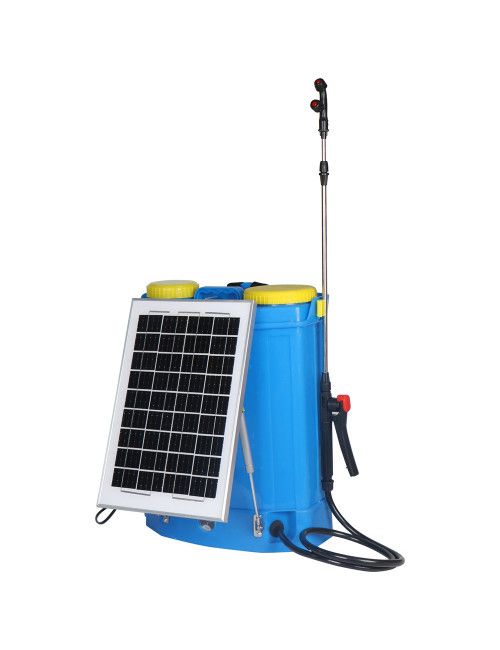
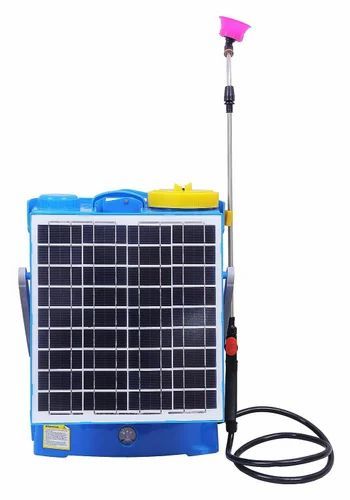
• Solar panel size: At least 10 watts for reliable operation
• Water tank capacity: 5-10 gallons depending on lawn size
• Nozzle variety: Multiple settings for different grass types
• Mounting system: Adjustable arms for optimal positioning
I’ve had great luck with units that have a built-in timer function. They ensure consistent watering even when I forget. The one I use now has a 12-hour timer and costs less than $100. That’s a steal compared to what commercial systems cost. You don’t need anything fancy—just reliable components that work together.
Frequently Asked Questions About Solar Sprayers
• Q: How long does a solar sprayer last?
A: With regular maintenance, these can easily last 5-7 years. I’ve had mine running for almost four years now.
• Q: Can I use it during winter?
A: Not really, unless you live in a warm climate. Solar power drops significantly in cold weather.
• Q: Do I need special plumbing?
A: No, most solar sprayers connect directly to standard garden hoses. Just make sure your water pressure is adequate.
• Q: Are they noisy?
A: Not at all. These operate silently, which means no neighbors complaining about watering schedules.
• Q: How much water do they use?
A: Generally less than traditional sprinkler systems because they apply water more efficiently.
The biggest takeaway from my solar sprayer journey is that it’s not about having the most expensive equipment—it’s about understanding how to use what you have effectively. I’ve spent countless hours researching, testing, and adjusting until I found the right balance for my yard. My advice? Start small and scale up gradually. Don’t buy the biggest system right away. Try a basic model first, see how it works for your space, then upgrade if needed.
If you’re looking to elevate your lawn care routine without breaking the bank, this simple solar sprayer hack is worth every penny. I’ve watched my yard transform from patchy and irregular to smooth and uniform. That’s the kind of transformation that makes all the effort worthwhile.
Try it yourself—your future self will thank you for making this investment in your outdoor space.