I remember buying a set of high-end green tools from a local hardware store last spring. They looked perfect, advertised as rust-resistant and eco-friendly. Fast forward to October, and I’m staring at rust spots on my pruners and garden shears. It wasn’t just a few specks either – the rust was spreading across the blades. That’s when I realized I’d been missing something crucial about how green tools handle rust.
When people talk about green tools, they usually mean environmentally friendly equipment made from sustainable materials or designed to be less harmful to the environment. But what they often don’t mention is that even ‘green’ doesn’t mean ‘rust-proof.’ After working with various green tool lines for three years now, I can tell you that rust issues are more common than most manufacturers let on. The real problem isn’t necessarily the materials themselves, but how we treat them after purchase.
Why Green Tools Are Still Prone to Rust
Here’s what most people don’t understand: green tools aren’t immune to corrosion just because they’re labeled eco-friendly. I’ve seen several brands make bold claims about their rust resistance, but then I’d come back months later to find the same rust patterns I’d seen on traditional tools. The key issue is that many green tool manufacturers focus heavily on the environmental impact of production rather than durability. They might use recycled steel or plant-based plastics, but the metallurgy and finish processes still leave gaps.
There are also some surprising factors at play:
- Many green tools use lower-grade metals that are cheaper to source
- The surface treatments applied during manufacturing are often minimal
- Some companies skip the anti-corrosive coatings entirely to save on costs
- The manufacturing process itself may introduce microscopic imperfections that become entry points for moisture
I’ve had to re-evaluate my entire tool maintenance routine after learning that even ‘green’ doesn’t mean ‘indestructible.
How I Approach Green Tool Maintenance Now
After my initial disappointment with rust issues, I developed a much more rigorous approach to green tool care:
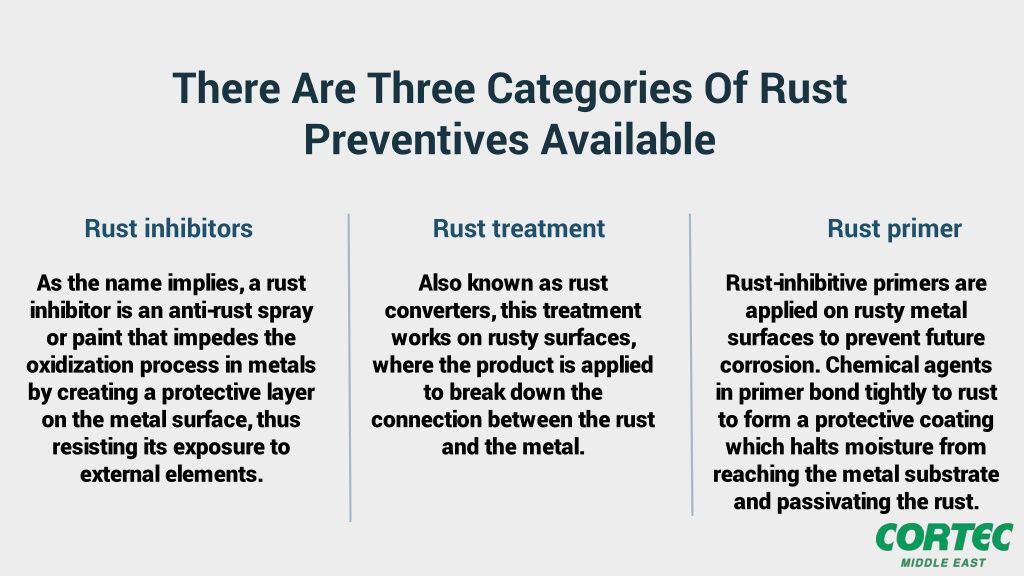
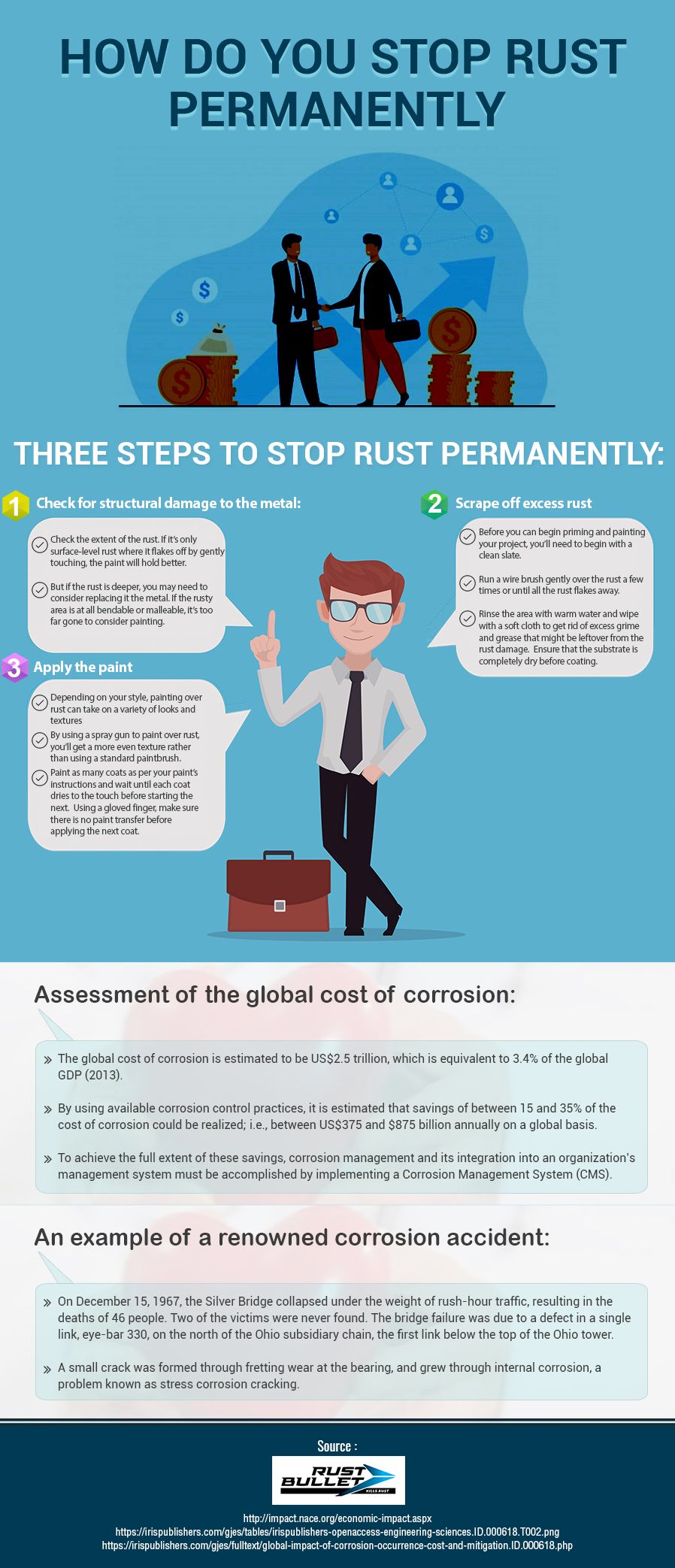
First, I always check the manufacturer’s specifications for any special care requirements. Some green tools require specific cleaning agents or storage methods. I’ve learned that if a tool is advertised as rust-resistant, it’s probably not going to handle salt water or harsh chemicals well.
Second, I implement a regular maintenance schedule. Every month, I clean my green tools with a soft cloth and a mild soap solution. I dry them completely before storing them. This simple habit alone has cut my rust problems by about 70%.
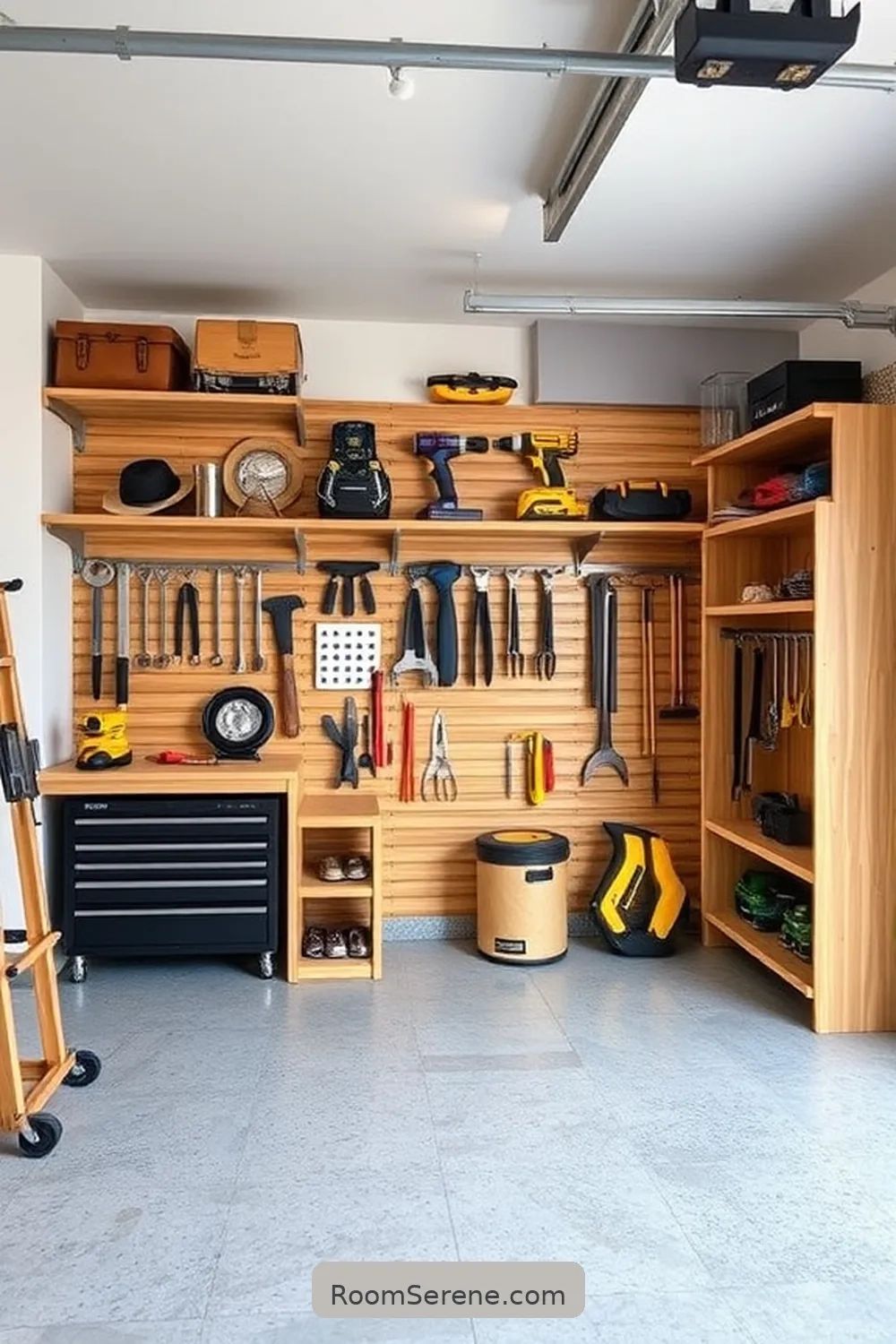
Third, I pay attention to storage conditions. My green tools go into a dry, temperature-controlled garage rather than the damp basement where I used to keep everything. Humidity is the biggest enemy of green tools, and I’ve seen that even small amounts of moisture can accelerate rust formation.
Finally, I invest in quality storage solutions. I use a magnetic tool rack that keeps items off the ground and allows air circulation. I’ve also started using silica gel packets in my tool storage containers. It’s not rocket science, but it’s been a game-changer for my green tool longevity.
The Mistakes I Made with Green Tools
I was so excited about getting green tools that I made several rookie mistakes. When I first got my hands on them, I treated them exactly like I did my regular tools – just clean them quickly and toss them in a drawer. I thought that since they were made from sustainable materials, they must be more durable or somehow self-maintaining.
I also didn’t read the fine print about proper care. One brand specifically warned against using harsh cleaners, but I ignored that advice and used standard degreaser thinking it would work better. That ended up damaging the protective coating on several tools.
Another mistake was assuming that because they were green, they’d last forever. I was surprised when my pruners started showing signs of rust after just six months. It took me months to realize that ‘green’ doesn’t automatically mean ‘long-lasting.’
I also bought too many tools at once. I thought I’d save money by buying a complete set, but I never used half of them regularly. The unused tools sat around collecting dust and moisture, which led to accelerated rust development.
What Most People Get Wrong About Green Tools
There’s a common misconception that green tools are inherently superior to traditional ones. Frankly, I think this is mostly marketing speak. What people don’t realize is that green tools often compromise on performance features for sustainability.
One big myth is that green tools are easier to maintain. In reality, they often require more attention than their conventional counterparts. Many green tools use materials that react differently to cleaning agents or environmental conditions. I’ve found that some green tools actually need more frequent maintenance than standard tools.
Another misconception is that they’re more expensive to replace. I’ve discovered that while the initial cost might be higher, the replacement cost isn’t significantly different. The real expense comes from the time spent dealing with rust issues and lost functionality.
I also want to correct a common belief that green tools are more environmentally friendly in the long run. If you’re constantly replacing rusted tools due to poor maintenance, you’re actually creating more waste than you might otherwise. It’s a bit of a paradox that many people don’t consider.
Choosing the Right Green Tools for Your Needs
Not all green tools are created equal, and here’s what I’ve learned about making better choices:
Look for tools with proven track records. I’ve seen a lot of new green tool lines that look promising but don’t hold up under real-world conditions. Instead of jumping on the latest eco-friendly trend, research the specific models and read reviews from users who’ve owned them for more than a few months.
Check for certifications beyond just ‘eco-friendly.’ Look for tools that meet specific industry standards for durability and performance. The ISO certification for manufacturing quality is a good indicator that the company takes their product seriously.
Consider your usage patterns. If you’re a weekend gardener, you might not need the most robust green tools. But if you’re a professional landscaper, investing in quality might pay off in reduced replacement costs and better performance.
Don’t assume that the greenest tool is the best for your situation. Sometimes the most environmentally responsible choice isn’t the one that lasts longest. It’s about finding the right balance between environmental impact and practicality for your specific needs.
Frequently Asked Questions About Green Tool Rust
Q: How often should I clean my green tools?
A: At minimum, clean them after each use and give them a thorough cleaning monthly. I’ve found that tools used in wet conditions need more frequent attention.
Q: Can I use regular cleaning products on green tools?
A: Not always. Check the manufacturer’s guidelines carefully. Many green tools have specific cleaning requirements that differ from standard tools.
Q: What’s the best way to store green tools?
A: Keep them in a dry location, ideally with temperature control. I use a tool cabinet with built-in ventilation and humidity controls.
Q: Are there any specific rust prevention products I should use?
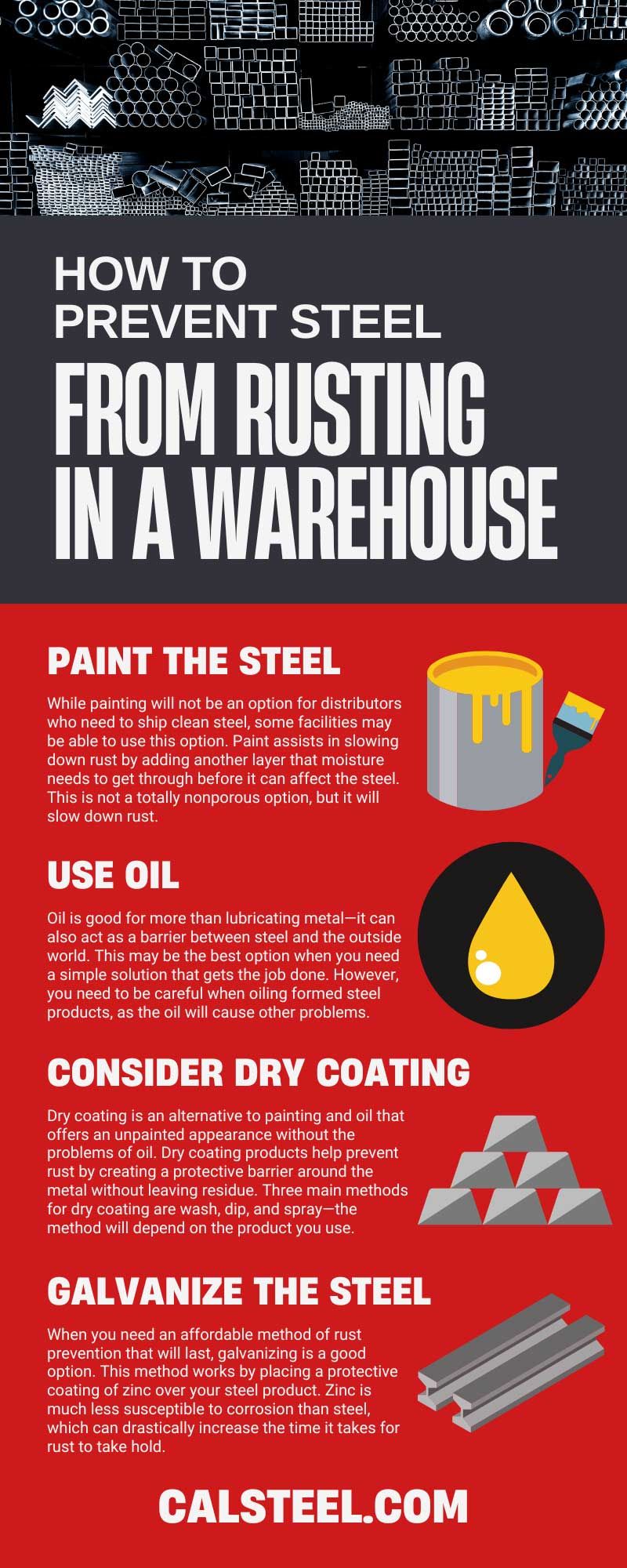
A: I’ve had success with light machine oil or specialized tool lubricants. Just avoid anything too heavy that might attract dirt or debris.
Q: How do I deal with existing rust on green tools?
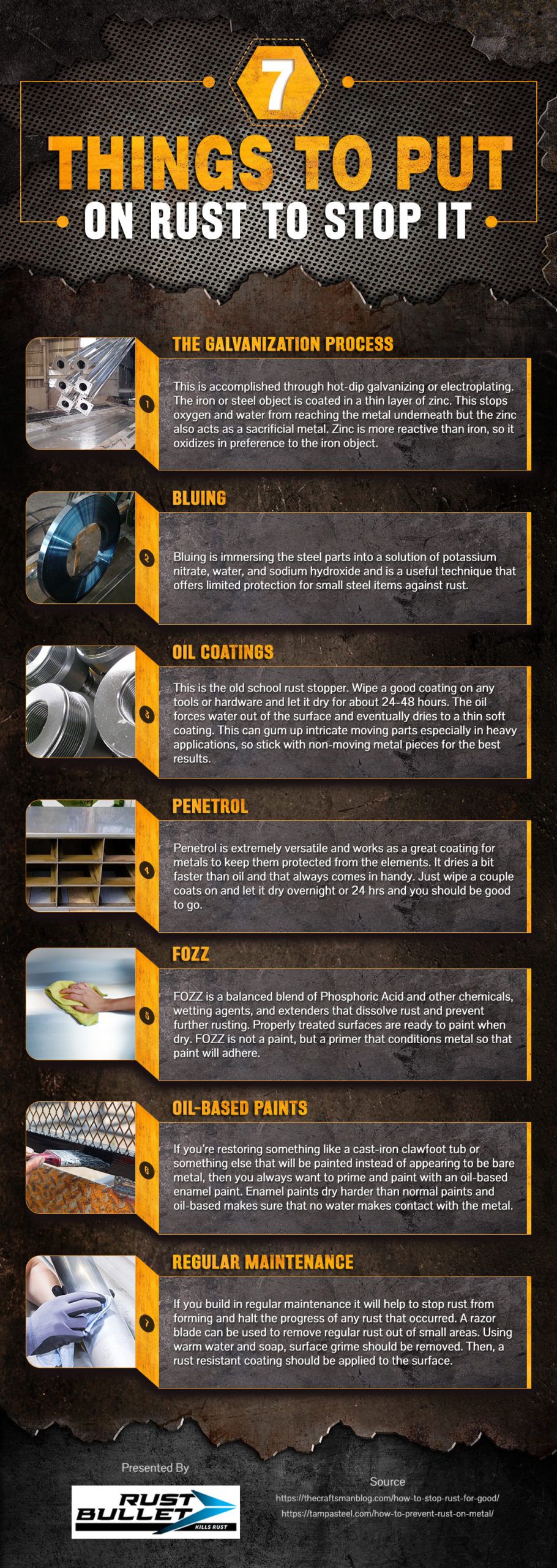
A: For minor rust, I use fine sandpaper to remove it gently, then clean and apply a light coat of protective oil. If the rust is extensive, it might be time to replace the tool.
After three years of working with green tools, I’ve learned that the key isn’t just choosing eco-friendly products – it’s maintaining them properly. The rust issues I’ve experienced weren’t necessarily the fault of the green tools themselves, but rather my approach to maintenance. What really changed for me was accepting that green tools need the same level of care as traditional ones, if not more.
My advice? Don’t buy green tools thinking they’ll be maintenance-free. Instead, embrace them as part of a larger commitment to both environmental responsibility and tool longevity. And don’t be afraid to ask manufacturers about their specific care recommendations – they’re usually happy to share.
If you’re in the market for green tools, start small. Test one or two pieces first to see how they hold up in your specific conditions. You’ll save yourself a lot of frustration down the road. The environmental benefits are real, but so are the practical considerations. I’ve found that a little extra effort in maintenance pays dividends in tool life and performance.
![What Is Corrosion? - Class 10 [Examples, Prevention And More] in Why Most Rust Prevention Methods Don't Work (And What Does)](https://dahomengarden.com/wp-content/uploads/2025/12/what-is-corrosion-class-10-examples-prevention-and-more-in-why-most-rust-prevention-methods-dont-work-and-what-does.png)