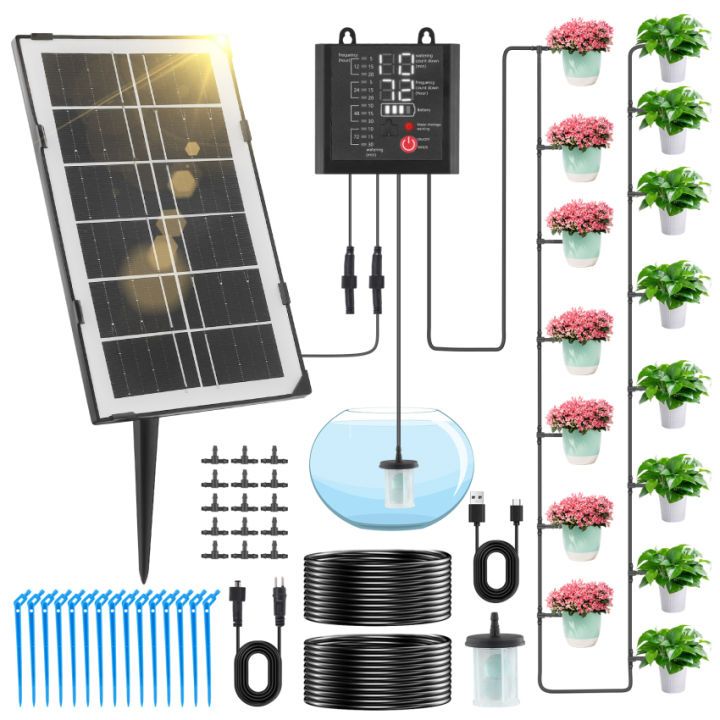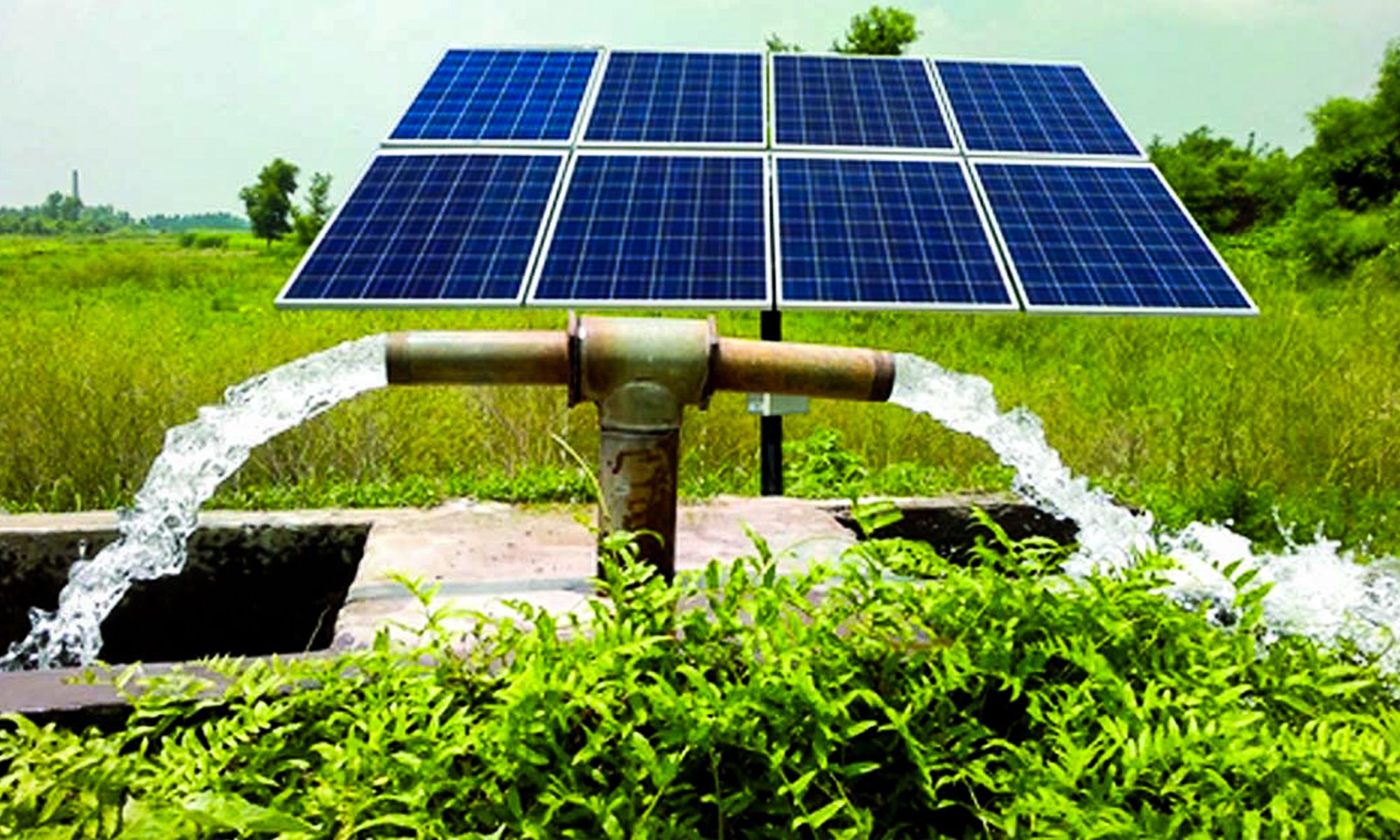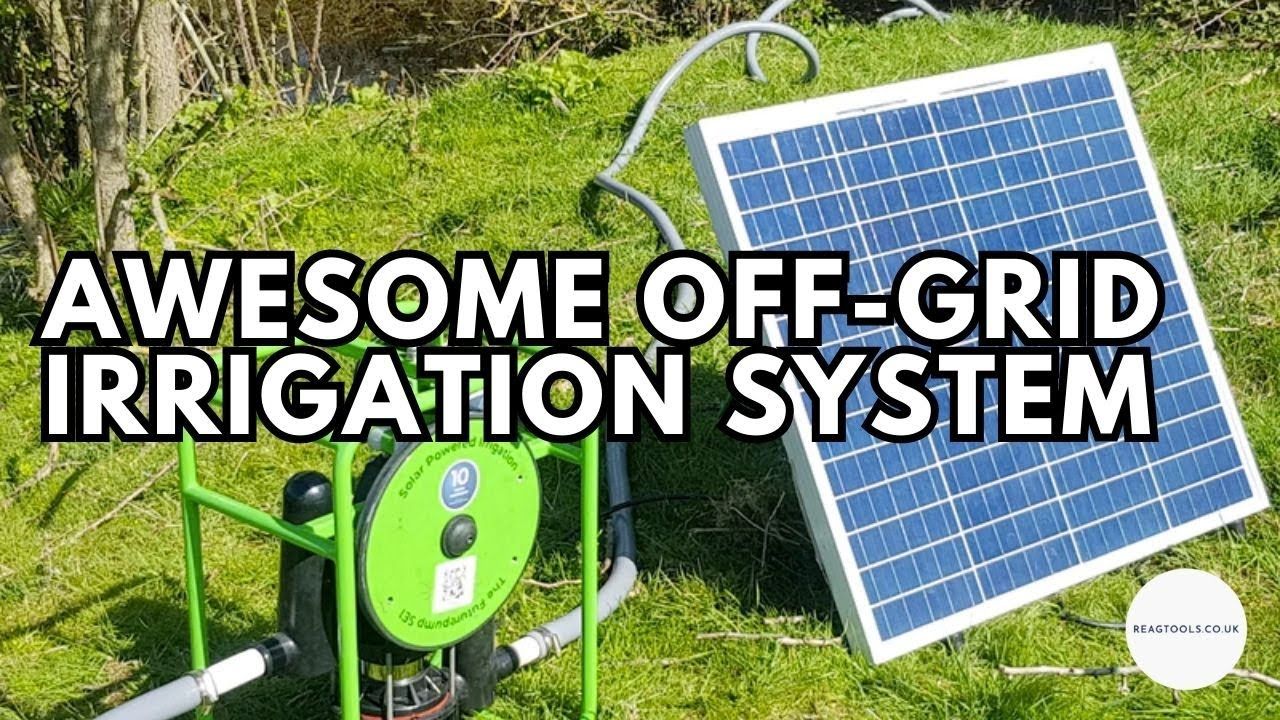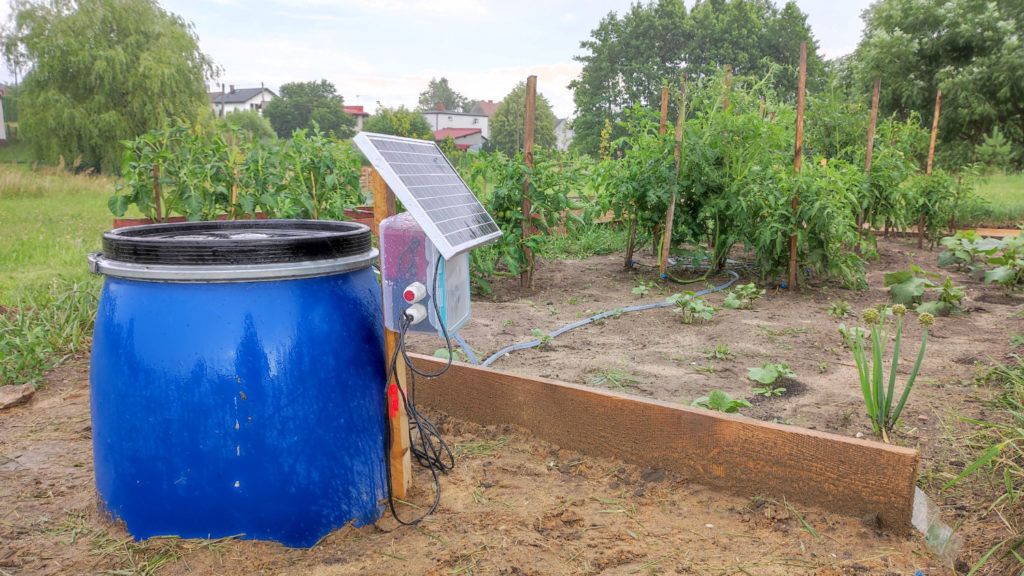
I was so proud of my solar garden watering system when I first installed it last spring. It looked sleek, promised zero electricity bills, and had all the bells and whistles. Three months later, I was pulling my hair out trying to figure out why it wasn’t working at all. Turns out, I made four fundamental mistakes that probably killed more than just my system. Let me tell you what happened—and how you can avoid the same fate.
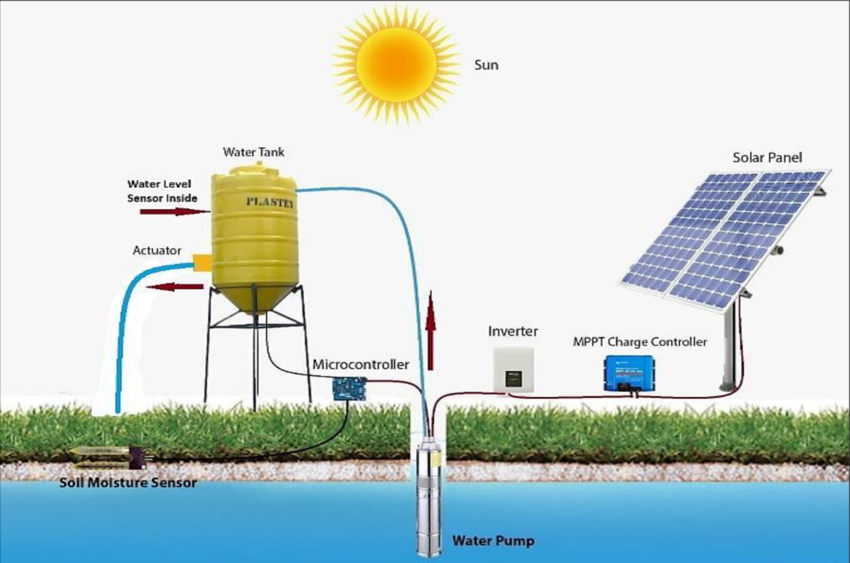
Solar garden watering systems are pretty straightforward in theory. You hook up a solar panel to power a water pump that irrigates your plants. But there’s a lot more going on under the hood that most people don’t realize until things go wrong. I’ve been working with irrigation setups for over three years now, and I’ve seen countless installations fail because of one or two simple oversights. These aren’t just technical issues—they’re design and planning failures that anyone can make when they’re in a hurry or trying to save money.
Why Solar Garden Watering Systems Matter
If you’re like me, you want your garden to thrive without constantly worrying about turning on taps or running wires. A solar system gives you that freedom. I’ve used mine during droughts, power outages, and even when I’m away for weeks. It’s reliable, low-maintenance, and eco-friendly. But it’s only as good as the setup. And here’s the truth—I thought I knew what I was doing, but I didn’t.
How I Approach Solar Irrigation Installations
When I start any project like this, I always do a site assessment first. I look at the sun exposure, plant water needs, and soil type. Then I choose a pump that matches those requirements. I also check for voltage compatibility between components. For example, if I’m using a 12V system, I need to make sure everything else is rated accordingly. I usually install a charge controller too, just to be safe. But let’s be honest, sometimes you skip steps when you’re rushing to get started.
The Mistakes I Made with My Solar Garden Watering System
Here are the four big mistakes that took down my solar watering setup:
Wrong Pump Size – I went with a cheap pump that seemed adequate based on specs, but it couldn’t handle the pressure needed for my garden layout. It would start and then stall.
No Charge Controller – I didn’t realize how important that little device is. Without it, the solar panel was overcharging my battery, which fried it within two months.
Poor Cable Selection – I used standard extension cords instead of solar-rated cables. They got hot, melted, and eventually shorted out.
Underestimating Battery Needs – I calculated my power usage incorrectly and ran out of juice during dry spells. I thought I was saving money by skipping a bigger battery, but I was just setting myself up for failure.
What Most People Get Wrong About Solar Irrigation
Most folks think solar watering is just about buying the right parts. They don’t understand that it’s really about matching components correctly. There’s a common belief that bigger panels = better performance—but that’s only true if your system can actually utilize that extra energy. I’ve seen people buy 100-watt panels thinking they’ll solve everything, but their pumps are only 20 watts. It’s like putting a race car engine in a bicycle frame—it doesn’t work. Also, many people ignore weather factors. If you live in a cloudy area, you need to plan for lower output days.
Choosing the Right Components for Your Solar Garden System
Here’s what I wish someone had told me earlier:
• Pump Power Rating: Match your pump’s wattage to your solar panel output.
• Battery Capacity: Plan for at least 2–3 days of backup power, especially in dry climates.
• Cable Gauge: Use at least 10-gauge wire for longer runs. Smaller gauges heat up quickly.
• Charge Controller Type: Choose MPPT if you’re using higher voltage systems; PWM works fine for smaller setups.
Also, don’t forget to include a pressure regulator and timer if you want to automate watering. Those small additions can make a huge difference.
Frequently Asked Questions About Solar Garden Watering Systems
Q: Can I run a solar garden watering system off just one panel?
A: Technically yes, but it’s risky. You’ll want some redundancy, especially if you’re watering multiple zones.
Q: How long does a solar watering system last?
A: With proper maintenance, most systems last 5–10 years. Regular checks on wiring and battery health are key.
Q: Do I need a permit?
A: In most places, no—but check local codes. Some cities require permits for outdoor electrical installations.
Q: Are these systems suitable for small gardens?
A: Absolutely. I’ve successfully run them on less than 100 square feet plots. Just keep the components appropriately scaled.
I know I’ve been through the fire with my solar irrigation setup, but I learned a ton along the way. My advice? Don’t rush into it. Spend time understanding your garden’s actual needs, invest in quality components, and don’t skimp on the basics like charge controllers and proper cabling. If you’re new to this kind of thing, maybe start with a smaller system first—just to get comfortable with how everything works. And hey, if you see me at a gardening meetup, ask me about my solar watering disaster. I’d love to help someone avoid making the same mistakes I did. Just remember: smart planning beats expensive repairs every time.