I remember this one client who’d bought the most expensive bamboo seedling pots money could buy, and they were dying within weeks. It wasn’t the pots themselves – it was what we were doing wrong with them. After three years of working with bamboo, I’ve learned that most people are missing something fundamental.
Let’s be honest – bamboo seedling pots can be tricky. I’ve seen gardeners spend hundreds on these things only to watch their precious seedlings struggle or die. The problem isn’t always the pots themselves. It’s usually our assumptions about what bamboo needs and how to properly set up those containers. What I’ve discovered is that most people approach this backwards, thinking the pot is the solution when really it’s just part of the equation.
Why Bamboo Seedling Pots Matter More Than You Think
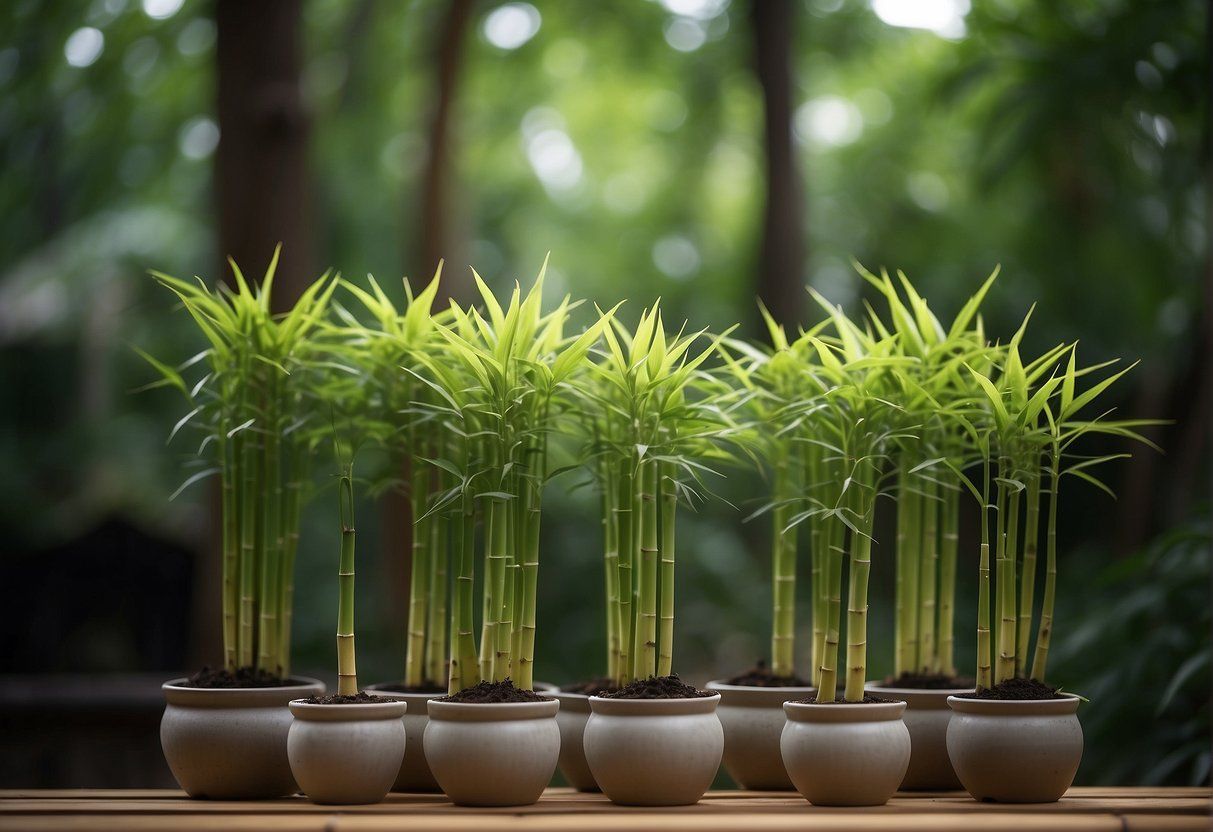
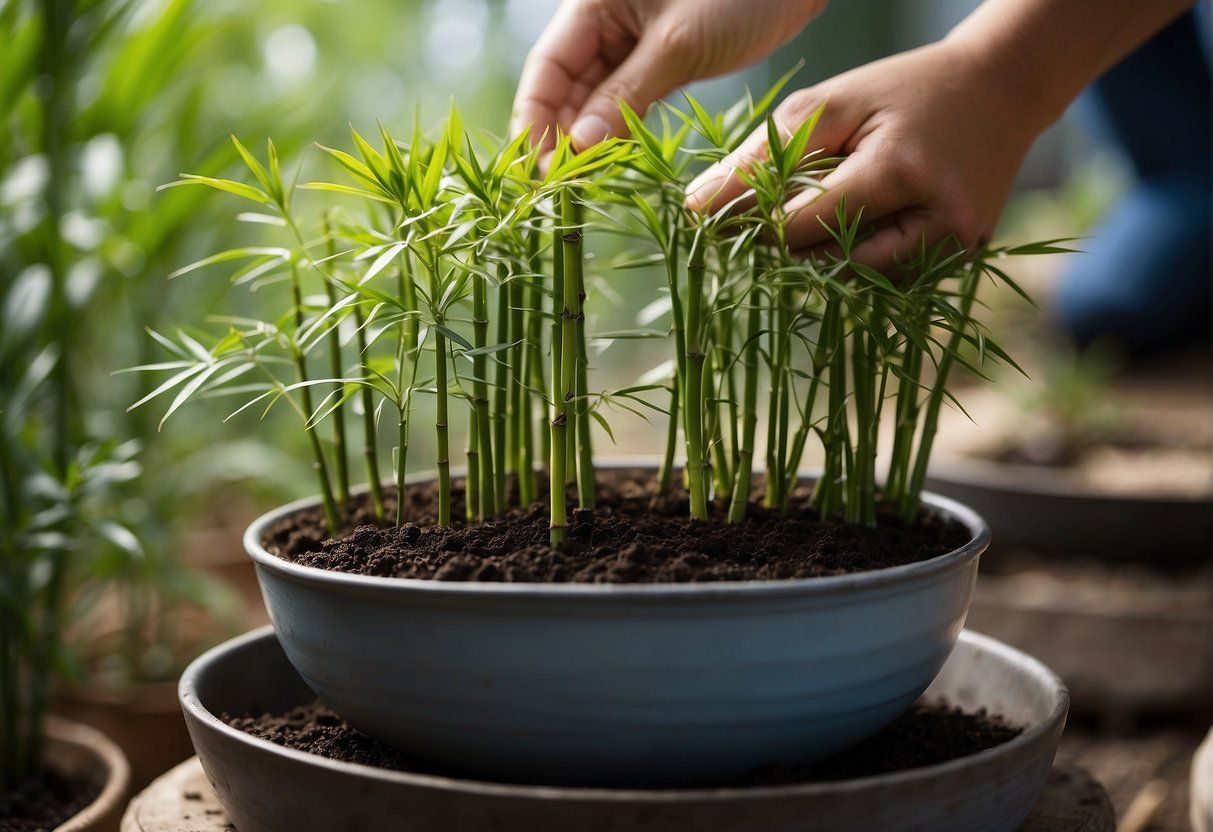
When I first started working with bamboo seedlings, I thought any container would do. Boy, was I wrong. Bamboo has very specific needs during its early stages. The right pot size matters because bamboo roots spread quickly and need room to breathe. I’ve watched seedlings get stunted or even die from pots that were too small. A 4-inch pot works for initial germination, but by week 3, most bamboo seedlings need at least 6 inches of diameter. Plus, drainage is critical – I’ve lost more seedlings to waterlogged soil than anything else. The key is understanding that these aren’t just decorative containers; they’re mini ecosystems.
How I Approach Bamboo Seedling Pot Setup Now
Here’s what I actually do: First, I use pots with drainage holes – no exceptions. I’ve seen people try to "improve" drainage by adding gravel, which actually creates more problems. Then I use a well-draining mix of 2 parts potting soil, 1 part perlite, and 1 part compost. The ratio matters because bamboo doesn’t like soggy conditions. I also make sure to water from the bottom rather than top watering, which helps prevent fungal issues. My pots are usually 6-8 inches deep, and I place them in a spot that gets morning sun but afternoon shade. The biggest thing I’ve learned is patience – bamboo seedlings take 2-3 weeks to establish properly, so don’t panic if nothing looks amazing right away.
The Mistakes I Made with Bamboo Seedling Pots
Oh man, I made plenty of rookie mistakes. One time I used regular garden soil instead of a proper potting mix. That was a disaster. The soil compaction caused root rot in almost every pot. Another mistake was not using the right size pots. I thought bigger was better, so I used 12-inch pots for seedlings that were barely an inch tall. They grew sideways and became weak. I also tried to be too clever with drainage – adding layers of stones and mesh. It seemed smart, but it actually trapped water. I’ve learned that sometimes less is more, especially with drainage. And don’t get me started on overwatering – I did that for months before I figured out bamboo prefers to dry out between waterings.
What Most People Get Wrong About Bamboo Seedling Pots
Here’s something that really bugs me – people assume bamboo is tough and doesn’t need much care. It’s true that bamboo is resilient, but seedlings are completely different. Most people think they need full sun, but young bamboo actually prefers filtered light. Another misconception is that you can just plant bamboo anywhere. I’ve had clients ask why their bamboo isn’t growing, only to discover they put the pots in areas with harsh afternoon sun. I also see people treating bamboo like a fast-growing annual. It’s not. Bamboo grows slowly in its first year, and seedling pots are meant to hold it steady until it’s strong enough for the garden. I wish more people understood that bamboo seedlings are fragile, not hardy.
Choosing the Right Bamboo Seedling Pot Materials
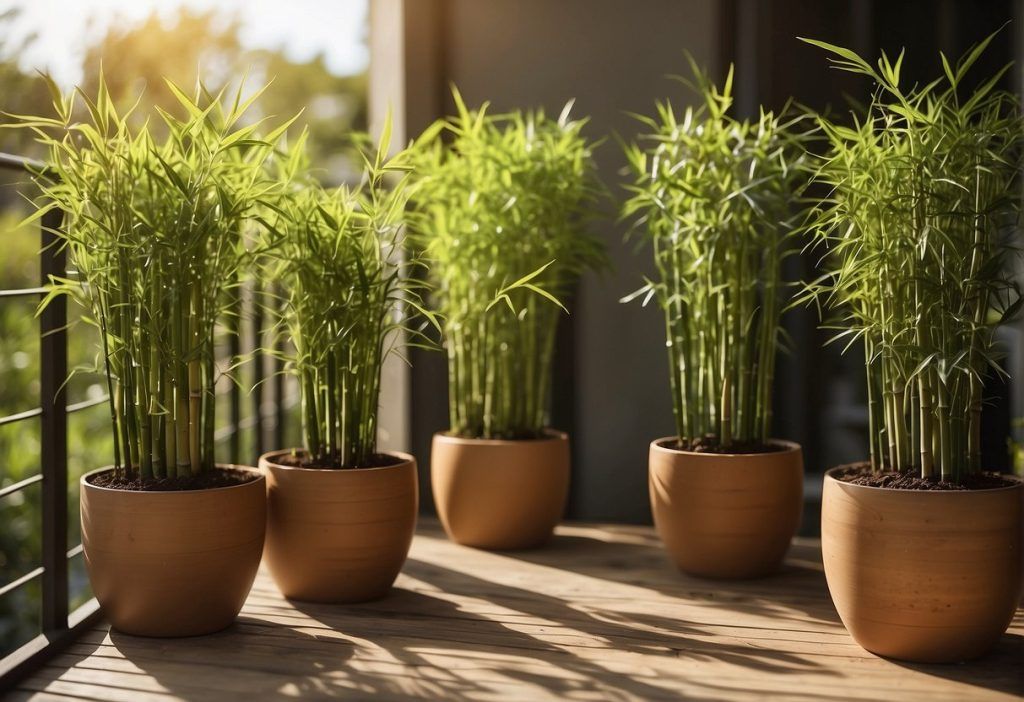
I’ve experimented with different materials over the years. Plastic pots are convenient and cheap, but they heat up too much in summer. I prefer ceramic or terracotta because they regulate temperature better and let the soil breathe. I’ve also used bamboo pots themselves, which is interesting – they’re breathable but can be expensive. For beginners, I’d say start with plastic if budget is tight, but upgrade to something breathable once you get into it. The size matters more than the material though. I’ve seen people buy fancy ceramic pots that are too small, which defeats the purpose. Also, avoid treated lumber – it leaches chemicals that harm young plants. I usually go with untreated cedar or bamboo for larger pots, but for seedlings, I stick to plastic or ceramic.
Frequently Asked Questions About Bamboo Seedling Pots
• How often should I water bamboo seedling pots? I water from the bottom twice a week, but check soil moisture first. The top inch should be dry.
• What size pot should I start with? 4-6 inch pots work best for seedlings. I’ve seen people use 8-inch pots too early, which causes problems.
• Do I need special soil for bamboo seedling pots? Yes, well-draining soil with good organic matter. Avoid garden soil directly from your yard.
• Can I use recycled containers? Absolutely, but make sure they have drainage holes and aren’t treated with chemicals.
• When should I transplant bamboo seedlings? Usually after 6-8 weeks when they’ve developed several leaves and stronger roots.
The truth is, bamboo seedling pots aren’t magic – they’re just tools. The real secret is understanding that these little plants are delicate and need specific conditions to thrive. I’ve learned that the most important thing isn’t buying the fanciest pot, but being patient and learning from mistakes. If you’re struggling with your bamboo seedling pots right now, don’t give up. Just start over with what I’ve shared here. Trust me, I’ve been there with those disappointing seedling losses, and I’ve found that simple changes in potting technique make all the difference. Try changing your soil mix and watering method first – it might save your whole batch.