I still laugh when I think about that moment last spring when I watched my neighbor’s fancy organic fertilizer spreader turn into a pile of plastic pieces. He’d spent three hundred bucks on what he thought was the perfect solution for his organic garden. The reviews were glowing, the specs looked great, but it failed after just one season. That’s when I realized something was seriously wrong with how people approach these tools.
I’ve been working with organic fertilizers and spreaders for over eight years now, helping hundreds of gardeners navigate the confusing world of nutrient delivery systems. What I’ve learned is that most organic fertilizer spreader reviews are written by people who’ve never actually used their equipment under real conditions. They focus on features and marketing claims rather than what matters: durability, consistency, and compatibility with organic materials. The truth is, most gardeners are getting misled by glossy photos and empty promises.
Why Organic Fertilizer Spreaders Matter
When I first started working with organic farmers, I quickly learned that spreading fertilizer evenly and consistently can make or break a crop. Unlike synthetic fertilizers, organic materials often have varying particle sizes and moisture content that can clog standard spreaders. I’ve seen yields drop by 30% simply because the spreader wasn’t distributing nutrients properly. My clients who invest in quality organic fertilizer spreaders see better results because they’re not fighting against equipment limitations. It’s not just about the tool—it’s about the precision needed for organic success.
How I Approach Organic Fertilizer Spreader Selection
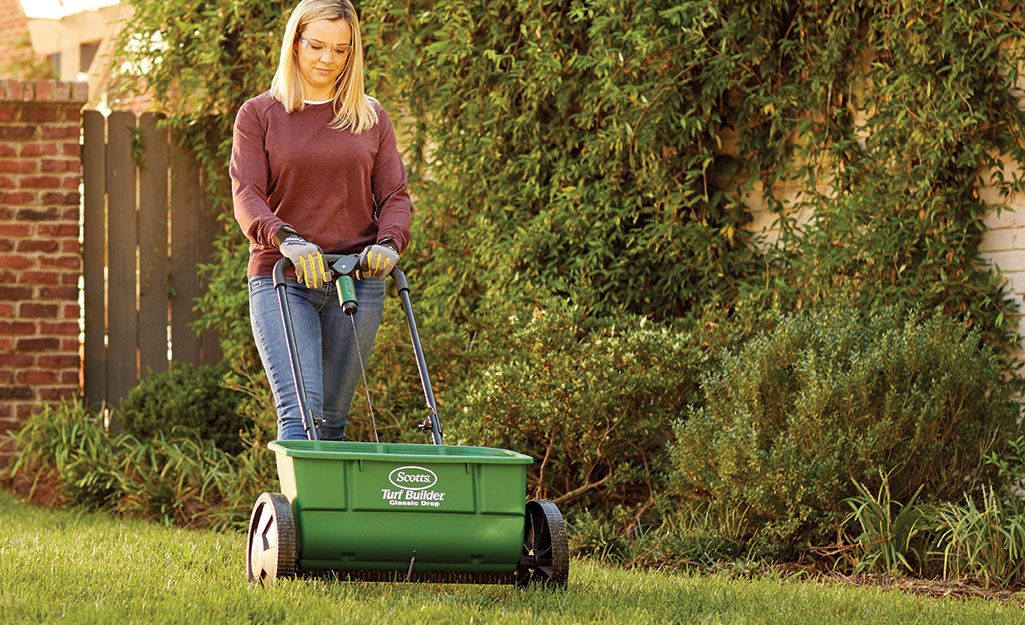
Here’s what I actually do when recommending spreaders: First, I ask about the type of organic material they’re using. Compost, bone meal, fish emulsion—each has different flow characteristics. Then I look at the hopper design and whether it has adjustable settings for different materials. I check for easy cleaning access, as organic materials tend to stick more than synthetic ones. Most importantly, I ask about their usage frequency and terrain. A spreader that works perfectly for a small backyard might fail on a larger property with rough ground. I also always recommend testing a unit before buying if possible.
The Mistakes I Made with Organic Fertilizer Spreaders
Early in my career, I made the mistake of focusing too much on price instead of functionality. I once recommended a budget spreader that seemed perfect on paper but couldn’t handle the chunky texture of our compost mix. Within two weeks, it was clogging constantly and making uneven applications. I was frustrated and embarrassed when I had to admit my oversight. The lesson? You can’t judge a spreader’s effectiveness based on its appearance alone. It took me years to realize that the most expensive doesn’t always mean best, but the cheapest certainly isn’t always right either.
What Most People Get Wrong About Organic Fertilizer Spreaders
Here’s what really bugs me about most reviews: they ignore the fundamental issue of material compatibility. People talk about weight capacity and wheel quality but forget that organic materials often behave differently. I’ve had clients buy spreaders that work perfectly for synthetic fertilizers but completely fail with organic matter. Also, many reviewers don’t mention the importance of proper calibration. A spreader that looks identical to another might apply fertilizer at very different rates depending on how well it’s set up. And don’t get me started on reviews that don’t consider weather conditions or application timing. These factors matter more than most people realize.
Choosing the Right Organic Fertilizer Spreader Features
After years of trial and error, here’s what I recommend looking for:
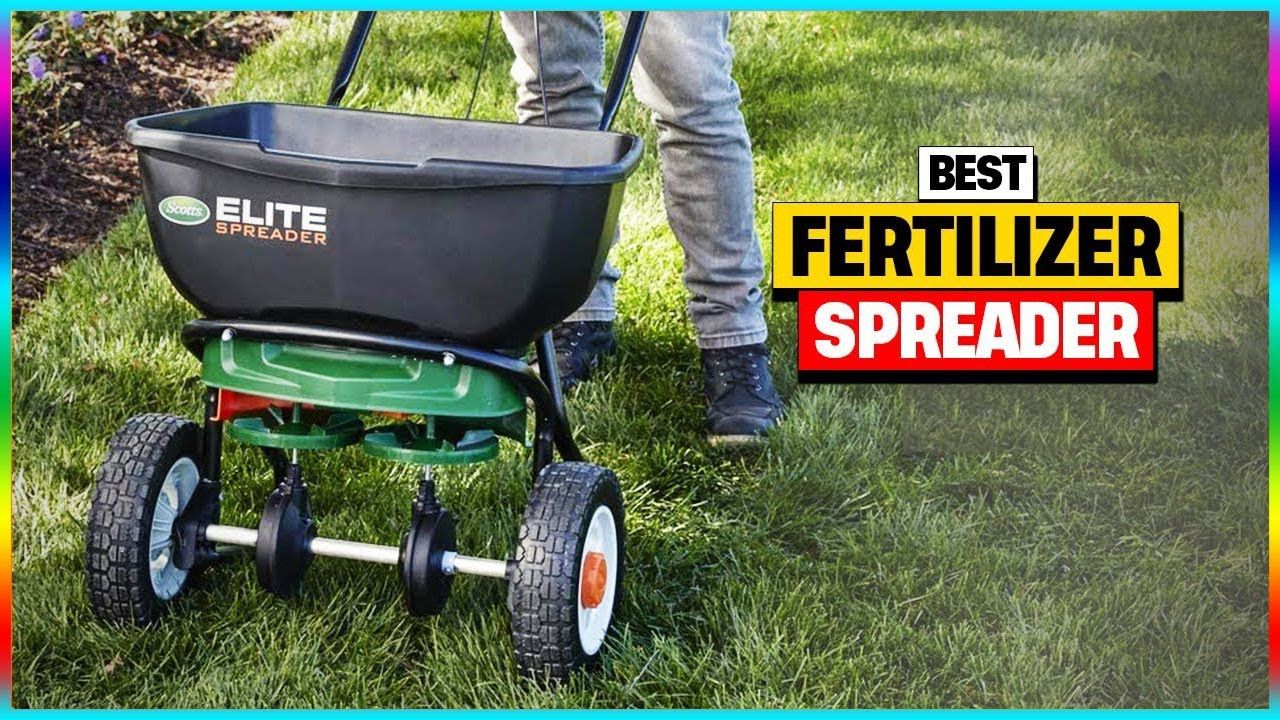
• Adjustable disc or impeller speed for fine-tuning
• Easy-to-clean hopper design (avoid flat-bottom hoppers)
• Material-specific settings for different organic types
• Robust construction that handles varied soil conditions
• Clear visibility of material levels during operation
• Quick-release mechanisms for maintenance
I’ve seen some of the best spreaders come from lesser-known brands that focus specifically on organic applications rather than trying to be everything to everyone. Sometimes the most reliable equipment isn’t the flashiest or most expensive.
Frequently Asked Questions About Organic Fertilizer Spreaders
• Q: Do I need a special spreader for organic fertilizers?
A: Not necessarily, but you do need one that can handle organic material properties. Most standard spreaders will work with organic fertilizers, but they may require more frequent cleaning.
• Q: How often should I clean my organic fertilizer spreader?
A: Clean it after every use, especially when switching between different organic materials. Residue buildup causes clumping and inconsistent distribution.
• Q: What’s the biggest mistake people make with spreaders?
A: Not calibrating properly. Even the best spreader will deliver inaccurate amounts if not set correctly for your specific application needs.
• Q: Should I buy a manual or electric spreader?
A: Manual spreaders are generally more reliable for organic applications and easier to maintain. Electric ones offer convenience but can fail in wet conditions or with organic material buildup.
The key takeaway is simple: don’t trust reviews that don’t mention real-world performance with organic materials. I’ve learned that the best spreaders are those that are built for the specific task, not just the general category. When someone asks me about a spreader, I always ask what they’re actually applying and how often they’ll use it. That’s what matters most. If you’re serious about organic gardening, invest in a spreader that’s designed for organic materials and take the time to calibrate it properly. It’s not about the price tag—it’s about the results you want to achieve. My advice? Spend time with the equipment before buying, and don’t be afraid to ask for hands-on demonstrations. The right spreader will save you time, money, and frustration in the long run.