The Chesapeake Bay’s shoreline is more than just water and sand—it’s a living ecosystem where land meets water in perfect harmony. When we think about designing along these precious edges, we’re not just creating beautiful spaces. We’re building connections between our communities and the natural world that sustains them. The plants we choose matter more than we might realize, because they become the foundation for wildlife habitats, erosion control, and water quality protection. What if I told you that choosing the right native plants could transform your shoreline from a simple border into a thriving ecological corridor?
The Chesapeake Bay watershed spans over 64,000 square miles, encompassing parts of six states and the District of Columbia. It’s one of the largest estuaries in the United States, teeming with life and facing serious environmental challenges. As shoreline development increases, so does pressure on this delicate ecosystem. The good news? We have powerful tools at our disposal to help restore and protect these vital areas. Native plants offer a pathway toward sustainability that works with nature rather than against it. They’ve evolved over thousands of years to handle everything from seasonal flooding to salt spray exposure. Choosing the right species isn’t just about aesthetics—it’s about creating functional landscapes that serve multiple purposes. From stabilizing soil to providing food for local wildlife, native plants do more work than most gardeners expect. But with so many options available, how do we know which plants will truly succeed in our specific shoreline environment? Let’s explore what makes a plant truly suited for these unique conditions.
Understanding Chesapeake Shoreline Conditions
Before diving into plant selection, we must first understand the unique challenges and opportunities presented by Chesapeake shoreline environments. These areas experience fluctuating water levels, periodic flooding, and varying degrees of salt exposure. The soil composition often differs significantly from inland areas, sometimes being sandy, clay-heavy, or a mix of both. Temperature variations can be extreme, with hot summer days followed by cool, damp conditions during spring and fall. Seasonal changes are particularly dramatic, with winter storms potentially reshaping entire shorelines. Consider the microclimates within your specific area—sheltered spots may receive less salt spray, while exposed locations need more resilient species. Soil testing becomes crucial when planning your shoreline design. You’ll want to assess pH levels, drainage capabilities, and nutrient content. Many shoreline soils are compacted from foot traffic or construction activities, making proper preparation essential for plant success. The key is recognizing that these conditions aren’t obstacles to overcome—they’re the very factors that define which plants will thrive. Understanding these variables helps us avoid common mistakes like selecting plants that are too sensitive to salt or unable to handle periodic flooding.
Benefits of Native Plants for Shoreline Ecosystems
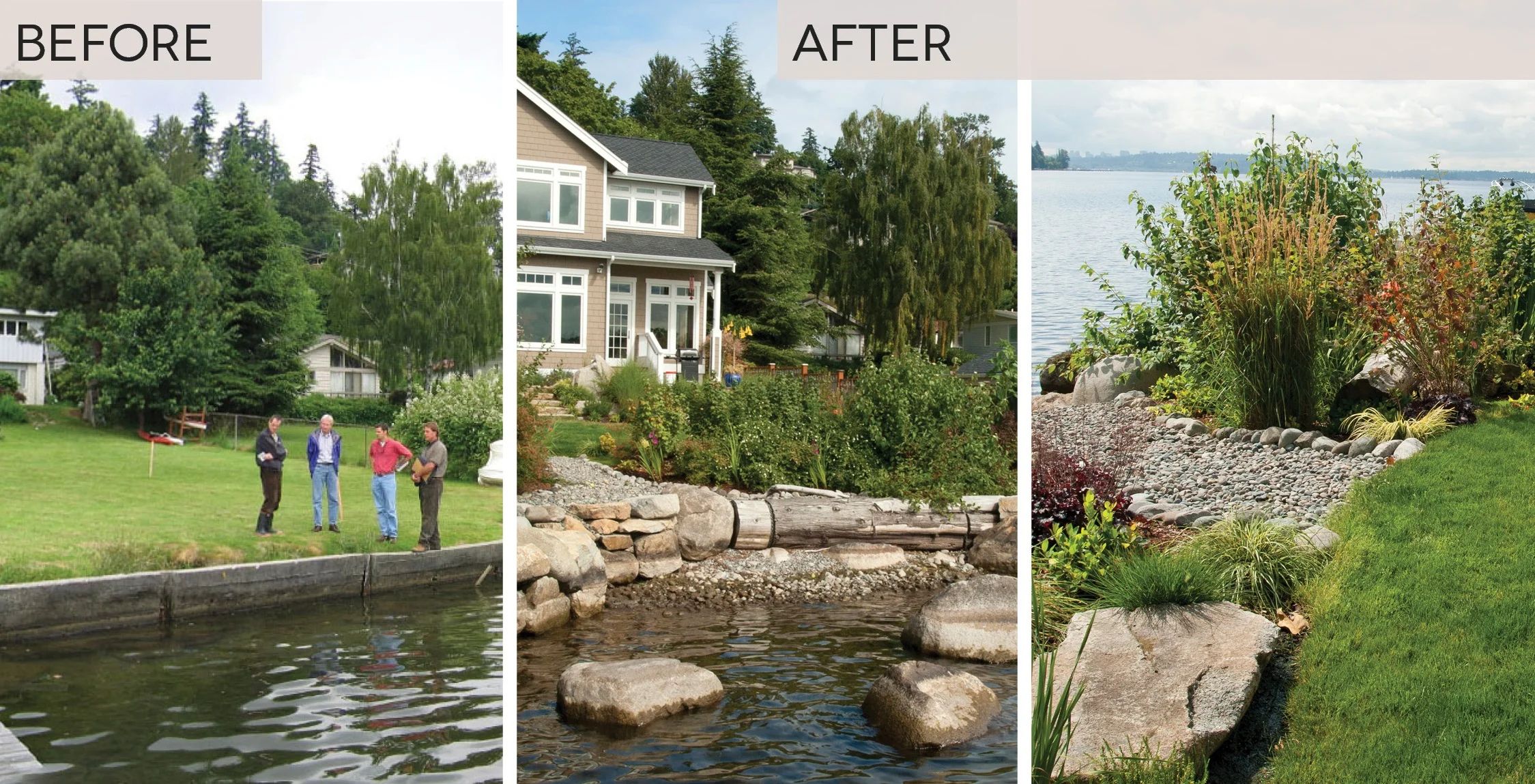
Native plants offer advantages that go far beyond their visual appeal. They form the backbone of local food webs, supporting insects, birds, and other wildlife that depend on specific plant relationships. For example, native milkweed species provide essential habitat for monarch butterfly larvae, while native grasses create nesting sites for ground-nesting birds. These plants also excel at erosion control due to their extensive root systems that bind soil together. Their deep taproots can reach water tables and help prevent soil loss during storm events. Native plants require significantly less maintenance once established, reducing the need for fertilizers, pesticides, and watering. This reduction in inputs means less pollution entering nearby waterways, protecting the very waters we’re trying to preserve. Additionally, native species typically need fewer resources to establish themselves compared to non-native alternatives. They’re adapted to local rainfall patterns, temperature ranges, and soil conditions, making them more resilient during droughts or floods. When we choose native plants, we’re essentially investing in the long-term health of our ecosystem. The ripple effects of healthy shoreline plantings extend far beyond individual properties, contributing to cleaner water, better wildlife habitat, and stronger community resilience.
Key Characteristics to Look for in Shoreline Plants
Successful shoreline plant selection requires identifying certain traits that help plants survive and thrive in challenging conditions. Flood tolerance stands out as perhaps the most critical factor. Plants like buttonbush and red osier dogwood can handle being submerged for weeks during high water periods. Salt tolerance matters for coastal areas, where salt spray can damage non-adapted species. Look for plants with waxy leaves or thick bark that resist salt damage. Drought resistance proves valuable during dry spells, especially when combined with flood tolerance. Plants such as switchgrass and little bluestem can endure extended dry periods while maintaining their structure. Root system characteristics matter enormously for erosion control. Deep, fibrous roots spread wide and downward, anchoring soil effectively. Some plants develop specialized root structures that trap sediment and slow water flow. Growth habits vary widely, from ground-hugging sedges to tall trees that provide windbreaks. Consider how each plant will mature in terms of height, spread, and seasonal changes. Fast-growing species might provide quick coverage, but slower growers often prove more sustainable long-term. Think about seasonal interest too—plants that bloom at different times ensure year-round visual appeal and wildlife support. These characteristics don’t exist in isolation; they work together to create resilient plant communities.
Popular Native Plant Choices for Different Shoreline Zones
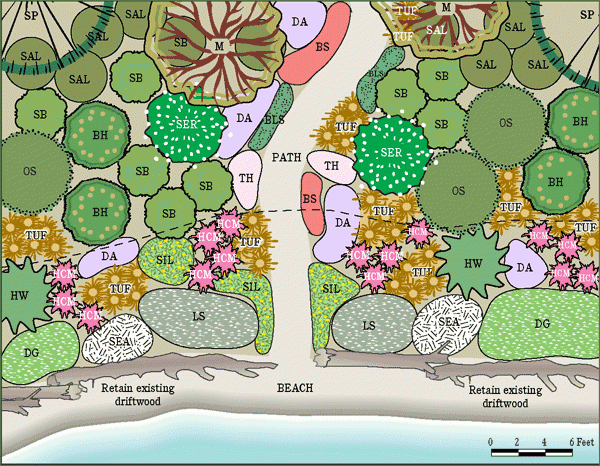
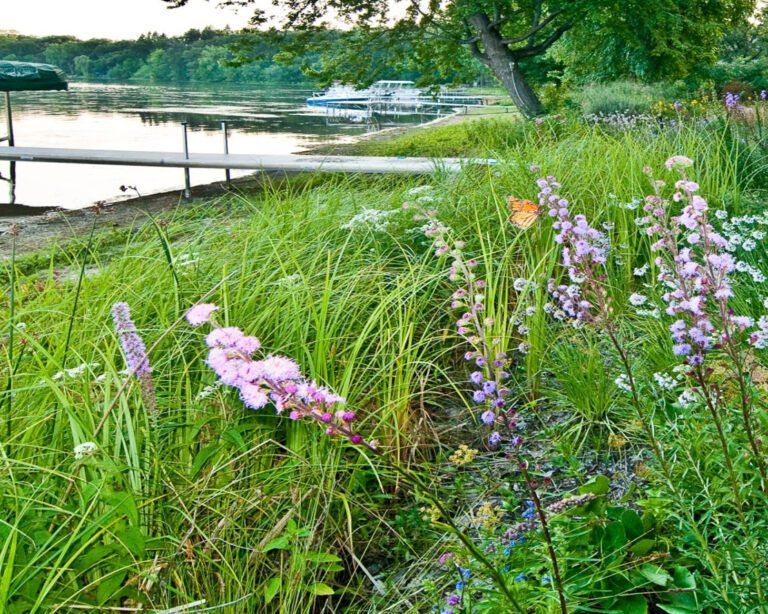
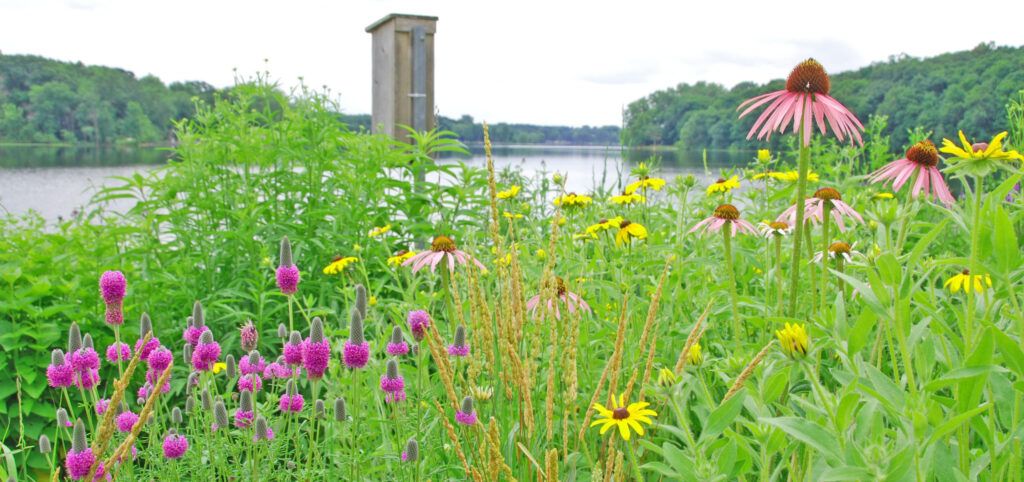
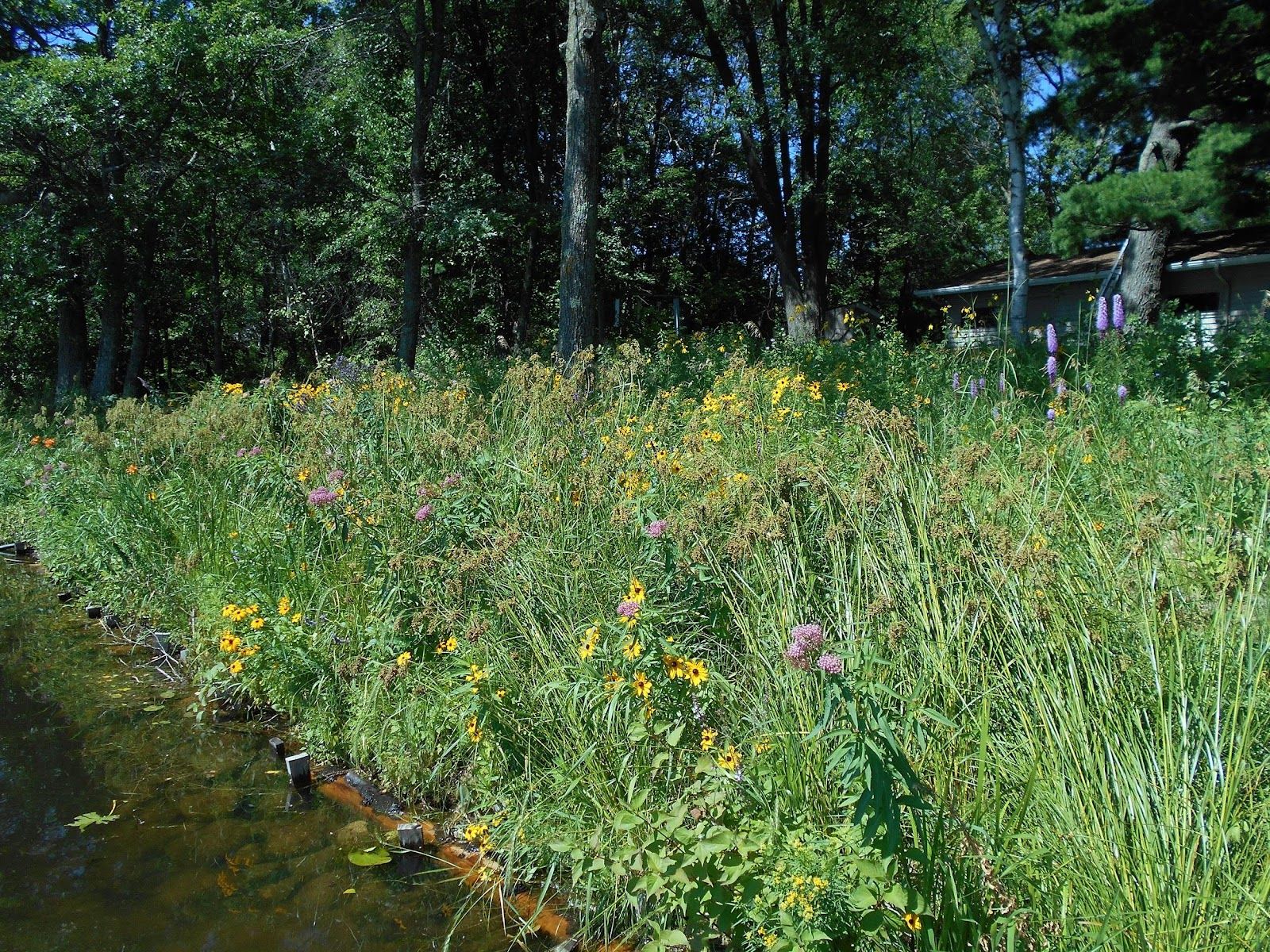
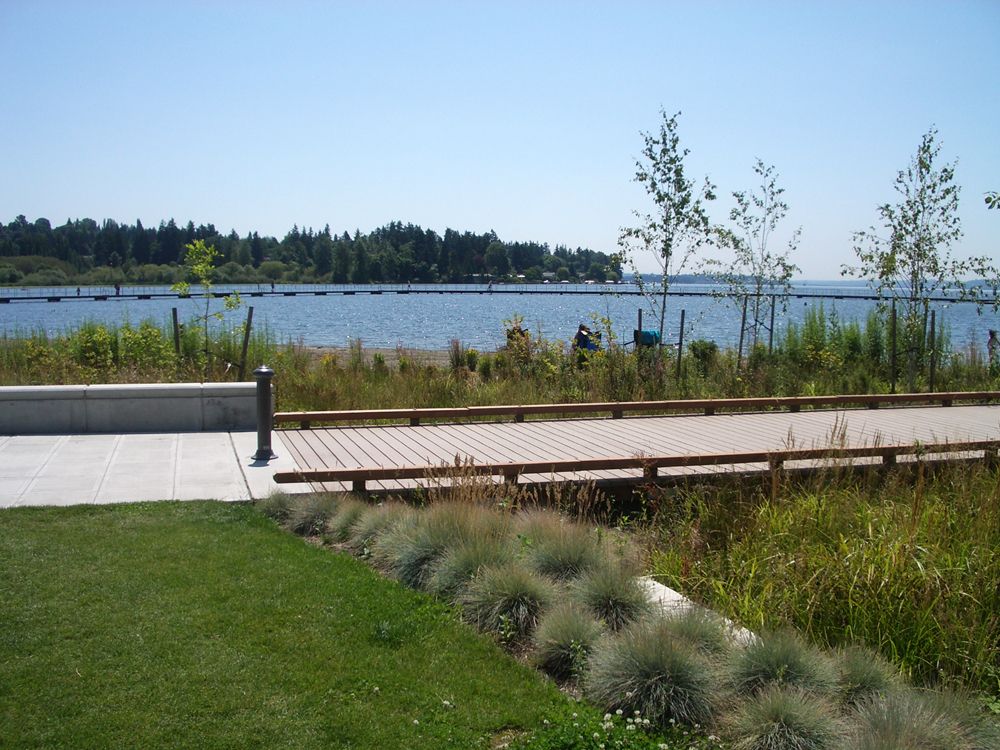
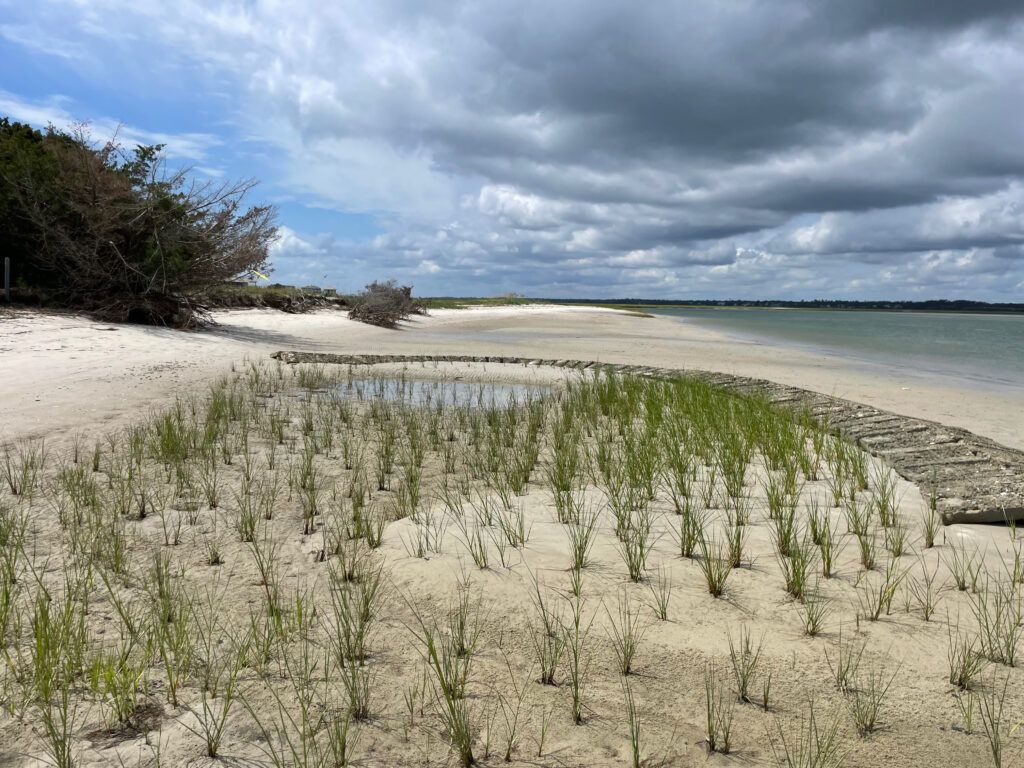
Different shoreline zones demand different plant strategies. In the upland zone, where plants rarely see standing water, consider species like eastern red cedar, which provides year-round greenery and shelter for wildlife. For the transition zone between land and water, plants like swamp milkweed and cardinal flower offer beautiful blooms while tolerating occasional flooding. The wet zone needs plants that can survive regular inundation, such as cattails and pickerel weed. These species create dense stands that filter runoff and provide habitat for aquatic life. In salt marsh areas, plants like saltmeadow cordgrass and black needlegrass tolerate high salinity and periodic tidal flooding. For shoreline trees, serviceberry and American holly offer excellent wildlife value while adapting to changing water levels. Shrubs like spicebush and elderberry provide berries for birds and structure for wildlife corridors. Groundcovers like creeping phlox and wild bergamot create attractive low-level plantings that stabilize banks. Each zone requires careful consideration of plant maturity, growth rate, and seasonal behavior. The beauty of native plant selection lies in finding combinations that complement each other while addressing specific site challenges.
Planting Strategies and Installation Tips
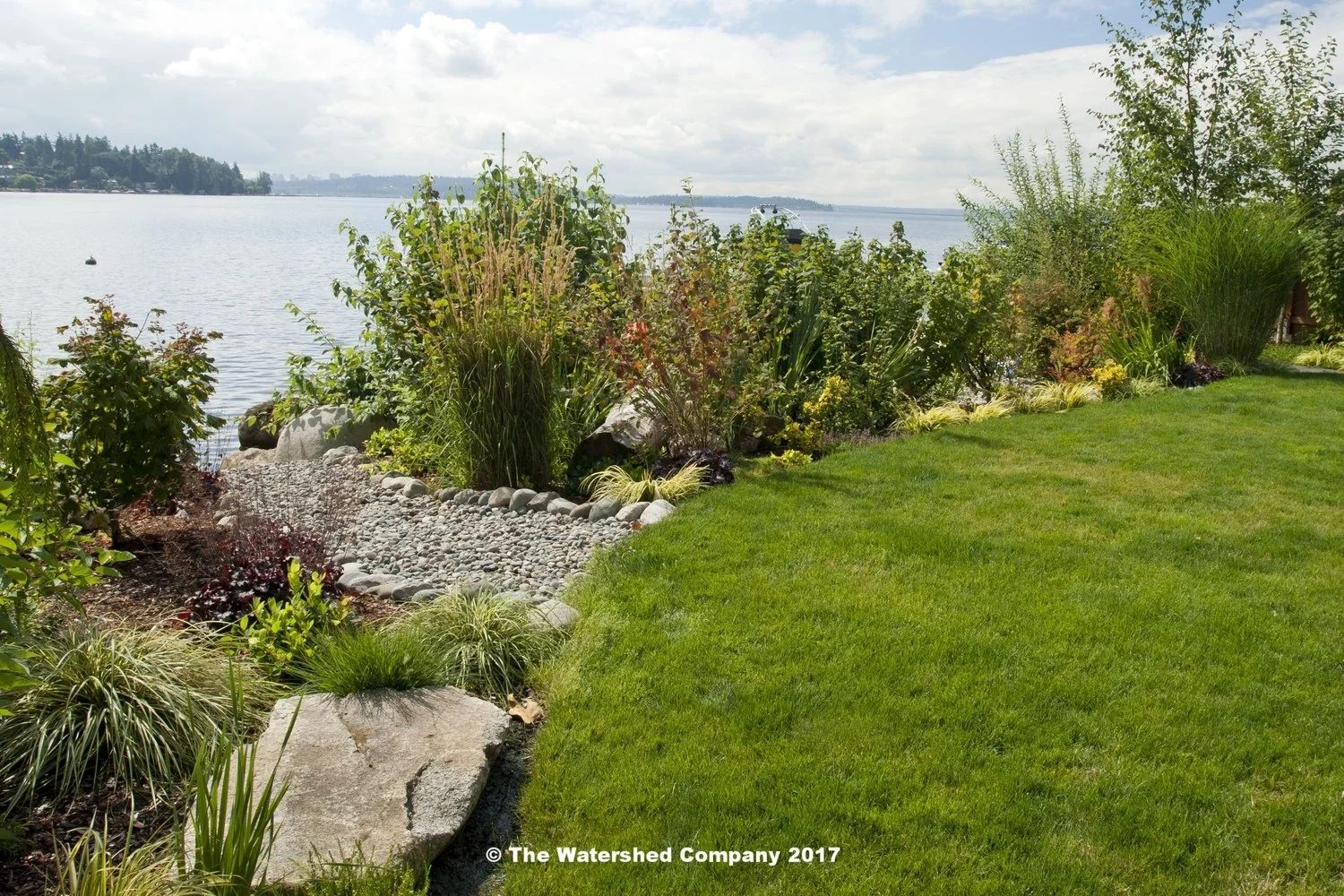
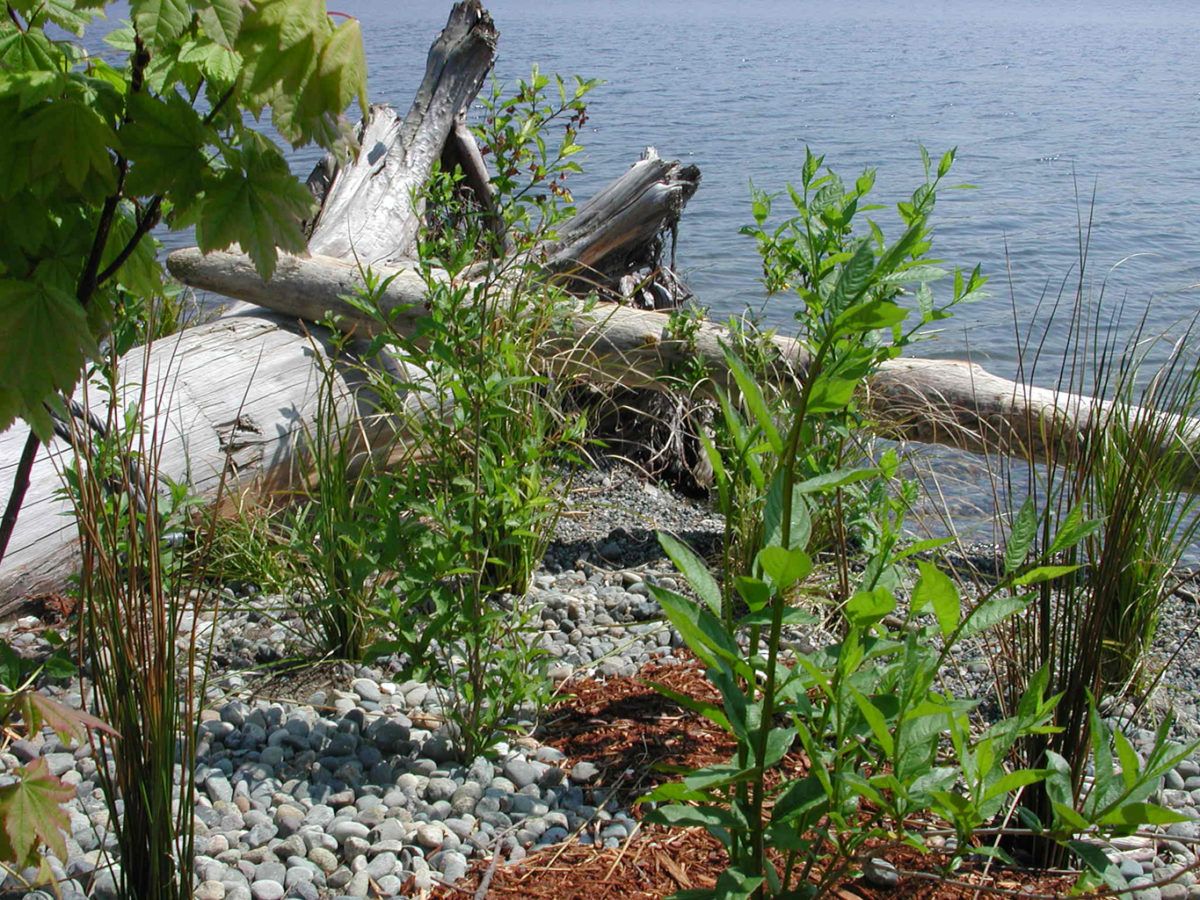
Proper planting techniques make all the difference in shoreline success. Timing matters significantly—spring and fall offer optimal conditions for establishment. Prepare the site by removing invasive species and loosening compacted soil. Create small berms or mounds to improve drainage in areas prone to standing water. Plant in groups rather than single specimens, creating more natural-looking communities. Consider using biodegradable planting containers or direct seeding for cost-effective large-scale projects. Water newly planted specimens regularly during the first growing season, but reduce frequency as plants establish. Mulching around plants helps retain moisture and suppress weeds, though avoid heavy mulch near tree trunks to prevent rot. Strategic placement considers future growth and seasonal changes. Tall plants should be positioned to provide wind protection for shorter species. Group plants with similar water and light requirements together. Think about how plants will interact with each other and with the surrounding landscape. The initial investment in proper installation pays dividends through reduced maintenance and better long-term survival rates. Remember that shoreline planting is as much about planning as it is about execution.
Maintenance and Long-term Care
Once established, native shoreline plants require minimal intervention compared to conventional landscaping. However, some basic care practices ensure continued success. Annual pruning of woody plants maintains their shape and health. Remove dead or diseased branches promptly to prevent pest problems. Monitor for signs of stress, whether from drought, flooding, or pest issues. Early detection allows for more effective treatment before problems worsen. Some plants benefit from periodic thinning to prevent overcrowding and promote air circulation. Fertilization is generally unnecessary for well-established native plants, as they’re adapted to local soil conditions. If nutrients seem lacking, consider organic compost applications rather than chemical fertilizers. Winter preparation involves understanding which plants naturally go dormant and which might need additional protection. Some species benefit from light mulching, while others prefer to remain exposed to winter conditions. Regular observation helps identify when plants need attention. Keeping detailed records of plant performance across seasons builds knowledge for future shoreline projects. The goal isn’t perfection but rather creating sustainable plant communities that require minimal intervention while providing maximum ecological benefits.
Choosing native plants for Chesapeake shoreline design represents more than a gardening choice—it’s a commitment to environmental stewardship and community well-being. These plants carry the wisdom of thousands of years of adaptation to local conditions, making them incredibly reliable choices for challenging shoreline environments. When we select species that naturally belong in our area, we’re not just beautifying our surroundings. We’re participating in larger conservation efforts that protect water quality, support wildlife populations, and build resilient ecosystems. The investment in proper plant selection and installation pays off through reduced maintenance costs and enhanced environmental benefits. Every shoreline project, whether large or small, contributes to the overall health of the Chesapeake Bay watershed. By learning to work with native plants rather than against them, we create landscapes that are both beautiful and beneficial. The journey toward mastering shoreline plant selection begins with understanding our local conditions and respecting the natural processes that make these ecosystems thrive. As you plan your next shoreline project, remember that the right native plants can transform a simple shoreline boundary into a thriving ecological corridor that benefits everyone—humans and wildlife alike.