Have you ever walked past someone’s garden and thought, ‘I wish I could create something like that’? What if I told you that transforming your outdoor space isn’t just about luck or natural talent? It’s about understanding some fundamental principles that make gardens flourish.
Every garden tells a story. Some are wild and untamed, others meticulously planned and perfectly manicured. But whether you’re starting with a blank slate or working with existing plants, there are core principles that separate good garden design from extraordinary outdoor living spaces. Think of these principles not as rigid rules, but as guidelines that help you create harmony between nature and your personal style. When you understand how light works, how plants interact, and what makes a space feel welcoming, you’re well on your way to creating an outdoor sanctuary that brings daily joy.
Understanding Your Space’s Natural Character
Before you even think about planting anything, spend time observing your outdoor area. Notice how sunlight moves across different spots throughout the day. Does one corner get full sun while another remains in shade? Do you have areas where water tends to pool after rain? These observations form the foundation of successful garden design. Consider soil type too – is it clay-heavy, sandy, or somewhere in between? Understanding these basics helps you choose plants that will actually thrive rather than struggle. For instance, if you have a particularly shady spot, don’t plant sun-loving roses. Instead, look for shade-tolerant options like hostas or ferns. The key is matching plant needs with environmental conditions. A garden that works with nature, not against it, will require less maintenance and provide more satisfaction over time.
Creating Visual Flow and Structure
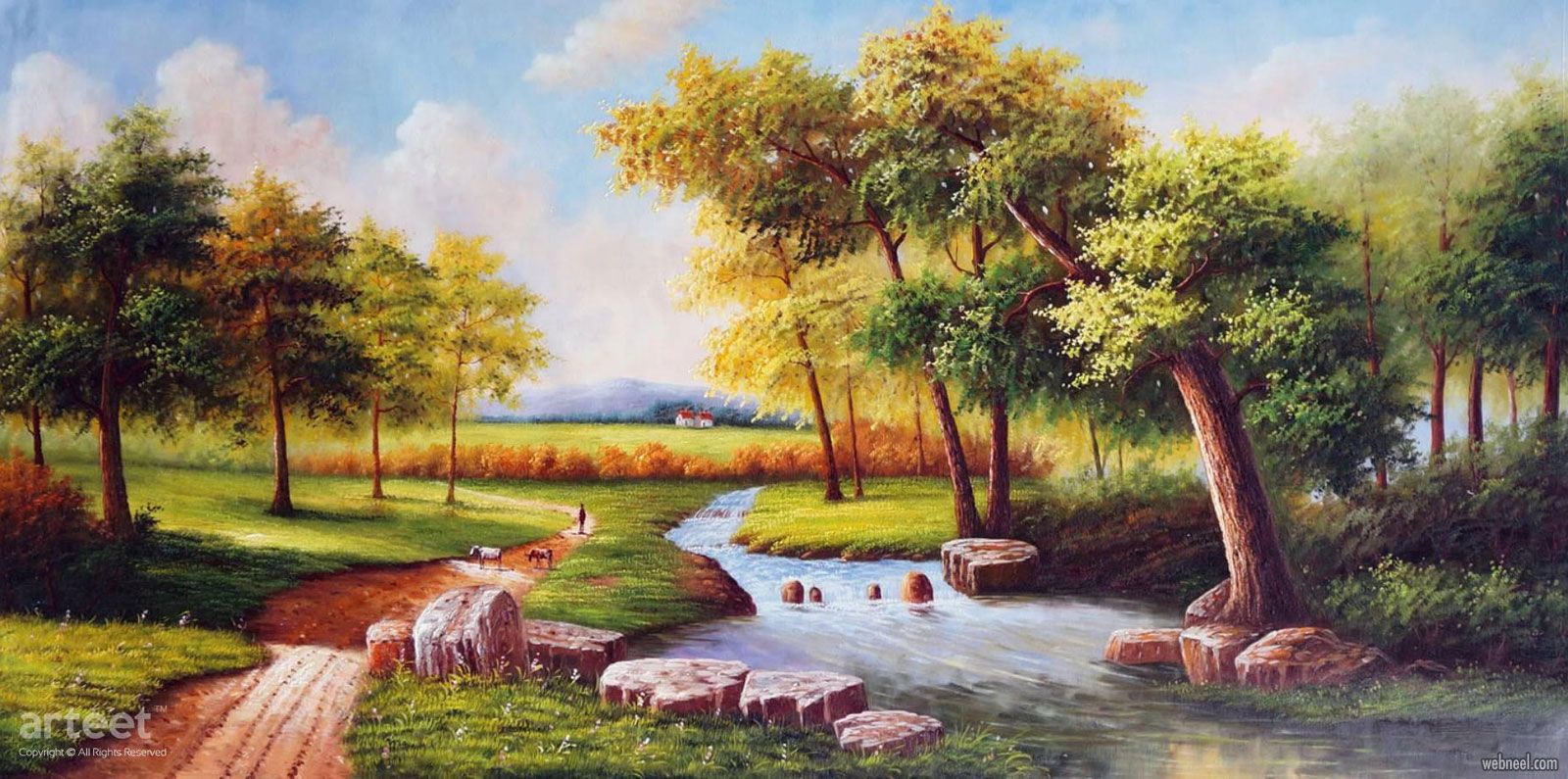
A successful garden feels like a conversation, not a chaotic jumble of elements. Think about how the eye moves through your space. Where do you want people to look first? How should they naturally progress through different areas? This concept of visual flow involves using elements like pathways, focal points, and varying heights to guide attention. Consider creating layers – tall trees or shrubs as background elements, medium-sized plants in the middle ground, and smaller flowers or groundcovers at the front. Pathways serve both practical and aesthetic purposes. They define spaces, make areas accessible, and add structure to otherwise scattered elements. Even simple gravel paths or stepping stones can transform a haphazard collection of plants into a coherent design. Sometimes, a single striking element like a sculptural tree or a colorful bench can anchor an entire area.
Plant Selection Based on Function and Form
When choosing plants, consider more than just their appearance. Ask yourself what each plant contributes to your garden’s overall function. Do you want year-round interest? Are you looking for wildlife habitat? Perhaps you need privacy or wind protection. Different plants serve different purposes. Evergreen shrubs offer structure and color in winter when everything else might be dormant. Perennials return year after year, saving you money and effort. Annuals provide seasonal bursts of color and can fill gaps in your design. Think about texture too – smooth leaves versus fuzzy ones, broad blades versus narrow strips. Mixing textures creates visual interest and prevents monotony. For example, pair the soft, feathery fronds of ornamental grasses with the bold, architectural form of a Japanese maple. This contrast makes both elements stand out more effectively.
The Magic of Color Harmony
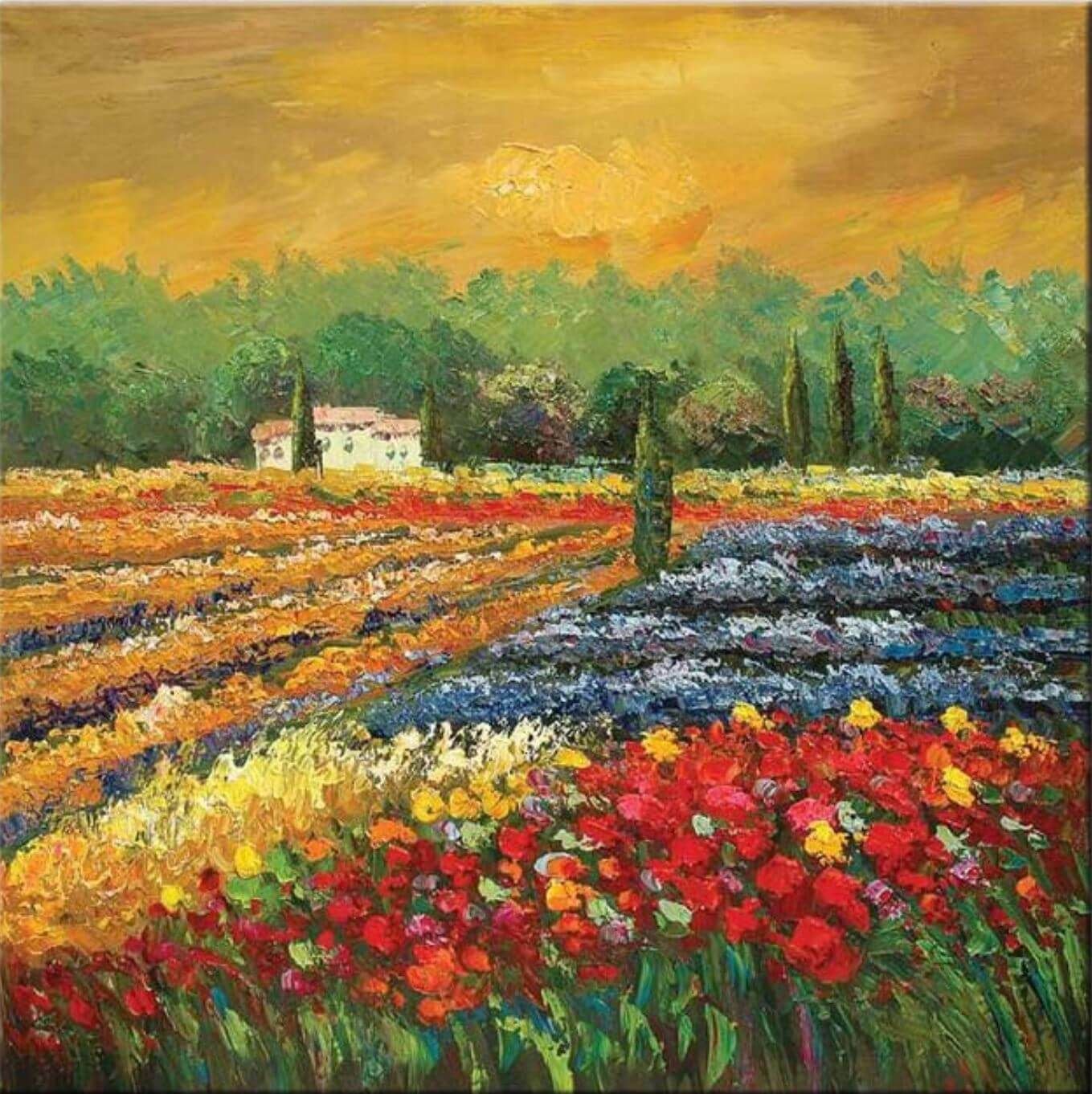
Color in gardening isn’t just about picking pretty flowers. It’s about creating emotional responses and establishing rhythm within your space. Start by understanding basic color theory. Warm colors like reds, oranges, and yellows tend to advance visually and make spaces feel cozy and inviting. Cool colors such as blues and purples recede and can create a sense of calm or spaciousness. Consider using a color wheel to plan your palette. Monochromatic schemes (different shades of one color) create elegant simplicity. Complementary colors (opposites on the wheel) provide dramatic contrast. Analogous colors (next to each other on the wheel) offer subtle harmony. But remember, not every part of your garden needs to be perfectly coordinated. Sometimes a splash of unexpected color – like a bright yellow daisy in a predominantly blue scheme – can create excitement and surprise. The key is balance and intentionality in your choices.
Seasonal Planning and Year-Round Interest
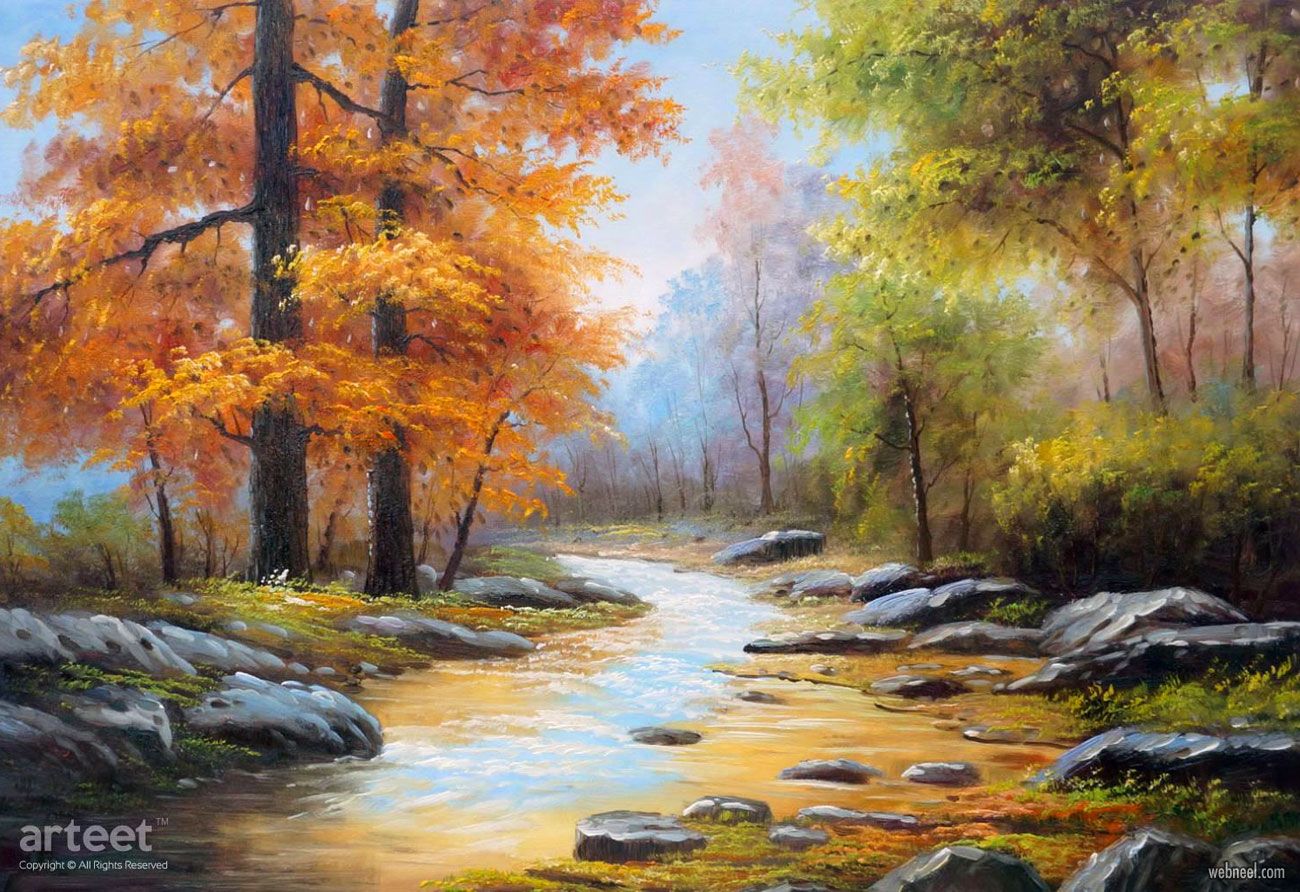
Great gardens evolve throughout the seasons, offering something beautiful no matter what time of year it is. This requires thoughtful planning ahead of time. Consider which plants bloom in spring, summer, fall, and winter. Look for plants that provide interest beyond just flowers – think bark textures, seed heads, or interesting foliage shapes. Spring bulbs like tulips and daffodils offer early color, while fall-blooming asters and chrysanthemums extend the season. Evergreens give structure during winter months when most other plants are dormant. Incorporating plants with different growth habits helps maintain visual appeal. Some plants grow quickly and fill in gaps, others are slow-growing and provide permanent structure. You can also use containers strategically to add seasonal color or move plants around as needed. This flexibility keeps your garden feeling fresh and alive throughout all twelve months.
Practical Considerations for Long-Term Success
Designing a garden is one thing, maintaining it is another. Practical aspects determine whether your vision becomes reality. Water access matters significantly – you’ll want easy access to irrigation, especially in hot climates. Plan for drainage issues before they become problems. Good soil preparation is non-negotiable. Most plants struggle in compacted or poorly drained soil, regardless of how beautiful they might be. Consider accessibility too – how will you reach all areas for maintenance? Paths should be wide enough for wheelbarrows or garden tools. Think about maintenance requirements of each plant. Some require regular pruning, others are low-maintenance once established. Budget for ongoing care including fertilizing, pest control, and seasonal cleanup. A well-designed garden that’s impossible to maintain won’t last long. The best designs are those that work with your lifestyle and capabilities.
Transforming your outdoor space into a lush garden isn’t just about following trends or buying expensive plants. It’s about understanding the relationship between environment, design, and growth. When you start with careful observation and thoughtful planning, you’re already ahead of the game. Remember that great gardens develop over time – they’re not created overnight. Be patient with your plants, learn from what works and what doesn’t, and celebrate small victories along the way. Whether you’re creating a small container garden on a balcony or redesigning your entire backyard, these principles will guide you toward success. The reward isn’t just a beautiful garden, but a deeper connection with the natural world and a space that truly reflects your personality and lifestyle.