Every garden is unique. What works for one backyard might fail spectacularly in another. The truth is, the most successful gardens aren’t just about following recipes. They’re about understanding your specific situation and adapting accordingly. This isn’t just about having the right tools or the perfect location. It’s about creating solutions that match your soil type, weather patterns, plant choices, and even your lifestyle.
Think about your last gardening attempt. Did you follow a guide from a magazine or website? Maybe you picked up some advice from a neighbor who seemed to have everything figured out. But then something went wrong. Perhaps your tomatoes didn’t grow, your flowers looked sad, or your vegetables were never quite right. If you’ve experienced this frustration, you’re not alone. Many gardeners struggle because they’re trying to fit their situation into a one-size-fits-all solution. The secret lies in personalizing your approach. Instead of asking ‘what should I do?’, ask ‘what does my garden actually need?
Understanding Your Soil Conditions
Soil is the foundation of everything in your garden. It’s not just dirt – it’s a living ecosystem that affects how well your plants thrive. You might think you know your soil, but there’s more to it than meets the eye. A simple visual inspection won’t tell you if it’s too acidic, lacks nutrients, or has drainage issues. Start by testing your soil pH using a home kit or sending samples to a lab. Different plants prefer different soil conditions. Tomatoes love slightly acidic soil around 6.0 to 6.8, while blueberries need soil that’s much more acidic at 4.5 to 5.5. Roses prefer neutral to slightly alkaline soil between 6.0 and 7.0. Once you know your soil’s characteristics, you can make informed decisions about amendments and plant selections. Consider adding compost to improve structure and nutrient content. If drainage is poor, raised beds or container gardening might be your best bet. Sometimes the solution isn’t about changing everything, but about working with what you have.
Climate-Specific Plant Selection
What grows well in Florida probably won’t survive in Alaska. This seems obvious, but many gardeners still make this mistake when planning their spaces. Your local climate zone determines not just what plants can live there, but also when and how they’ll grow. The USDA hardiness zones give a general idea, but microclimates within your own yard can vary significantly. A south-facing wall creates a warmer pocket, while a low-lying area might collect cold air. When choosing plants, consider more than just their hardiness zones. Look at their water needs, sun exposure requirements, and growth habits. For instance, drought-tolerant varieties like lavender and sedum are excellent choices for hot, dry climates. In humid areas, focus on plants that resist fungal diseases. Native plants often provide the best starting point because they’ve adapted to your region’s conditions over thousands of years. They require less water, fewer pesticides, and generally perform better than exotic species. Ask yourself: what can really thrive in my specific area, and what can I reasonably expect to maintain?
Water Management Strategies
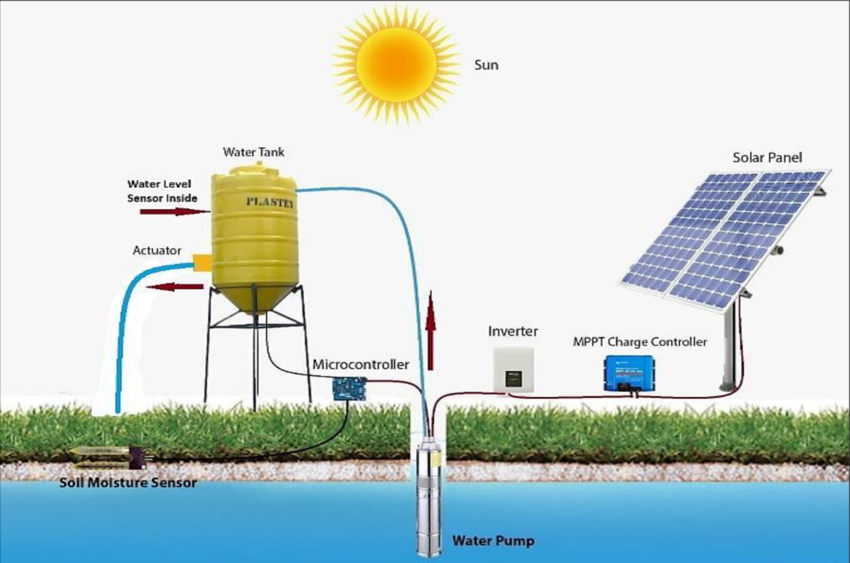
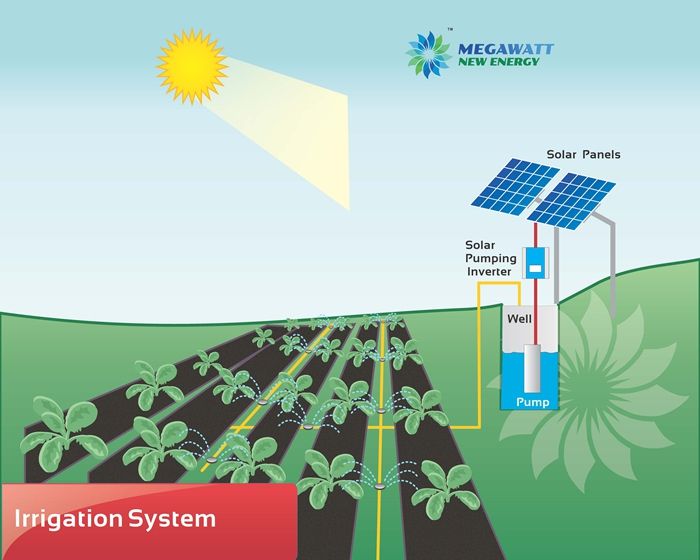
Water is one of the most critical factors in garden success. Too much or too little can kill plants faster than almost anything else. The key is understanding your water needs and creating systems that meet them efficiently. Start by observing your garden during different seasons. Notice how quickly the soil dries out after rain or watering. Do certain areas stay soggy while others feel bone dry? These observations will guide your irrigation strategy. Drip irrigation systems deliver water directly to roots, reducing waste and preventing leaf diseases. Soaker hoses work well for rows of vegetables. For larger areas, consider installing a smart irrigation controller that adjusts based on weather conditions. Mulching helps retain moisture and regulate soil temperature. Organic mulches like straw, wood chips, or shredded leaves break down over time, adding nutrients to the soil. Water deeply but less frequently to encourage strong root development. Deep watering once a week is often better than shallow daily sprinkling. Pay attention to seasonal changes too – plants need more water during hot summer months and less during cooler winter periods.
Seasonal Planning and Timing
Gardening isn’t just about planting things in spring and hoping for the best. Successful gardeners plan ahead for each season. Understanding when to plant what, and how to prepare for different weather patterns, makes all the difference. Spring is the time for cool-season crops like lettuce, peas, and spinach. These can handle frost and actually prefer cooler temperatures. Summer brings heat-loving vegetables like tomatoes, peppers, and squash. Plan succession plantings to ensure continuous harvests. Fall is perfect for root vegetables and some greens that thrive in cooler weather. Winter might seem like a dead season, but it’s actually crucial for preparing your garden for next year. Clean up spent plants, add compost, and plan what you want to grow in the coming season. Some plants benefit from being started indoors, while others are better planted directly in the ground. Knowing when to plant each variety prevents disappointment and maximizes productivity. Consider using season extension techniques like cold frames or row covers to protect tender plants. Keeping a garden journal helps track what worked and what didn’t, making future planning easier.
Natural Pest and Disease Control
Pests and diseases can devastate a garden in days, but they don’t have to be your biggest challenge. Prevention is always better than cure, and natural approaches often work better than chemical treatments. Start by encouraging beneficial insects like ladybugs, lacewings, and parasitic wasps. Plant flowers like marigolds, cosmos, and dill to attract these helpful creatures. Companion planting can also deter pests naturally. Basil repels flies and mosquitoes, while chives help ward off aphids. Regular monitoring helps catch problems early before they spread. Look for signs of damage, unusual spots on leaves, or strange growth patterns. Early intervention is key to keeping infestations small. Organic sprays made from neem oil or soap can control many common pests. For diseases, ensure good air circulation around plants and avoid overhead watering. Remove infected leaves immediately to prevent spreading. Crop rotation helps reduce soil-borne diseases by preventing the buildup of pathogens. Sometimes, the best pest control is simply choosing resistant varieties of plants. These may cost a bit more initially, but they save time and effort later on.
Adapting to Your Lifestyle and Schedule
Even the most perfect garden plan fails if it doesn’t fit your life. Consider how much time you can realistically spend tending to your garden. A large vegetable garden might produce amazing results, but it also requires significant maintenance. If you work long hours or travel frequently, a smaller, low-maintenance garden might be more suitable. Container gardening allows flexibility for those with limited space or busy schedules. Choose plants that match your energy levels and available time. Evergreen shrubs and perennials require less attention than annual flowers. Self-seeding plants can reduce replanting efforts. Think about automation options like drip irrigation timers or automatic feeders. Some gardeners prefer a few favorite plants they can care for intensively, while others want a diverse collection that provides regular rewards. The goal isn’t to have the most impressive garden, but the most manageable one that brings you joy. Consider what kind of garden you actually want to maintain long-term, not just what looks good in photos.
Creating personalized garden solutions isn’t about following rigid rules or copying someone else’s success. It’s about understanding your unique situation and making thoughtful choices that work for you. Whether you’re dealing with challenging soil, unpredictable weather, or a busy schedule, there are ways to make your garden thrive. Start small, observe carefully, and adjust as needed. Remember that gardening is a learning process. Every season teaches something new. The most important thing isn’t to get everything right the first time. It’s to keep experimenting, adapting, and finding what truly works for your space, your plants, and your life. Your garden is a reflection of you – and when it matches your needs perfectly, it becomes a source of satisfaction and pride rather than stress and frustration. The magic happens when you stop trying to force nature into your plans and instead let your garden grow according to its own rhythm and your own wisdom.