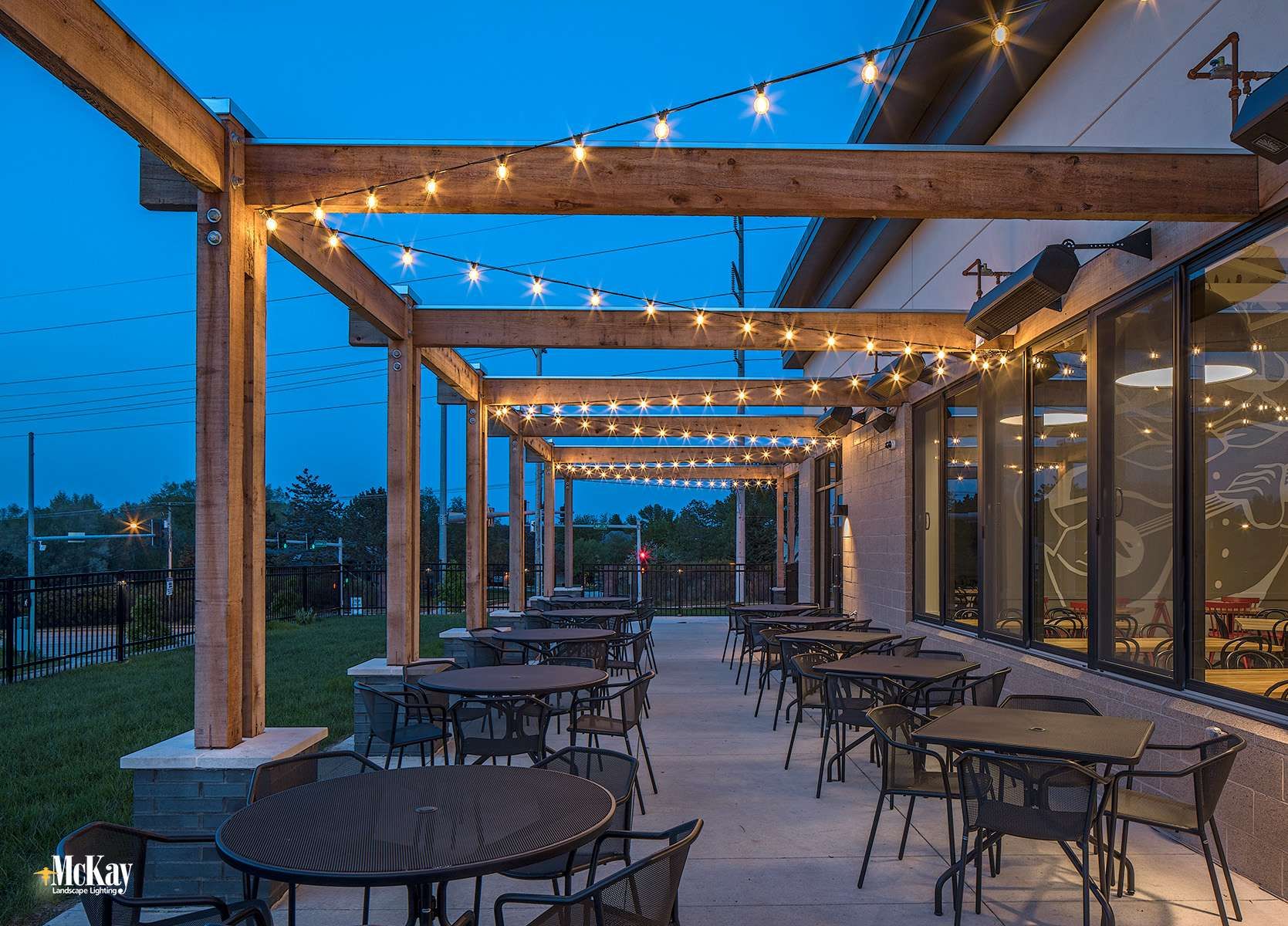
What if your outdoor space could be more than just a place to grill burgers? What if it could become your personal retreat, entertainment hub, and even workspace? The modern approach to outdoor living goes far beyond simple landscaping and patio furniture. It’s about creating immersive experiences that seamlessly blend indoor comfort with natural beauty.
The way we think about our outdoor spaces has completely shifted over the past decade. Gone are the days when the backyard was simply a place for children to play or a spot to tend to a garden. Today’s outdoor living is about maximizing every inch of usable space while creating environments that feel both sophisticated and inviting. Whether you have a sprawling estate or a tiny urban balcony, there are countless ways to expand your outdoor experience. The key lies in thinking creatively about how to utilize vertical space, incorporate smart technology, and design for multiple uses.
Maximizing Limited Spaces
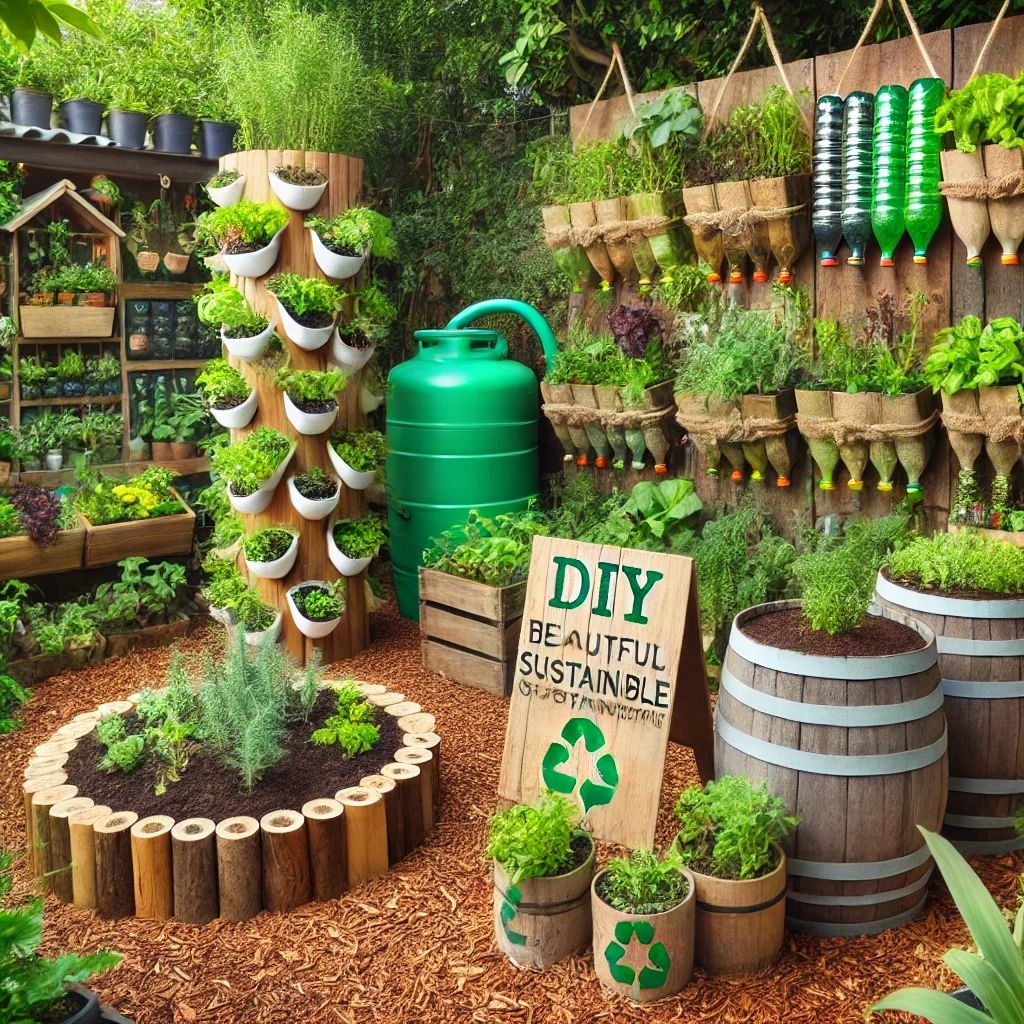
Small spaces don’t mean small dreams. Urban dwellers and those with compact lots can still create impressive outdoor experiences. Consider multi-functional furniture like storage benches that double as seating, or dining tables that fold away when not in use. Vertical gardening solutions transform walls into productive green spaces. Even a small balcony can become a personal oasis with clever use of hanging planters, tiered shelving units, and compact seating arrangements. The secret is planning for flexibility and choosing pieces that serve multiple purposes.
Smart Technology Integration
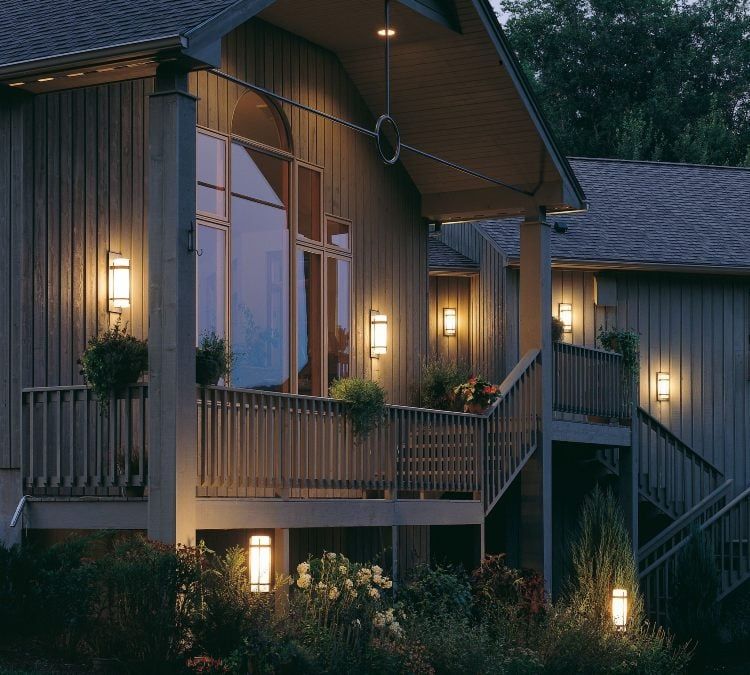
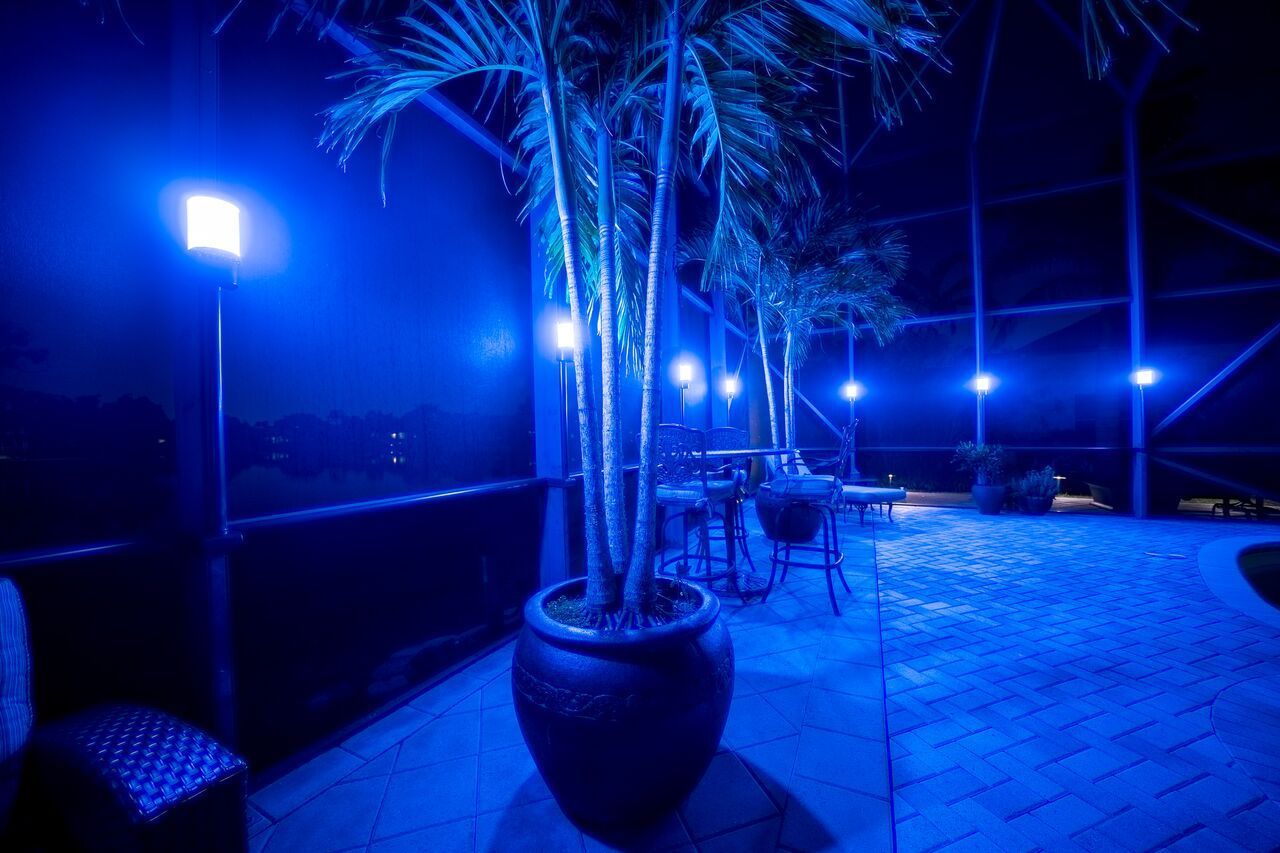
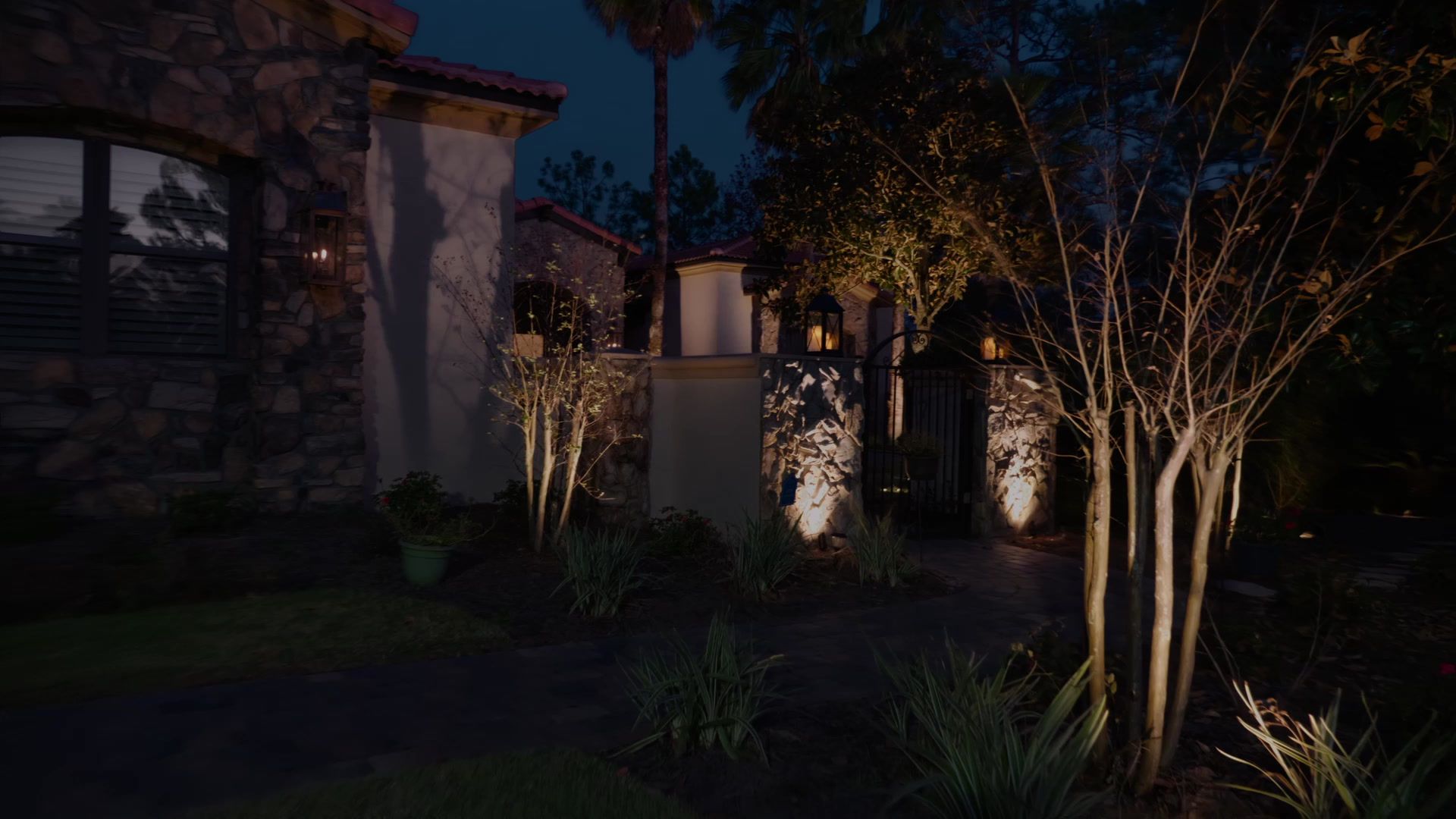
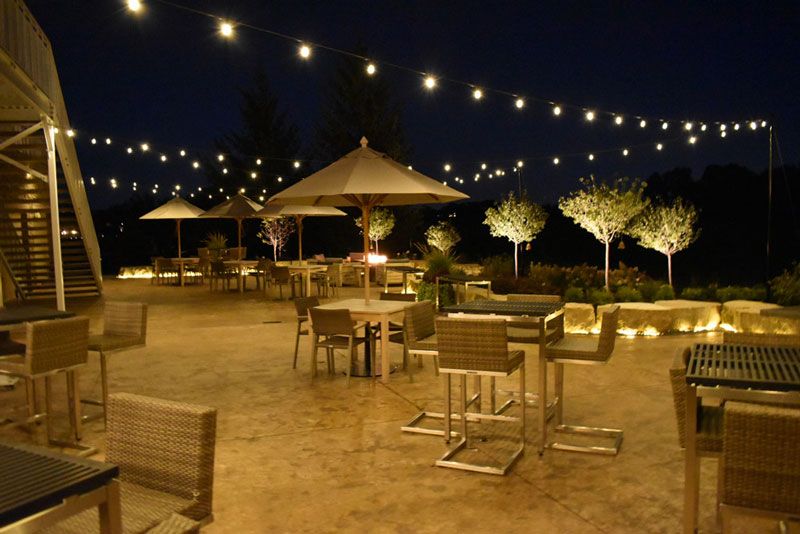
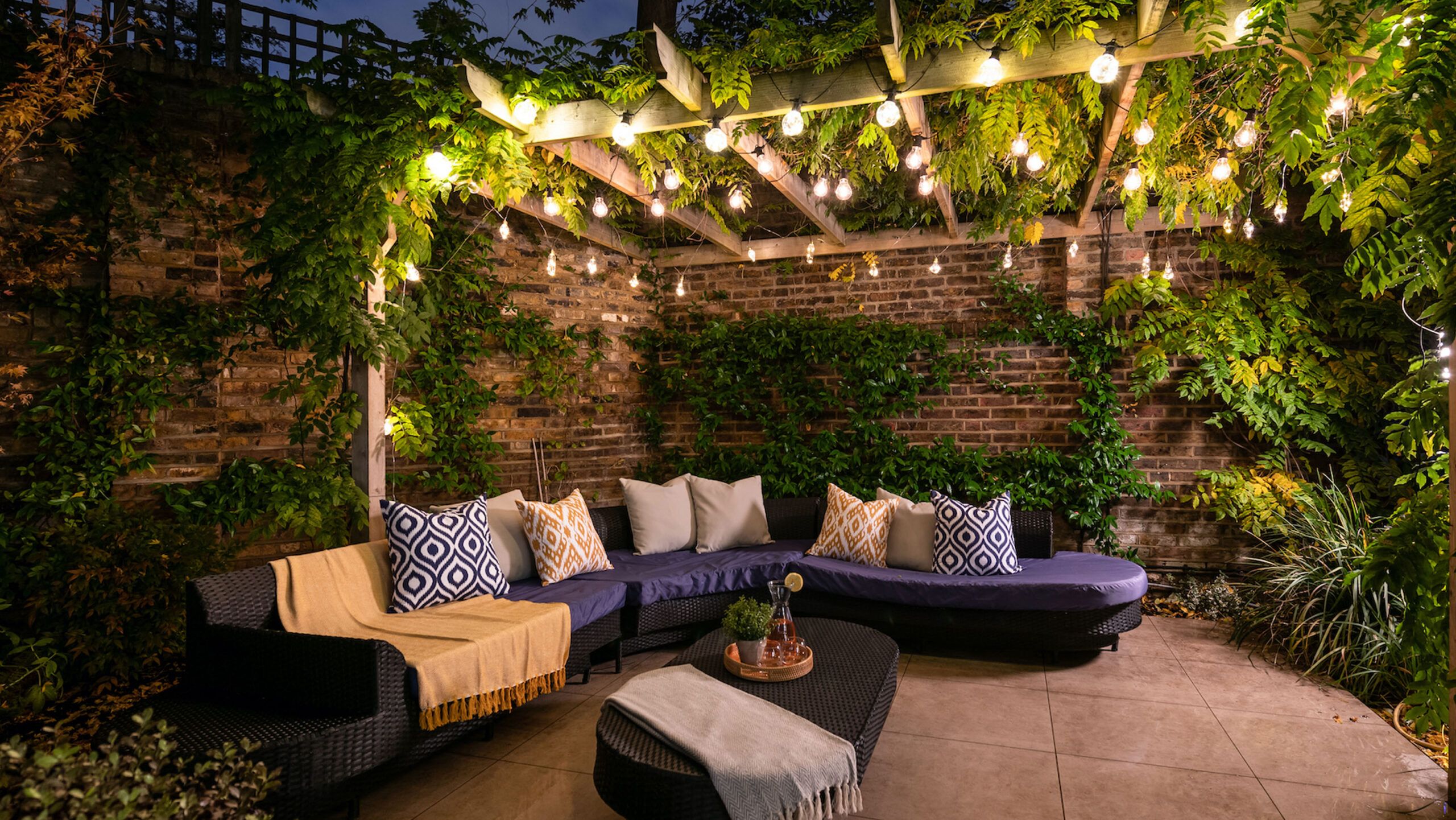
Modern outdoor living benefits tremendously from smart home technology. Automated lighting systems that respond to ambient light levels can create dramatic effects without constant manual adjustments. Smart irrigation systems ensure plants receive exactly what they need while saving water. Weather-resistant speakers allow you to enjoy music throughout your outdoor space. Some innovative systems even integrate with your smartphone, letting you control everything from temperature to lighting remotely. These technologies don’t just add convenience – they enhance the entire experience of spending time outdoors.
Creating Multi-Functional Areas
The best outdoor spaces serve different purposes throughout the day and seasons. A single area might function as a morning coffee spot, afternoon reading nook, evening dining area, and weekend entertaining space. This versatility requires careful consideration of layout and furniture selection. Modular designs allow areas to be reconfigured easily. Consider installing retractable screens for weather protection, or using movable partitions to define different zones within one large space. The goal is to make each area feel purposeful while maintaining overall flexibility.
Natural Materials and Textures
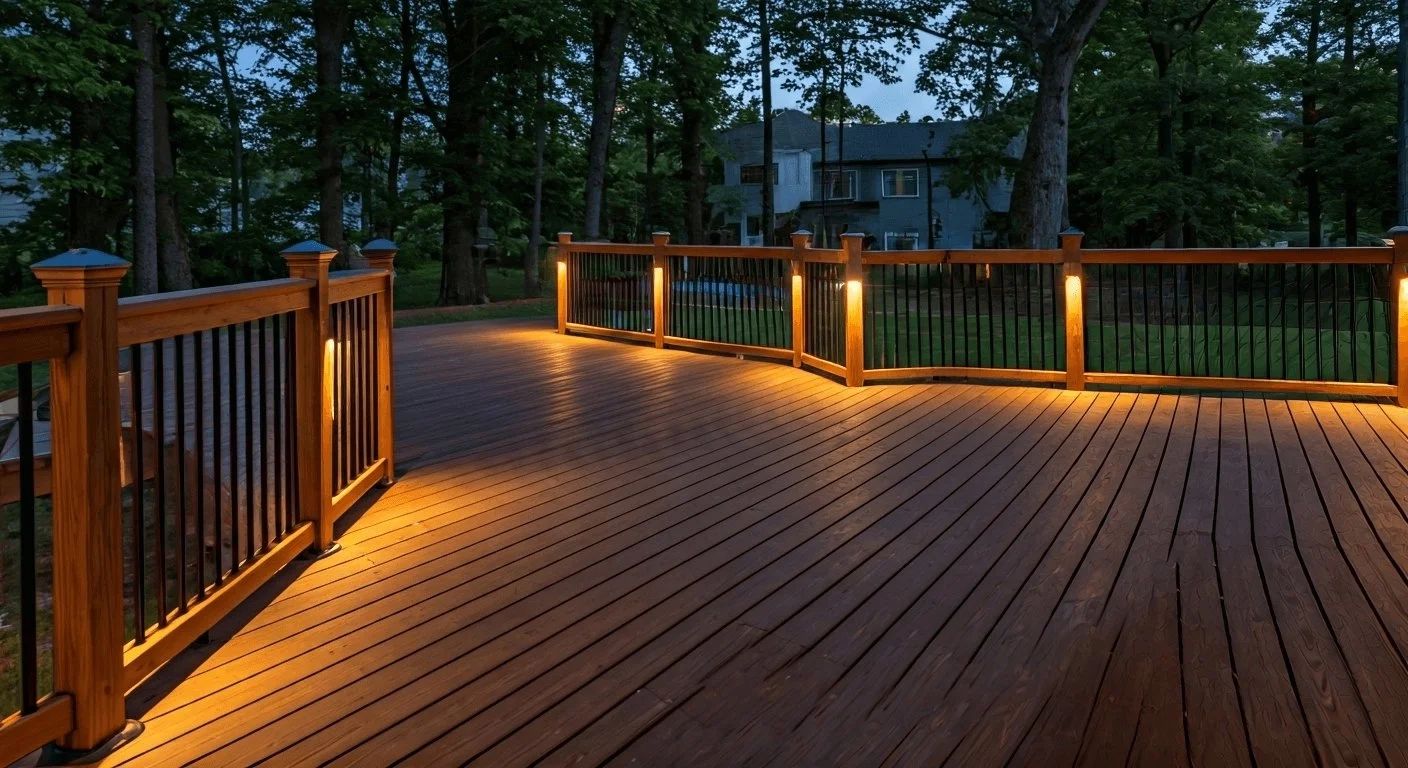
The most successful outdoor spaces embrace natural elements rather than fighting against them. Wood, stone, and metal work together to create warmth and visual interest. Natural textures provide tactile appeal that makes spaces feel more lived-in and welcoming. Stone pathways create defined walking routes, while wood decking offers comfortable surfaces for relaxation. Metal accents can add industrial chic, while plants bring life and color. Combining these materials thoughtfully creates layers of interest that make outdoor spaces feel substantial and well-designed rather than casual or temporary.
Seasonal Adaptability
Great outdoor living spaces adapt to changing conditions throughout the year. This means having options for different weather scenarios and seasonal activities. During winter months, consider adding heating elements like fire pits or outdoor heaters. Summer needs might include shade solutions like umbrellas, pergolas, or retractable awnings. Storage solutions keep seasonal items out of sight when not needed. Planning ahead for seasonal changes ensures that your outdoor space remains useful and enjoyable all year round. The investment in adaptable features pays dividends in extended usability.
Privacy and Seclusion Solutions
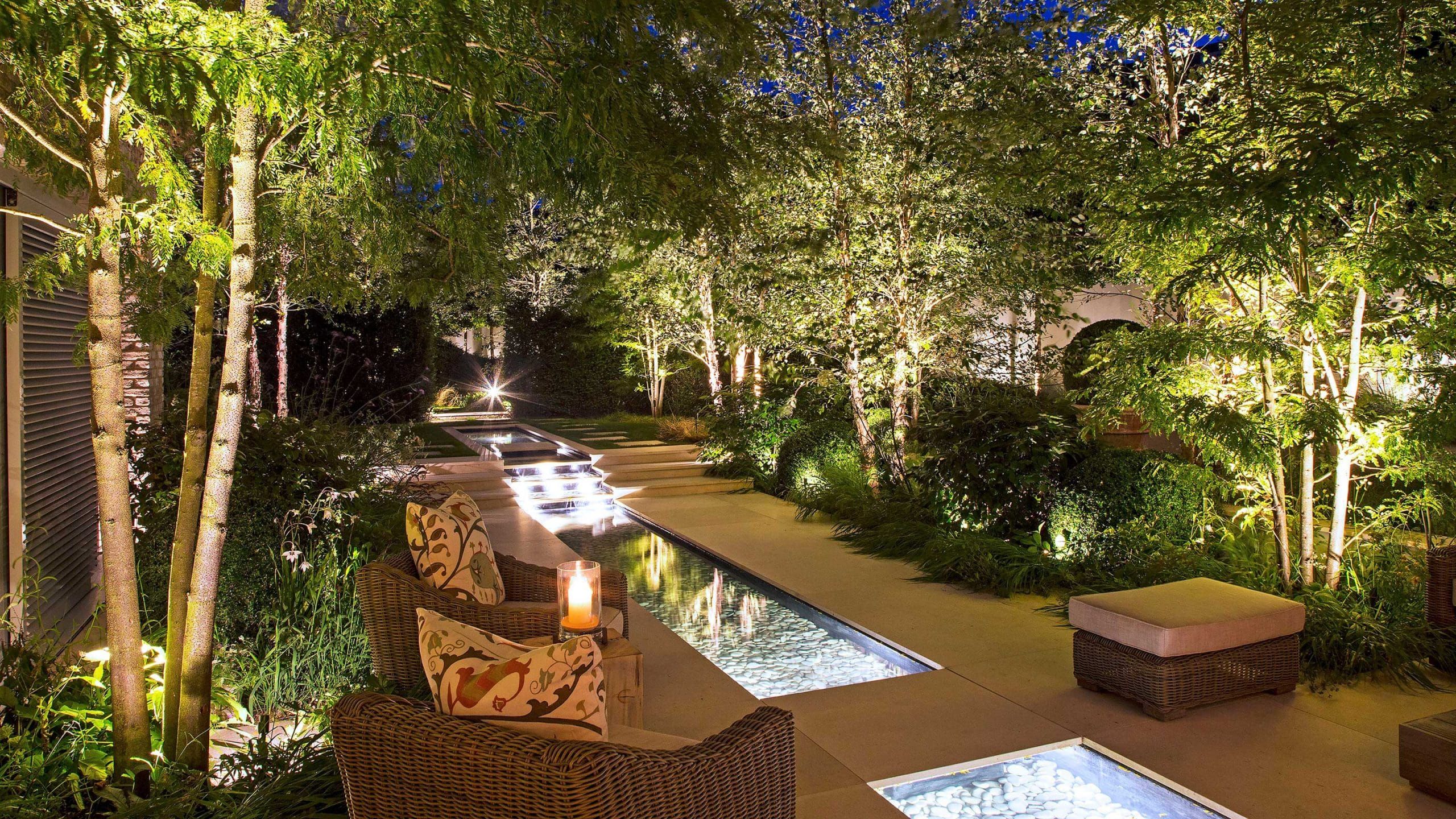
Creating intimate spaces within larger outdoor areas often comes down to privacy. Plants, especially dense shrubs and trees, offer natural screening while enhancing beauty. Privacy screens, whether made from wood, bamboo, or fabric, can be positioned strategically to block unwanted views. Water features create natural sound barriers and add visual interest. Even simple techniques like positioning furniture to create visual boundaries can significantly improve the feeling of seclusion. The right combination of these elements helps transform public outdoor space into private retreats.
Expanding your outdoor living experience isn’t about building bigger or spending more money. It’s about thoughtful design, creative problem-solving, and embracing the unique opportunities your space presents. Every home, regardless of size or location, can benefit from intentional outdoor improvements. The key is starting small, experimenting with different approaches, and gradually building upon what works. Whether you’re looking to create a new dining area, add a relaxing sitting space, or simply make better use of existing areas, these strategies provide a foundation for transforming your outdoor environment. The goal isn’t perfection, but rather creating spaces that truly reflect your lifestyle and preferences.