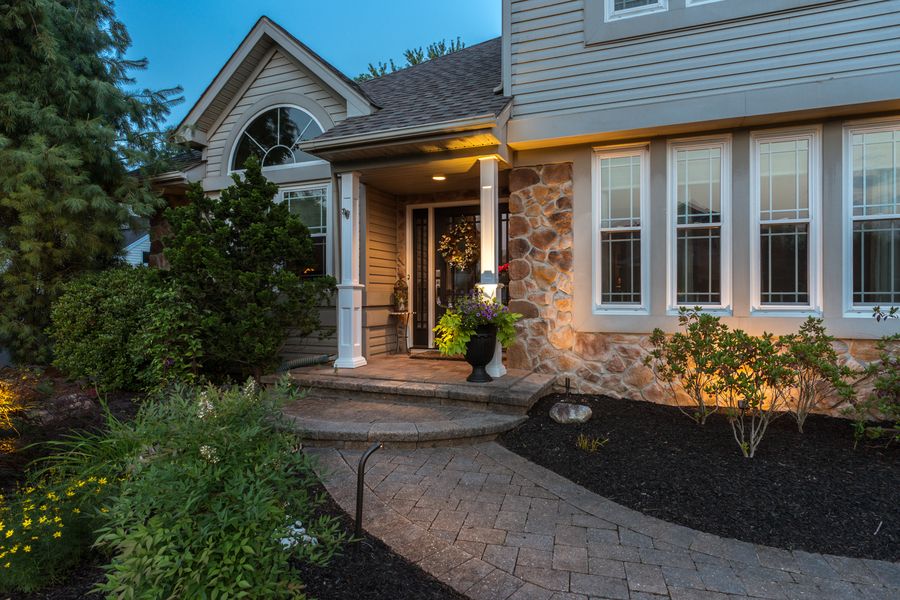
Annapolis isn’t just a beautiful coastal city – it’s a place where weather shifts dramatically throughout the year. From crisp winter mornings to humid summer evenings, your landscape lighting needs to adapt. This isn’t just about aesthetics anymore; it’s about functionality, safety, and making the most of every season.
If you’ve ever walked through Annapolis neighborhoods in different seasons, you know there’s something magical about how light transforms the cityscape. But when we talk about landscape lighting, we’re not just talking about pretty lights. We’re talking about creating safe pathways, highlighting beautiful features, and ensuring your outdoor spaces work well no matter what Mother Nature throws at them.
The challenge comes when you realize that Annapolis’s weather patterns change significantly from season to season. What works perfectly in spring might not cut it during the harsh winter months. And let’s be honest – nobody wants their carefully planned lighting to fail because of a sudden storm or unexpected frost.
This guide dives deep into how to make your landscape lighting shine all year round, regardless of whether you’re dealing with freezing rain or blazing summer sun.
Understanding Annapolis’s Seasonal Weather Shifts
Before we dive into lighting solutions, it’s important to understand what we’re working with. Annapolis experiences four distinct seasons, each bringing its own challenges and opportunities for outdoor lighting.
Spring and Fall: These transitional seasons bring moderate temperatures but unpredictable weather. You’ll see more frequent rain showers and changing daylight hours. The key here is flexibility in your lighting approach.
Summer: Hot and humid with longer days. This means more intense UV exposure for your fixtures and potentially more electrical issues due to heat.
Winter: Cold, wet, and often snowy. Your lighting system faces the toughest conditions with frozen ground, ice accumulation, and shorter daylight hours.
What makes this particularly interesting is how these seasons affect light quality and visibility. During winter months, the sun sets earlier and rises later, meaning your lights need to work harder to provide adequate illumination. In summer, the intense sunlight can actually make your lights less noticeable unless you plan strategically.
Consider how the weather affects the way light travels through the air. In winter, fog and moisture can reduce visibility, while summer humidity might cause certain materials to deteriorate faster. Understanding these patterns helps you choose better fixtures and placement strategies.
Choosing the Right Fixtures for Year-Round Performance
Not all lighting fixtures are created equal, especially when you’re dealing with Annapolis’s variable climate. Here are some key factors to consider:
• Weather Resistance Ratings: Look for fixtures rated IP65 or higher for outdoor use. These can handle splashing water and dust effectively.
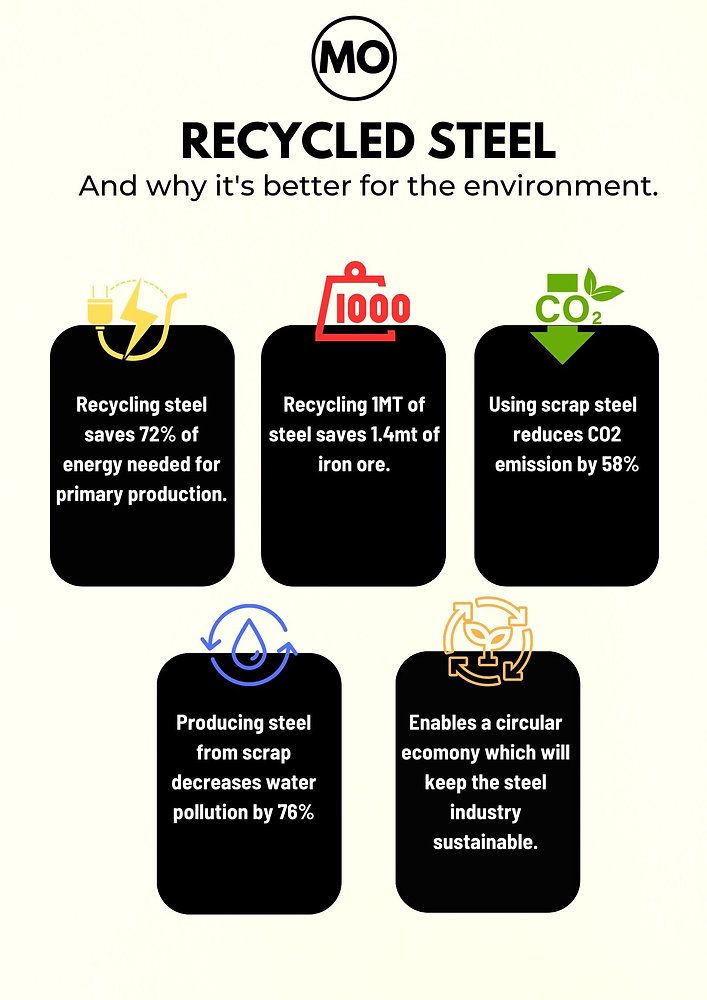
• Material Selection: Aluminum and stainless steel tend to hold up better in salt air environments like Annapolis. Avoid galvanized metals that can rust quickly.
• LED Technology: LED bulbs last longer and produce less heat than traditional bulbs, making them ideal for both hot summer days and cold winter nights.
• Dimming Capabilities: Having adjustable brightness allows you to adapt lighting levels based on seasonal needs.
One common mistake homeowners make is choosing fixtures based purely on appearance rather than durability. For example, decorative string lights might look lovely, but they’re not built to withstand salt spray or freeze-thaw cycles. Instead, invest in fixtures specifically designed for coastal environments.
Real-world experience shows that fixtures with proper seals and corrosion-resistant materials can last twice as long as cheaper alternatives. When planning your landscape lighting, think about replacement costs over time, not just initial investment.
Planning Light Placement Around Seasonal Changes
Where you put your lights matters as much as what you put there. Seasonal adjustments to placement can make the difference between functional and frustrating lighting.
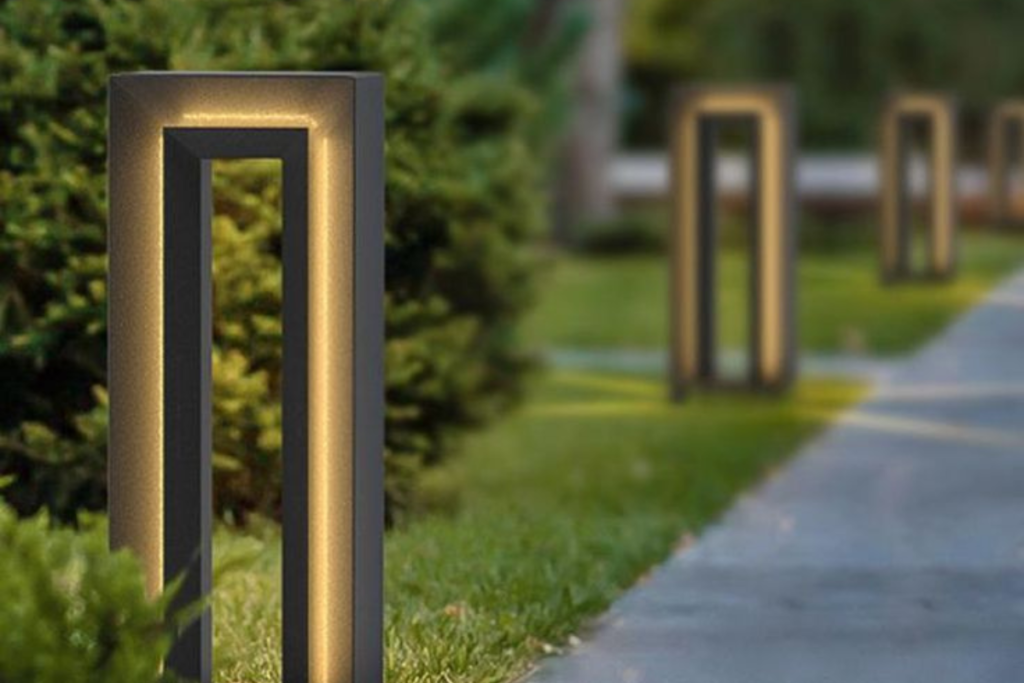
In winter, you might want to increase the height of some fixtures to avoid snow accumulation. Ground-level lights can become buried in snow, reducing their effectiveness. Consider installing lights slightly higher or using taller posts.
During summer, the angle of sunlight becomes crucial. If you have lights near trees, you may need to adjust their positioning as leaves change throughout the growing season. A good rule of thumb is to position lights so they illuminate areas even when vegetation blocks direct light.
Spring and fall present unique challenges. As plants grow or shed leaves, the way light hits surfaces changes. This is why having adjustable fixtures or multiple lighting zones is so helpful.
Think about the path you take through your yard. In winter, you might want extra lighting around steps or icy spots. Summer might call for more ambient lighting around seating areas. The key is designing with flexibility in mind.
Some homeowners find success in creating layered lighting systems – general illumination, accent lighting, and task lighting that can be adjusted based on the season.
Managing Power and Electrical Considerations
Electrical systems face unique stressors in Annapolis’s climate. Understanding these will help you avoid costly repairs and ensure reliable performance.
Temperature Fluctuations: Extreme temperature changes can cause expansion and contraction in electrical components. This is why it’s essential to use weatherproof electrical connections and proper conduit protection.
Humidity and Moisture: High humidity in summer and potential ice formation in winter can damage electrical connections if not properly sealed.
Storm Season Preparation: Annapolis gets its share of severe weather events. Having surge protectors and GFCI outlets can prevent damage from lightning strikes or power surges.
A smart approach involves installing lighting systems with separate circuits for different areas. This way, if one zone experiences problems, others continue functioning. It also makes maintenance easier when you need to service specific sections.
Many professionals recommend using low-voltage systems for outdoor lighting. They’re safer, more energy-efficient, and less prone to weather-related issues than high-voltage options. Just make sure your transformer can handle the load for your entire system.
Don’t forget about backup power options. Some systems incorporate battery backups or solar panels that can keep critical lighting operational during power outages.
Maintaining Your Lighting System Through All Seasons
Even the best lighting systems require regular attention to perform optimally. Maintenance routines should vary by season.
Spring Maintenance: Clean off any debris that accumulated over winter. Check for damage from freezing conditions and replace any broken components. This is also a good time to inspect electrical connections.
Summer Care: Remove any dirt or pollen buildup on fixtures. Check that lights are still properly aimed. Summer’s humidity can cause certain materials to deteriorate faster, so pay extra attention to weatherproofing.
Fall Prep: Before winter arrives, do a thorough inspection. Clean all fixtures and check that they’re secure against wind. This is especially important for overhead fixtures that might be affected by falling branches.
Winter Attention: Clear snow and ice from fixtures when possible. Check that lights are still functioning after freezing conditions. Winter’s salt from roads can be particularly damaging to metal components.
Regular maintenance prevents small issues from becoming major problems. Many homeowners discover that a simple monthly check-up saves them from expensive emergency repairs later.
Professional maintenance services can be worth the investment, especially for complex systems. They can spot issues before they become visible problems and suggest improvements based on seasonal trends.
Creative Solutions for Seasonal Lighting Challenges
Sometimes the best approach to seasonal lighting challenges is thinking outside the box. Here are some innovative approaches that many Annapolis residents have adopted:
• Adjustable Mounting Systems: These allow you to reposition lights seasonally. Some systems use flexible arms or swivel mounts that can be adjusted easily.
• Multi-Purpose Fixtures: Look for lights that serve multiple functions – perhaps a fixture that provides security lighting in winter and decorative lighting in summer.
• Smart Controls: Modern lighting systems can be programmed to adjust automatically based on time of day or weather conditions. Some even integrate with weather apps to modify settings.
• Seasonal Decorative Elements: Adding temporary elements like seasonal planters or decorative covers can help maintain visual appeal while protecting fixtures.
• Layered Lighting Zones: Creating different lighting zones allows you to turn on or off specific areas depending on the season. A garden pathway might need more light in winter but less in summer.
One particularly clever solution involves using motion sensors combined with timer controls. This ensures lights activate when needed but don’t stay on unnecessarily. During winter months, they might activate earlier due to shorter daylight hours.
Some homeowners have found success in combining traditional lighting with modern technology. For instance, adding programmable LED strips behind decorative elements can create dynamic lighting effects that change with the seasons.
Seasonal lighting isn’t just about keeping things bright – it’s about creating a living, breathing outdoor environment that adapts to Annapolis’s unique climate. Whether you’re planning new installations or updating existing systems, the key is understanding how weather patterns affect performance and appearance.
The beauty of thoughtful landscape lighting lies in its ability to enhance rather than compete with nature. When you design with the seasons in mind, you’re not just solving problems – you’re creating opportunities for your outdoor spaces to shine.
Remember, the investment you make in quality fixtures and proper planning pays dividends throughout the year. A little preparation now can save you from expensive repairs later and give you peace of mind knowing your outdoor spaces will function beautifully no matter what season arrives. The goal isn’t just to light your home – it’s to make every season feel special and safe.