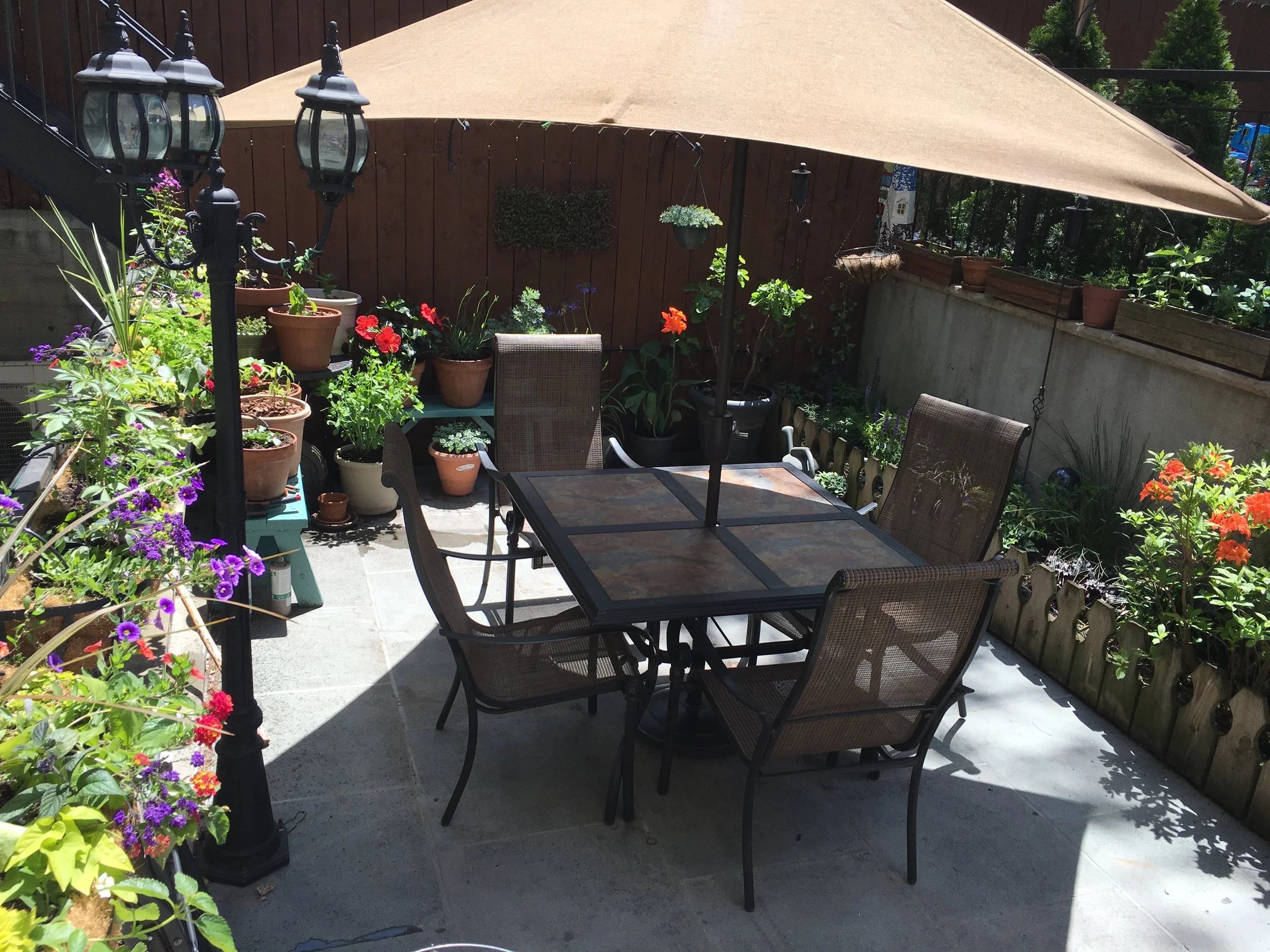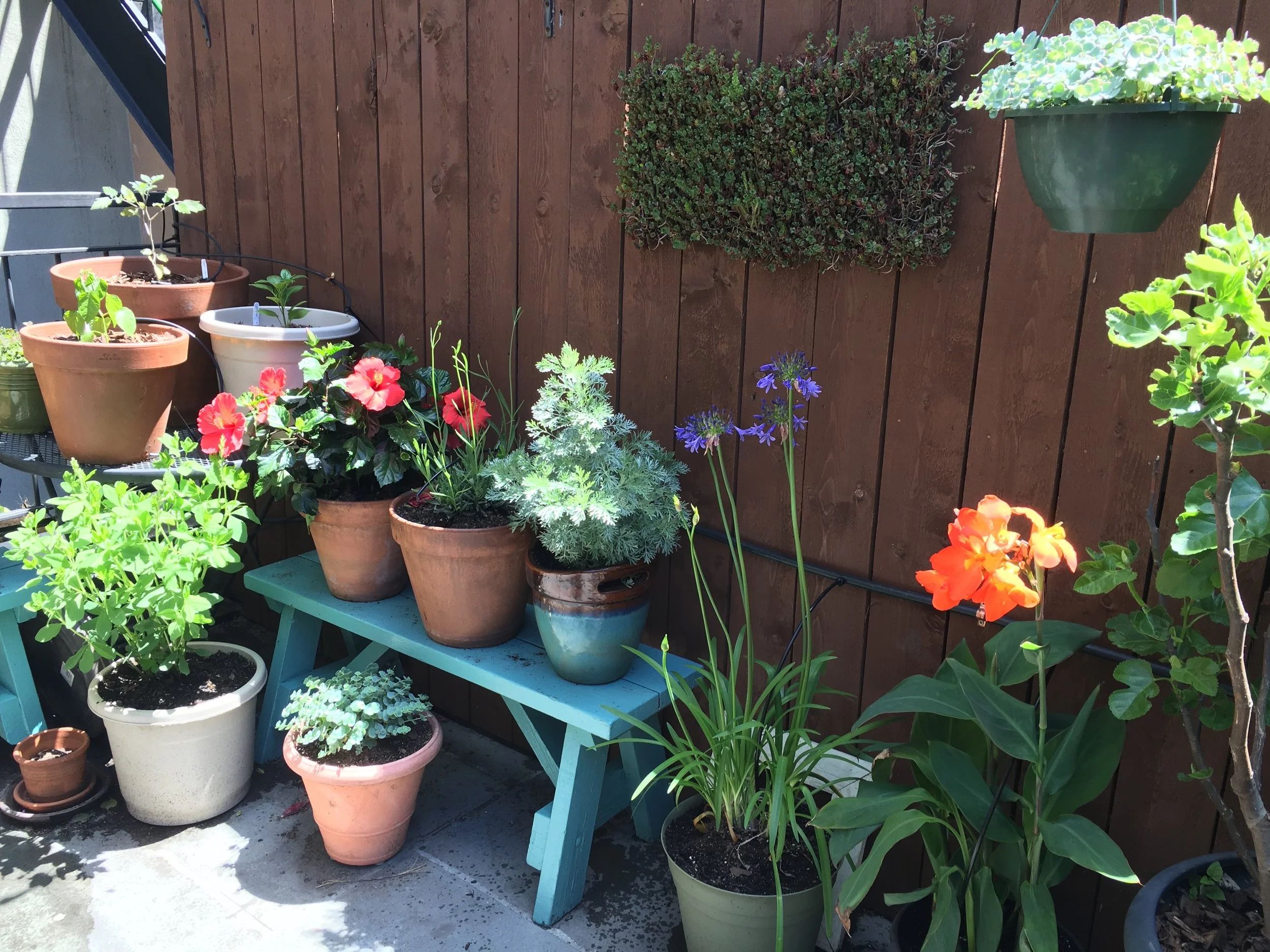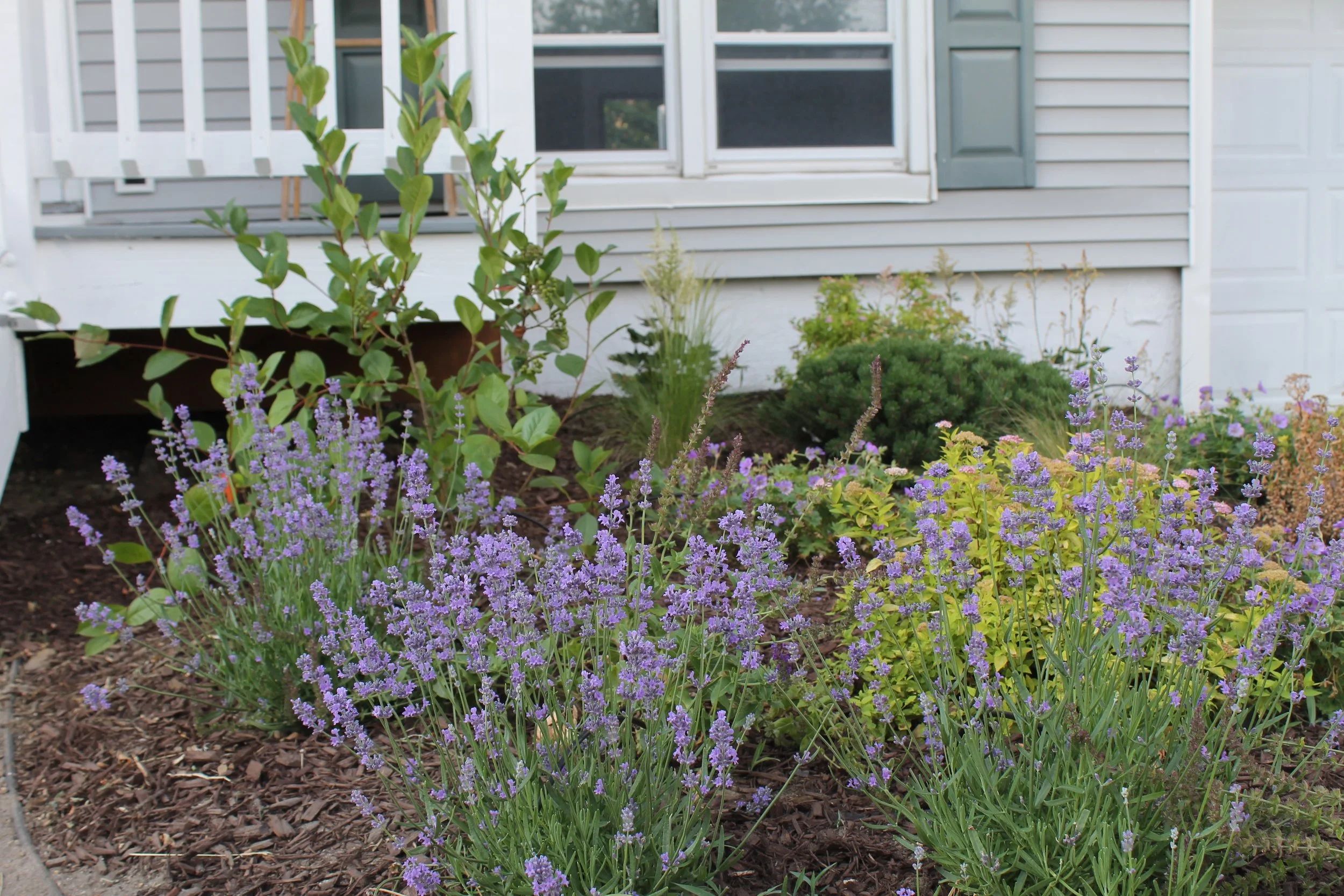
Imagine stepping into a space where every plant tells a story, where the gentle rustle of leaves carries ancient wisdom, and where healing happens not just in the mind but in the very cells of your being. This isn’t just another garden tour – it’s an exploration of how one woman’s vision transformed ordinary outdoor spaces into extraordinary sanctuaries of wellness.
In a world that often feels overwhelming, we all seek moments of peace. For many, nature provides that refuge, but not all green spaces offer the same restorative power. Christina Brown’s gardens stand apart – they’re not just beautiful landscapes, they’re carefully crafted environments designed to support healing on multiple levels. What makes these spaces different? How do they work their magic? Let’s take a closer look at what makes these gardens such powerful tools for wellness.
The Philosophy Behind Healing Gardens
Christina Brown didn’t simply plant flowers and trees – she created intentional spaces rooted in therapeutic principles. Her approach combines elements from horticultural therapy, biophilic design, and traditional healing practices. The idea isn’t just about pretty scenery, though that certainly helps. It’s about creating environments that engage our senses and connect us to something larger than ourselves.
Think about it – when you’re surrounded by the scent of lavender or the sound of water trickling through stones, your nervous system naturally begins to relax. That’s the foundation of what Brown built her gardens around. She understood that healing happens through our connection to the natural world, and she made that connection tangible and accessible.
Sensory Design for Maximum Wellness
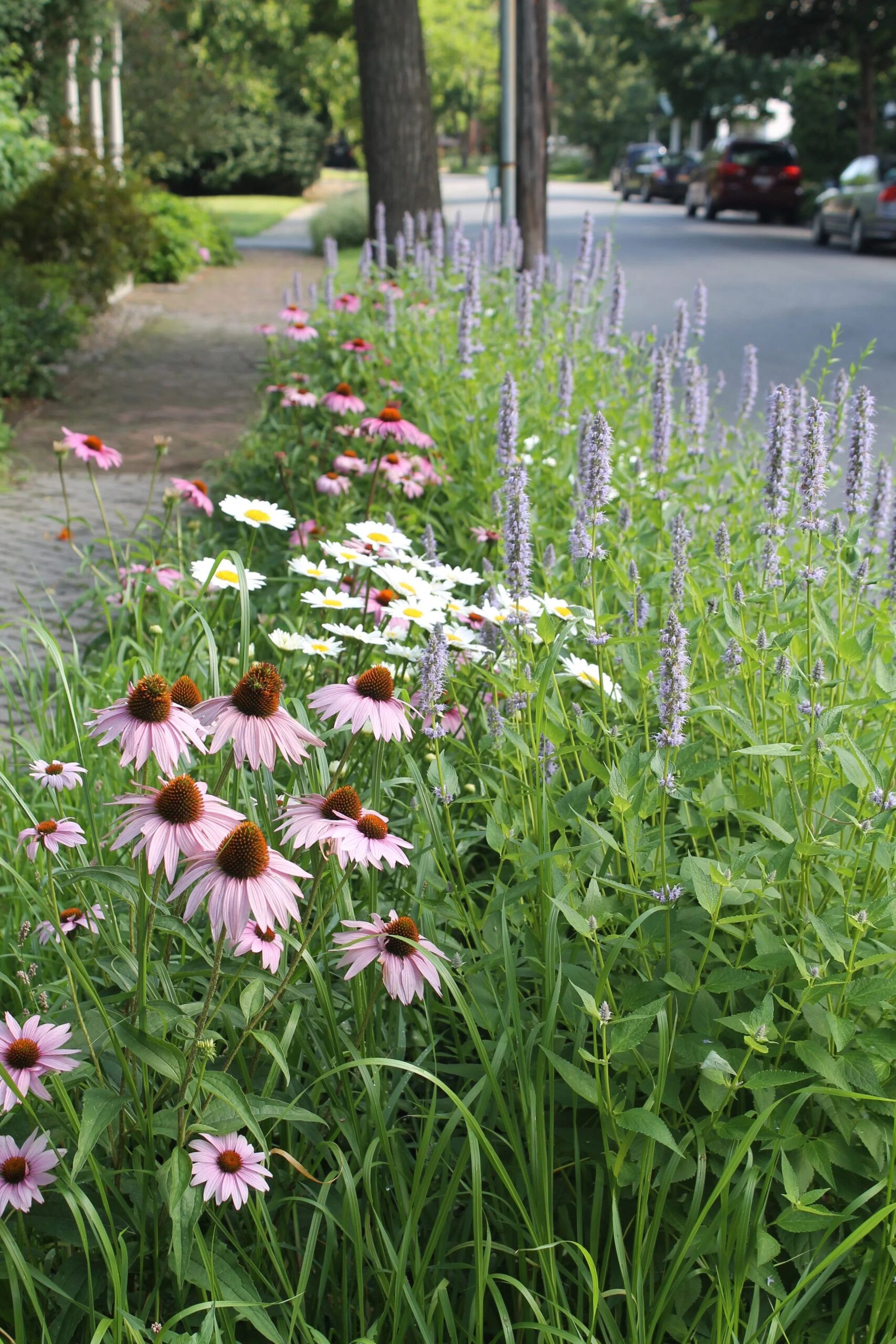
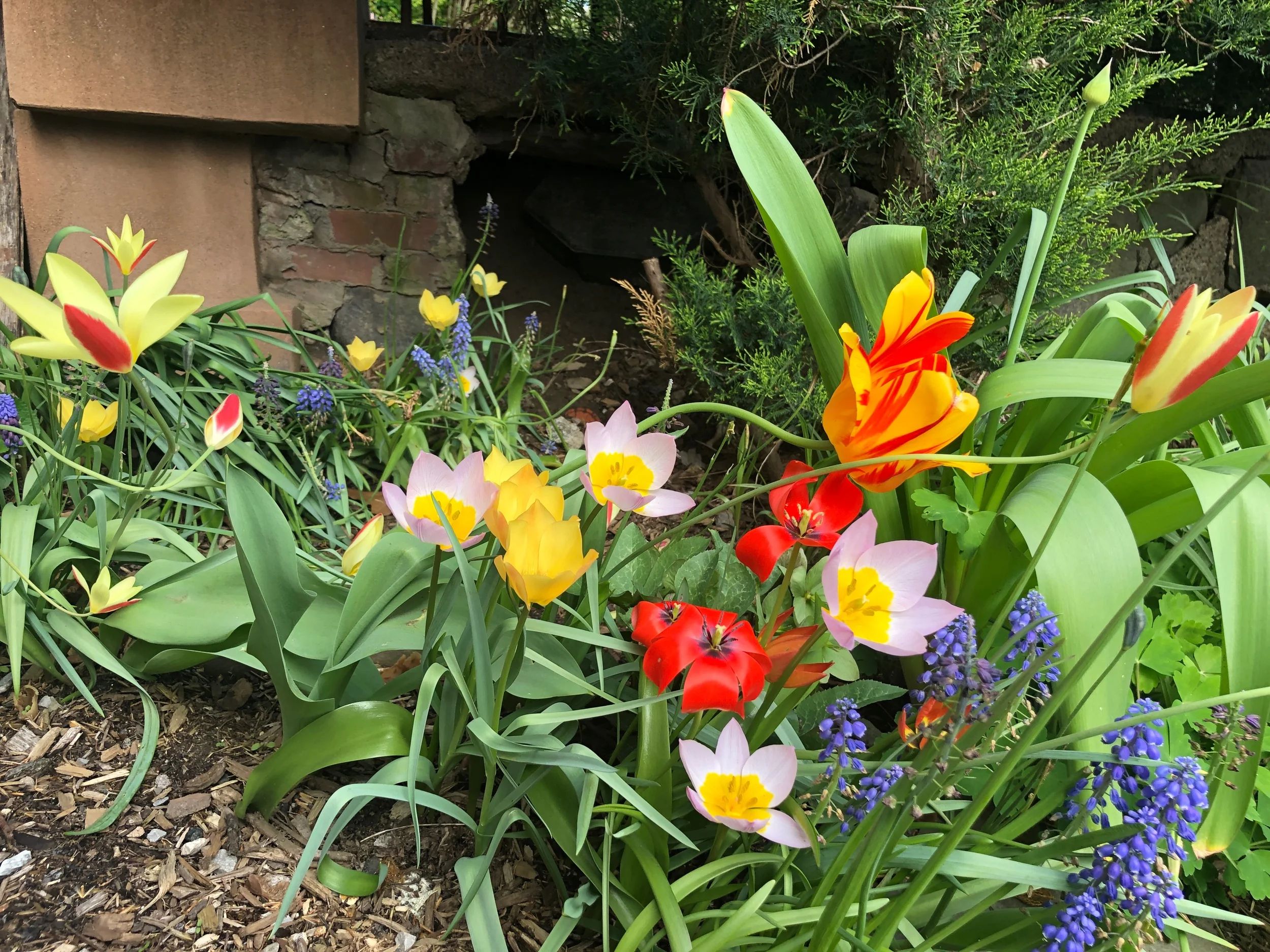
Every element in Brown’s gardens serves a purpose beyond aesthetics. She pays close attention to how plants interact with our senses:
• Visual Appeal: Color combinations and plant textures provide visual stimulation that reduces stress and anxiety
• Aromatic Elements: Her selection includes herbs and flowers that release calming scents like rosemary, jasmine, and eucalyptus
• Tactile Experiences: Textured surfaces and plants with interesting foliage invite touch, grounding us in the present moment
• Auditory Features: Water features and wind-chimes add soothing sounds that promote relaxation
These thoughtful combinations create multi-sensory experiences that can reduce cortisol levels and increase feelings of well-being. Research supports that such environments can lower blood pressure and improve mental clarity.
Gardening as a Form of Therapy
Brown’s gardens aren’t just places to visit – they’re spaces for active participation. She believes that the act of gardening itself offers therapeutic benefits. When people tend to plants, they’re engaging in mindful activity that requires focus and presence.
Consider the simple act of planting a seed. It requires patience and care. As the seed grows into a plant, the gardener experiences a sense of accomplishment and connection to life cycles. This process can be incredibly grounding for those dealing with anxiety, depression, or grief. Many participants in Brown’s programs report feeling more confident and capable after spending time in her gardens.
She’s designed pathways that encourage slow movement and contemplation. These spaces invite people to move at their own pace, to notice small details, and to find joy in simple acts of nurturing.
Community Connection and Social Healing
One of the most remarkable aspects of Brown’s work is how she uses gardens to build community bonds. Her spaces become gathering places where people from diverse backgrounds come together around shared experiences.
In one particular garden, she created a space where elderly residents could share stories while tending to their favorite plants. Young families found themselves teaching children about seasonal changes and growth cycles. The garden became a living classroom where knowledge passed between generations.
This social aspect is crucial because loneliness and isolation are significant health concerns. When people gather in healing spaces, they’re not just sharing physical locations – they’re sharing experiences, building relationships, and creating support networks that extend far beyond garden hours. The sense of belonging that develops in these spaces can be profoundly restorative.
Seasonal Changes and Life Lessons
Brown’s gardens demonstrate the beauty of change and impermanence. Each season brings new colors, fragrances, and opportunities for learning. Spring brings fresh growth and hope. Summer offers abundance and energy. Autumn provides rich textures and preparation for rest. Winter reveals structure and resilience.
This cyclical nature teaches important lessons about life itself. People who spend time in these gardens often report developing greater appreciation for the present moment. They learn that everything has its time and place, and that even difficult seasons serve important purposes. The plants themselves become teachers, showing how to adapt, grow, and renew.
Many visitors describe feeling more resilient after observing these natural cycles. They see their own challenges in the way plants respond to weather, disease, or drought. This perspective can be deeply empowering.
Practical Applications for Everyday Life
While Brown’s gardens are special spaces, her principles can be applied anywhere. Here are ways to incorporate healing garden concepts into daily routines:
• Create small indoor plant collections that provide visual and aromatic comfort
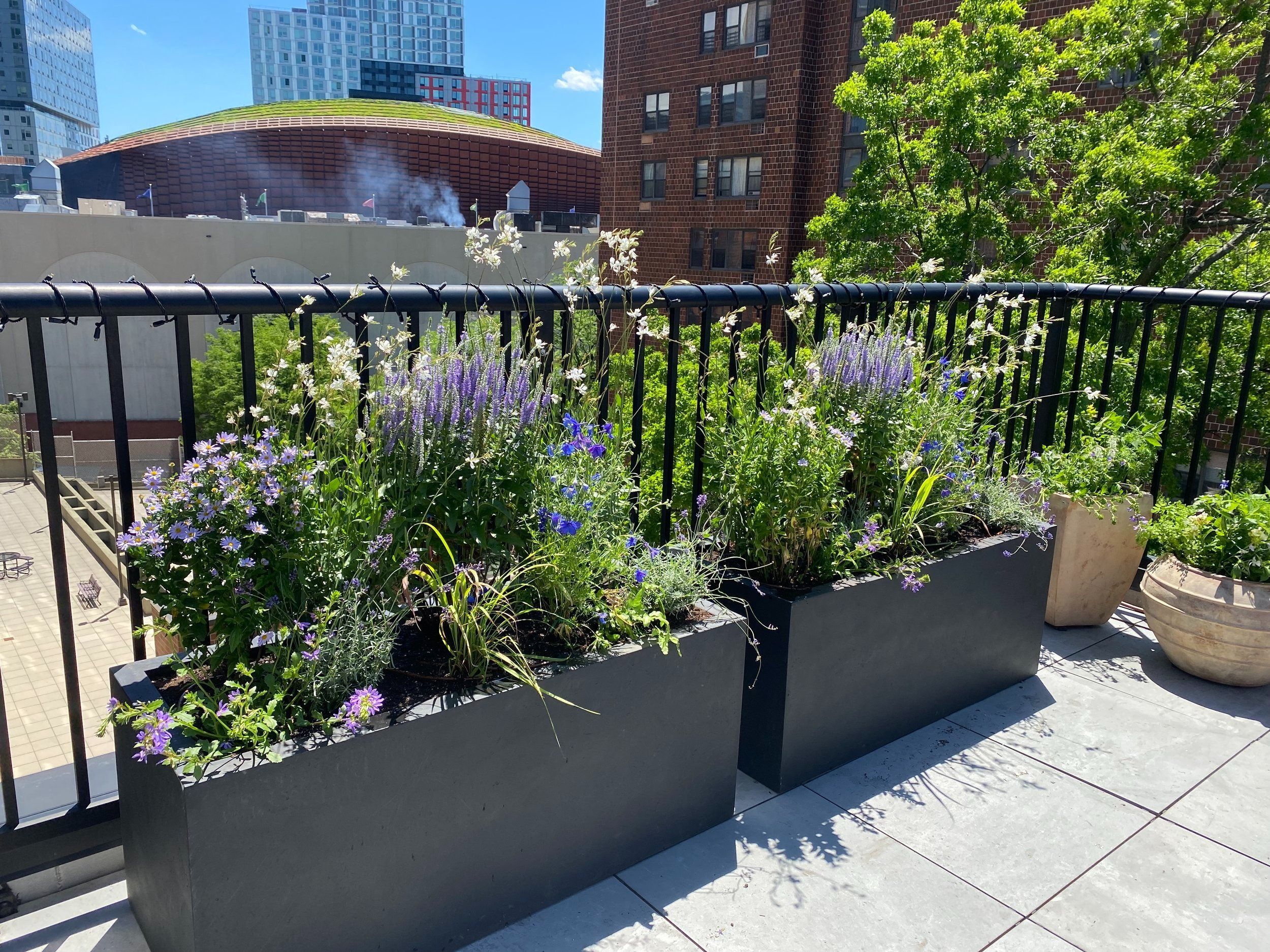
• Spend time in any natural setting, even if it’s just a small park or balcony
• Practice mindful observation of seasonal changes in your local environment
• Start a small herb garden to combine sensory experience with practical benefits
• Use garden experiences as meditation practice, focusing on breath and present moment awareness
Even small efforts can yield significant benefits. Research shows that just five minutes in a natural environment can significantly improve mood and cognitive function. The key is consistent, regular exposure rather than occasional visits.
Christina Brown’s gardens represent more than landscaping – they embody a philosophy that nature and healing are deeply intertwined. Through careful design, sensory engagement, and community building, her spaces offer real therapeutic value. Whether you’re seeking personal restoration, looking to support others, or simply want to appreciate the natural world more fully, there’s much to learn from her approach. The healing power isn’t hidden – it’s right there in every leaf, flower, and growing thing. Sometimes the best medicine is simply the opportunity to slow down, breathe deeply, and remember that we’re part of something much larger than ourselves.