Everyday people spend countless hours outdoors, whether it’s relaxing in their backyard or entertaining guests. But what if you could turn your outdoor space into something truly special? A place that feels both cozy and refined, where every detail tells a story of careful thought and intentional design. This isn’t just about adding nice furniture or pretty plants – it’s about creating an environment that makes you want to stay longer, breathe deeper, and feel completely at home.
Outdoor living has evolved far beyond simple grills and patio furniture. Today’s dream outdoor spaces are carefully crafted environments that combine functionality with aesthetic appeal. Whether you have a sprawling backyard or a tiny balcony, the principles of good outdoor design remain the same. The key lies in balancing comfort with sophistication, creating areas that invite both relaxation and social interaction. Think of it like crafting a perfect meal – you want each element to complement the others while maintaining its own distinct character. The result is an outdoor space that feels like a retreat, a place where life’s daily pressures melt away.
Understanding the Foundation of Outdoor Design
Before diving into decorations and furnishings, it’s crucial to understand what makes a great outdoor space work. The foundation starts with understanding your environment and how you plan to use the area. Consider the climate, sun patterns, and prevailing winds in your region. These factors will influence everything from plant selection to seating arrangements. For instance, if you live in a hot climate, you’ll want to incorporate shade options and cooling elements. In cooler regions, you might focus more on warmth and protection. What matters most is creating zones within your space. A dining area, a lounge zone, and perhaps a small kitchen or bar area all serve different purposes and create distinct experiences within one overall space. You don’t need to build elaborate structures, but having defined areas helps people know where to go for different activities. It’s like having rooms inside your home, just outdoors.
Choosing the Right Materials and Textures
The materials you select form the backbone of your outdoor space’s character. Natural elements like wood, stone, and metal create a sense of permanence and quality that’s hard to replicate with synthetic alternatives. Wood adds warmth and organic texture, whether it’s teak for durability or cedar for its natural beauty. Stone brings a sense of groundedness and timelessness, perfect for pathways or accent walls. Metal accents can add a touch of modern sophistication, especially when used in garden lighting or structural elements. Think about how these materials interact with each other and with your existing home architecture. A rustic wooden deck might pair beautifully with sleek metal furniture and natural stone features. Textures play just as important a role as colors. Soft fabrics for cushions, rough bark for garden beds, smooth river stones for pathways – each texture adds depth and interest. The key is to balance different textures without overwhelming the senses. Too many similar materials can make a space feel flat, while too much contrast might feel chaotic. Finding the right harmony requires experimentation and patience.
Lighting: The Magic Ingredient for Sophistication
Lighting transforms an outdoor space from merely functional to absolutely magical. It’s not just about turning on lights when it gets dark – it’s about creating layers of illumination that enhance both the beauty and usability of your space. Ambient lighting provides general illumination for safety and basic activities. This might be string lights overhead or low-level path lighting. Task lighting focuses on specific areas like dining tables or reading nooks. Accent lighting highlights architectural features, plants, or interesting textures. Smart lighting systems allow you to adjust brightness and color temperature throughout the day and night. Consider dimmer switches that let you set the mood for different occasions. A romantic dinner might call for warm amber tones, while a casual gathering might benefit from brighter white light. Solar-powered options are becoming increasingly sophisticated and can provide elegant solutions without electrical wiring. The secret is layering different types of lighting to create depth and atmosphere. Don’t forget about the subtle magic of candles or lanterns – they bring an intimacy that electric lighting simply cannot match.
Creating Functional Zones Within Your Space
One of the most challenging aspects of outdoor design is making the most of limited space while ensuring everything works together harmoniously. The solution lies in creating distinct functional zones that serve different purposes. Start by identifying what activities you want to accommodate. Do you entertain frequently? Then a dedicated dining area with comfortable seating is essential. If you enjoy quiet moments alone, consider a cozy reading corner or meditation space. For families with children, having a designated play area or sandbox can be invaluable. Each zone should have its own character while still feeling connected to the whole space. This might mean using different flooring materials, varying heights, or unique plantings to define boundaries. Consider how people move through the space – create clear pathways that guide visitors naturally from one area to another. Sometimes a simple change like adding a low wall or planting a tree can effectively separate zones without feeling like a barrier. The goal is to create a space that feels like it was designed specifically for you and your lifestyle.
Plant Selection for Year-Round Appeal
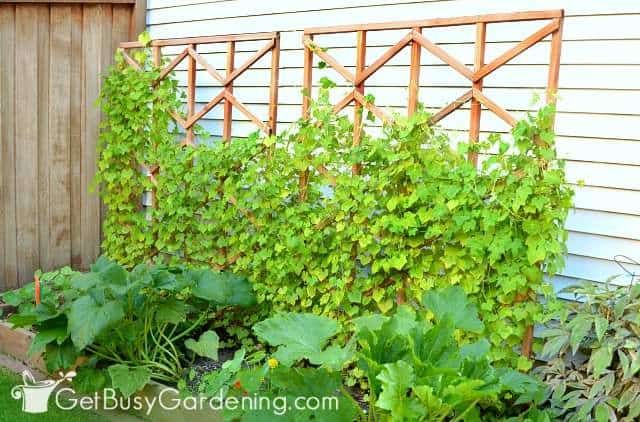
Plants are perhaps the most dynamic element in outdoor design, bringing life, color, and seasonal interest to any space. Choosing the right combination requires understanding not just individual plants, but how they work together over time. Evergreen plants provide structure and year-round greenery, while flowering plants add seasonal bursts of color and fragrance. Consider the mature size of each plant and how they’ll fit together over time. A small shrub today might become a major focal point tomorrow. Native plants often require less maintenance and support local wildlife, making them excellent choices for sustainable outdoor design. Think about the different seasons and how your plant palette will look throughout the year. A spring bloomer might be beautiful, but what happens when summer arrives and those flowers fade? Incorporating plants with different textures, sizes, and bloom times creates visual interest year-round. Container gardening offers flexibility and allows you to move plants around as needed. You can even create vertical gardens using hanging planters or wall-mounted systems to maximize space in smaller areas. The right plants transform a good outdoor space into a great one.
Comfort Features That Elevate Outdoor Living
True sophistication comes from incorporating comfort features that make outdoor spaces feel like extensions of indoor living. Temperature control is fundamental – this means having options for both heat and cooling. Fire pits and fireplaces create warmth and ambiance during cooler months, while shade structures and fans provide relief in hot weather. Seating arrangements should prioritize comfort without sacrificing style. Consider the shape, size, and material of chairs and sofas. Are they designed for lounging or conversation? How do they handle weather conditions? Weather-resistant fabrics and materials make a huge difference in usability. Storage solutions keep the space looking clean and organized. Built-in benches with hidden storage, covered areas for equipment, and clever shelving systems all contribute to a polished appearance. Water features, whether small fountains or larger ponds, add a soothing element that enhances the overall sensory experience. These elements work together to make outdoor living feel effortless and luxurious rather than temporary or makeshift.
Designing a dream outdoor space that balances comfort and sophistication isn’t about following trends or buying expensive items. It’s about thoughtful planning, understanding your needs, and creating an environment that reflects your personal style. The magic happens when you consider how each element works together – from the foundational materials to the final touches like lighting and plants. Remember, the best outdoor spaces are those that feel lived-in and loved rather than perfectly staged. They’re spaces where you want to spend time, not just pass through. Whether you’re starting with a blank slate or renovating an existing area, focus on creating zones that serve your lifestyle and choose elements that bring joy to your daily routine. The result will be an outdoor sanctuary that transforms ordinary days into extraordinary moments, making every visit feel like coming home.