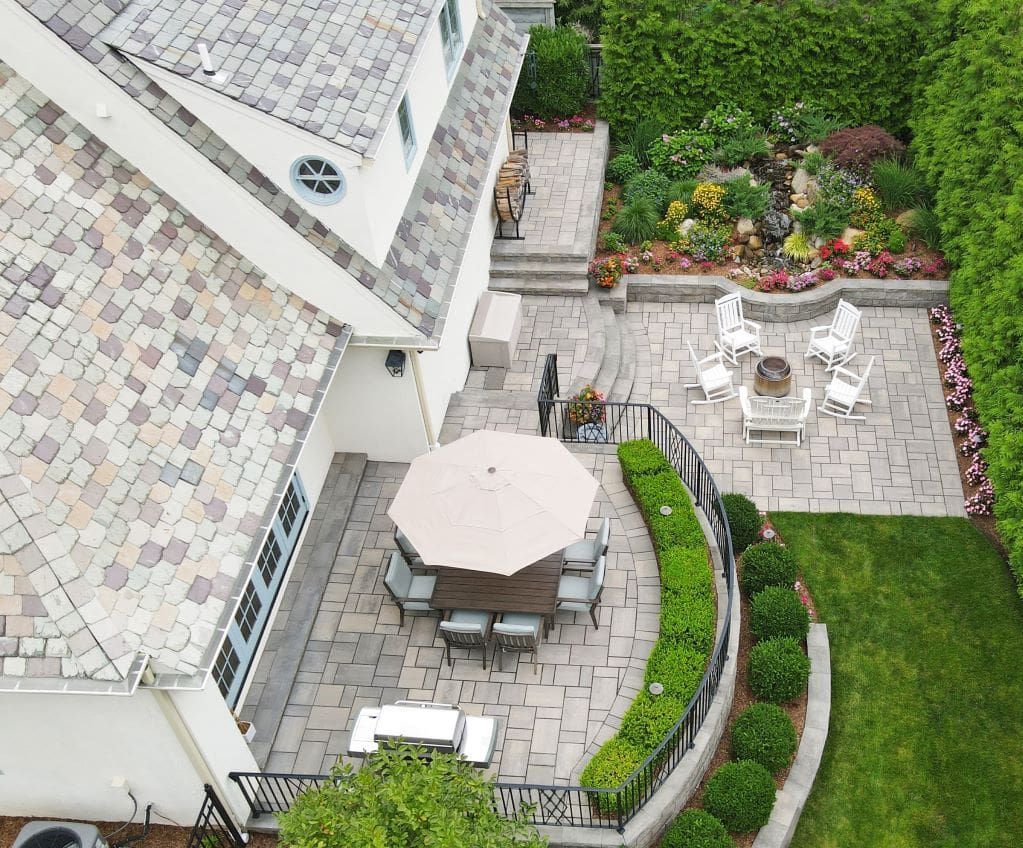
When you look at a stunning garden design, you might think it’s all about pretty pictures and nice plants. But there’s so much more going on behind the scenes. Professional landscape designers have a secret sauce that makes their work truly special. It’s not just about making things look good – it’s about understanding how everything works together. Think of it like being a chef who knows not just how to cook, but how to balance flavors, how to make ingredients work in harmony, and how to create something that feeds both the eyes and the soul. The pros know how to blend artistry with science, creativity with practicality.
Have you ever walked through a garden and thought, ‘Wow, this place just feels right’? Maybe you’ve seen a landscape design that seemed to breathe with life, even though it was just a collection of plants and stones. That magic isn’t accidental. Professional landscape designers possess a unique set of skills that go far beyond basic design principles. They understand how to create spaces that don’t just look beautiful, but actually function well. These experts know how to read a site, interpret client needs, and translate those visions into realities that last. What separates them from hobbyists or casual designers? It’s a combination of technical knowledge, creative vision, and deep understanding of how landscapes interact with people and nature.
Site Analysis and Environmental Understanding
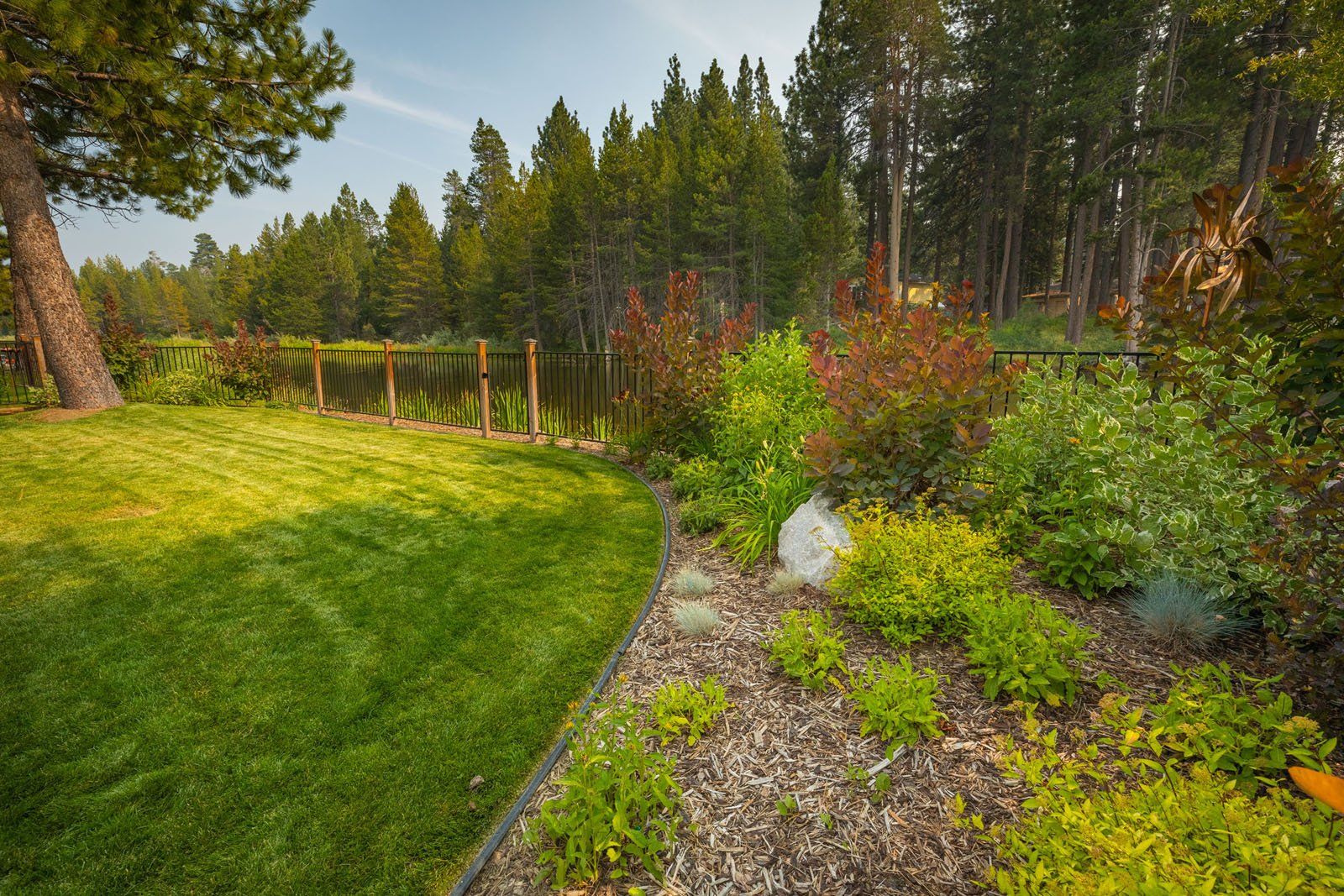
Professional landscape designers start with the most important skill: reading the land itself. This means understanding soil types, drainage patterns, sun exposure, wind directions, and microclimates. You might think this sounds boring, but it’s actually fascinating. A good designer looks at a blank plot and sees potential. They notice how water flows during rainstorms, how shade changes throughout the day, and what plants naturally thrive in those conditions. For example, if you’re designing a space in a location that gets heavy afternoon sun and poor drainage, a pro will suggest drought-tolerant plants that can handle heat AND waterlogged soil. It’s like being a detective who solves mysteries of the earth itself. This foundational skill makes all the difference between a design that fails and one that thrives.
Client Communication and Vision Casting
This is where many designers get tripped up. It’s not enough to be great at drawing or choosing plants. The best landscape professionals excel at talking to clients and understanding what they really want. This involves asking the right questions, listening carefully, and translating desires into practical plans. Imagine a client saying, ‘I want something that feels like a retreat.’ A skilled designer won’t just plant some trees and call it done. They’ll ask about daily routines, family activities, preferred aesthetics, and lifestyle needs. They’ll help clients articulate dreams they didn’t even know they had. One pro shared that she once helped a client realize they wanted a space for quiet reflection, not just entertainment. The result? A peaceful meditation area that became the heart of the property. Good communication builds trust and creates designs that truly serve people.
Technical Proficiency and Construction Knowledge
Great design is nothing without great execution. Professional landscape designers must understand construction basics, materials, and building processes. They know when to specify certain types of stone, how to properly grade a slope, or why drainage matters. This knowledge prevents costly mistakes and ensures projects turn out exactly as planned. A designer who understands how retaining walls work can suggest solutions that prevent future problems. They know that proper soil preparation isn’t just about planting success – it’s about preventing erosion, ensuring healthy root development, and creating lasting beauty. When a project goes wrong, experienced designers can quickly identify what went wrong and how to fix it. They’re essentially architects who work with nature rather than against it.
Plant Selection and Sequencing Expertise
Choosing the right plants for the right places is an art form. Professional designers understand plant characteristics, growth rates, seasonal interest, and how different species interact. They don’t just pick pretty flowers – they plan for decades of growth. For instance, a pro knows that fast-growing shrubs might provide quick privacy, but they’ll also consider how those plants will mature and whether they’ll overwhelm smaller plants. They understand how to create visual interest year-round, from spring blooms to winter structure. Plant sequencing involves thinking ahead: Will this tree overshadow that perennial? Will these groundcovers spread too aggressively? It’s like conducting an orchestra where each plant plays its part in the overall symphony. The best designers build relationships with local nurseries and stay current on plant availability and performance.
Project Management and Timeline Mastery
Designing a landscape is like planning a major event – except it happens over months or years. Professional designers master the art of managing multiple elements simultaneously. They know how to schedule plant deliveries, coordinate with contractors, and manage seasonal timing. A simple project might involve installing a patio in spring while planting trees in fall. The pros understand that timing affects everything from plant survival to budget management. They create detailed schedules that account for weather patterns, supplier lead times, and unexpected delays. Some designers even track plant growth to adjust maintenance schedules accordingly. It’s like being a conductor who keeps dozens of musicians playing in perfect harmony over time.
Sustainability and Long-term Thinking
The most successful landscape designers think beyond immediate beauty. They focus on creating sustainable ecosystems that improve over time. This includes water conservation strategies, native plant integration, and low-maintenance design principles. A pro might choose drought-resistant plants to reduce irrigation needs, or design areas that naturally control erosion instead of requiring expensive barriers. They consider how a space will evolve, not just how it looks today. Sustainability isn’t just about saving money – it’s about creating landscapes that support local wildlife, reduce environmental impact, and provide ongoing benefits. They understand that a well-designed garden should become more beautiful and functional with age, not less so.
The difference between amateur and professional landscape design isn’t just in the final result – it’s in the process, the approach, and the depth of understanding. Professional designers combine technical knowledge with artistic vision, client empathy with environmental awareness. They see landscapes not as static objects, but as living systems that grow and change over time. Whether you’re hiring someone to transform your outdoor space or learning to become a better designer yourself, remember that great landscape work comes from understanding the whole picture. It’s about creating places that people love to spend time in, that work harmoniously with nature, and that stand the test of time. The essential skills we’ve discussed aren’t just nice-to-haves – they’re what make landscape design truly transformative.