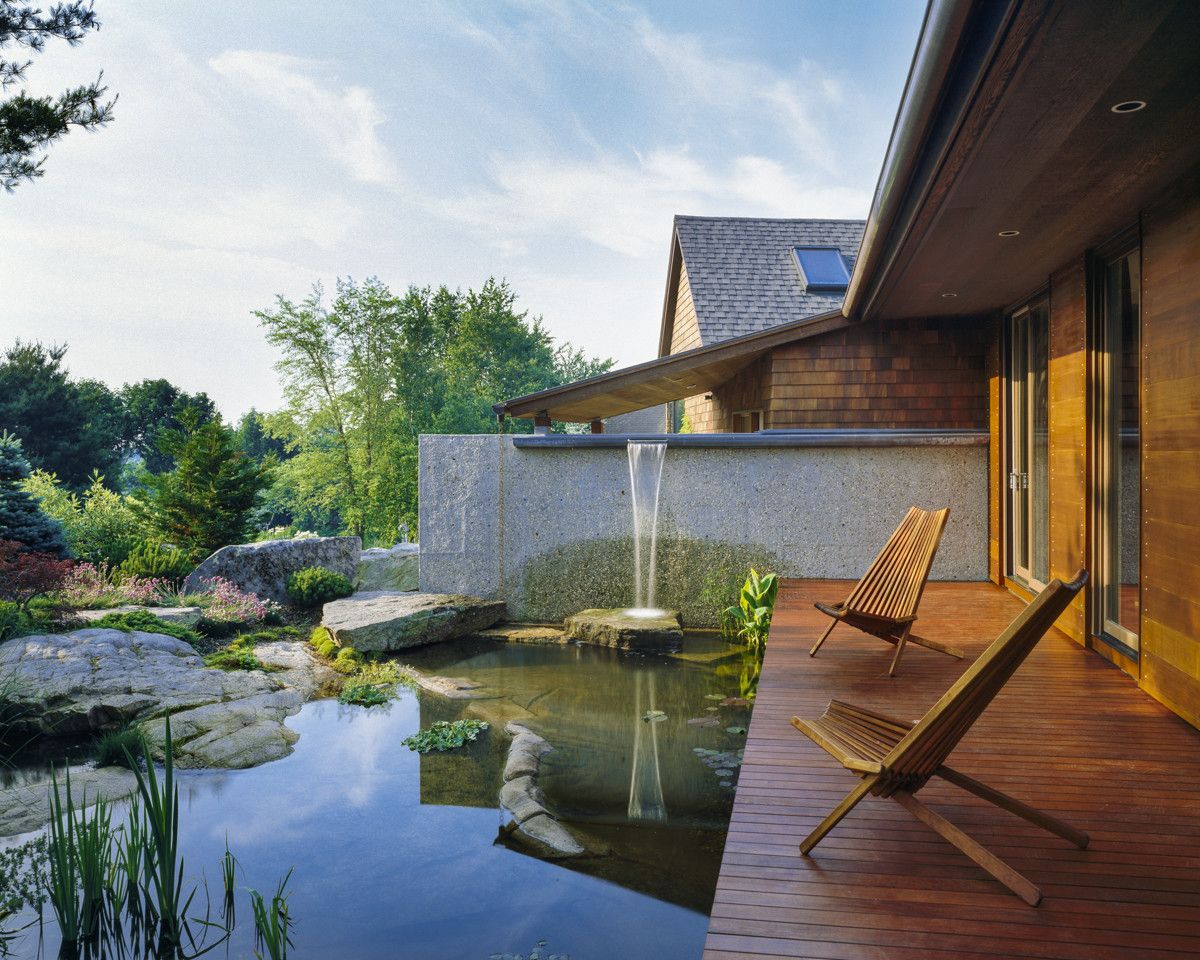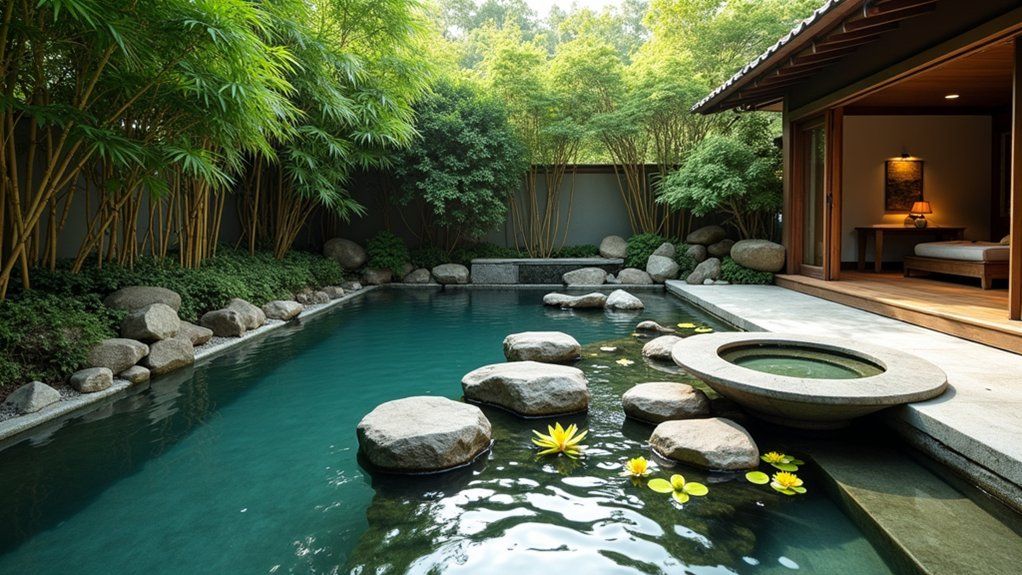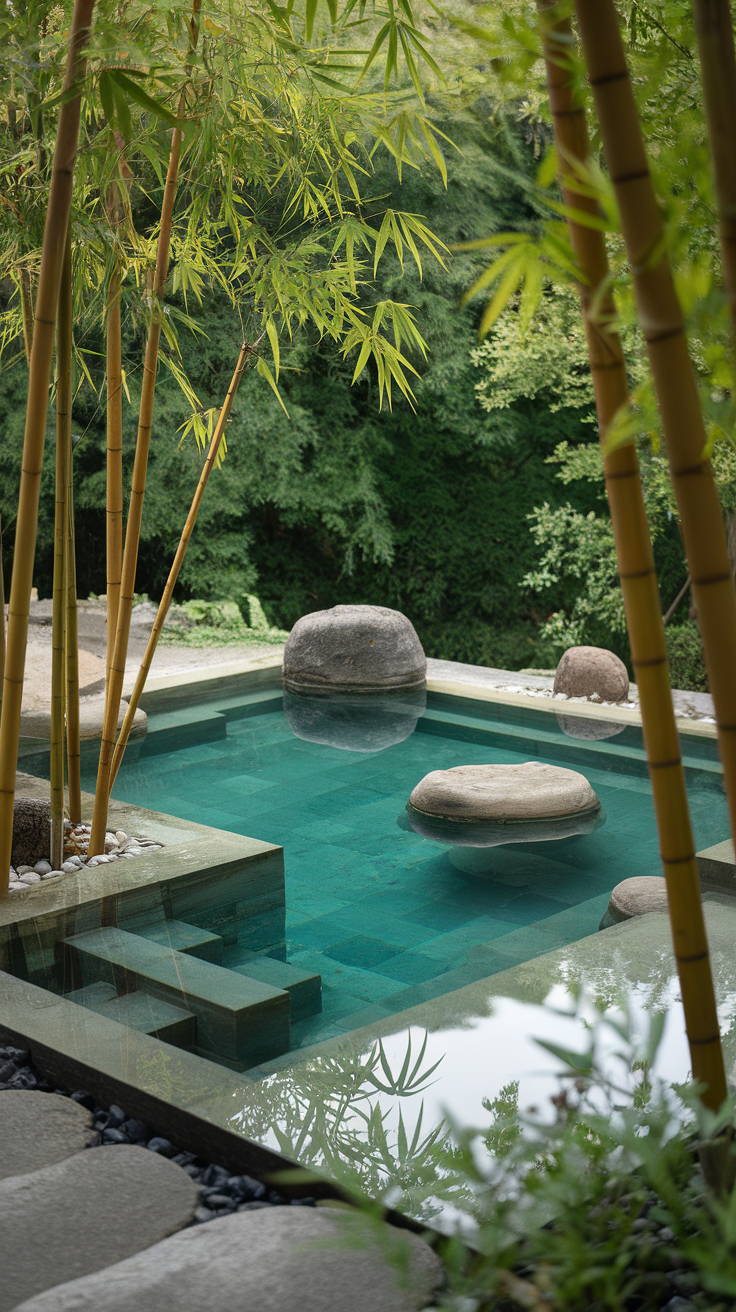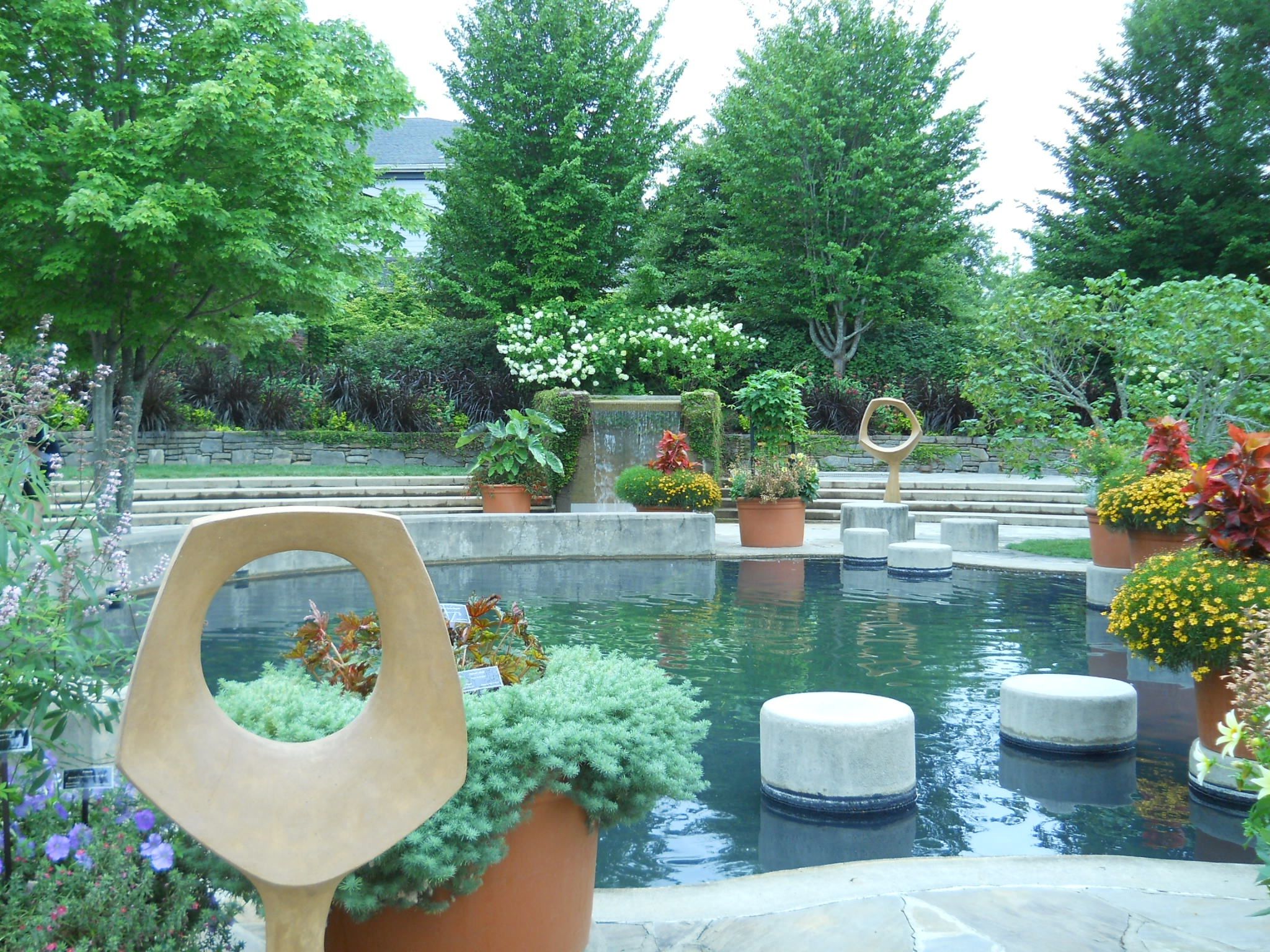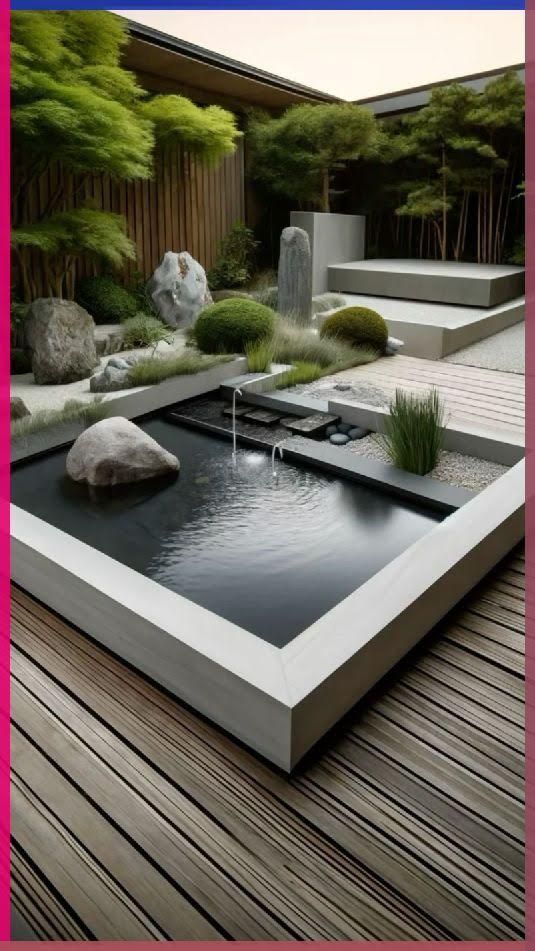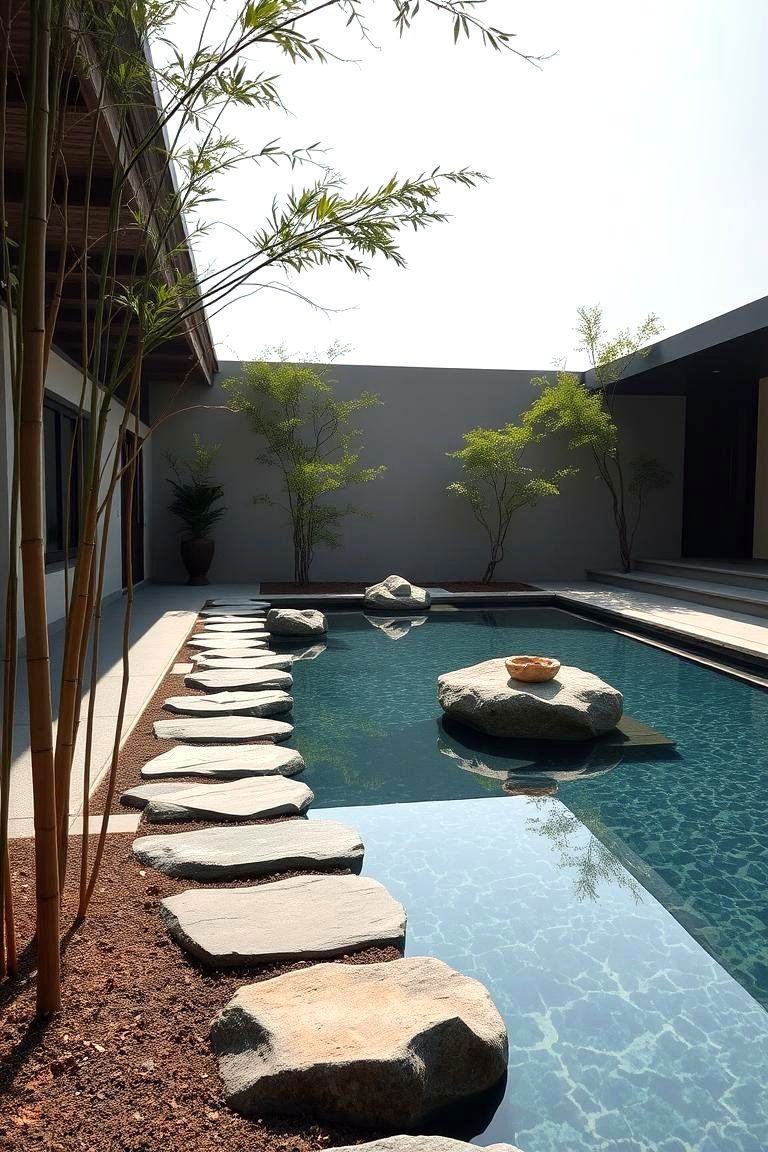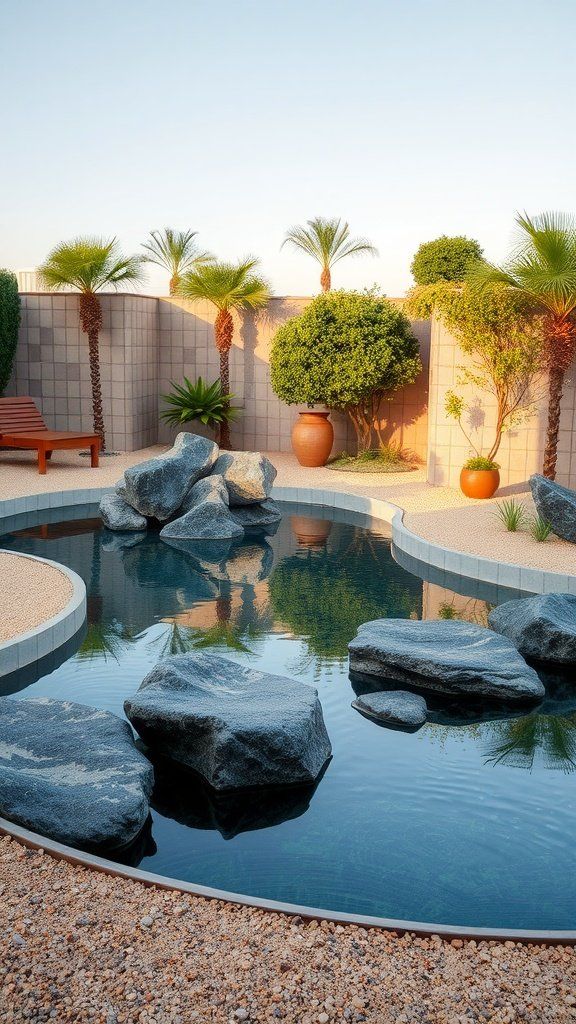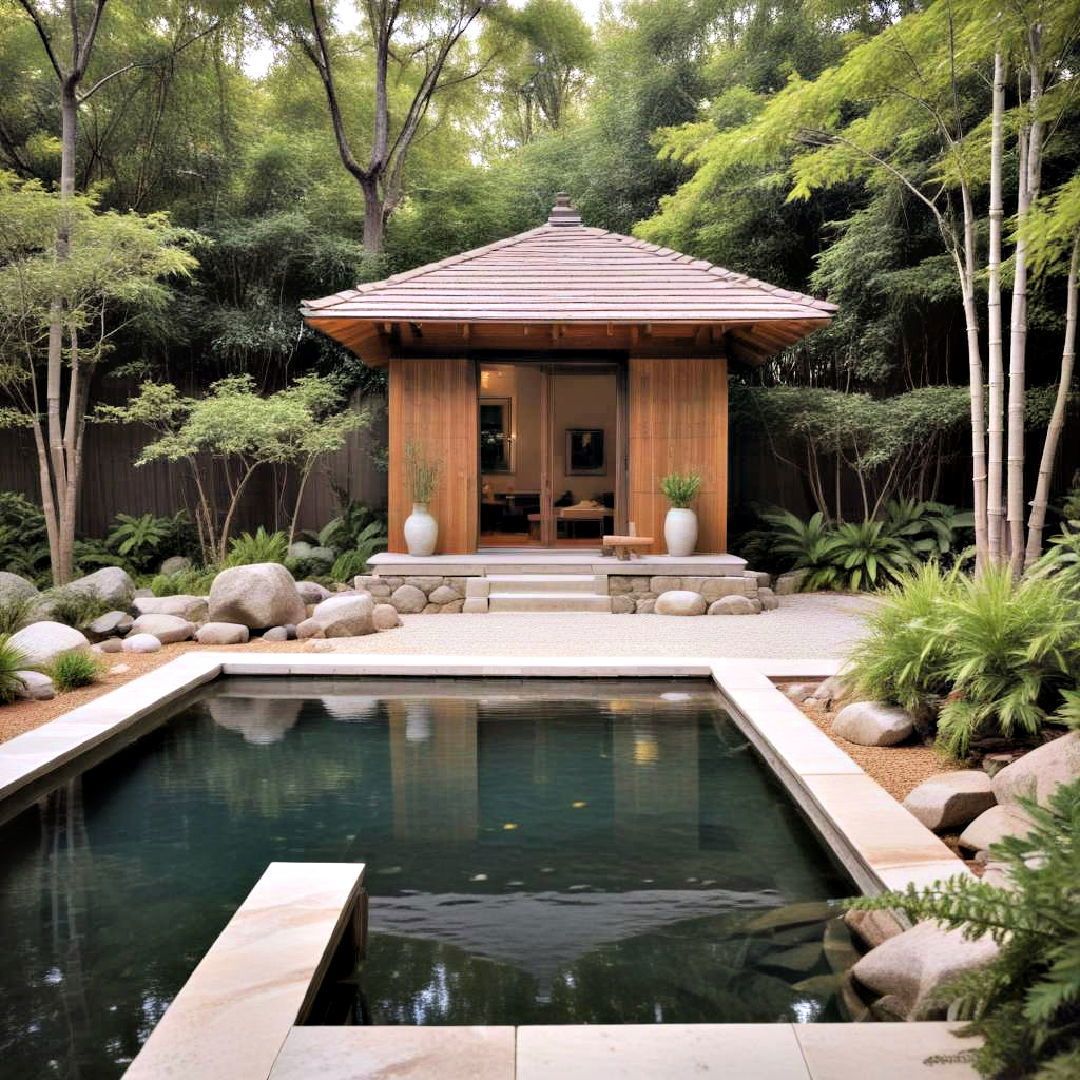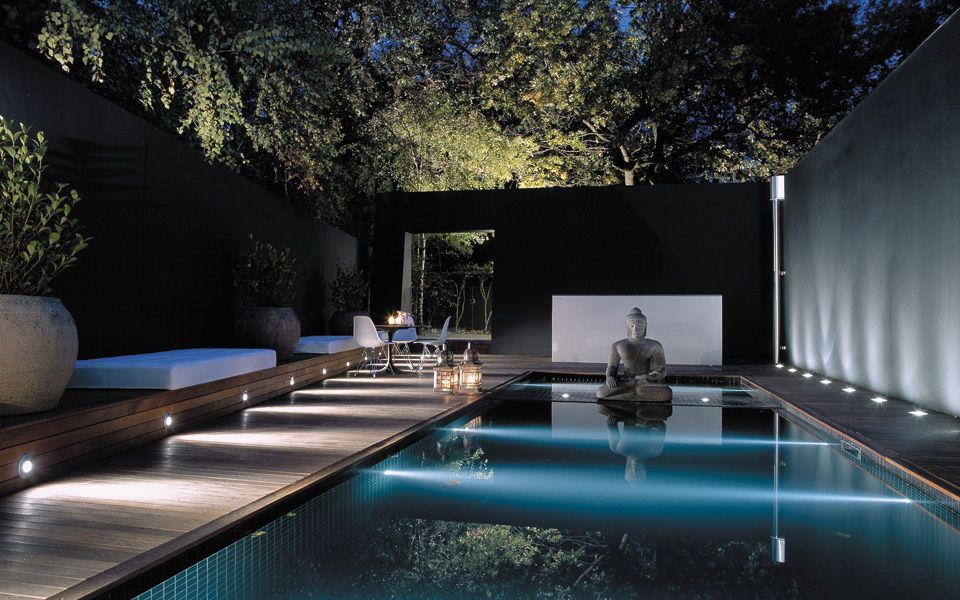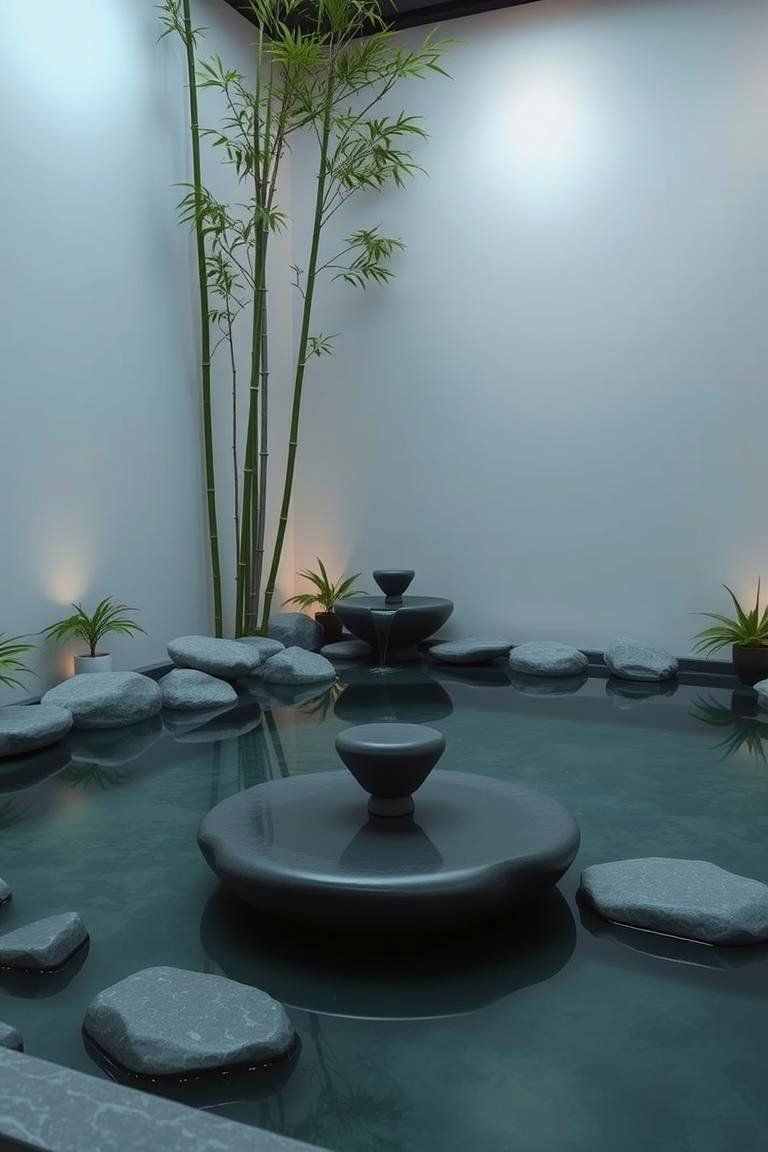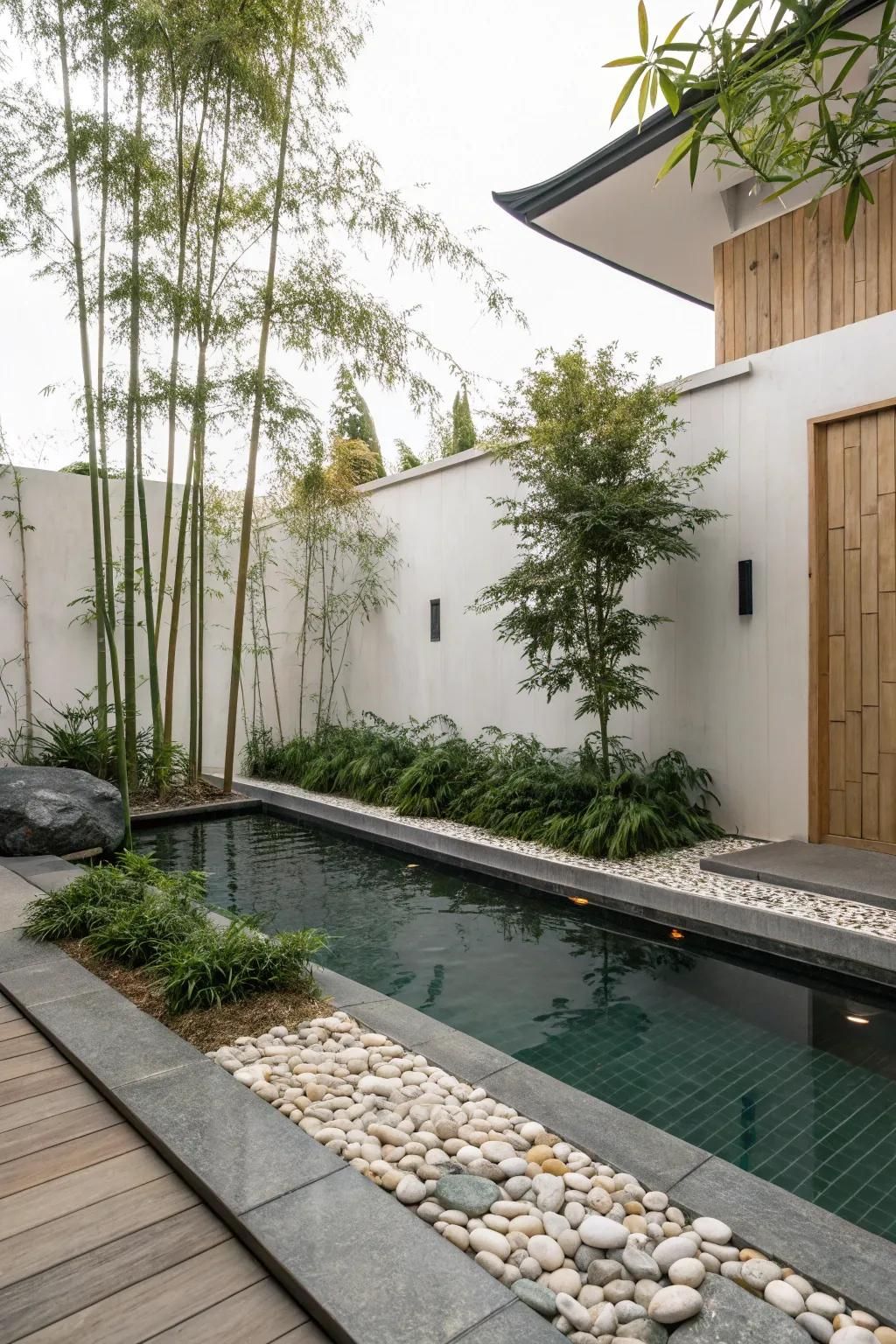
Imagine stepping into a space where the gentle sound of water mingles with the soft rustle of bamboo, while pristine white stones guide your path. This isn’t just a garden – it’s a sanctuary that speaks to both the soul and the desire for refined living. Today’s designers are mastering the delicate art of weaving ancient zen principles with contemporary luxury elements, particularly when incorporating pools into these sacred spaces.
In our fast-paced world, we all crave moments of calm. The zen garden has become more than just a decorative element – it’s evolved into a powerful tool for mental wellness and aesthetic satisfaction. When you add a pool to this equation, you’re creating something truly special. But balancing these two elements requires more than just good taste. It demands understanding of how water, stone, plants, and space interact to create harmony. Think about it – how often do you find yourself longing for a place where you can both relax and feel elevated? That’s exactly what contemporary zen gardens with pools offer. They’re not just about having a beautiful backyard; they’re about crafting experiences that nourish both body and spirit.
Understanding the Core Philosophy
Zen gardens aren’t just about aesthetics – they’re about creating intentional spaces that promote mindfulness and reflection. The philosophy centers around simplicity, natural materials, and the careful arrangement of elements to encourage contemplation. When you bring a pool into this mix, you’re adding movement and sound, which can either enhance or disrupt the peaceful atmosphere. The key lies in choosing the right type of water feature. A small, shallow pool with gentle ripples might work perfectly, while a large, dramatic fountain could overwhelm the serene nature of the space. Consider the traditional Japanese concept of ‘ma’ – the idea that empty space is as important as filled space. In a zen garden with pool, this translates to thoughtful placement and proportion. What matters most isn’t how much water you have, but how well it complements the overall design. The pool should feel like a natural extension of the garden rather than an afterthought.
Design Principles for Balance
Creating a successful blend means understanding fundamental design rules. First, consider the scale relationship between your garden elements and the pool. If you have a large, open garden area, then a bigger pool makes sense. However, if your space is smaller or more intimate, a modest water feature will maintain the zen atmosphere. Natural materials play a crucial role too. Stone, wood, and bamboo create organic connections that support the zen aesthetic. Using concrete or overly polished surfaces can feel jarring in such settings. Think about how light moves through your space throughout the day. Morning sunlight might highlight certain stones while casting interesting shadows across the pool surface. These interplays create a dynamic yet peaceful environment. The placement of seating areas is also vital – you want people to be able to sit and enjoy the water without feeling like they’re interrupting the natural flow of the garden. Everything should lead the eye naturally toward the center of attention, whether that’s a focal point stone or the gentle movement of the water itself.
Material Selection for Harmony
Choosing the right materials feels like selecting the perfect ingredients for a recipe. Each component must complement rather than compete with others. For pools, consider natural stone finishes or subtle concrete that mimics the look of aged rock. These choices blend seamlessly with typical zen garden materials. The contrast between smooth water surfaces and rough stone textures creates visual interest while maintaining balance. Wood accents, especially weathered or naturally finished pieces, can add warmth to the overall composition. When selecting plant materials, stick to native species whenever possible. They require less maintenance and feel more authentic to the zen approach. Plants like Japanese maples, moss, and various grasses provide seasonal changes without overwhelming the minimalist aesthetic. The color palette matters too – earth tones dominate zen gardens, with touches of green from foliage and the natural blue of water. Avoid bright colors unless they’re used sparingly as accents. Remember, the goal isn’t to make everything match perfectly, but to create a cohesive story that feels intentional rather than forced.
Water Features That Enhance Rather Than Disturb
The sound of water is one of the most powerful elements in a zen space. It provides a constant, gentle background noise that helps mask urban distractions and promotes relaxation. But not all water features are created equal. A bubbling waterfall might be exciting, but it can also be too aggressive for a meditative environment. Instead, opt for subtle trickling sounds or gentle streams that mimic natural water flow. Consider installing a recirculating system that keeps water moving slowly, creating ripples that catch light beautifully. Some designers incorporate small streams or channels that meander through the garden before returning to the main pool area. This creates a sense of natural progression and encourages exploration. The size and shape of the pool itself matter. Rectangular shapes can feel too rigid, while organic, curved forms better align with natural flow. If you’re working with limited space, consider a shallow pool that allows for comfortable sitting and interaction with the water. The deeper the water, the more it can reflect the surrounding environment, creating a mirror effect that enhances the peacefulness of the entire space.
Seasonal Integration and Longevity
A well-designed zen garden with pool should feel alive throughout the year, not just during peak seasons. This requires planning for how different elements will change over time. During winter, focus on the architectural elements – stone pathways, wooden structures, and the pool’s structural beauty. Many zen gardens incorporate evergreen plants that maintain their presence year-round. In spring, the garden comes alive with new growth and blooming flowers, which should complement rather than clash with the pool area. Summer brings opportunities for full enjoyment of the water feature, while autumn offers rich color changes that can enhance the overall visual experience. The longevity of your investment depends on thoughtful material selection and regular maintenance. Choose materials that age gracefully, like natural stone that develops character over time. Pools should be designed with durability in mind, using high-quality materials that won’t require frequent replacement. Consider how the space will function for different activities throughout the year. A summer-only pool area might need additional considerations for winter protection, while a year-round space needs more robust heating systems and drainage solutions.
Practical Considerations for Everyday Living
While the spiritual aspects of zen gardens are important, you still need to think about practical realities. How will the space function for daily life? Will you entertain guests regularly? Do you need easy access to the pool for cleaning and maintenance? These questions shape how you approach the design. Consider integrating comfortable seating areas that don’t compete with the garden’s natural flow. A simple bench or low stone platform near the pool can serve multiple purposes – relaxation, dining, or simply enjoying the water’s movement. Lighting plays a crucial role too. Soft, ambient lighting helps create the right mood during evening hours, but avoid harsh spotlights that might disrupt the peaceful atmosphere. Smart technology can enhance the experience without overwhelming it. Automated pool systems can maintain clean water while reducing manual intervention, allowing you to focus more on enjoying the space. The key is finding the right balance between convenience and serenity. You want to be able to easily maintain the garden’s beauty without sacrificing its tranquil nature. Every element should serve a purpose beyond just decoration – whether that’s providing shade, creating privacy, or offering a place to sit and reflect.
Creating a zen garden with pool that successfully balances tranquility and luxury isn’t just about following rules – it’s about developing an intuitive understanding of how different elements work together. The magic happens when every choice supports the overall vision of peace and sophistication. Whether you’re designing a small backyard oasis or a larger landscape project, remember that the most important elements are those that connect you to yourself and to nature. The pool becomes more than just water – it transforms into a tool for mindfulness, a centerpiece for quiet reflection, and a testament to the beauty that emerges when ancient wisdom meets modern comfort. The journey of creating this space is as valuable as the final result. Each decision you make about materials, placement, and function contributes to a unique environment that reflects your personal values and lifestyle. Trust in the process, embrace the imperfections, and let the garden evolve naturally over time. After all, the best zen spaces aren’t built overnight – they’re cultivated through intention, patience, and a deep appreciation for the simple things that bring us peace.