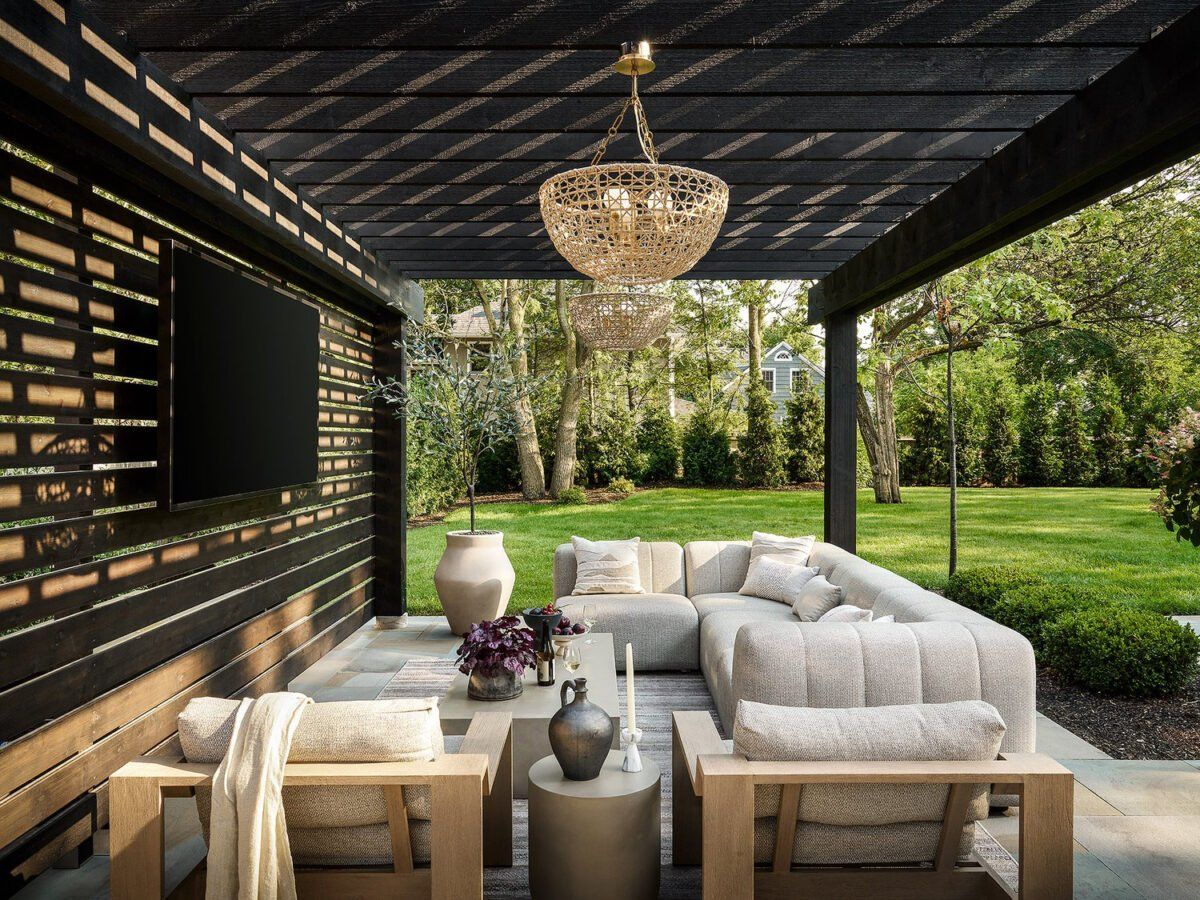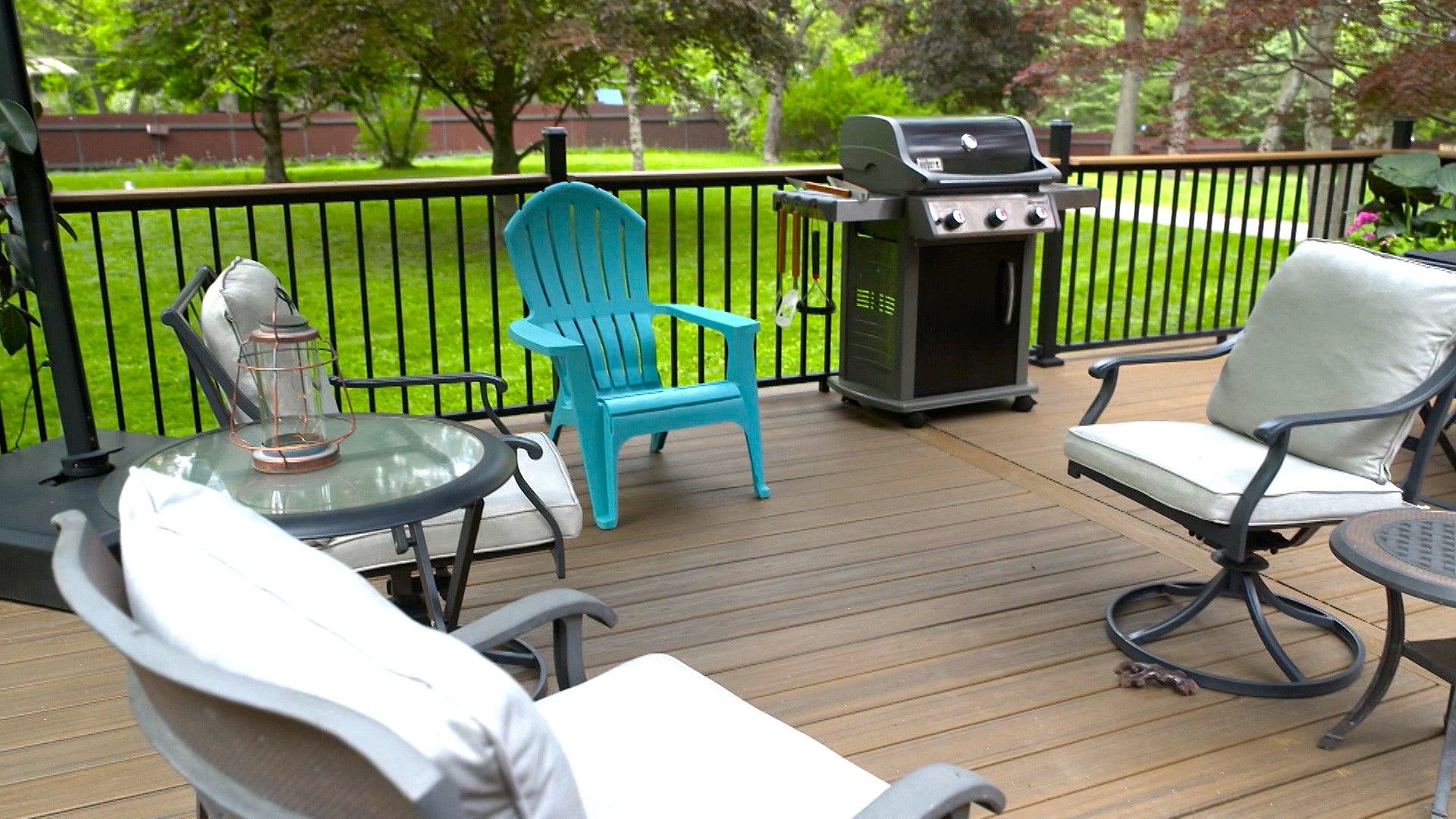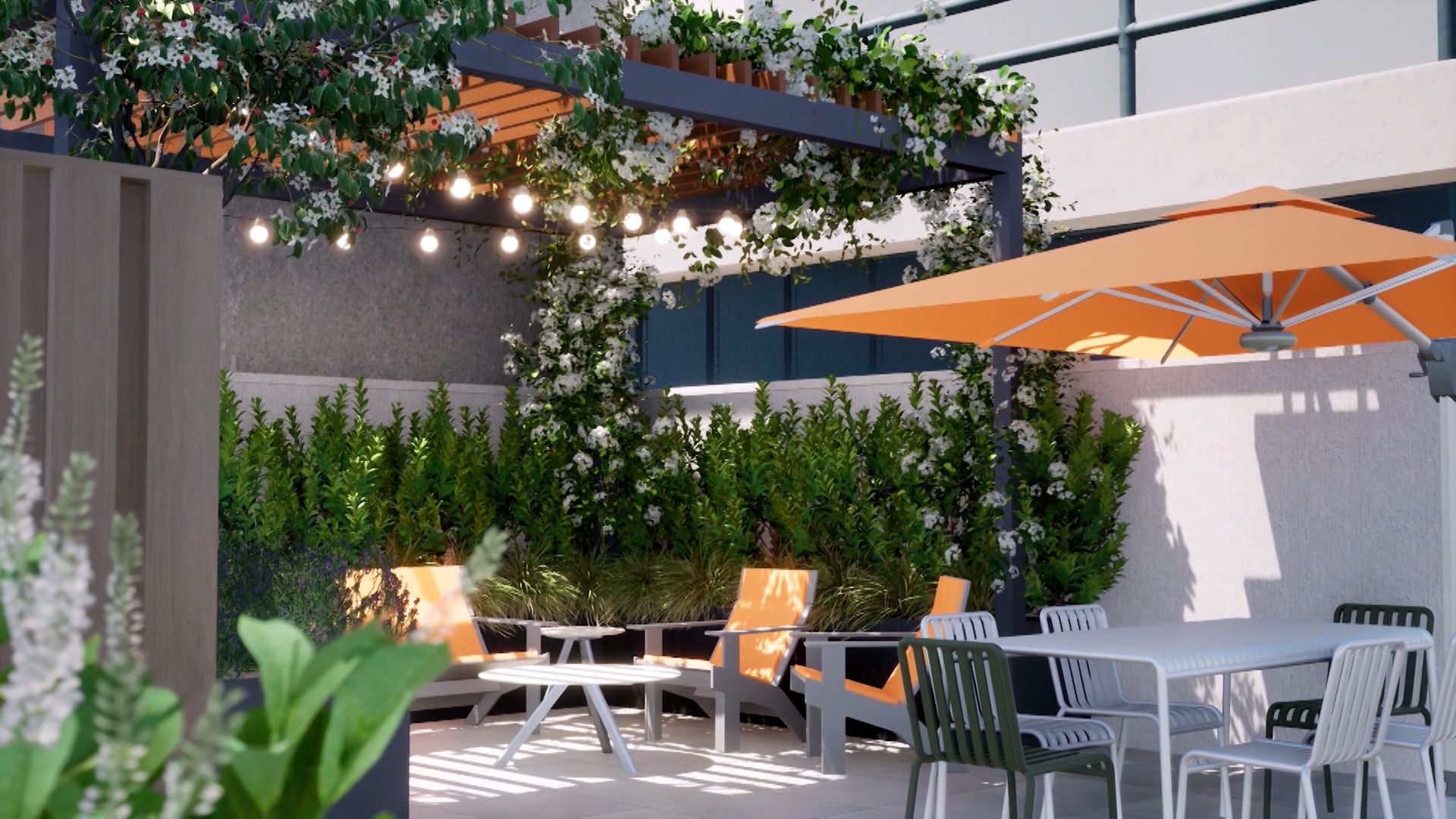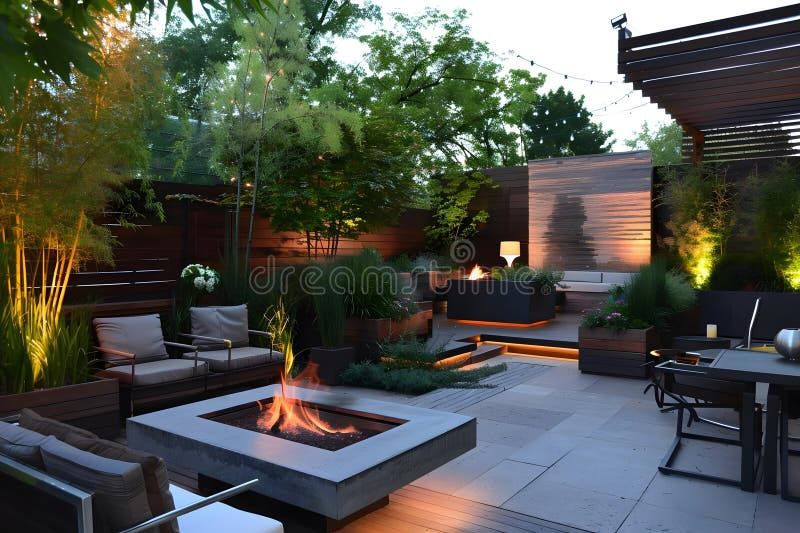
Imagine stepping outside your home and being greeted by a perfectly planned outdoor space that feels like a sanctuary. No overwhelming design choices, no expensive mistakes, just a well-thought-out area where you can relax, entertain, and enjoy nature. That’s not just a dream anymore. With the right master planning approach, creating your ideal outdoor living environment becomes straightforward and achievable.
Outdoor living spaces have become more than just an extension of our homes—they’re becoming essential parts of our daily lives. Whether you have a sprawling backyard or a tiny balcony, the key to success lies in smart planning. This isn’t about hiring expensive designers or buying costly furniture. It’s about understanding the fundamentals of outdoor design and applying them in ways that make sense for your lifestyle and budget. The truth is, most people overcomplicate things when they think about outdoor spaces. They focus too much on trends rather than functionality. What if we told you there’s a simpler way? A way that makes your outdoor area feel intentional rather than chaotic.
Start with Your Lifestyle Needs
Before you even think about furniture or plants, ask yourself some basic questions. How do you actually spend time outdoors? Do you host frequent gatherings or prefer quiet evenings alone? Are you looking for a place to cook, play games, or simply lounge? These answers will guide every decision you make. Consider your family’s habits too. If kids love running around, you might want open spaces. If you’re a coffee lover, maybe a small breakfast area works better than a large dining setup. Think about your daily routines and how your outdoor space can support them naturally. The best outdoor designs aren’t just pretty—they’re practical. They reflect how you live, not how you wish you lived. You don’t need a massive entertainment zone if you mostly just sit and read. But you might need a comfortable seating area if you’re planning to spend hours outside. Sometimes the simplest solutions work best.
Define Clear Zones Within Your Space
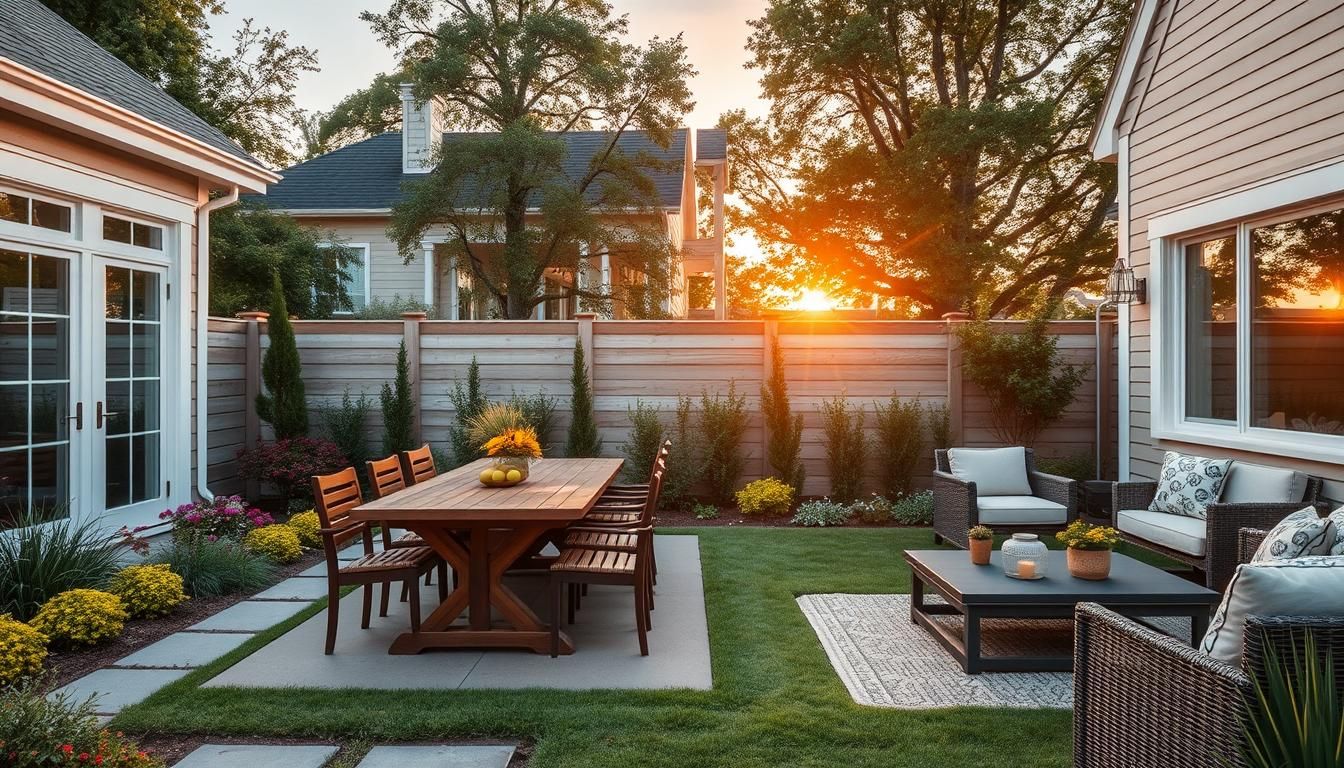
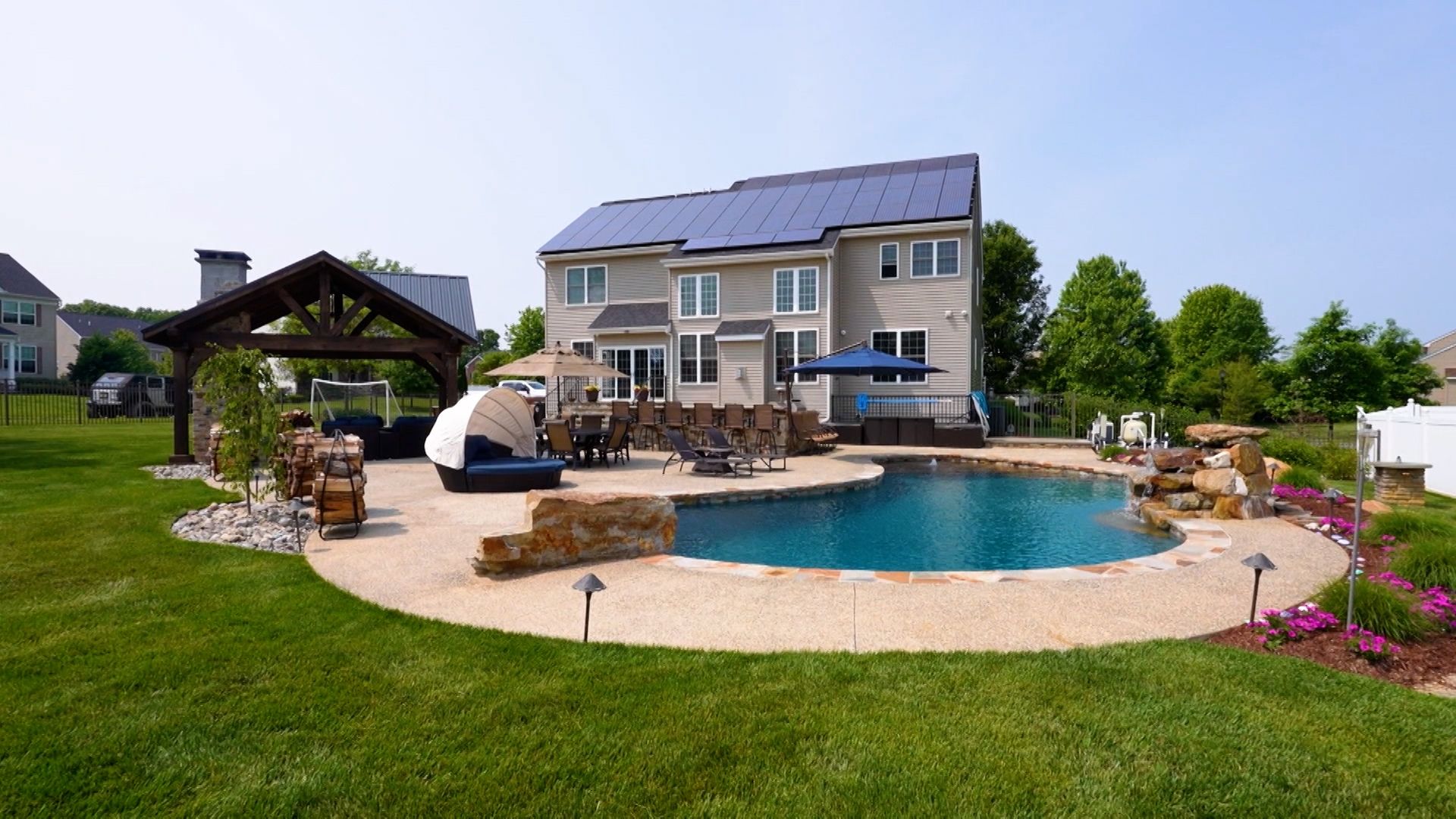
One of the biggest mistakes people make is trying to do everything in one big open area. Instead, divide your outdoor space into distinct zones based on function. For example, separate your dining area from your relaxation zone. Maybe you want a cooking station near your grill, but far enough away from where people sit to avoid smoke and heat. Think of your space like a house inside your home. You wouldn’t put your kitchen directly next to your bedroom, right? The same logic applies to outdoor areas. When you plan zones ahead of time, everything feels more organized and purposeful. You can easily move furniture around to accommodate different activities. Plus, it makes the space feel larger because each area has its own identity. Try sketching out a simple layout with different colored boxes representing each zone. This helps visualize how the space will work before you buy anything.
Choose Versatile Furniture That Scales
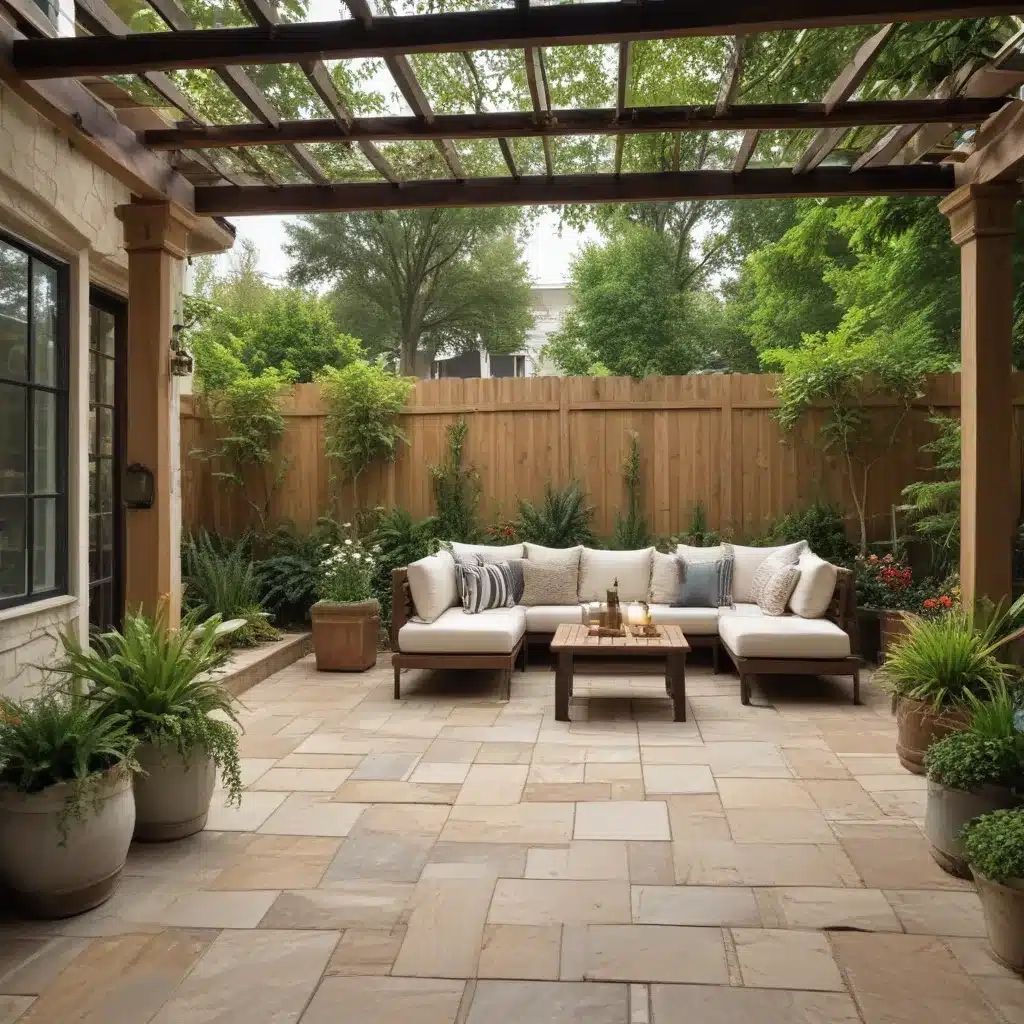
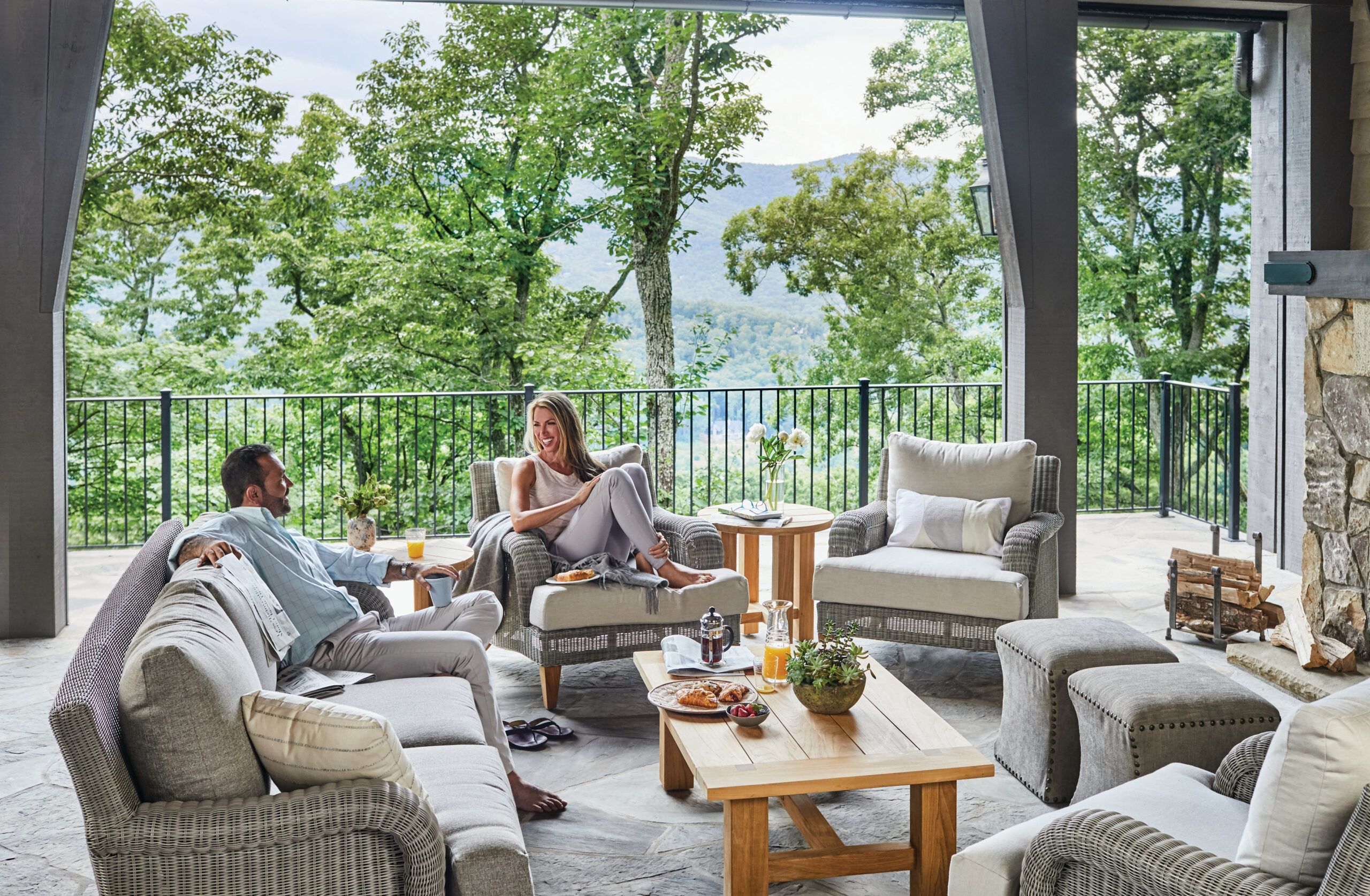
The furniture you select should serve multiple purposes and adapt to different situations. A coffee table that doubles as a side table, or a bench that can seat four people but folds away when you need more room. This flexibility is crucial for small spaces or those with limited budgets. Look for pieces that can transform your outdoor area throughout the day. For instance, a dining table that can be easily moved aside to create a conversation area. Or a storage ottoman that holds blankets during winter and becomes a footrest in summer. The key is to invest in quality pieces that will last, rather than buying cheap items that break quickly. Remember, you’re not trying to create a museum exhibit—you’re designing for real life. Your furniture needs to handle weather, wear, and the occasional spill without breaking your bank account. Choose materials wisely too. Teak, aluminum, and synthetic wicker are all great options that resist the elements.
Plan for Seasonal Changes
Outdoor spaces change with the seasons, and that’s okay. In fact, embracing seasonal shifts can make your space more interesting year-round. During summer, you might want shade and cooling features like umbrellas or fans. In winter, perhaps you’ll add warmth with fire pits or string lights. Think about what happens when temperatures drop. Do you need a way to keep people warm? Maybe a small heater or a fire pit for those cold nights. Consider how your plants will behave throughout the year. Some thrive in winter while others need protection. It’s smart to plan for these changes early. Having a few extra blankets or a portable heater can make all the difference between enjoying your space and avoiding it. Also remember that not every part of your outdoor area needs to be usable year-round. Some areas might be reserved for specific seasons, which is perfectly fine. The important thing is that your space adapts to what you need.
Create Visual Flow and Balance
Good design isn’t just about function—it’s about creating visual harmony. Think about how your eye moves through the space. Does it flow smoothly from one area to another, or does it get stuck or confused? You can achieve visual balance by using similar colors, textures, or shapes throughout the space. If you have a modern look in one area, try to match it elsewhere. Don’t go overboard though—subtle repetition works better than matching everything exactly. Consider the height of elements too. Tall plants, short furniture, and medium-sized structures create visual interest. Too many tall things can make a space feel cluttered, while too many short items can make it feel flat. Try to create a focal point in each zone. Maybe it’s a beautiful tree, a colorful piece of art, or a unique piece of furniture. These elements draw attention and give the space personality. Sometimes a single striking element can tie everything together beautifully.
Use Lighting Strategically
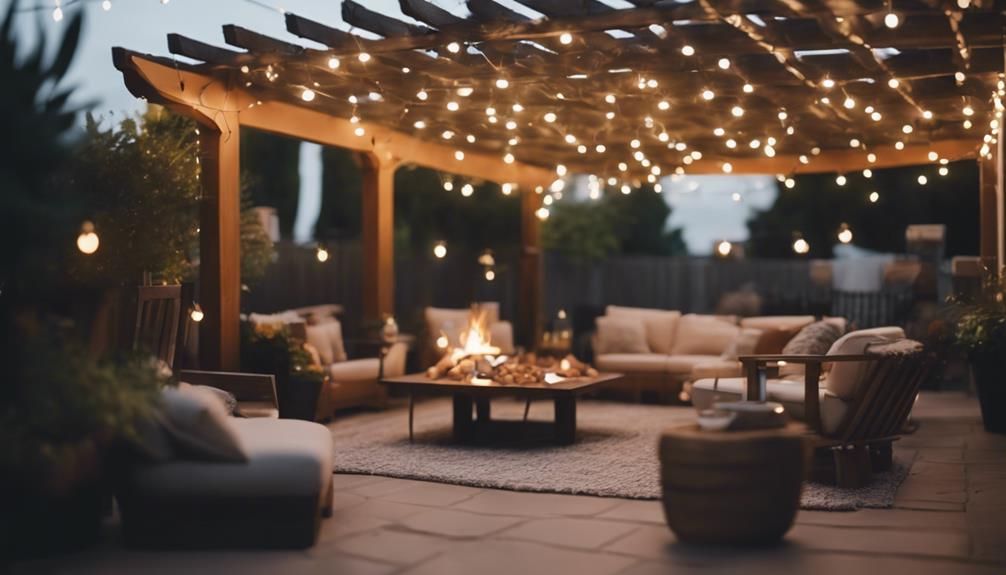
Lighting can completely transform your outdoor space from day to night. It’s not just about making things visible—it’s about setting the mood and extending your usable hours. Start with ambient lighting to provide general illumination. String lights can create a cozy atmosphere, while spotlights highlight specific areas or features. Task lighting is useful for areas where you need light for activities like reading or cooking. Consider dimmer switches so you can adjust the brightness throughout the evening. Solar-powered lights are great for low-maintenance options and can be placed anywhere without electrical outlets. Don’t forget about safety lighting around stairs or walkways. The right lighting can make your outdoor space feel magical and safe. It’s also worth noting that lighting can affect the entire feel of your garden. A soft glow can make a small space feel larger, while bright overhead lights can make a large area feel more structured. Sometimes just adding a few candles or lanterns can change everything.
Creating a successful outdoor living space doesn’t require expensive plans or professional help. It’s really about understanding your needs, thinking ahead, and making smart choices. The beauty of good outdoor design is that it’s personal and flexible. Your space should reflect your lifestyle and evolve with your changing needs. Remember, the most important part isn’t having the perfect setup—it’s feeling comfortable and happy in whatever you create. Whether you’re planning a full backyard renovation or just rearranging a few chairs, start with what matters most to you. The rest will follow naturally. The key is to approach it systematically, step by step, and not rush the process. You don’t have to get everything right the first time. Most importantly, don’t forget to enjoy the journey. Your outdoor space should bring joy, not stress. So take a deep breath, sketch out a simple plan, and start building something wonderful.