Creating beautiful outdoor areas doesn’t have to mean endless upkeep. The right design approach can make your garden look stunning while requiring minimal daily effort. Whether you’re starting fresh or refreshing an existing space, understanding fundamental design principles helps you build something that truly works for you.
Think about the last time you walked through a perfectly designed outdoor space. What made it special? Was it the plants, the layout, or perhaps how effortlessly it seemed to maintain its beauty? Great outdoor design isn’t just about looking good—it’s about creating spaces that feel effortless and sustainable. This is where JG Design Principles come into play. These foundational concepts help you build outdoor areas that don’t just look amazing but also work with your lifestyle rather than against it. Whether you’re a busy professional, a parent juggling family life, or someone who simply wants to enjoy their garden without constant maintenance, these principles offer a roadmap to success.
Start With Purpose and Function
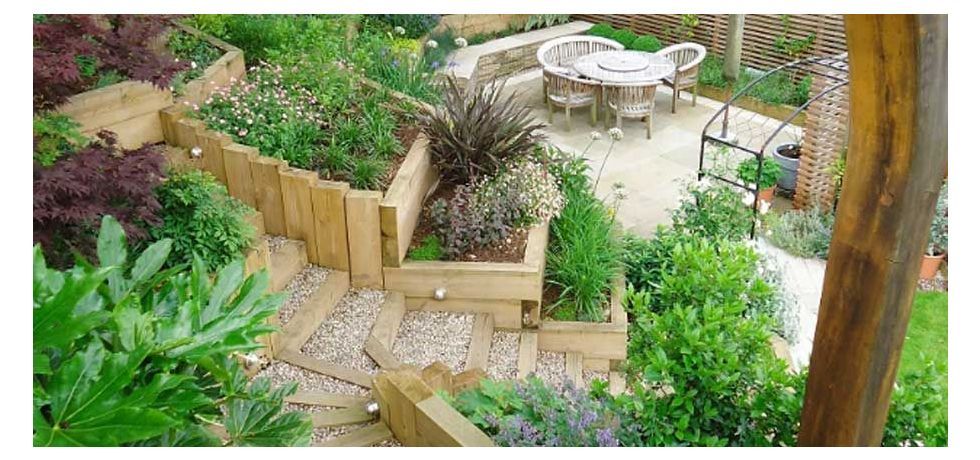
Before planting a single flower or laying a single stone, ask yourself why you want this outdoor space. Is it for entertaining guests? For quiet moments alone? Or perhaps for children to play safely? Understanding your needs shapes everything else you do. When you know what you’re trying to accomplish, you can make choices that support both form and function. For example, if entertaining is important, consider how traffic flows through the area. A well-designed pathway leads people naturally from one zone to another. If you’re planning a dining area, think about where the sun will shine and how you’ll manage shade during peak hours. Purpose-driven design prevents you from adding elements that don’t serve a clear role in your daily life. You’ll find yourself using the space more often, and it will feel more meaningful. The result? A garden that feels like a true extension of your home, not a chore to manage.
Choose Plants Wisely
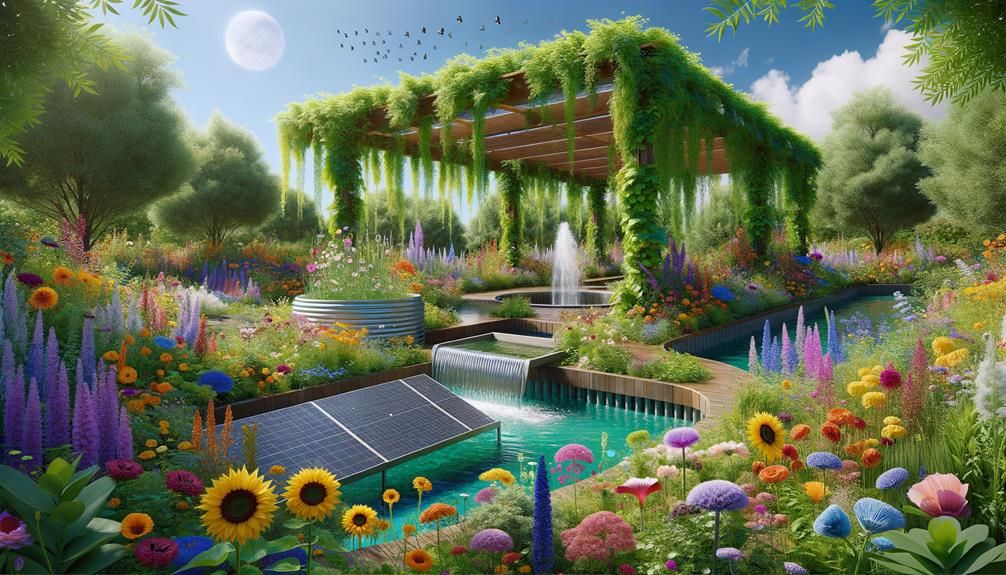
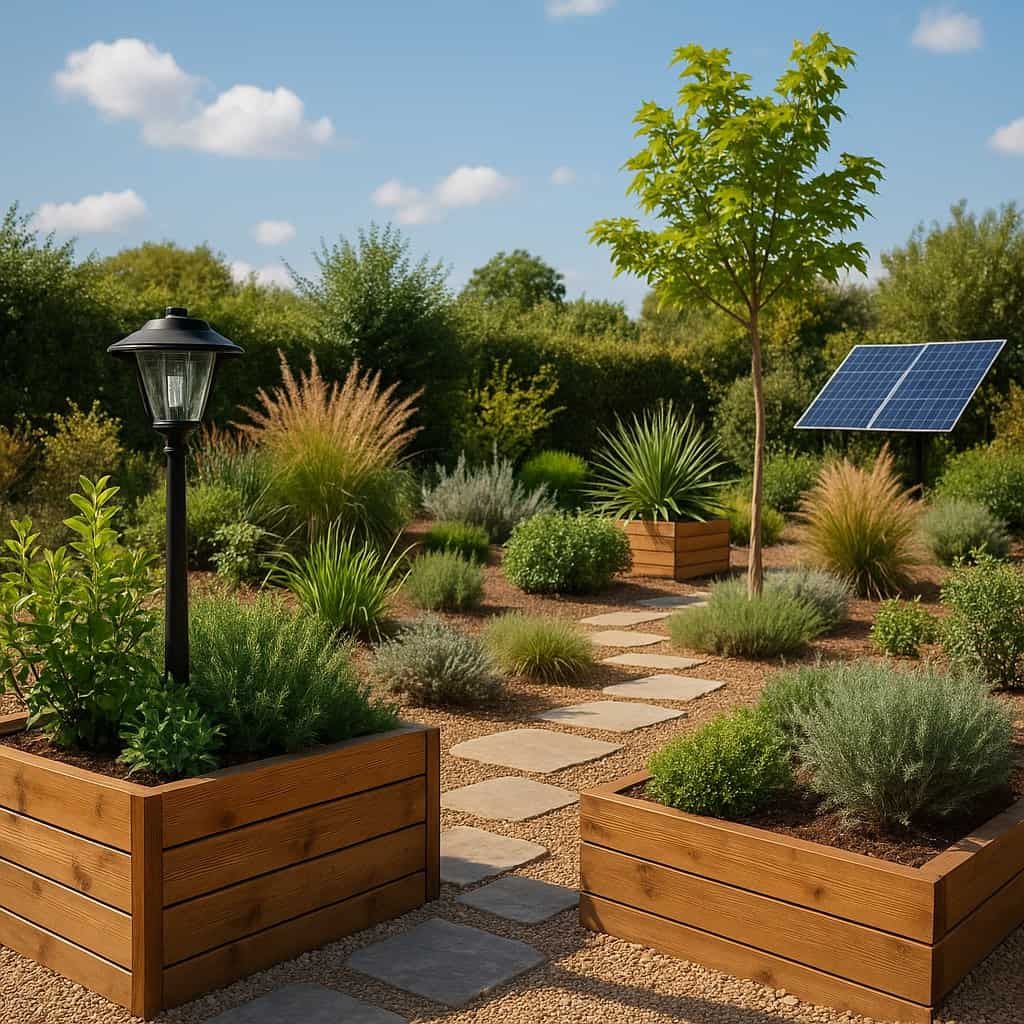
This might sound obvious, but many people make the mistake of selecting plants based solely on their appearance. The most stunning garden uses plants that match your lifestyle and environment. Native plants are often the best choice because they’ve adapted to local conditions over generations. They require less water, fewer fertilizers, and less pest control than non-native species. Think about what your soil type is like, how much sun or shade each area gets, and how much time you want to spend caring for them. Some plants are naturally drought-tolerant, others thrive in shady spots, and some even bloom with minimal attention. A great strategy is to group plants by their care requirements. This way, you can easily tend to similar needs together instead of constantly checking individual plant needs. You might choose a mix of perennials that return year after year, annuals that add seasonal color, and maybe a few hardy shrubs that provide structure. The key is choosing plants that complement your schedule and climate rather than fighting against them.
Plan for Long-Term Sustainability
Great outdoor design looks beyond the first season. It considers how your space will change over time and prepares for those changes. This means thinking about growth rates, eventual size, and how plants will interact with each other. A small tree planted today might overshadow a delicate flower bed in ten years. Planning ahead prevents these issues before they happen. Consider using slow-growing plants initially and then filling in gaps as needed. Also, plan for seasonal variations in your space. What does your garden look like in winter? Does it still feel inviting? Sometimes, the most beautiful designs are those that remain interesting year-round. Incorporating elements like evergreen shrubs, ornamental grasses, or structural features helps maintain visual appeal throughout all seasons. Additionally, think about how maintenance needs will evolve. A garden that looks wonderful today might become overwhelming tomorrow if not planned properly. Sustainable design creates a balance between beauty and practicality that works for years to come.
Use Smart Materials and Structures
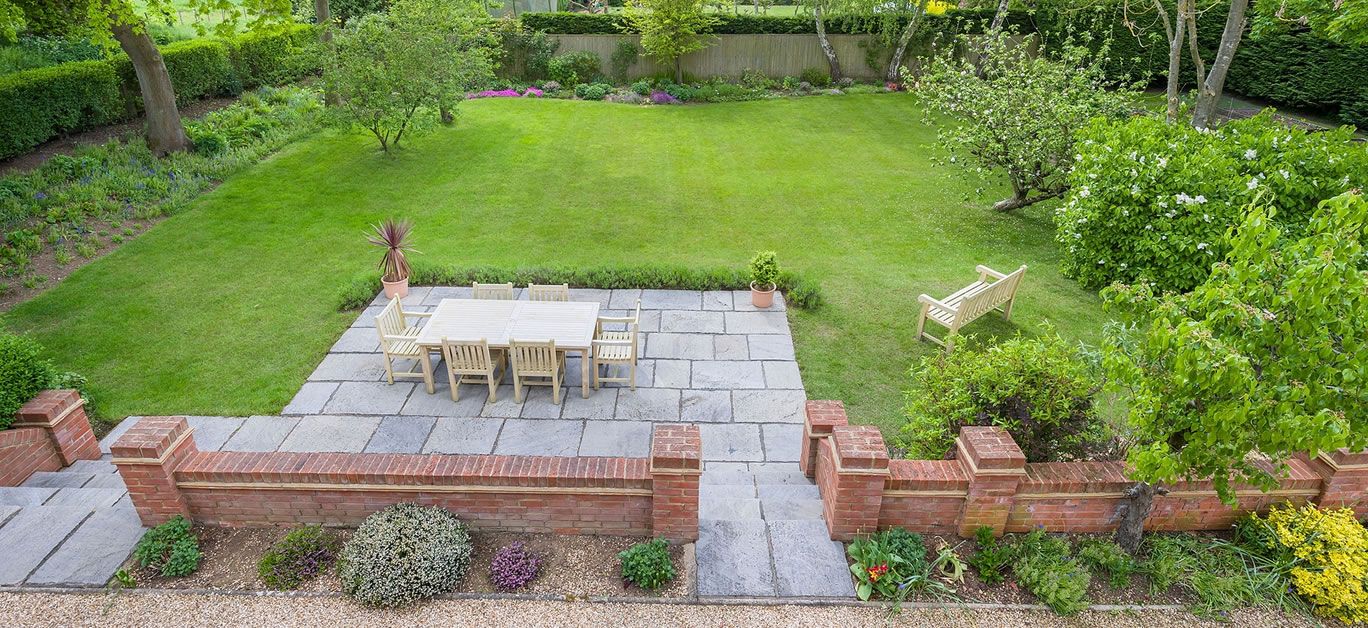
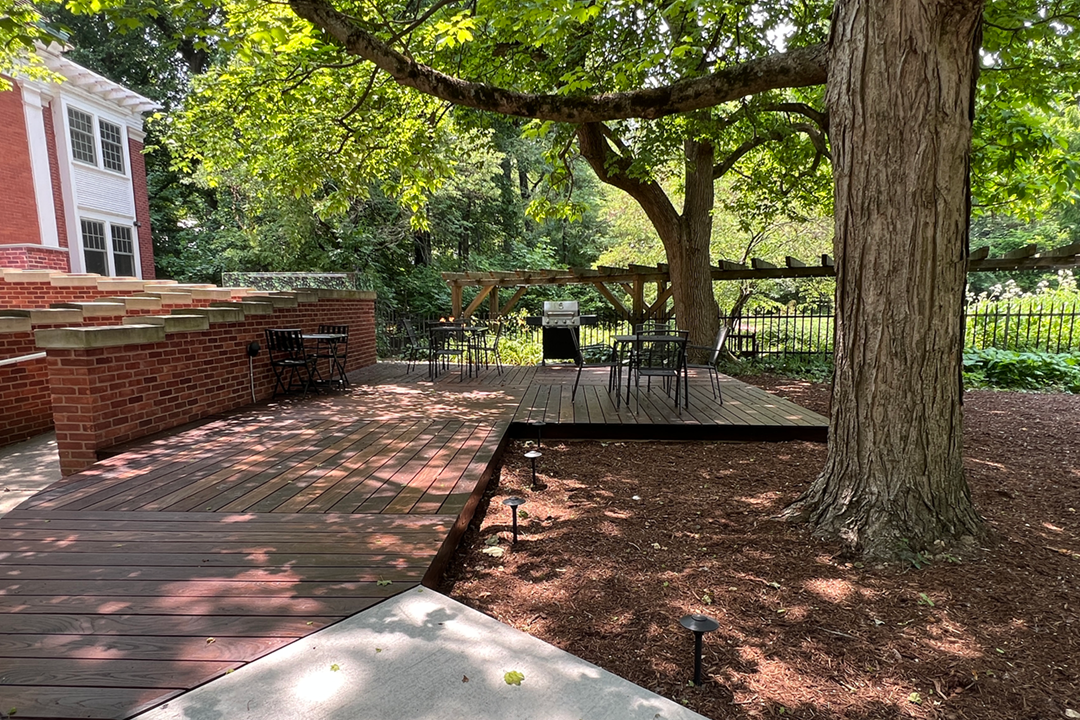
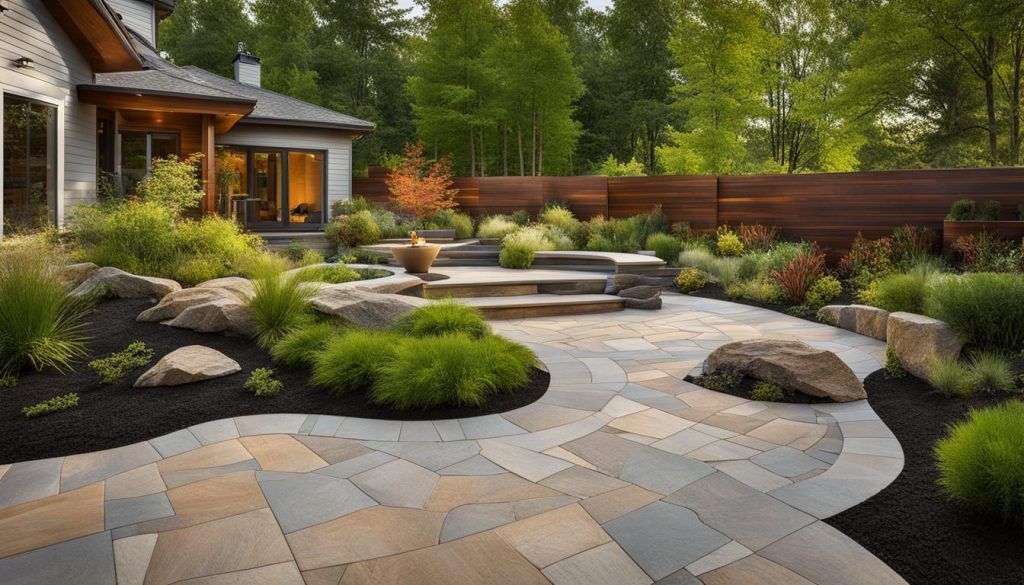
The materials you choose affect both the look and longevity of your outdoor space. Selecting durable options saves money and time in the long run. Concrete pavers, natural stone, and weather-resistant wood are better choices than cheaper alternatives that need frequent replacement. When designing pathways, consider how they’ll handle foot traffic and weather conditions. A well-built path won’t crack or shift under pressure, reducing the need for repairs. Similarly, choosing quality materials for patios, decks, and seating areas means fewer replacements and more enjoyment. Don’t overlook the importance of proper drainage either. Water damage is one of the biggest causes of outdoor structure problems. Good drainage prevents puddles, protects your foundation, and keeps your space looking neat. Also, think about how different materials will age. Some fade quickly in direct sunlight, while others maintain their appearance for decades. Choosing wisely now prevents headaches later when you’re trying to fix things that shouldn’t have broken in the first place.
Create Zones That Work Together
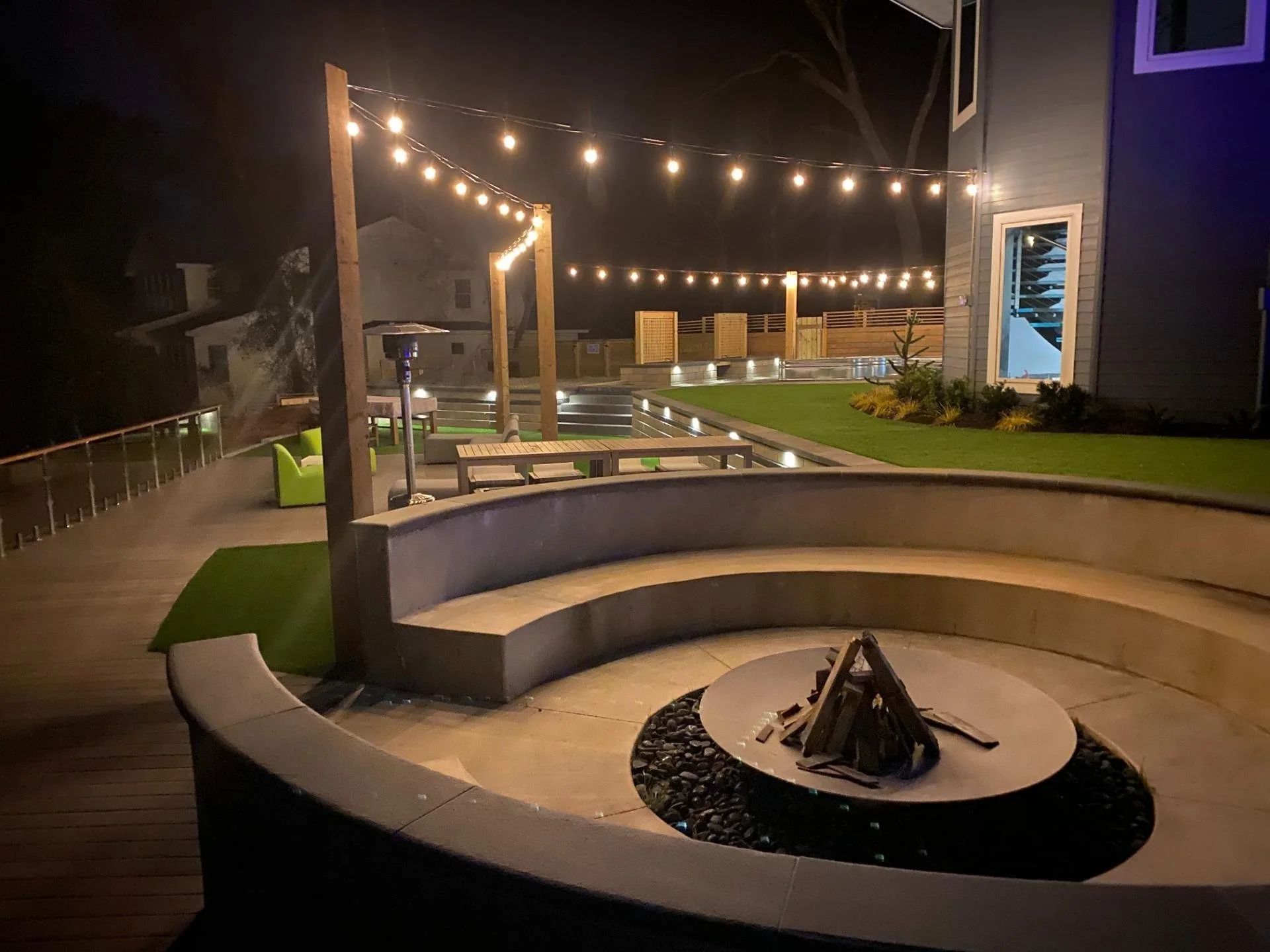
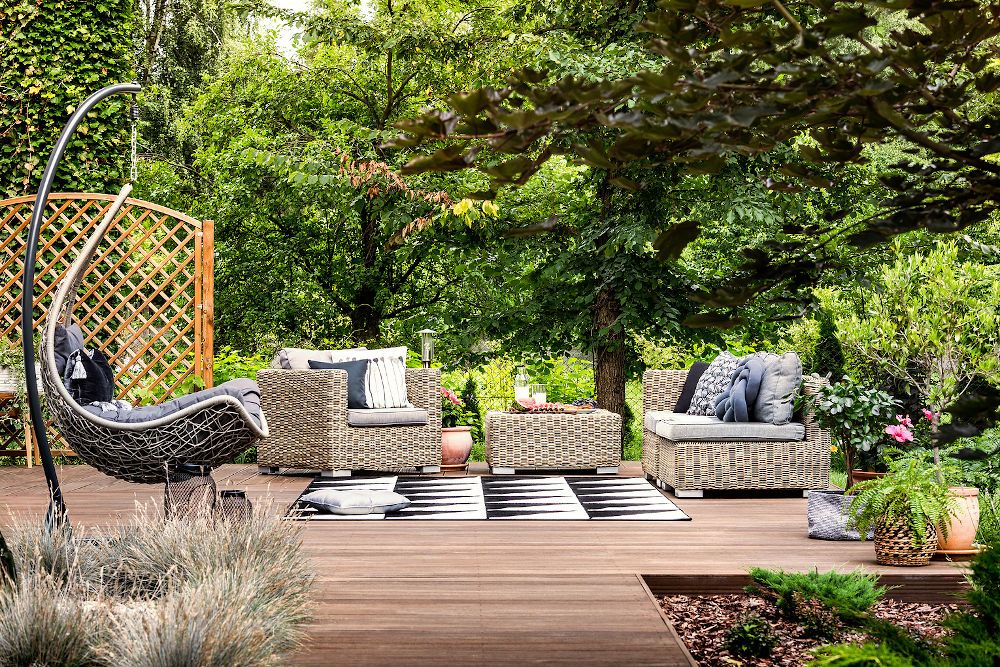
An effective outdoor space isn’t just a collection of pretty things—it’s a series of functional areas that work together. Think of your space like a house inside your home. You have a living room for relaxing, a kitchen for cooking, and bedrooms for sleeping. Similarly, your outdoor area needs zones for different activities. Maybe you have a dining area, a lounging spot, and a play zone for kids. Each zone should have its own character but connect smoothly to others. This creates a sense of flow that makes the whole space feel intentional rather than random. Clear boundaries help define these areas without feeling rigid. A simple fence, a row of plants, or even a different surface material can separate one zone from another. The goal is to make each area easy to use and visually distinct. When people move through your outdoor space, they should feel naturally guided from one activity to the next. This thoughtful zoning makes the area more enjoyable and practical for everyone who uses it.
Embrace Simplicity in Design
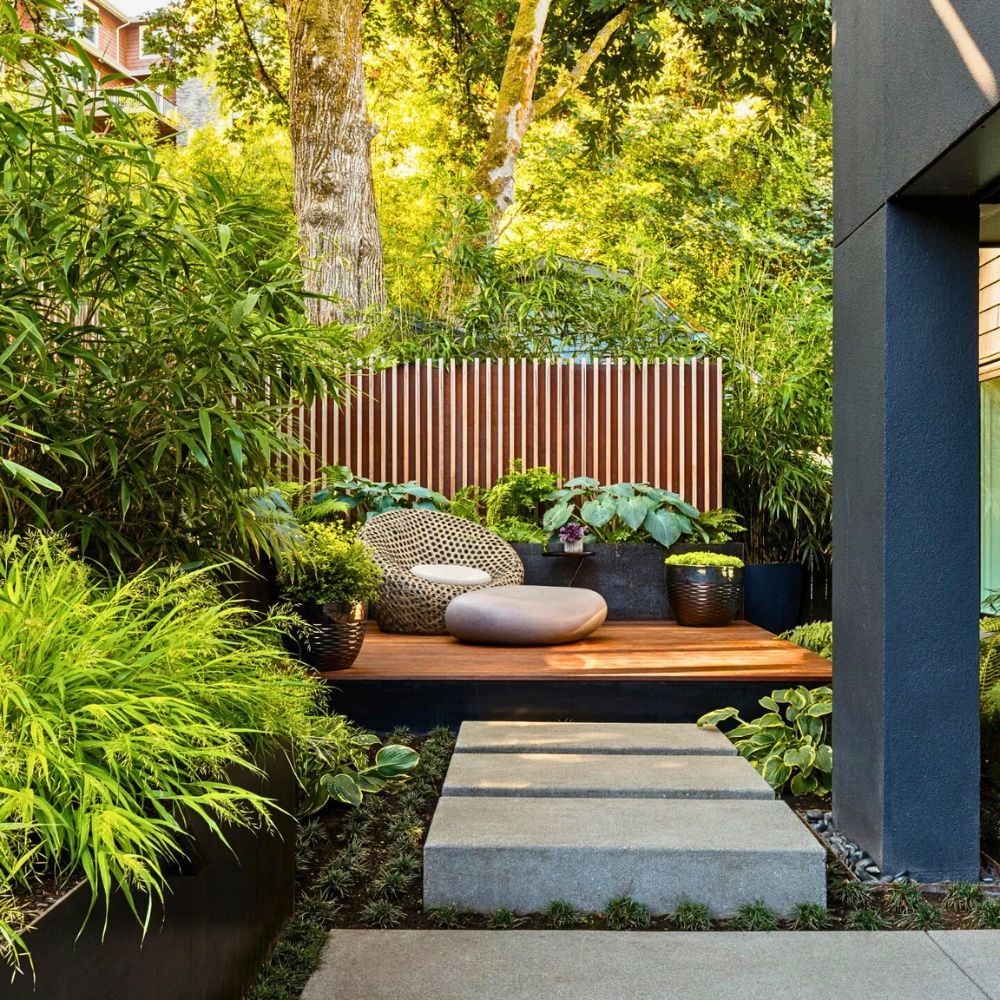
Sometimes less really is more when it comes to outdoor design. Overcomplicating a space with too many elements can make it feel chaotic and difficult to maintain. Focus on a few strong design elements rather than trying to do everything at once. A beautiful focal point, like a striking tree or artistic sculpture, can anchor an entire area. Let that element speak for itself rather than trying to surround it with dozens of smaller features. Simpler designs are easier to keep clean and maintain. You won’t waste time on tiny details that don’t matter much. Instead, concentrate on larger elements that make a lasting impression. This approach also allows you to invest more thought and resources into the most important parts of your space. A well-planned simple design often creates a stronger impact than a cluttered one. Think about what you want to emphasize in your garden. Is it a view, a gathering spot, or perhaps a peaceful retreat? Once you know that, you can simplify everything else to support that vision.
Designing outdoor areas that are both beautiful and low-maintenance isn’t about luck or talent—it’s about following proven principles that work with nature and your lifestyle. By starting with purpose, choosing the right plants, planning for sustainability, using smart materials, creating functional zones, and embracing simplicity, you can create spaces that truly work for you. These principles don’t just make your garden easier to manage; they enhance your relationship with the outdoors. You’ll find yourself spending more time enjoying your space rather than fixing problems. The result is a garden that reflects your personality while requiring minimal effort to keep looking great. Whether you’re redesigning your entire backyard or just updating a small corner, these fundamentals provide a solid foundation for creating outdoor areas that stand the test of time. The key is taking a thoughtful approach that balances aesthetics with practicality. When you do that, your outdoor space becomes a true extension of your home and lifestyle.