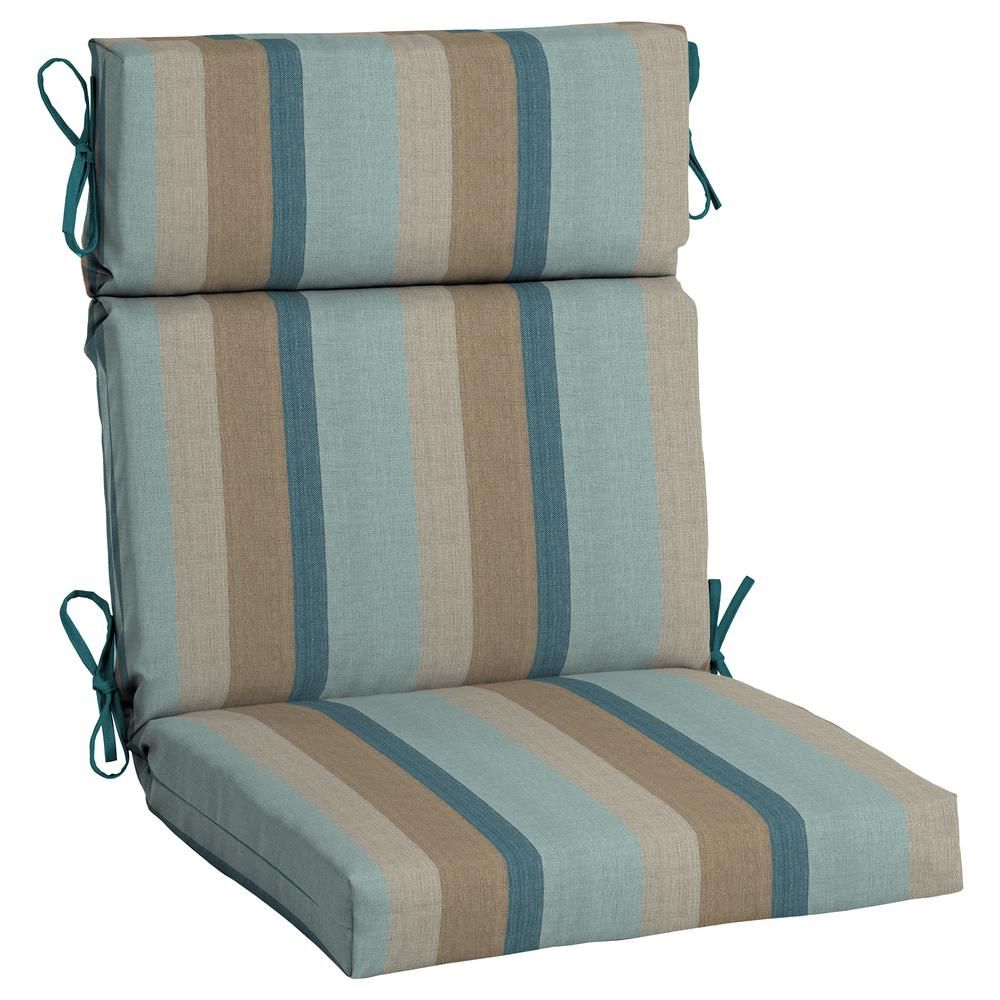
Outdoor living is all about comfort and style, right? And what’s more important than having some comfy pillows to lounge on while you’re outside? But when it comes to outdooor pillows, there’s a whole world of materials out there, from the well-known Sunbrella to some surprising alternatives. This article is going to break down the pros and cons of Sunbrella pillows and some other popular choices, helping you make the best decision for your outdoor space. It’s not about sales pitches; it’s about providing you with the information you need to make an informed choice and create your own outdoor oasis.
The right outdoor pillows can completely transform your patio, deck, or garden. They add a touch of coziness, make your seating areas more inviting, and let you enjoy the great outdoors in complete ease. But with so many options available, choosing the perfect pillows can feel overwhelming. Sunbrella pillows are a top contender, known for their durability and weather resistance. However, they’re not the only game in town. Let’s dive in and explore the world of outdoor pillows, comparing Sunbrella to its competitors and helping you find the perfect match for your needs.
Sunbrella Pillows: The Gold Standard?
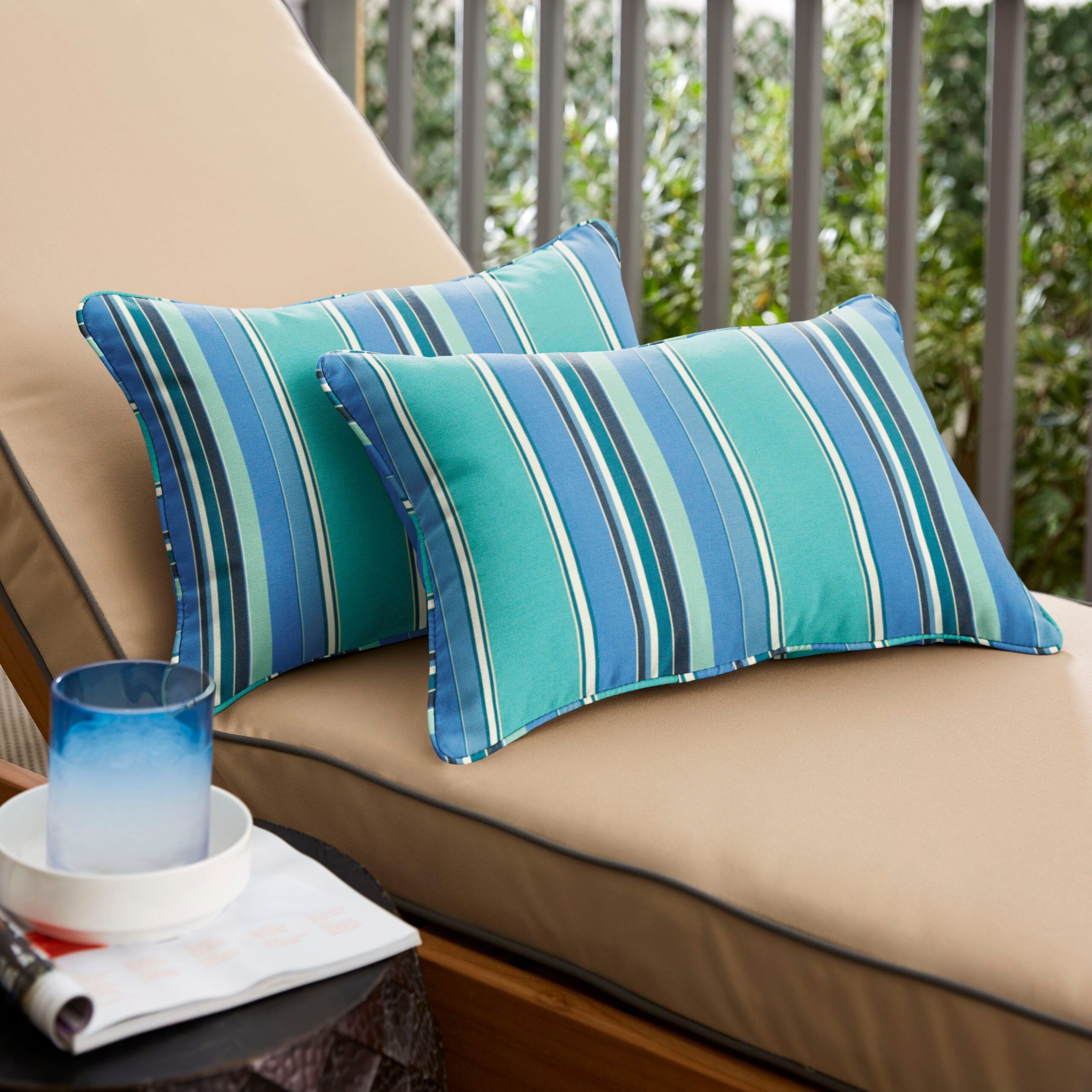
Sunbrella is a brand that’s almost synonymous with outdoor fabrics. They are known for their solution-dyed acrylic fabrics, which means the color is actually part of the fiber, not just applied to the surface. This makes Sunbrella fabrics exceptionally fade-resistant. And they can withstand all kinds of weather, from sun and rain to mildew and mold.
Pros:
- Highly fade-resistant
- Water-resistant and repels stains
- Durable and long-lasting
- Wide range of colors and styles available
Cons:
- Can be a bit more expensive than some alternatives
- May not be as soft as some other materials
- Can sometimes feel a bit stiff, especially when new
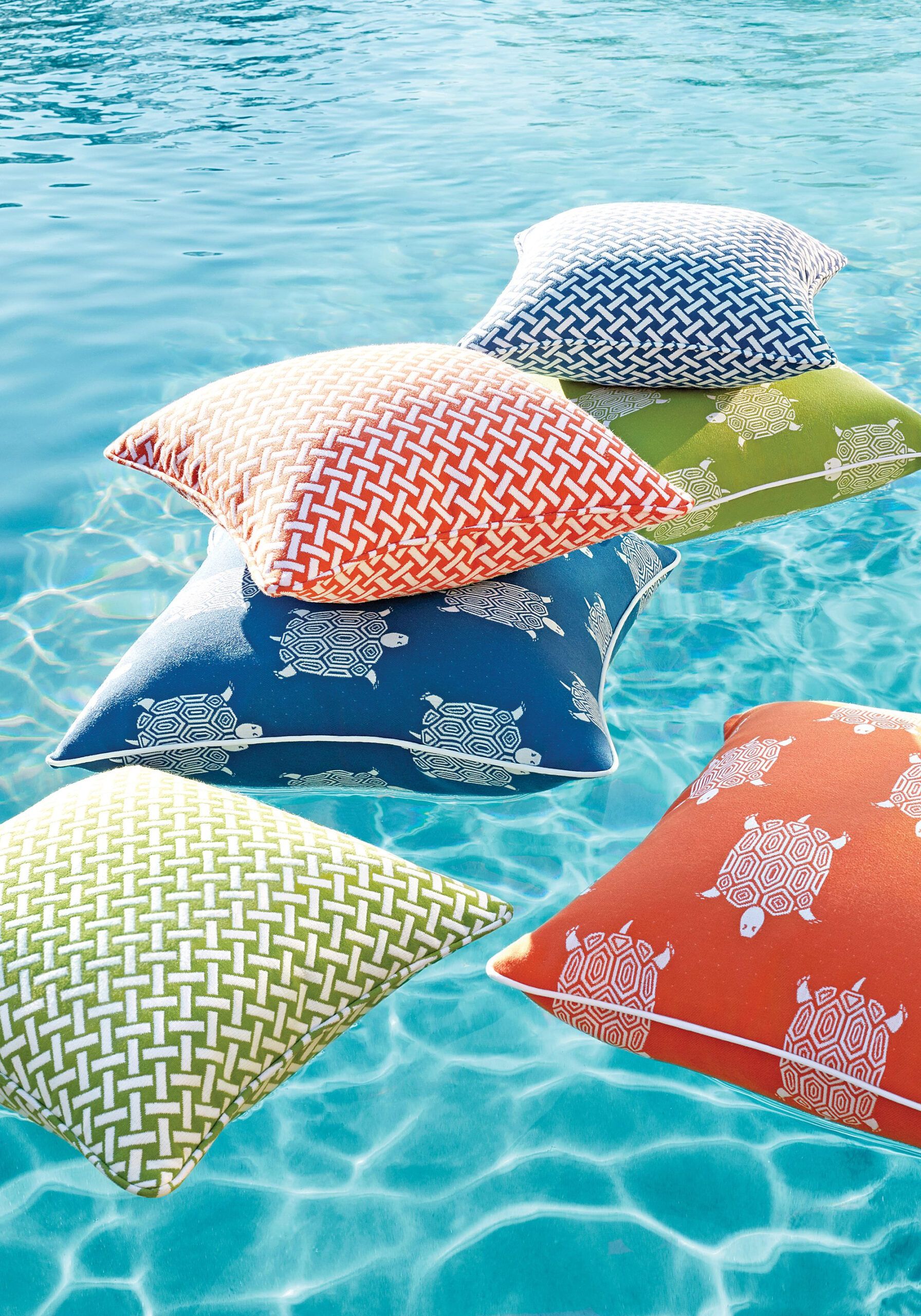
Sunbrella pillows are an excellent choice if you live in an area with intense sun exposure or frequent rain. They’re a long-term investment that will keep your outdoor space looking great for years. For example, if you have a pool area, Sunbrella is a natural choice, since it’s made to resist chlorine and salt water.
Exploring the Alternatives: Other Outdoor Pillow Materials
While Sunbrella is a popular pick, there are other great materials to consider for your outdoor pillows. Each has its own set of advantages and disadvantages, and the best choice for you will depend on your budget, lifestyle, and aesthetic tastes.
Polyester: This is a very common and wallet-friendly option. Polyester pillows are usually water-resistant and easy to clean. However, they may not be as durable as Sunbrella and can fade more quickly in the sun. They are great for temporary use or if you need a lot of pillows on a budget.
Olefin: Olefin is another synthetic fabric that’s similar to polyester, but it often feels a bit softer. It’s water-resistant, resists stains, and is resistant to mold and mildew. Olefin is a good middle-ground choice, offering a balance of durability, affordability, and comfort.
Textilene: Textilene is a mesh-like fabric made from PVC-coated polyester. It’s super breathable, which makes it ideal for hot climates. Textilene is also very durable and easy to clean. But it might not be as comfy as some other choices. It’s a great choice for a pool or a beach.
Cotton Canvas: Some people like cotton canvas, but it is not really the best choice for outdoor use. It can stain and fade very easily. You can get some that are treated to be water-resistant, but they are not as durable as the other options.
Durability and Weather Resistance: What to Look For
The key to choosing the right outdoor pillow is understanding how well it will hold up against the elements. Here’s a breakdown of what to look for:
Water Resistance: This is a must-have. Look for fabrics that are water-resistant or, better yet, waterproof. This will protect your pillows from rain and accidental spills.
Fade Resistance: The sun can wreak havoc on outdoor fabrics. Choose materials that are specifically designed to resist fading, such as solution-dyed acrylics (like Sunbrella).
Mildew and Mold Resistance: Outdoor pillows are often exposed to moisture, which can lead to mildew and mold growth. Look for fabrics that are treated to resist these problems.
Stain Resistance: Accidents happen. Choose fabrics that are easy to clean and resistant to stains. This will help keep your pillows looking their best.
Construction: Pay attention to the construction of the pillow. Look for sturdy seams and high-quality stitching to ensure it holds up over time. The filling matters too, a quick-dry foam is your friend.
Comfort and Style: Finding Your Perfect Match
Beyond durability, you’ll also want to consider comfort and style. After all, your outdoor pillows should be inviting and complement your overall décor.
Consider the Fill: The filling of your pillow affects how it feels. Some options:
- Polyester Fill: Is a common, affordable choice, offering good support.
- Foam Fill: Quick-drying foam is a great choice for outdoor pillows because it allows water to drain and prevents mildew.
- Down or Feather Fill: Provide a luxurious feel, but they’re not ideal for outdoor use as they absorb water.
Think About Texture: Do you prefer a smooth surface or something with more texture? The texture of the fabric can impact the overall feel of the pillow.
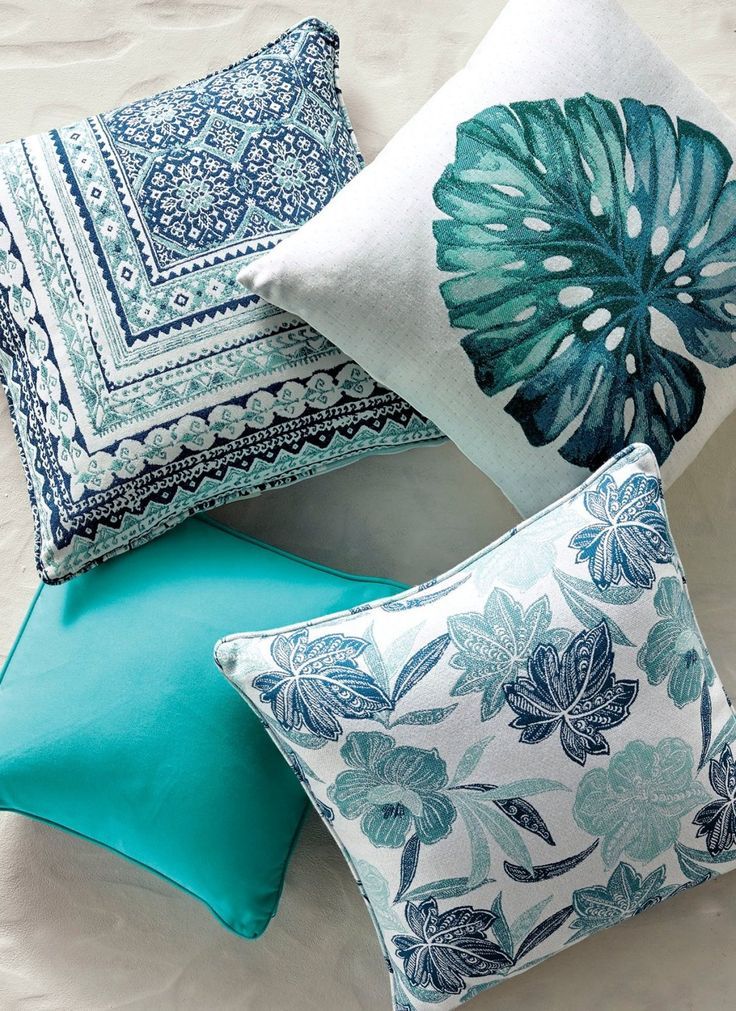
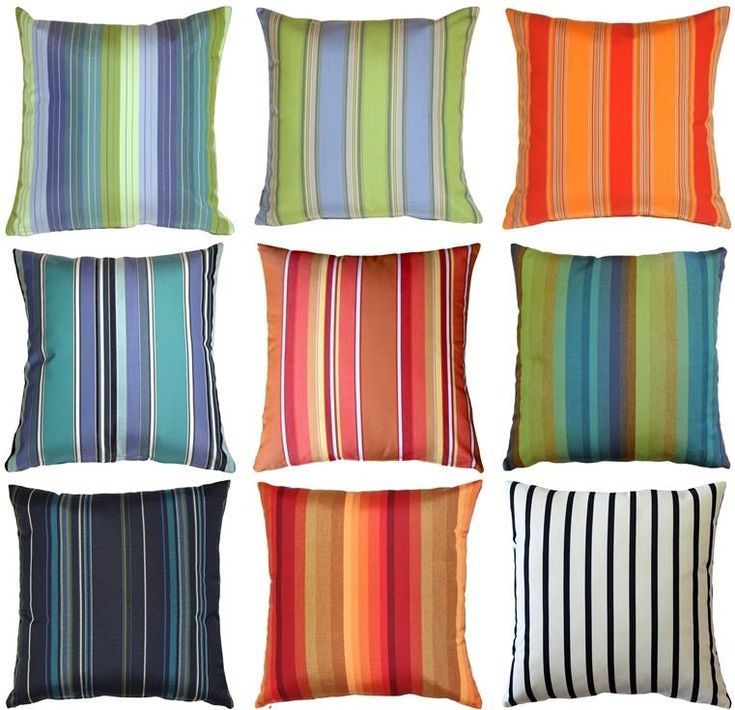
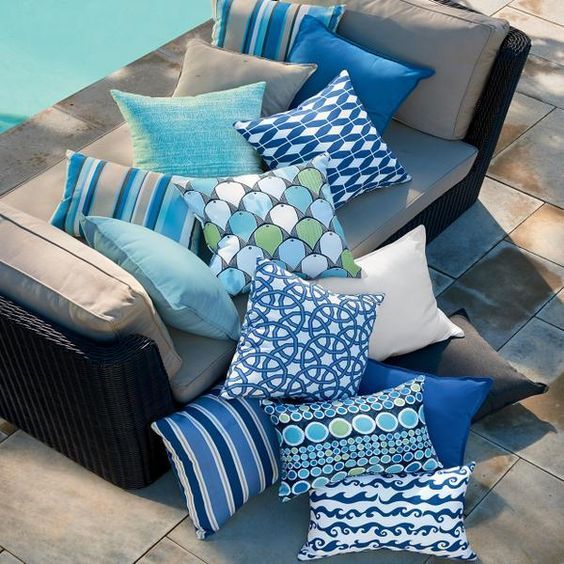
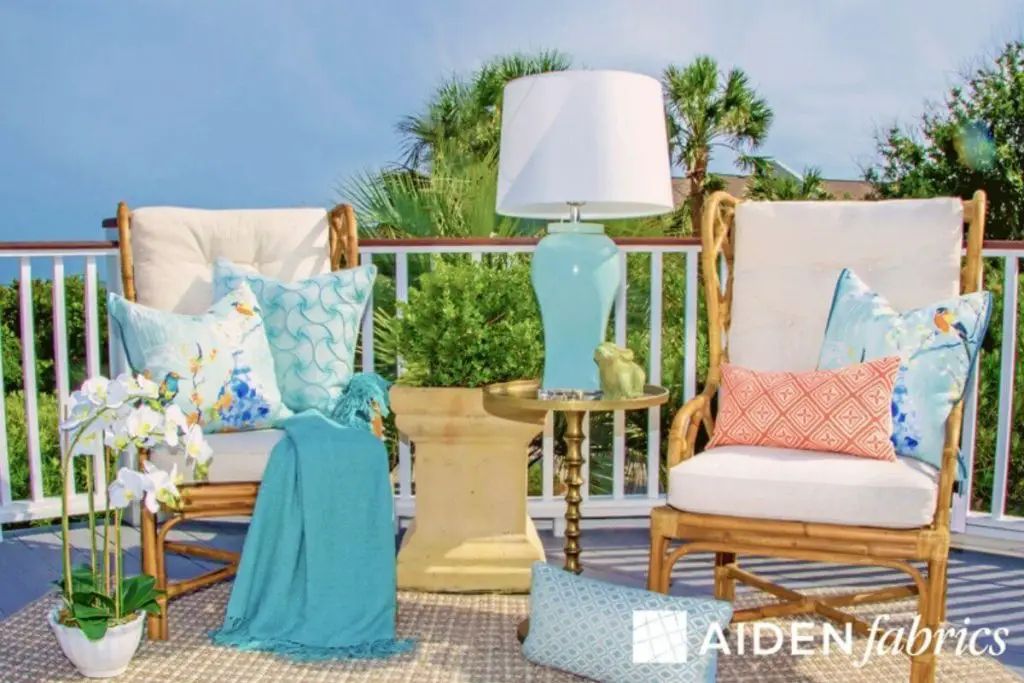
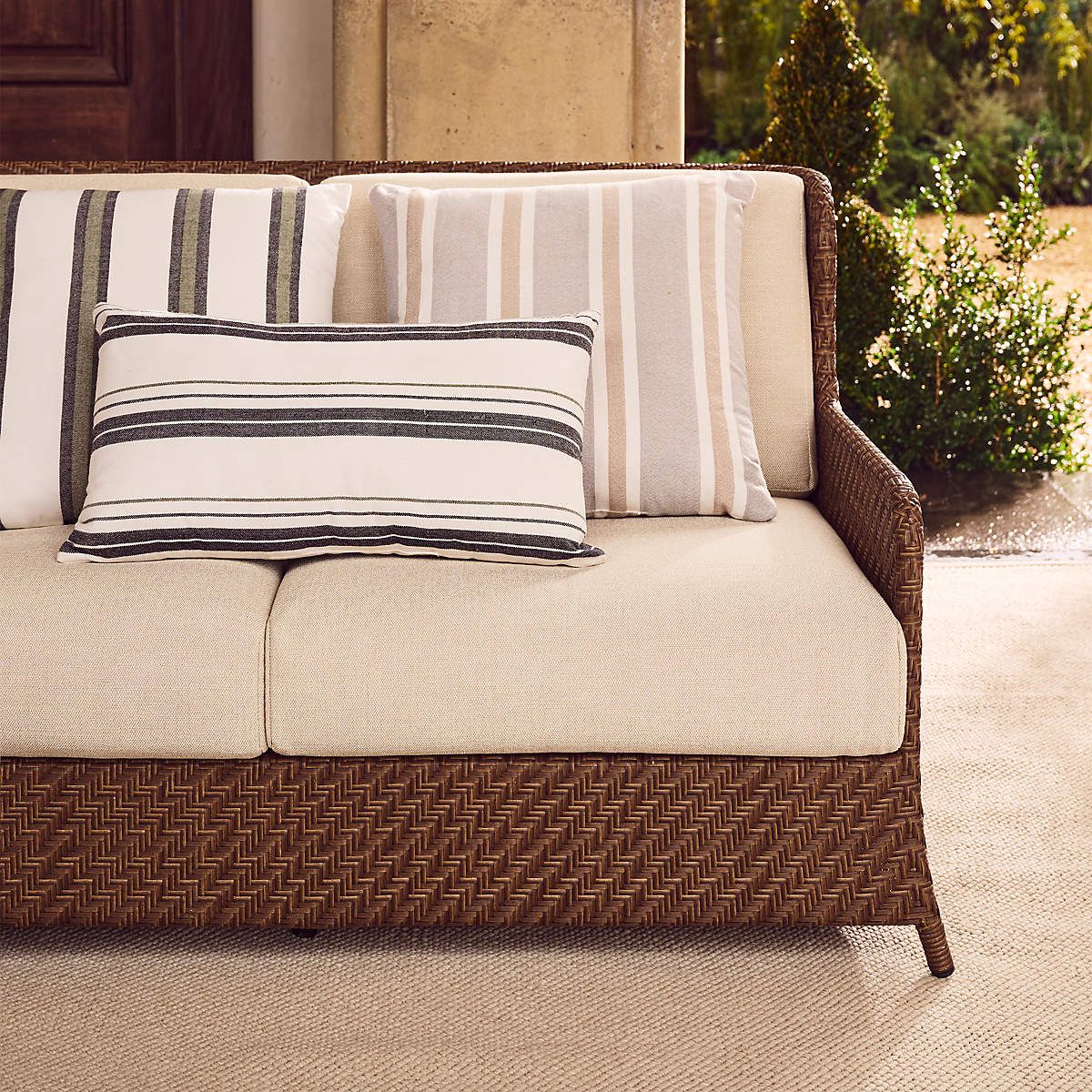
Choose the Right Colors and Patterns: Outdoor pillows are a great way to inject personality into your space. Choose colors and patterns that complement your existing furniture and décor. Consider using solid colors for a classic look or bold prints for a more playful vibe. Don’t be afraid to mix and match different sizes, shapes and colors to create a visually appealing arrangement.
Size and Shape: Consider the size and shape of your furniture when choosing pillows. Larger cushions might be better for a couch, while smaller ones may be ideal for individual chairs.
Care and Maintenance: Keeping Your Pillows in Top Shape
No matter which outdoor pillows you choose, proper care and maintenance are crucial to extending their lifespan. Here are some tips:
Regular Cleaning: Clean your pillows regularly to remove dirt, dust, and debris. Follow the manufacturer’s instructions for cleaning. For most Sunbrella fabrics, you can simply brush off loose dirt and then rinse with water. For tougher stains, use a mild soap and water solution.
Spot Cleaning: Address spills and stains immediately to prevent them from setting in. Blot the stain with a clean cloth and mild soap and water.
Storage: When not in use, store your pillows in a dry, well-ventilated area. This will protect them from the elements and prevent mildew and mold growth. You can use a storage bin or bag to keep them clean and organized.
Protective Covers: Consider using protective covers for your pillows, especially during the off-season or during periods of heavy rain or intense sun. This will help extend their life even more.
Rotation: Rotate your pillows regularly to ensure even wear and tear and prevent fading in one spot.
Making Your Final Decision
Choosing the right outdoor pillows is a personal decision. Sunbrella pillows are a great pick if you want top-of-the-line durability and fade resistance. However, other materials like polyester and olefin can be excellent choices if you’re on a budget or want something a little softer. Think about your climate, how much use your pillows will get, and your personal style. By weighing all these factors, you can find the perfect outdoor pillows to create a comfortable and inviting space for you and your family to enjoy. And remember, investing in quality outdoor pillows is an investment in your overall comfort and enjoyment of your outdoor living area.
So, there you have it – a comprehensive guide to Sunbrella pillows versus the competition. We’ve explored the pros and cons of various materials, considered factors like durability and comfort, and provided practical tips for care and maintenance. No matter your choice, the right outdoor pillows can transform your patio or deck into a relaxing oasis. Happy lounging, and enjoy the sunshine.