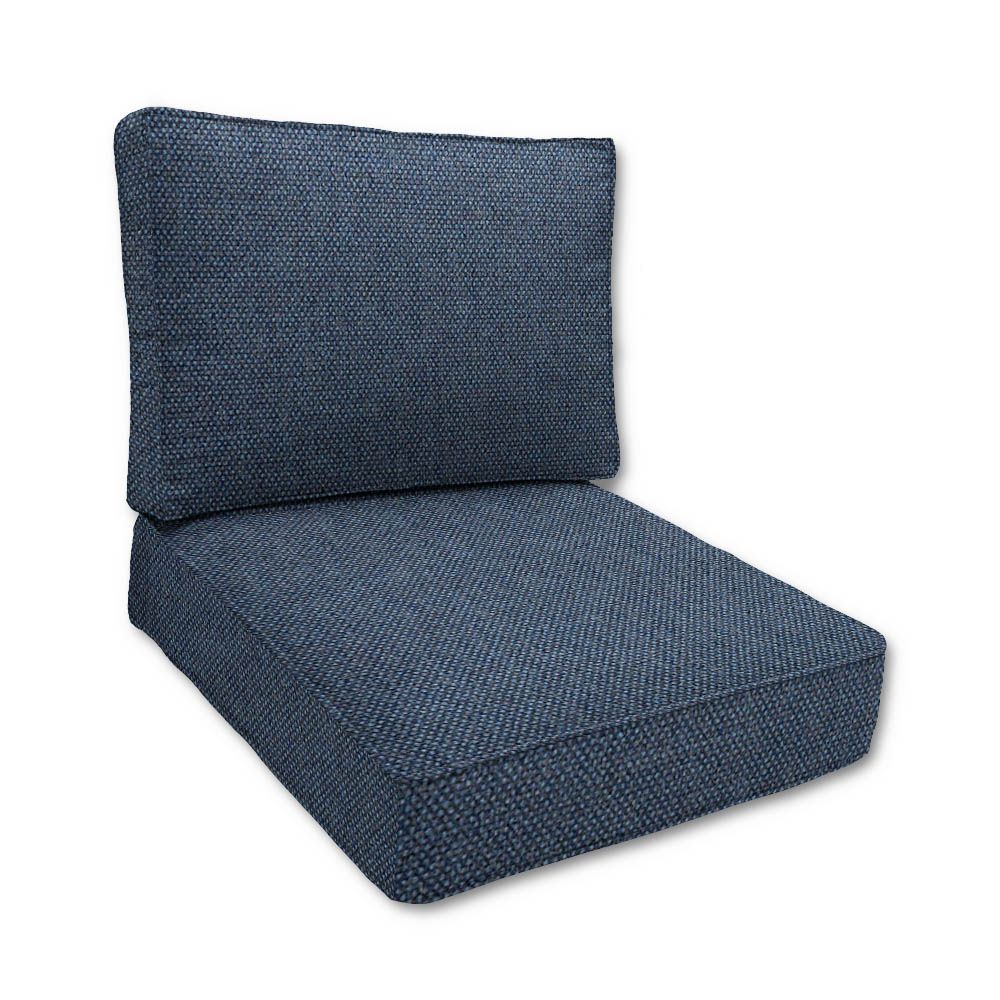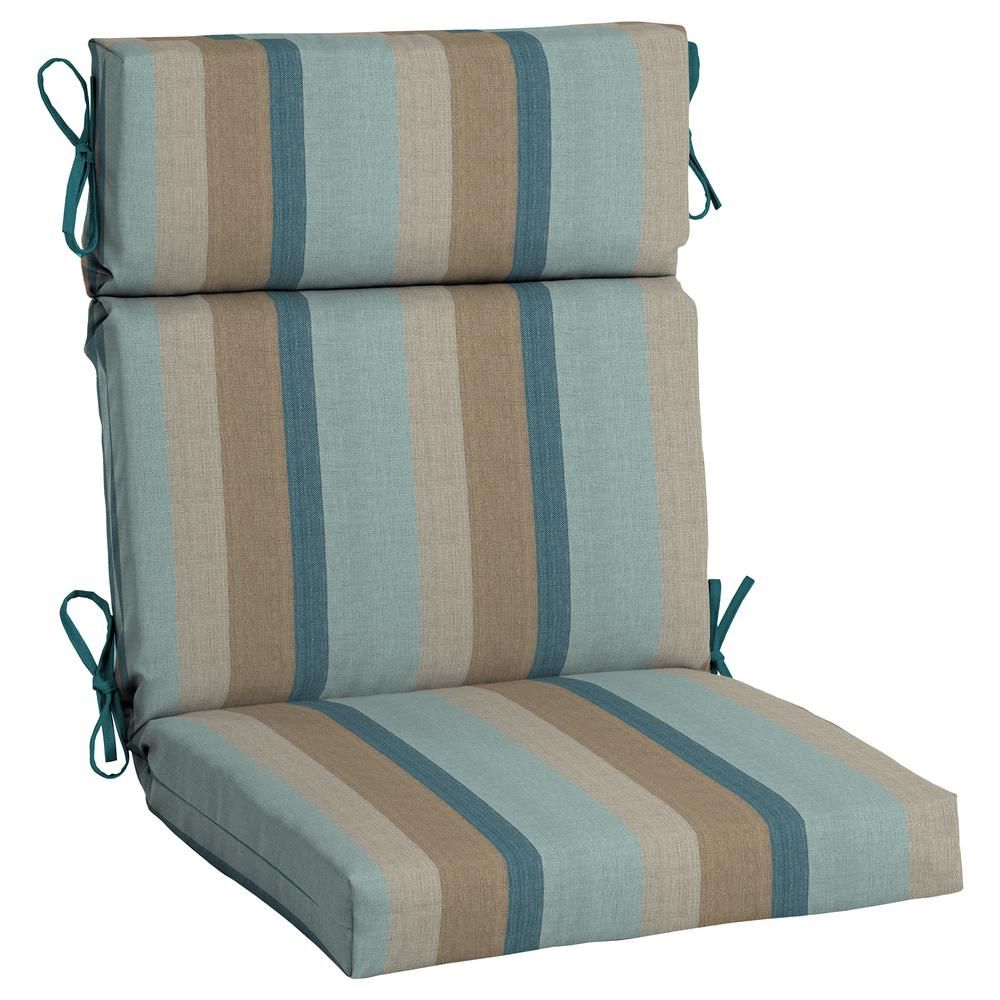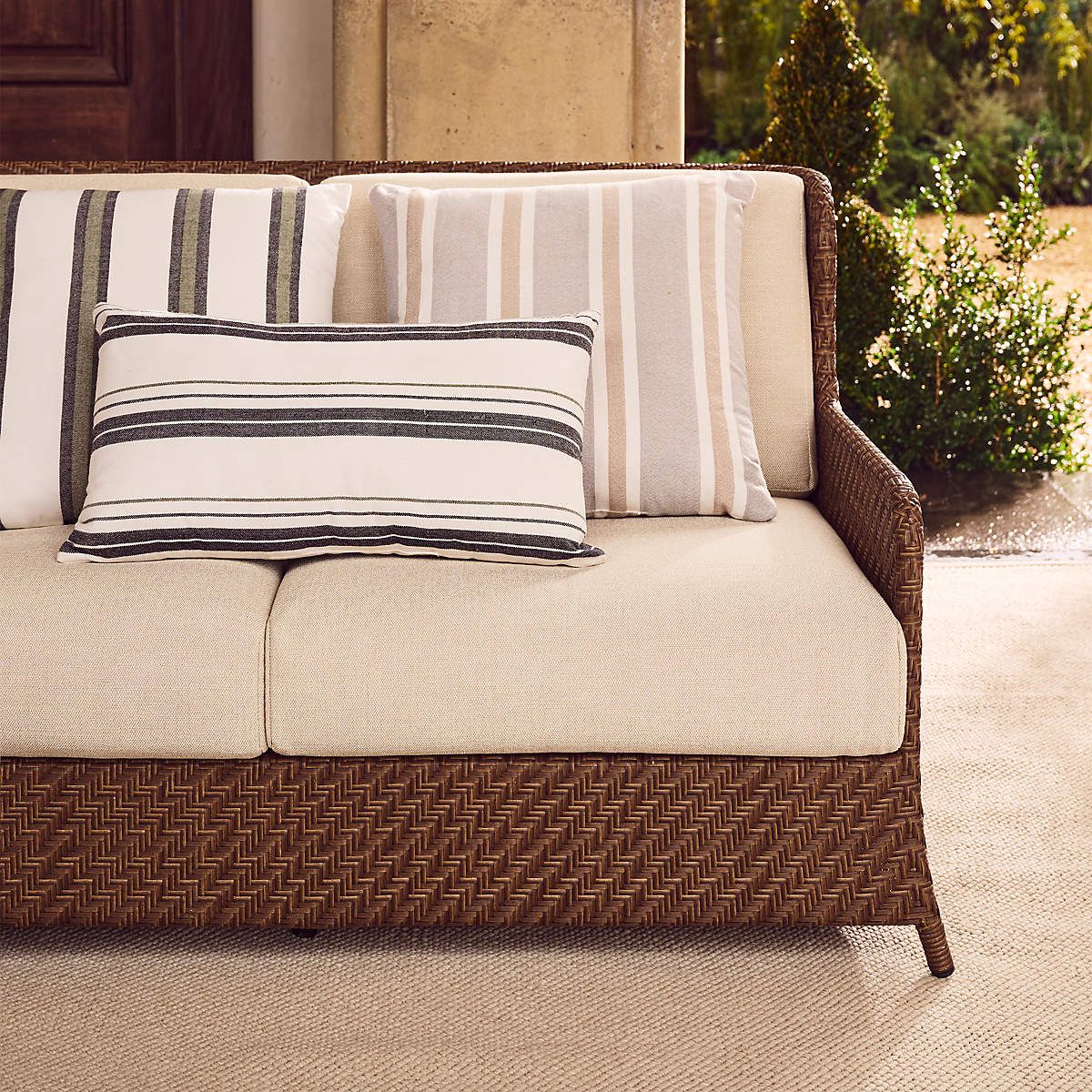
As an aficionado of all things textile, specifically those engineered for the great outdoors, I’ve spent decades examining, testing, and even occasionally, ahem, abusing fabrics to understand their true mettle. When it comes to Teresa Outdoor Fabrics, there’s a reason they’ve become a benchmark in the industry. It’s not just about looking good; it’s about enduring the relentless embrace of nature, season after season, without flinching. This isn’t some marketing spiel; it’s about the very core of what makes a fabric durable, and how Teresa has, frankly, nailed it.
In the world of outdoor living, where patios become extensions of our homes and gardens transform into personal sanctuaries, the materials we choose for our furniture and decor are paramount. We want beauty, yes, but more importantly, we demand resilience. No one wants to invest in cushions or awnings only to see them fade, tear, or succumb to the elements within a year or two. This is where the concept of ‘durability’ transcends a mere buzzword and becomes the very foundation of quality. Teresa Outdoor Fabrics have carved a niche by consistently delivering on this promise, offering a robustness that stands up to sun, rain, wind, and even the occasional spilled beverage. Let’s peel back the layers and truly understand what gives these fabrics their incredible staying power.
The Fiber Foundation: It All Starts at the Micro-Level
You can’t talk about fabric durability without first dissecting the fibers themselves. Teresa Outdoor Fabrics primarily utilize solution-dyed acrylics and high-performance polyesters, sometimes a blend, each chosen for specific attributes.
Solution-Dyed Acrylic: Color That Goes Deep
Imagine a carrot. When you cut it, the color is the same all the way through, right? That’s what ‘solution-dyed’ means for acrylic fibers. Instead of dyeing the yarn or fabric after it’s made, the color pigment is actually mixed into the liquid polymer before it’s extruded into a fiber. This means the color isn’t just on the surface; it’s an integral part of every single fiber. Why does this matter for durability?
- Unrivaled Fade Resistance: The sun’s UV rays are a fabric’s worst enemy, breaking down dyes and leading to unsightly fading. Because the color is locked within the fiber, solution-dyed acrylics from Teresa exhibit extraordinary resistance to UV degradation. They keep their vibrant hues even after prolonged exposure.
- Chemical and Stain Resistance: This inherent color also makes the fabric less susceptible to harsh cleaning agents or accidental spills. The fiber itself is more resistant to absorption, making cleaning simpler and preserving the fabric’s appearance.
High-Performance Polyester: Strength and Stability
While acrylic handles UV like a champ, polyester brings its own superpowers to the table, particularly in terms of tensile strength and dimensional stability. Teresa’s use of high-grade polyesters ensures that the fabric can withstand significant pulling or stretching without tearing or losing its shape. This is crucial for applications like awnings or sling chairs where tension is a constant factor. Polyester also offers excellent abrasion resistance, meaning it can handle constant rubbing without showing wear and tear too quickly.
Weave Structures and Their Impact on Toughness
Beyond the fiber, the way those fibers are interlocked – the weave – plays a critical role in a fabric’s overall resilience. Teresa employs a variety of weave patterns, each selected to optimize for specific performance characteristics.
Tight, Dense Weaves: The First Line of Defense
Many of Teresa’s fabrics feature tightly woven structures, often in plain or basket weaves. A dense weave means there are more threads per inch, creating a tighter, more cohesive material. This density directly contributes to:
- Tear Strength: A fabric with more interlaced threads is inherently harder to tear. If one thread breaks, the surrounding threads hold the structure together, preventing a small tear from becoming a large rip.
- Puncture Resistance: While not impervious, a tighter weave makes it more difficult for sharp objects to penetrate the fabric, providing a measure of protection against everyday mishaps.
- Wind Resistance: For applications like umbrellas or pergolas, a dense weave helps to block wind more effectively, reducing flapping and stress on the fabric.
Specialized Weaves for Specific Needs
For some commercial applications or specific aesthetic requirements, Teresa might incorporate more complex weaves that offer enhanced breathability or unique textures, always balancing these with the foundational need for durability. The engineering here is quite precise, ensuring that even with different textures, the underlying strength remains.
Finishing Touches: The Unsung Heroes of Outdoor Performance
Once the fabric is woven, it undergoes a series of specialized finishing treatments. These aren’t just superficial coatings; they are scientifically engineered enhancements that provide layers of protection against the elements.
Water and Stain Repellency: The Invisible Shield
Many Teresa Outdoor Fabrics are treated with a durable water repellent (DWR) finish. This isn’t just a waterproofing layer; it causes water to bead up and roll off the surface rather than soaking in. This not only keeps the fabric dry but also prevents waterborne stains and mildew growth. Think of it like a lotus leaf – water just glides away. This treatment also often imparts stain resistance, making it easier to wipe away spills from food, drinks, or even muddy paws.
Antimicrobial and Mildew Resistance: Battling the Biologicals
Outdoor environments are ripe for mold and mildew growth, especially in humid conditions. Teresa fabrics often incorporate antimicrobial agents directly into the finish or even the fiber itself. These agents inhibit the growth of fungi, mildew, and bacteria, preventing unsightly spots, unpleasant odors, and the degradation of the fabric itself. This is a critical factor for long-term aesthetic appeal and structural integrity, particularly in shaded or damp areas.
Rigorous Testing Protocols: Proving the Promise
It’s one thing to design a durable fabric; it’s another to prove it. Teresa Outdoor Fabrics undergo a battery of stringent tests that simulate years of outdoor exposure in accelerated conditions. This isn’t guesswork; it’s scientific validation.
UV Exposure Testing (Xenon Arc and QUV):
Fabrics are exposed to intense artificial UV light, often for thousands of hours, mimicking the sun’s harsh rays. This tests colorfastness and the integrity of the fibers. Fabrics that pass these tests demonstrate superior resistance to fading and degradation.
Abrasion Resistance (Wyzenbeek and Martindale):
These tests simulate constant rubbing and friction, measuring how many cycles a fabric can withstand before showing significant wear. High abrasion resistance means the fabric can handle regular use, sitting, and movement without quickly looking worn out.
Tear and Tensile Strength:
Specialized machines pull and tear samples of the fabric to measure the force required to break them. This quantifies the fabric’s ability to resist ripping and stretching under stress.
Water Repellency and Stain Resistance:
These tests involve spraying water or applying common staining agents to the fabric and observing how well it repels or cleans up. The results directly correlate to real-world performance in spills and rain. The fact that Teresa invests so heavily in these tests speaks volumes about their commitment to delivering a truly robust product. They don’t just say their fabrics are durable; they have the data to back it up.
Maintenance Matters: Prolonging the Lifespan
While Teresa Outdoor Fabrics are engineered for exceptional durability, even the toughest materials benefit from proper care. Think of it like a high-performance car; it’s built to last, but regular oil changes and tune-ups keep it running optimally.
Simple Cleaning Regimens:
Most routine cleaning involves simply brushing off loose dirt, hosing down the fabric with plain water, and allowing it to air dry. For tougher spots, a mild soap solution (like dish soap) and a soft brush can work wonders. Avoid harsh chemicals or abrasive scrubbers, as these can compromise the protective finishes.
Addressing Spills Promptly:
Thanks to the stain-resistant finishes, most spills bead up on the surface. Wiping them away immediately with a clean cloth, perhaps with a bit of water and mild soap, will prevent them from setting in. This proactive approach is key to maintaining the fabric’s pristine appearance.
Seasonal Storage and Protection:
If you live in an area with harsh winters or extreme weather, consider storing cushions indoors or covering your outdoor furniture. This extra step, while not strictly necessary for the fabric’s survival, will significantly extend its aesthetic appeal and overall lifespan, keeping it looking fresh for many more seasons to come. It’s about being a good steward of your investment.
The Investment Perspective: Value Beyond the Price Tag
It’s true that Teresa Outdoor Fabrics might have a higher initial price point compared to some cheaper alternatives. However, when you factor in their exceptional durability and longevity, they represent a far superior long-term investment. A fabric that lasts 5, 7, or even 10+ years, maintaining its color and structural integrity, is far more cost-effective than one that needs replacing every season or two.
Consider the environmental impact too. Choosing durable products means less waste in landfills and a reduced need for frequent manufacturing, making it a more sustainable choice. Ultimately, the ‘secret’ to Teresa’s durability isn’t one single magical ingredient, but rather a holistic approach: superior fiber selection, intelligent weave design, advanced finishing treatments, and rigorous quality control. It’s a testament to thoughtful engineering and a deep understanding of what it takes for textiles to not just survive, but thrive in the great outdoors.
In conclusion, the ‘durability secrets’ of Teresa Outdoor Fabrics are not really secrets at all, but rather a transparent commitment to excellence across every stage of production. From the very inception of the fiber as a solution-dyed acrylic or high-performance polyester, through the meticulous weaving processes and the application of advanced protective finishes, every step is designed to build in resilience. Couple this with their relentless pursuit of quality through rigorous testing, and you have a product that truly lives up to its promise.
As someone who has seen countless fabrics come and go, I can confidently say that Teresa has established itself as a reliable cornerstone for any outdoor space. Their fabrics are built not just to withstand the elements, but to remain beautiful and functional, providing comfort and style for years to come. It’s an investment in enduring quality, and frankly, a smart choice for anyone looking to truly enjoy their outdoor living spaces without the constant worry of wear and tear.